Acting
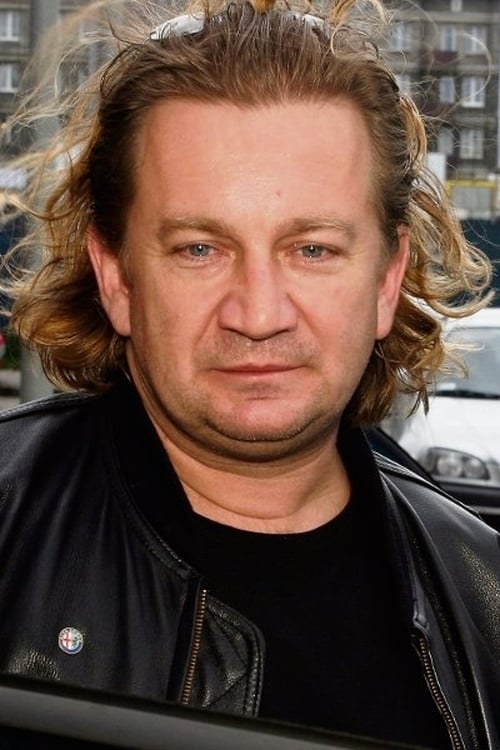
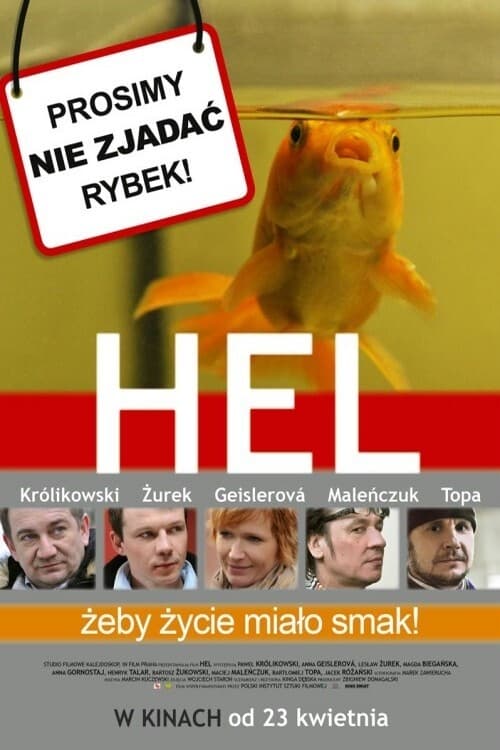
Paweł Królikowski is a Polish actor. His younger brother, Rafał Królikowski, is also an actor.
No description available.
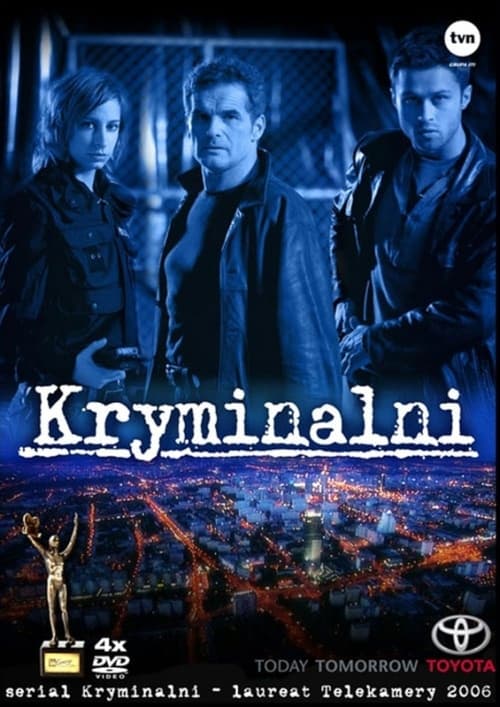
Kryminalni was a Polish crime drama television series that aired on TVN network from September 18, 2004 until May 24, 2008. It ran for 8 seasons and 101 episodes were broadcast in total. It was created by Polish director and screenwriter Piotr Wereśniak and produced by MTL Maxfilm studio. The series followed life and work of police officers from the elite Criminal Terror and Murders Division of the Warsaw Metropolitan Police; the title refers to police officers in the crime section. The three main characters were Adam Zawada, an experienced, tough cup, his younger colleague Marek Brodecki and Barbara Storosz, an ambitious female officer who in the first season joins the team just after graduating. Although none of the main actors had had star status before the series debuted, all three of them rose to prominence and popularity during the 5-year-long run. Many of Poland's best known actors guest starred, usually playing roles of people involved in just one particular investigation. The serial was one of the most popular in Poland: each week it had an audience of 4 million.
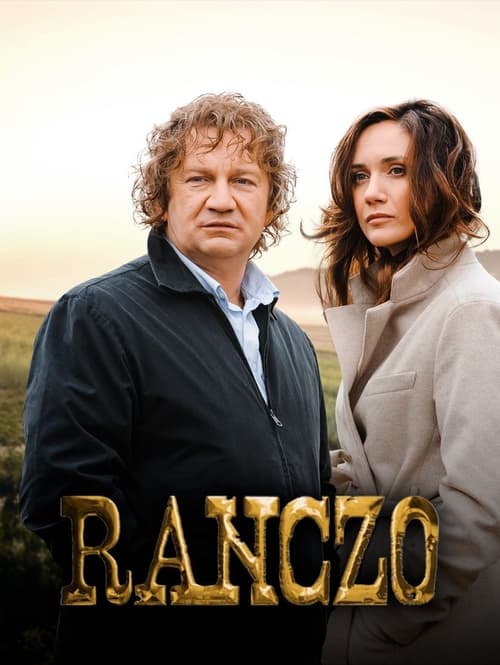
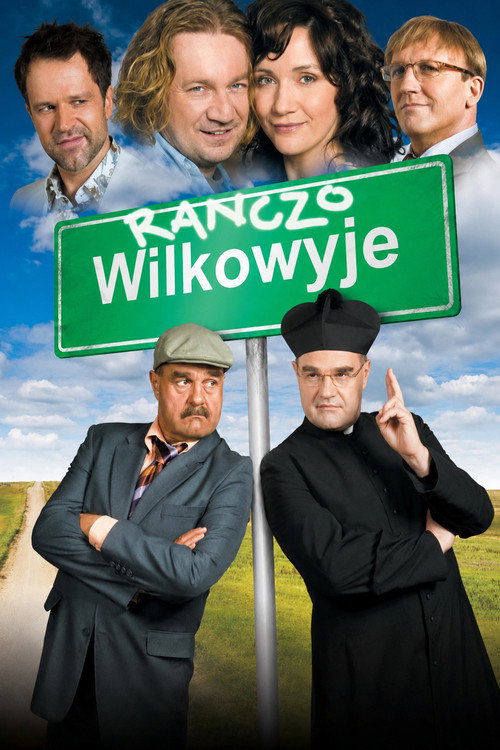
Ranczo ["Ranch"] is a Polish television comedy series, directed by Wojciech Adamczyk, that has aired since March 2006 on TVP1. It follows the story of Lucy Wilska, a Polish-American who has inherited her grandmother's country home in the fictional small town of Wilkowyje. She arrives in Wilkowyje intent on selling the cottage but, after seeing the charm of the village, decides to stay.
A Polish teacher moves to a provincial town and gets involved in investigating the brutal murder of a high school girl. He learns more and more about the mysteries of this murder, revealing corruption and fraud among local elites.
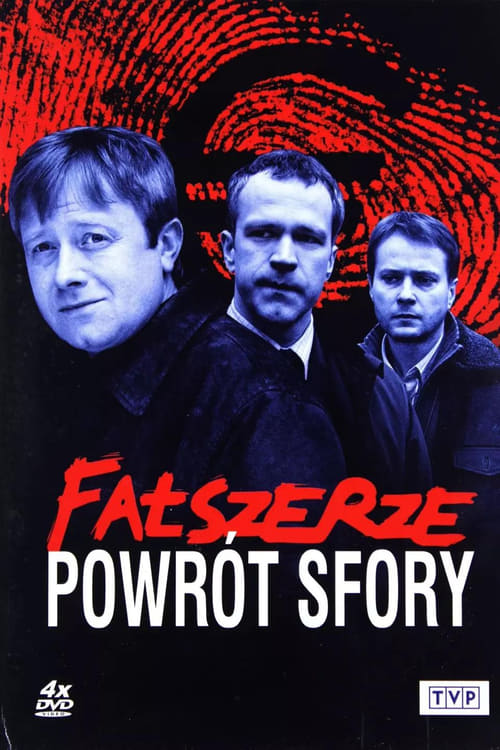
The dark world of crime: murders, racketeering, drugs, kidnappings. There are no rules here. Working in this world makes cops cynical and ruthless. There is a fine line between them and criminals - will any of them cross it? The main characters are officers from the Department for Counteracting Criminal Terror and Homicides. The action of the series is an extension of the threads that appear in the feature film. It presents in a realistic way the brutal and dark world of crime that officers encounter on a daily basis. They're not just tracking down murderers. They fight racketeering, kidnapping, drug trafficking while struggling with their own day to day life and problems.
An enigmatic commissioner joins the Warsaw Police, where her unconventional investigation methods unsettle the officers in the homicide department.
In an incendiary story of love, desire, and betrayal between siblings, the rebellious young Tadek returns to his half-sister Anka’s home in search of solace and affection. Bound together by a painful shared family history, brother and sister must find a way to break free in order to survive. This formidable debut fearlessly yet tenderly explores one of society’s last taboos.
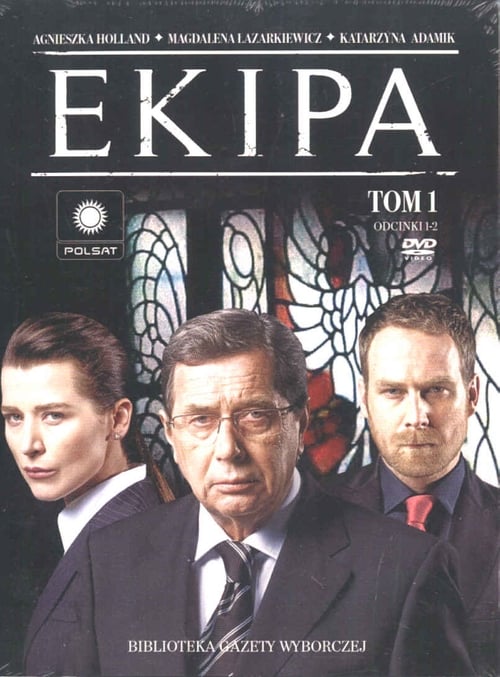
Ekipa is a Polish political drama TV series created and directed by Agnieszka Holland, aired from 13 September 2007 until 6 December 2007 on Polsat. Ekipa is the second Polish political fiction series after the 1980s miniseries The Career of Nicodemus Dyzma.
A young waiter meets a middle-aged couple during new years eve, in an old hotel, somewhere in Poland...
A seasoned detective teams up with a novice cop to solve the mysterious murder of a world-class bone marrow transplant specialist.
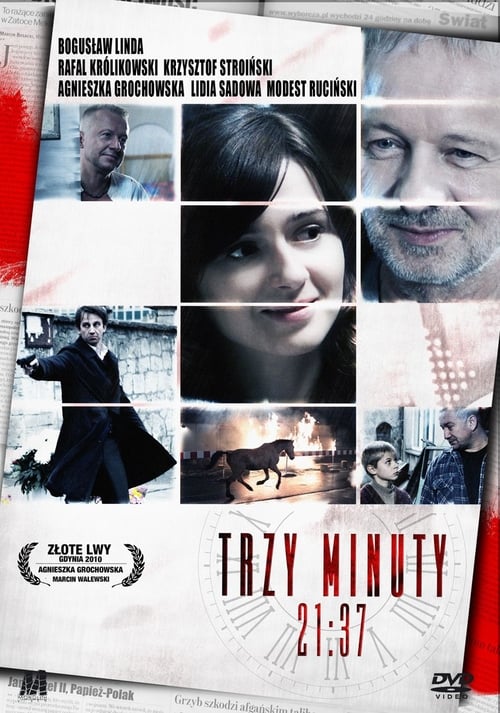
On April 9, 2005, in an unprecedented gesture of unity and tribute, millions of Poles turned off the lights in their homes. At the same time, an emotional energy of unprecedented potential was released. At that moment, any earthly miracle could have happened. "Three Minutes" is a story about people whose fates intertwine at a historic moment. The film is about "down-to-earth miracles", internal transformations under the influence of unusual events. It is a portrait of modern Poles, far from uncritical apologia, ... but ultimately optimistic and positive. The four stories that make up the film depict the intersecting fates of the Director, Teacher, Painter, Student, Father and Boy.
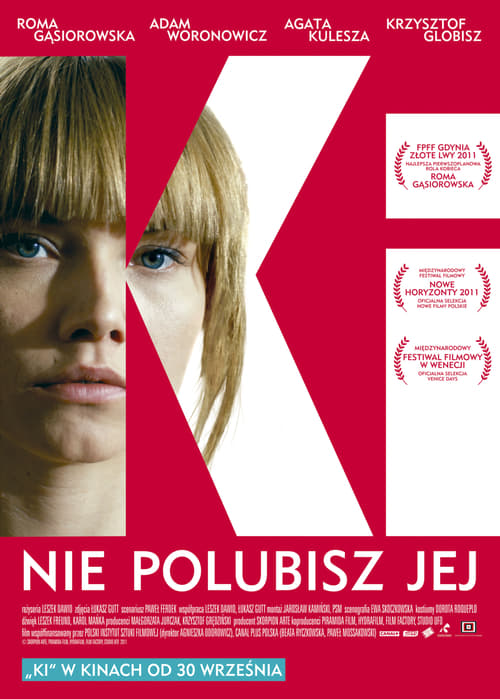
Ki is a young woman who no longer wants to live with the father of her child. She moves into a house in which lives Miko, a serious man who does not care for distractions. The responsibility of raising a child on her own comes up against the need to work and the wish to live a carefree life.
Piotr is a psychiatrist. He is on night duty when a boy is brought to his ward. It is Kamil, the son he hasn't seen in years. The boy disappears from the hospital as quickly as he appeared. However, Piotr decides to get in touch with him. He invites him to his place and introduces him to his beautiful young fiancée. After Kamil's visit, the woman realizes that Piotr is a mystery to her and that she really knows nothing about him. And Piotr does indeed hide a dark secret...
Lucy and Kusy have to face quite a problem. From the States suddenly arrives Lucy's mysterious husband Louis. It turns out that their divorce was not fully carried out. Louis fights for his wife's lost feelings, he wants the girl to return to the US with him. Kusy removes himself into the shadows, but over time begins to suspect Louis of not very pure intentions. In the background, there is a clash between the cunning Czerepach, in the role of an auditor from the Chamber of Accounts, and the Village Head. Desperate, the Village Head, together with the entrepreneur Więclawski, who has won all tenders in the municipality for years, is plotting against his eternal enemy. The bench regulars are also preparing a surprise.
Ursula is preparing an Easter breakfast in honor of her daughter and her new fiancé. When her daughter arrives, it turns out that her fiancé is thirty years older than her. Breakfast turns into dinner, and Ursula experiences the worst day of her life.
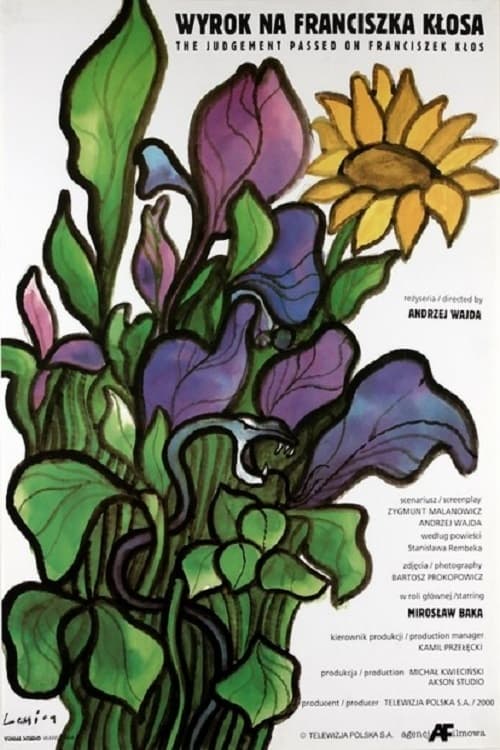
During the German occupation of a small Polish town, Franciszek Kłos, a lowly local policeman, will stop at nothing to become a Volksdeutsche. Eager to prove his loyalty, he zealously carries out the occupiers' orders. What begins as administrative compliance soon escalates when he commits his first murder of a fellow Pole. Condemned to death by the Polish underground, Kłos outwardly shrugs off the sentence while quietly drowning his growing fear in alcohol. As his inhibitions crumble, he descends deeper into violence—participating in the roundup and execution of hidden Jews, and earning a reputation for brutality even among the SS.