Miguel Faria Jr.
Directing
Biography
Miguel Faria Jr. (born 28 September 1944) is a Brazilian film director and screenwriter. He directed 14 films between 1969 and 2015. From Wikipedia, the free encyclopedia
Known For

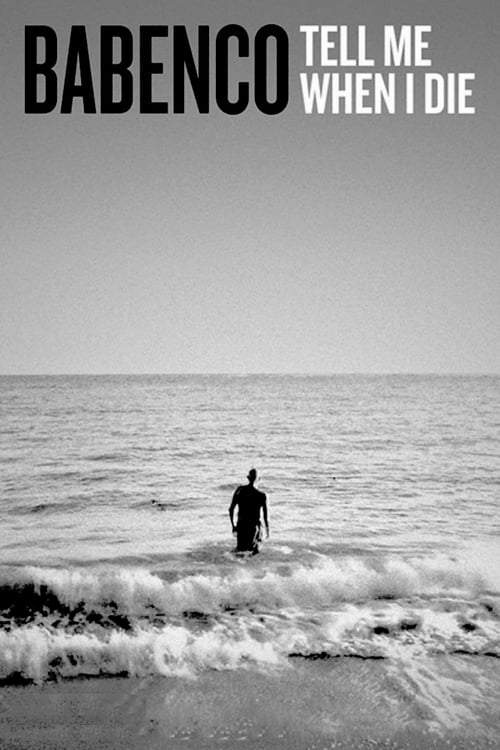
Besieged by cancer and nearing the end, the genius Argentine-Brazilian filmmaker Héctor Babenco (1946-2016) asks Bárbara Paz, his wife, for one last wish: to be the protagonist of his own death.
Babenco: Tell Me When I Die

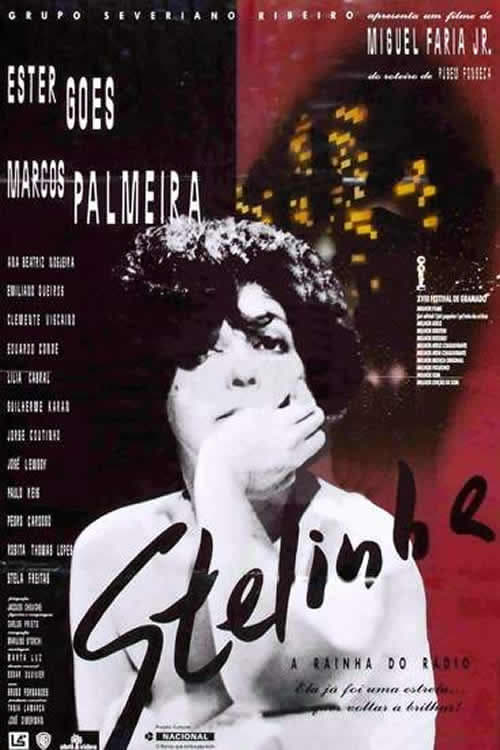
A young rock singer meets his childhood heroine, a famous singer who is now wallowing in alcohol and sex.
Stelinha

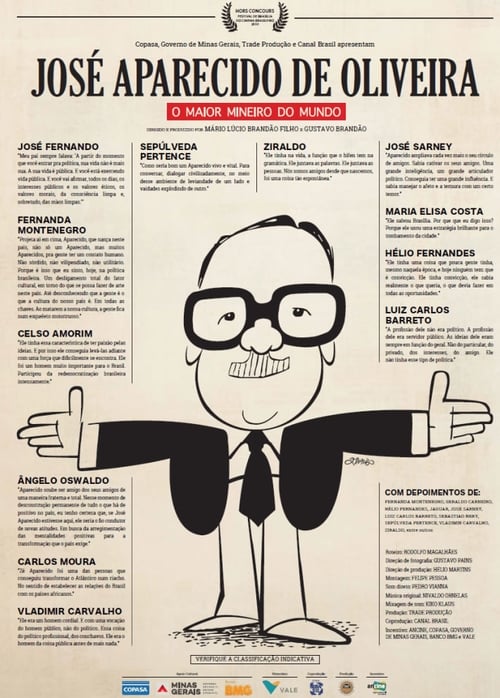
Documentary that chronicles the trajectory of the journalist, federal deputy, secretary of state, minister of state, governor and ambassador José Aparecido de Oliveira, who lived with the greatest authorities and personalities from the political, business and cultural circles in Brazil and the world.
José Aparecido de Oliveira – O Maior Mineiro do Mundo

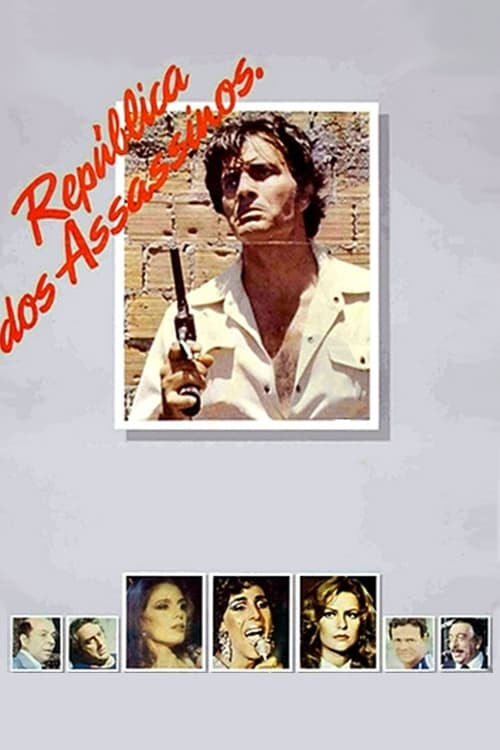
In 1970, the Esquadrão da Morte (Death Squad)' crimes for the refinement of violence provoked a wave of reactions throughout the country. The photos of the victims, adorned by the skull, symbol of the group, caused an uncomfortable indignation. This is the story of Mateus Romeiro, the most famous of the policemen, who was part of the Homens de Aço (Steelmen) group, one of the factions in which the squadron was divided.
República dos Assassinos

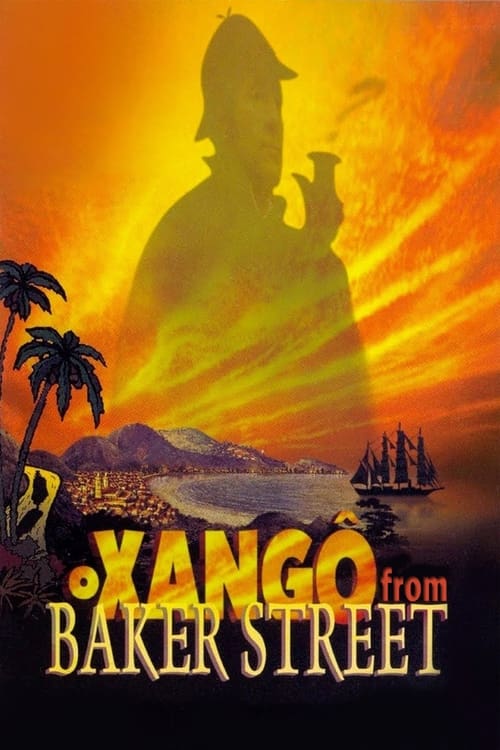
Rio de Janeiro, 1886. A precious Stradivarius violin presented to Emperor Dom Pedro II is stolen. Sherlock Holmes and Dr. Watson are called to solve the case.
The Xango from Baker Street

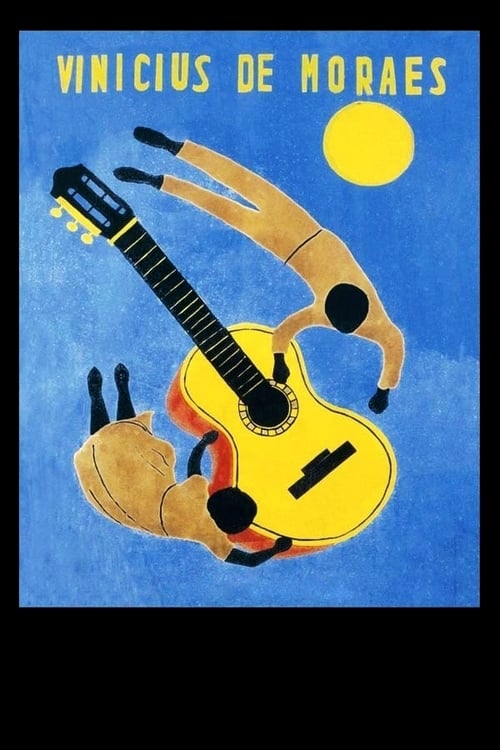
To celebrate the life and the work of a multifaceted creator – playwright, poet, partner of the most important names of Brazilian pop music and, above all, an enlightened character of the Brazilian cultural history - director Miguel Faria Jr. gathered an incomparable cast of partners, singers, friends and rare images from the archives recalling Vinícius’ genial simplicity, with the spontaneity, the humor, and the freedom of a person chatting over a bar table, exactly how the eternal Vinícius would enjoy.
Vinicius de Moraes

After being exiled for 26 years, Tieta returns to her native village in Bahia, bringing chaos and upheaving the local order.
Tieta of Agreste

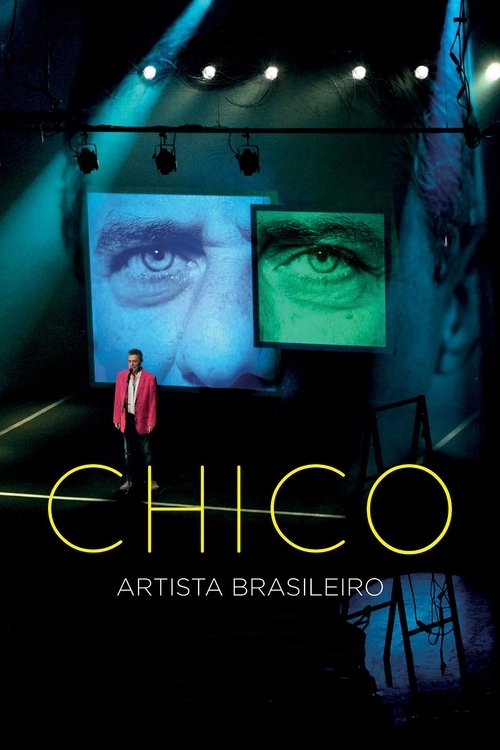
Chico Buarque is a constant presence in Brazil's art scene and makes up its citizen's popular culture. This wealth in music, poems, theater and novels has been created over the last 50 years and in this film Chico Buarque converses about his memories, shows, daily life, work methods, creative process, in summary all his trajectory. The musician’s search for his German brother, whom he never got to meet, serves as one of the axis for the narrative.
Chico: Brazilian Artist

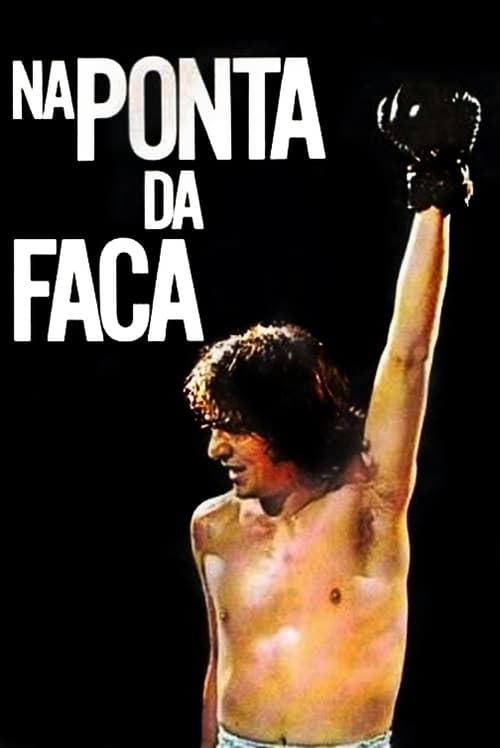
Adventures of a migrant who comes from Northeast Brazil to Rio de Janeiro, where he meets a prostitute.
Na Ponta da Faca

Poor people who live in the slums in Rio de Janeiro decide to occupy an empty apartment building in the rich part of the city. Meanwhile, a rich girl falls in love with a poor composer. Based on the musical play "Pobre Menina Rica", by Vinícius de Moraes and Carlos Lyra.
Para Viver Um Grande Amor

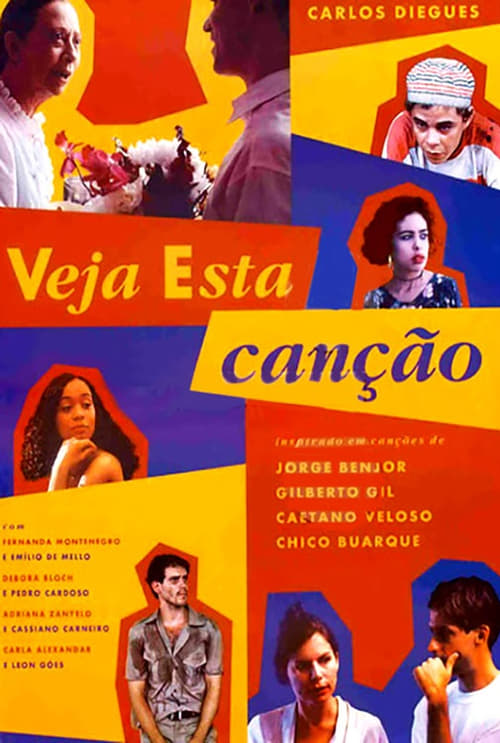
Four love stories which portray a wide gamut of emotions and desires against the backdrop of Rio de Janeiro. "Elephant's Stomp" : the story of a highway patrol officer who is infatuated with a mulatto dancer at a local nightclub. "Drao" : a publicity man and a boutique owner who face a crises in their marriage. "You Are Beautiful" : two homeless teenagers seek love amidst their personal misery. "Samba of the Great Passion" : a book maker who is charmed and captivated by the voice of a female singer coming from a building across the street. Characters in search of love in order to escape from the boredom, loneliness and helplessness of their lives.
Rio's Love Song

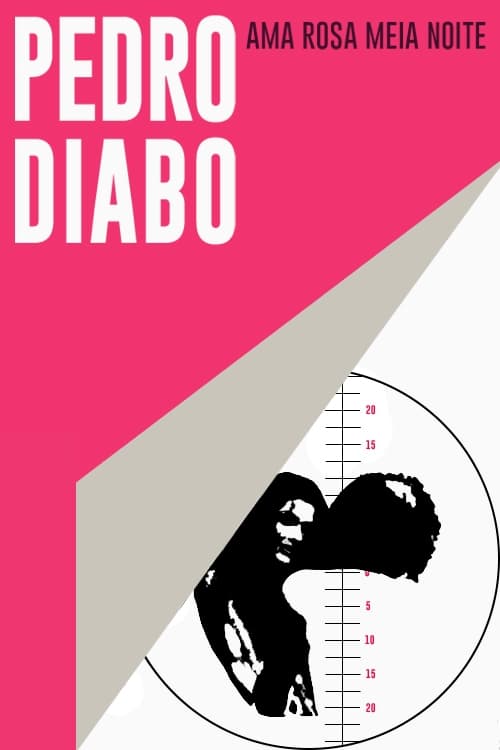
Unhappy with what he'd got from life, Pedro Diabo becomes a dread outlaw, whom the police is looking for. In his life of crime, he has the love and support of a strange woman, Rosa Meia-Noite, chorus girl who likes to wear rich costumes in Carnival Balls.
Pedro Diabo Loves Rosa Meia Noite

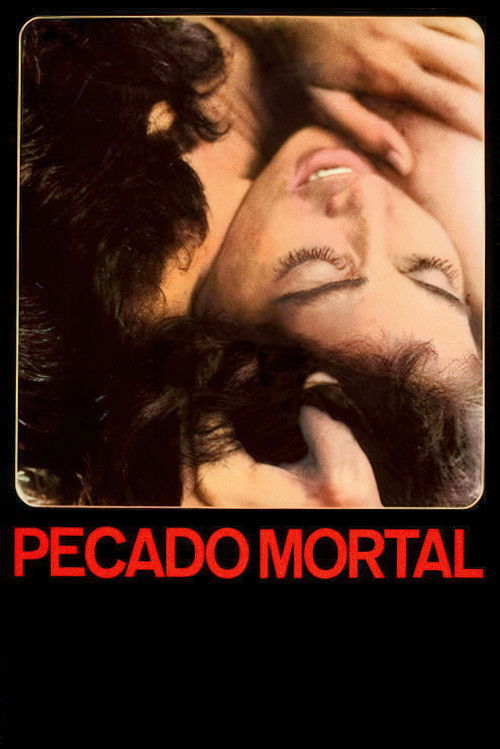
The eccentric members of a wealthy Brazilian family each go through personal torment, debauchery and intense guilt. The father has made a fortune in the slaughterhouse business and ignores the feelings of his wife and his workers. When the mother threatens to leave, the father begs for her to stay and continue the hollow charade of their marriage for the sake of social appearances.
Mortal Sin

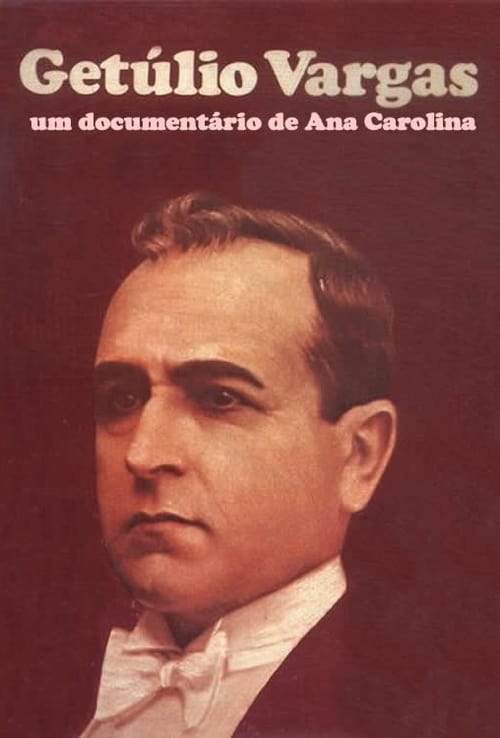
Documentary on one of Brazil's most controversial personalities: Getúlio Vargas, an ex-president.
Getúlio Vargas

No description available.
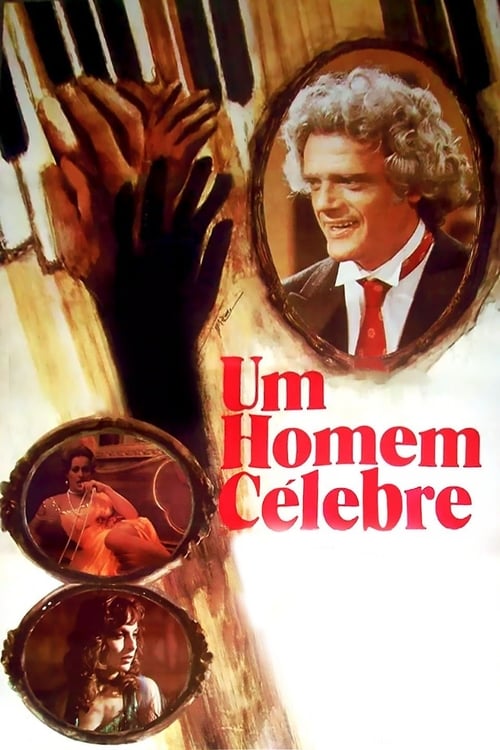
Um Homem Célebre
No description available.
Waldemar Henrique canta Belém

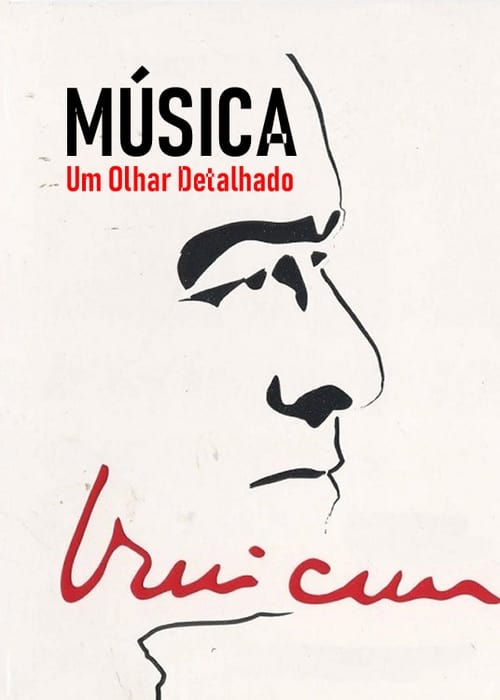
Documentary about the music in the film Vinicius (2005)