FEEL IT.STREAM
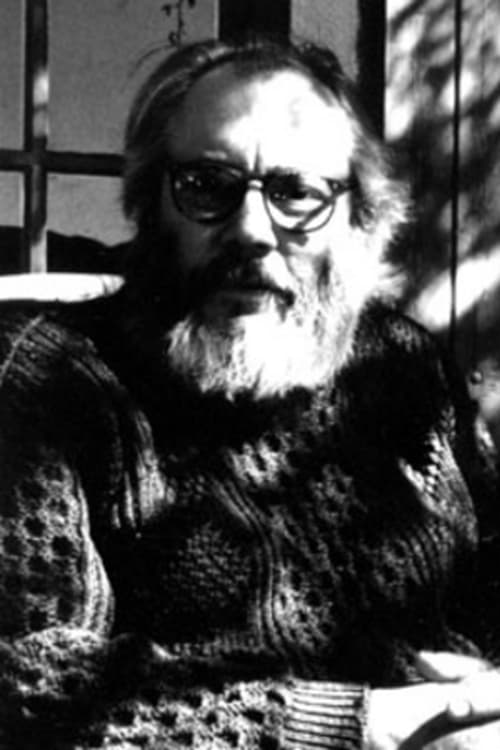
Jean-Daniel Pollet

Jean-Daniel Pollet

Directing

Biography

Jean-Daniel Pollet (1936–2004) was a French film director and screenwriter who was most active in the 1960s and 1970s. He was associated with two approaches to filmmaking: comedies which blended burlesque and melancholic elements, and poetic films based on texts by writers such as the French poet Francis Ponge.
Known For

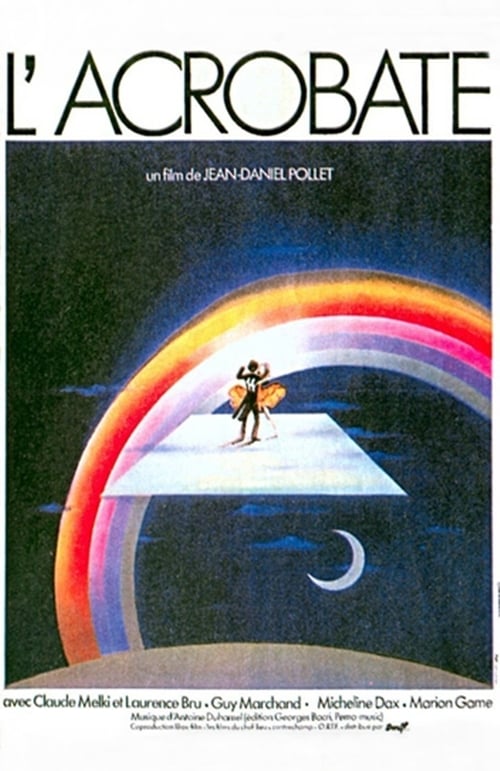
The Acrobat
6.6

Leon who works as a bathhouse attendant discovers a passion for the tango that will change his life. He falls in love with Fumée, a young and pretty prostitute who becomes his partner in tango contests.

The Acrobat

1976
Méditerranée
5.6

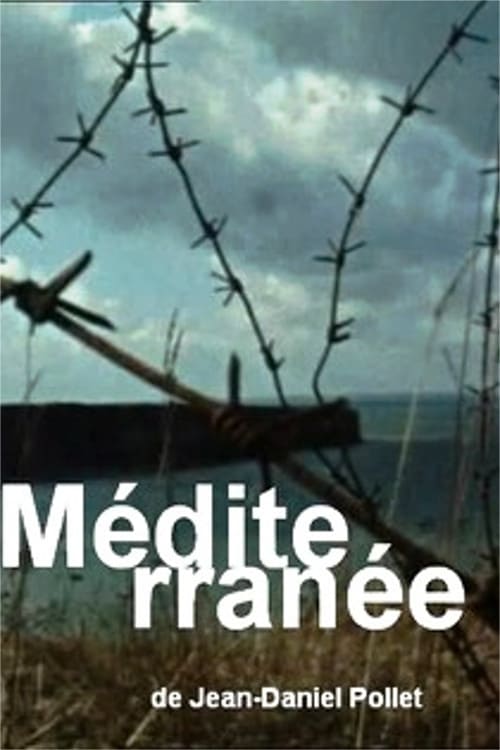
[Here] Pollet made a work that is the very definition of what French critics like to call an ovni or ufo (as in ‘unidentified filmic object’). [It] has been described as being ‘like a comet in the sky of French cinema,’ an ‘unknown masterpiece,’ and an ‘unprecedented’ work that refuses interpretation even as it has provoked reams of critical writing. Its rhythmic collage of images – a girl on a gurney, a fisherman, Greek ruins, a Sicilian garden, a Spanish corrida – is accompanied by an abstract commentary written by Sollers, and only the somber lyricism of Antoine Duhamel’s score holds the film’s elements together. At first viewing, you fear that [it] might fly apart into incoherent fragments. Instead, over the course of its 45 minutes it invents its own rules, and you realize you’re watching something like the filmic channeling of an ancient ritual.

Méditerranée

1963
Love Is Gay, Love Is Sad
6.3

In a cul-de-sac in the Faubourg-Saint-Antoine, Leon shares two rooms with his sister Marie. In one, he receives his clients: he is a tailor. In the other, Marie receives her own: she is a clairvoyant. Leon was happy until he learned what Marie was hiding from him. She is actually a prostitute, and Maxime, her supposed fiancé, is her pimp. On the same day, Leon also discovers love in the form of Arlette, a provincial young woman picked up by Marie.

Love Is Gay, Love Is Sad

1971
A Bullet Through the Heart
6.0

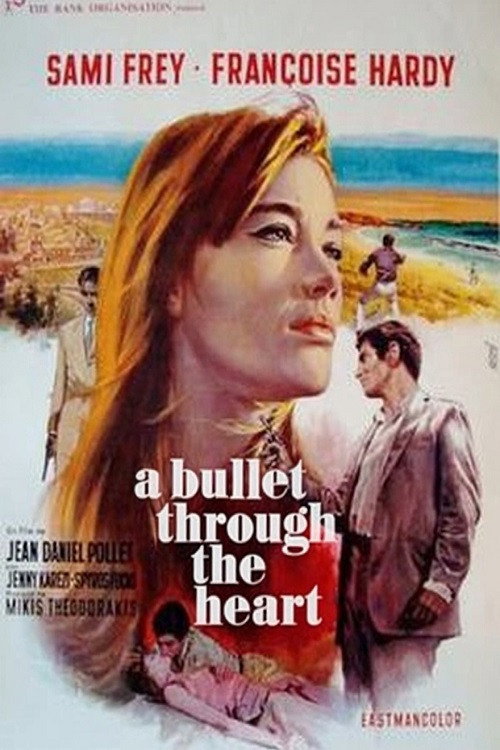
Francesco, a young Sicilian aristocrat, scars an aging gangster who has set out to take away his property. The gangster vows to obtain vengeance, and Francesco is forced to flee across Greece with his girl friend, pursued by his antagonist's vicious henchmen.

A Bullet Through the Heart

1966
Six in Paris
6.7

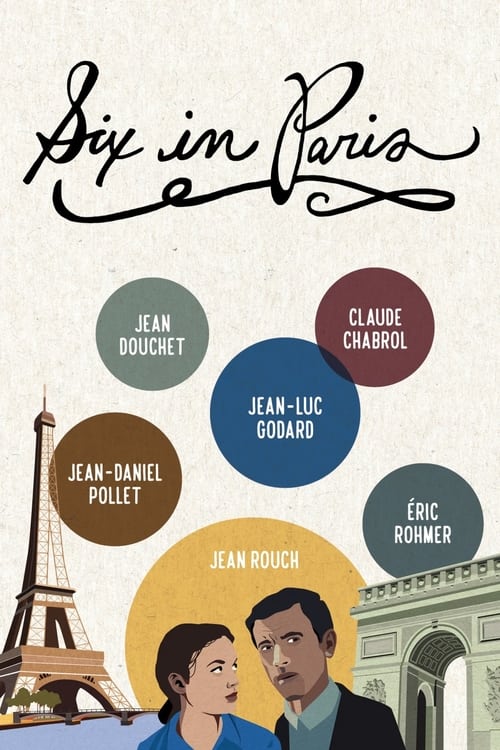
Six vignettes set in different sections of Paris, by six directors. St. Germain des Pres (Douchet), Gare du Nord (Rouch), Rue St. Denis (Pollet), and Montparnasse et Levallois (Godard) are stories of love, flirtation and prostitution; Place d'Etoile (Rohmer) concerns a haberdasher and his umbrella; and La Muette (Chabrol), a bourgeois family and earplugs.

Six in Paris

1965
La Nouvelle Vague par elle-même
8.0

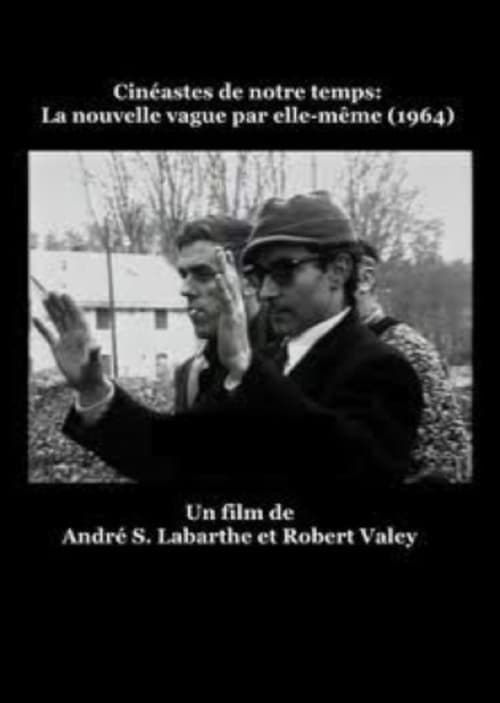
Made for Cinéastes de notre temps series. In 1964, several French New Wave auteurs discuss the success and crisis of the wave. Featuring Claude Chabrol, François Truffaut, Jacques Rivette, Jean-Luc Godard, Jacques Rozier, Jacques Demy, Agnès Varda, Jean Rouch, and many others.

La Nouvelle Vague par elle-même

1964
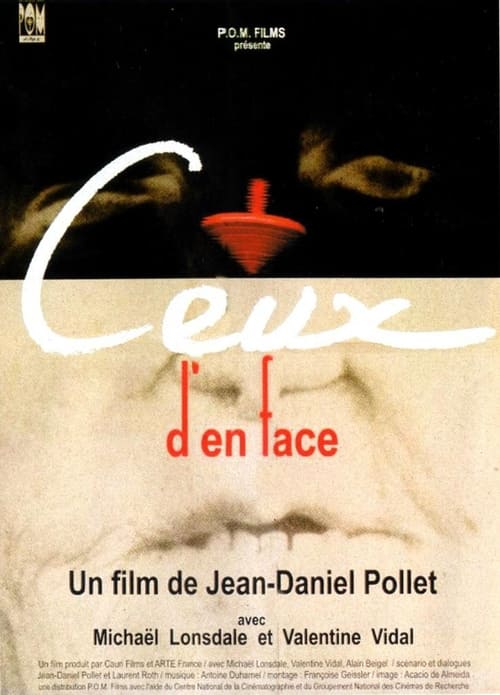
Those Facing Us
6.5

In a big isolated house, Mikael, a musician, is composing a psalm. A young woman, Linda, comes to retreive a suitcase belonging to Sébastien, her companion and Mikael's friend. It contains hundreds of photographs from all over the world. While he is travelling, Sébastien has asked Linda to organise the photographs with a view to an exhibition. Mikael invites Linda to reside with him. She accepts. That is the heart of the film – an intertwining of photographs which, juxtaposed by Linda, begin to speak. In parallel with this, Linda receives cassette-letters from Sébastien. A subtle relationship is established between Linda, the young debutante, and Mikael, the man of experience. Mikael goes off to direct his psalm, Linda stays alone. The walls become covered with photographs – wall of happiness, wall of misery – the fight between Good and Evil. Linda learns of the accidental death of Sébastien and stays alone.

Those Facing Us

2001
Line of Sight
5.8

Pedro returns to the castle of his childhood, inhabited by his uncle, an indifferent being who scarcely notices his presence. At the castle, Pedro wanders between the park and the salons, playing the songs he composed on the guitar. He notices strange people around the castle.

Line of Sight

1960
L'Arbre et le Soleil
N/A

This film is dedicated to Mas-Félipe Delavouët, the poet discovered by Lawrence Durrell, who wrote 14,000 verses in Provençal over a period of thirty years, and who died on November 18, 1990. "The sky, history and Mediterranean and Provençal myths are the inexhaustable wellspring of this man rooted down there, near Salon-de-Provence" (J.-D. Pollet). "Mas-Félipe Delavouët wrote five books in Provençal, 14,000 verses. A sort of "Odyssey". Of myths. What is stunning in him is that he always talks of disappearances. Cities, works, men, writings, television, etc., everything has to disappear. In order to be reborn. No pain. A sort of hand-to-hand of man and nature. During the filming, I would simply throw out some words... For example, one time I said "creation" and he said: "creation doesn't exist..., creation is before me..., I can only read creation"; this sentence describes Delavouët perfectly (J.-D. Pollet, 1989 and 1993).

L'Arbre et le Soleil

1990
Bassae
8.1

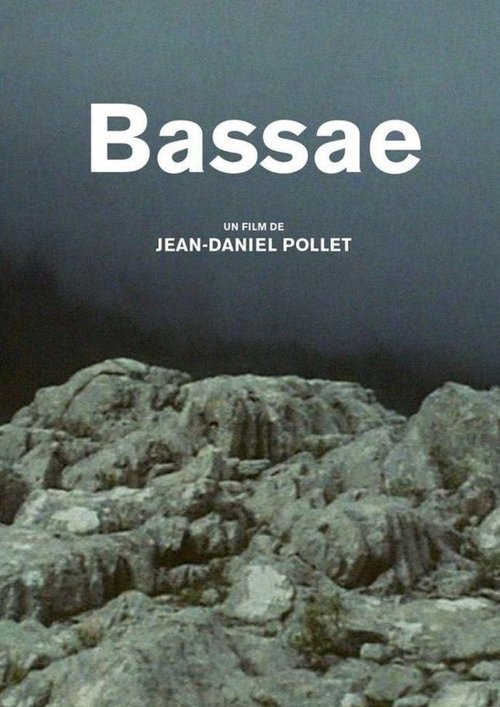
"I was interested by the fact that some old guy, after the Parthenon’s glamour, devoted himself in a much smaller temple, where there was no white marble, no nothing. All Greek temples are dedicated to Apollo etc, and this particular one was not dedicated to anyone and is in a place where there never was a city nearby, in a kind of wasteland, in a ditch. But, just by going up a bit –you are in the centre of Peloponissos- on a clear day, you can see the sea on both your left and right. I went back there, at least six, seven or eight times, as if I wanted to think or find myself. So, at the temple in Bassae, I made a short 10 minute film and I was lucky enough to encounter two days of clouds and mist between the columns."

Bassae

1964
Rue Saint-Denis
5.0

A lonely dishwasher hires a prostitute and brings her to his dingy apartment to enliven his dreary life for a night.

Rue Saint-Denis

1965
The Horla
6.4

A man who lives by himself becomes increasingly concerned that he is not alone. Based on the short story by Guy de Maupassant.

The Horla

1966
Strange Game
6.0

In 1944, in Paris, the leader of a resistance network is looking for the traitor who gave away a radio operator.

Strange Game

1968
Le Maître du temps
6.3

An alien, with the ability to travel through time, visits our planet at various eras.

Le Maître du temps

1971
The Others
6.4

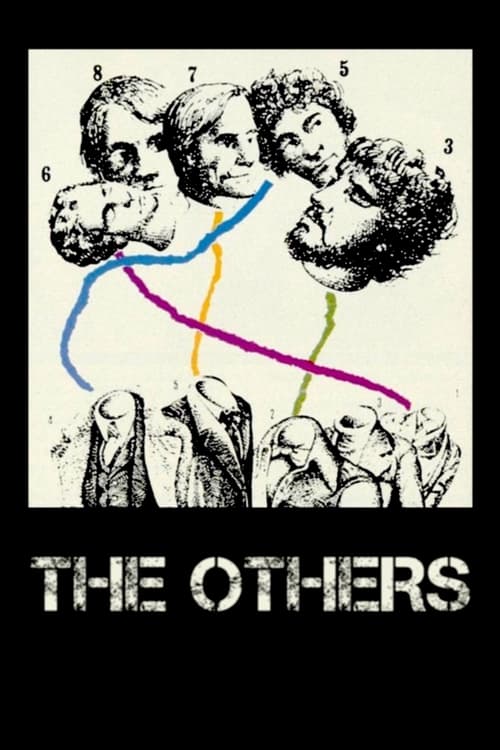
Spinoza, attempting to discover why his son committed suicide, meets his girlfriend and his rival for her affections.

The Others

1975
Gala
6.5

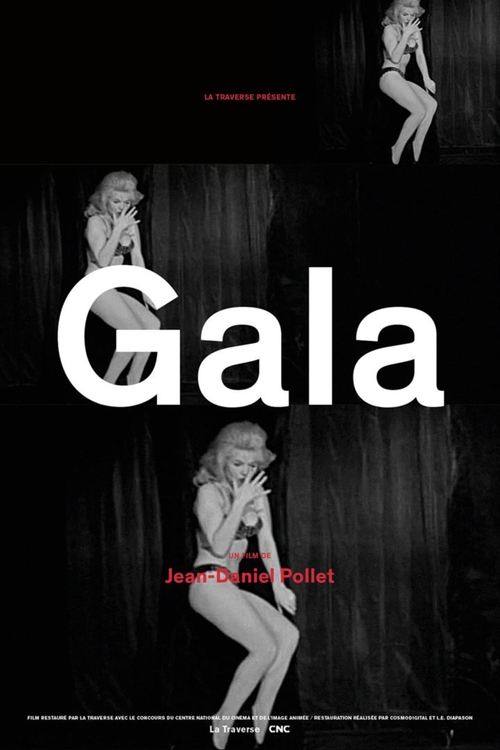
A more polished version of Pourvu, set in a black cha-cha nightclub. Relying more upon looks, faces, and unease, rather than gags or dialogue, Pollet sets the cool elegance of the club's manager against the decidedly uncool Melki and his sartorial inadequacies.

Gala

1961
The Blood
5.8

An apocalyptic vision of man after a cosmic catastrophe, this film is a terrifying metaphor of a dehumanized future. The Brazilian Cinema Novo, German expressionism of the twenties, and the ideologically motivated ‘cruelty’ of a Buñuel come together in this ferocious work of a French theatre collective – an ambitious, almost completely successful example of visual cinema at its best.

The Blood

1971
Imagine Robinson Crusoe
5.1

A cinematographic poem in the form of variations around the theme of Robinson, a utopian fable freely inspired by Daniel Defoe's novel, which speaks above all of solitude: the immense weakness of today's man in the face of loneliness is no longer that of the hero of the eighteenth century.

Imagine Robinson Crusoe

1968
Day After Day
4.0

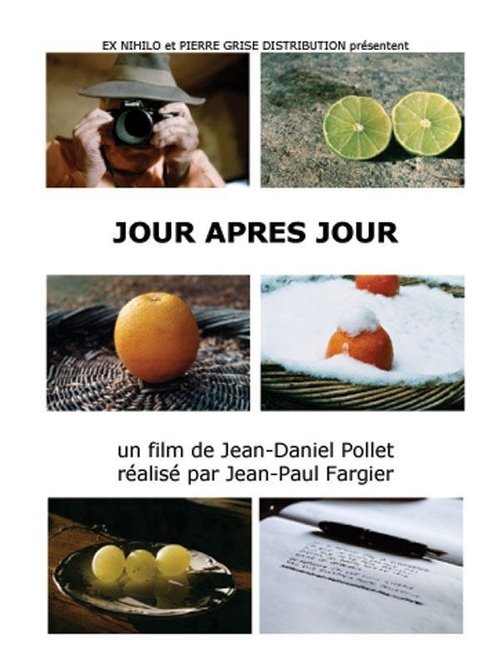
He inhabits the world just like he inhabits his house: motionless. A serious accident nailed him there: in a house in the middle of a large garden. No longer can he dash around the world: day after day, he contemplates it from his house. He’s a filmmaker. He’s only ever lived to make movies.

Day After Day

2006
Dieu sait quoi
6.5

A homage to journalist Francis Ponge in a film that its author regarded as “natural.”

Dieu sait quoi

1994