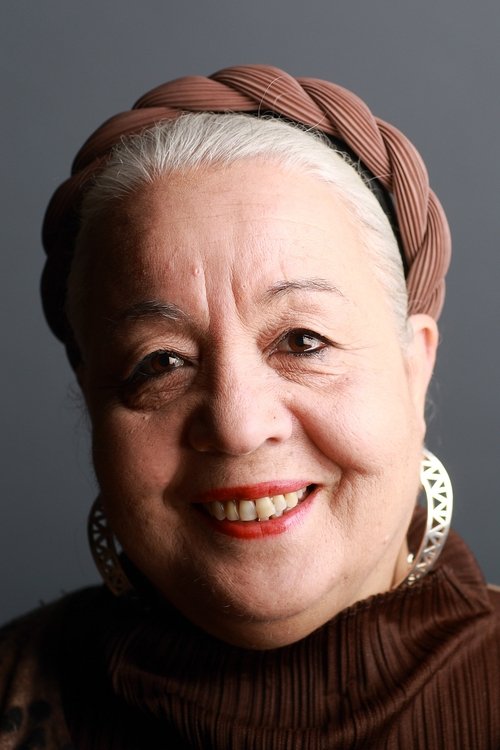
Izza Génini
Directing
Biography
Izza Génini was born in Casablanca, Morocco, in 1942 to a Jewish family. After studying literature and foreign languages at the Sorbonne and the Institut national des langues et civilisations orientales, both in Paris, Génini decided to enter cinema. In 1973, she founded SOGEAV for the distribution of French films in French speaking African nations, distribution of African films abroad, and the production of films El Hal and Transes, the latter of the two directed by Ahmed El Maanouni. Martin Scorsese would later remaster this film in his World Cinema Project, with an interview with Génini included on the disk. In 1987, Génini began the production of a documentary series on traditional Moroccan music called Maroc, corps et âme, or Morocco, Body and Soul, containing fifteen parts.
Known For
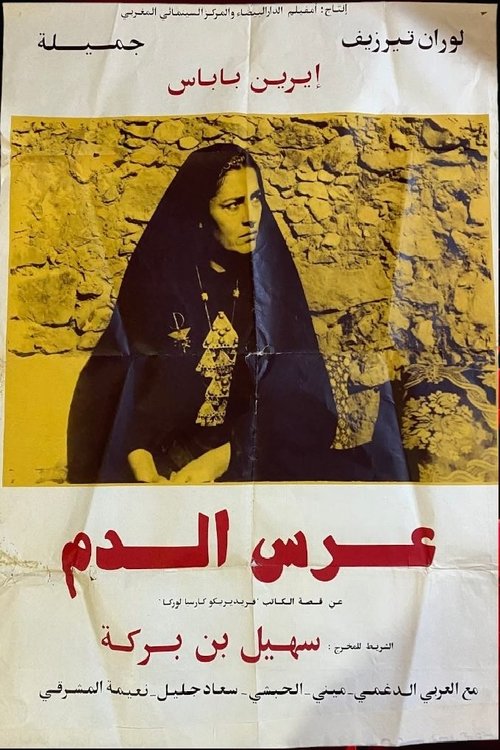
In a small village in southern Morocco, Amrouch cannot, because of his social position, marry the daughter of a wealthy farmer from the nearby village. Based on Federico Garica Lorca’s novel.
Blood Wedding
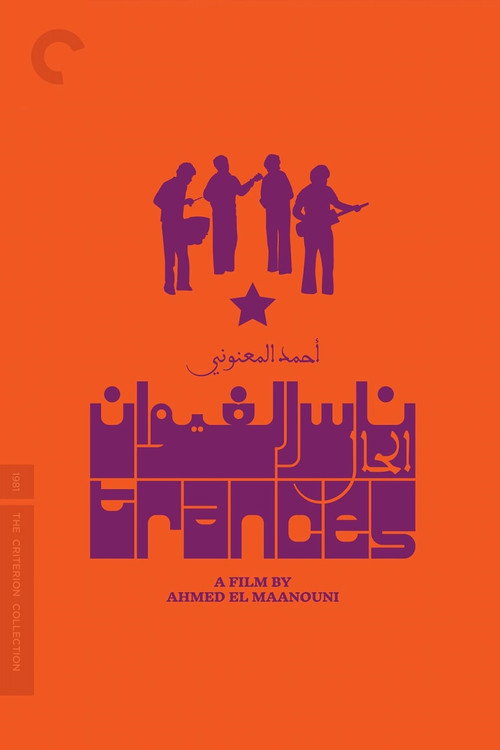
A portrait of the groundbreaking Moroccan band Nass El Ghiwane, documenting a series of electrifying live performances in Tunisia, Morocco, and France; on the streets of Casablanca; and in intimate conversations. Storytellers through song and traditional instruments, and with connections to political theatre, the band became a local phenomenon and an international sensation, thanks to their rebellious lyrics and sublime, fully acoustic sound, which draws on Berber rhythms, Malhun sung poetry, and Gnawa dances.
Trances
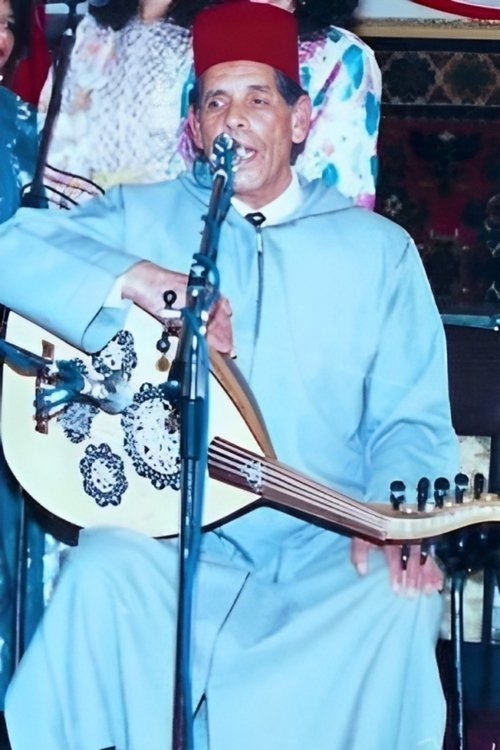
In Meknes, at the music conservatory, master Hadj Hoceine Toulali evokes some rules governing malhoune , a sung dialect word, imbued by the intimate links it maintains with the social and artisanal life of the city.
Malhoune
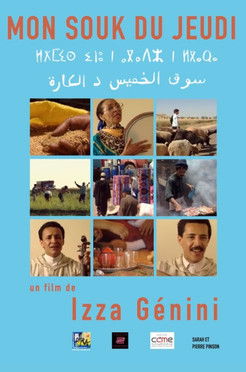
A documentary exploring Izza Génini’s intimate relationship to places, people and events in a mutual recognition through unpublished rushes.
My Thursday Souk
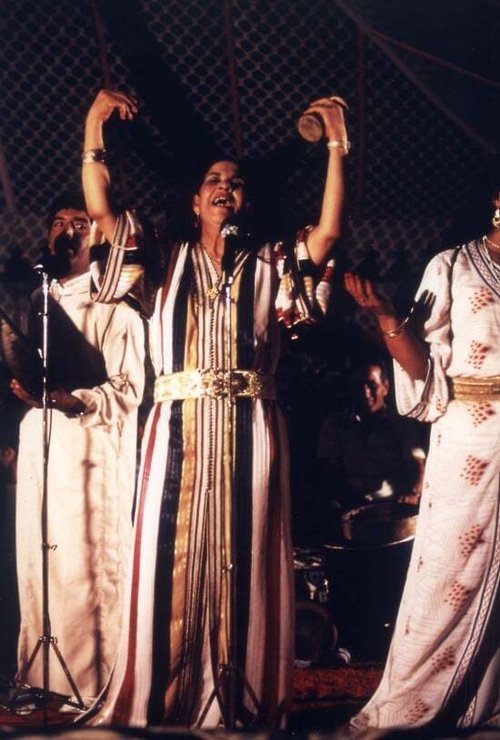
Documentary on aïta, a Bedouin musical style that originated in the countryside of Morocco. Women aïta singers are shown performing and discussing their nomadic lifestyle and profession.
Aïta
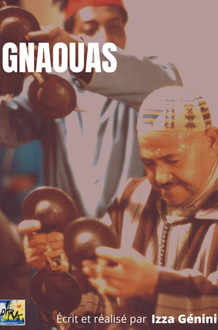
Film documents the rituals, spiritual customs, music and dance of the Gnaouas, the African religious group originally brought into Morocco centuries ago. Also contains footage of the slaughter of a sheep.
Gnaouas
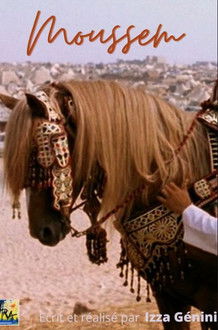
Feast, Pilgrimage or Souk, the Moussem is the most popular and the most regular Moroccan event. The one of Moulay Abdallah is the most renowned for its Fantasia. It gathers every year around one thousand horses and their magnificent horsemen. Through successive waves the troops unfurl up to the official platforms, shooting all together the honour "baroud". Toufik Naomi, 22 years old, one of the more impassionate and gifted riders, will win once again that coveted victory.
Moussem
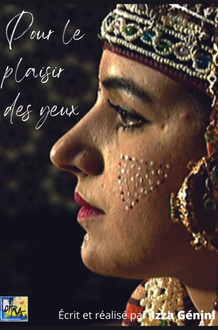
In Morocco, the art and craft of beautification is essentially in the hands of a woman known in the north of the country as a "ziyanna" (beautician) and everywhere else as a "neggaffa." A central figure in the lives of Moroccan women, the "neggaffa" accompanies all beauty rituals. She is an accomplished artist, a creator of living, ephemeral tableaux. Hajja Khadifa, mistress of the "neggaffates" of Casablanca, and her aunt Fanida share some of their knowledge with us.
Pour le Plaisir des Yeux
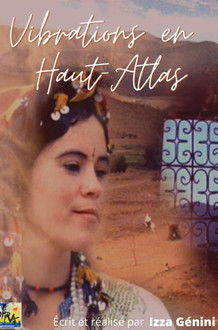
Daily life in the Aït Bouguemez Valley is documented in this film by Izza Génini. Nestled in the Atlas mountains, the residents of this small village work the land in time with the natural rhythms of the landscape. Sound and tempo are part of the composition of daily life where ancient celebrations are passed down through generations.
Vibrations in Upper Atlas
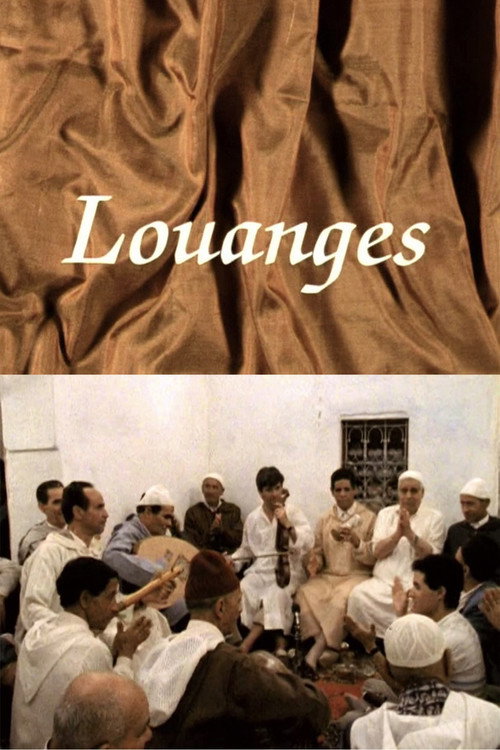
Between Volubilis and Meknès, the sanctuary of Moulay Idriss, is the scene of one of the most important pilgrimages in Morocco. Sufi brotherhoods and simple pilgrims parade for 8 days on ecstatic rhythms.
Hymns of Praise
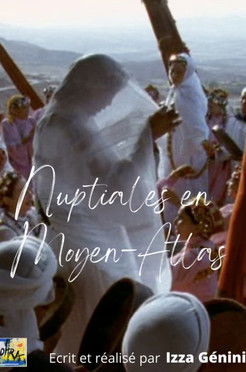
In the Middle Atlas, around Khenifra, the Zayane and Ichker tribes gather under the direction of the “Maestro” Moha u Hoceine to celebrate the mythical wedding of Asli and Taslit, the Groom and the Bride. In these Berber regions, they symbolize the Sky and the Earth which, through their songs and dances, unleash the vital forces of nature.
NUPTIALES EN MOYEN ATLAS
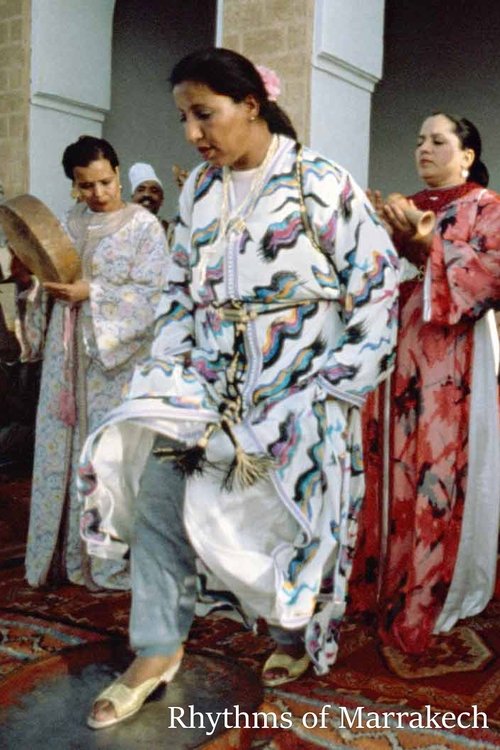
In this film, Marrakech is filled with music, from women singing, dancing and drumming in their homes, to shopkeepers in the old market of Jamaa El-Fna, leaving their shops to follow groups of musicians through the allies of the old city.
Rhythms of Marrakech
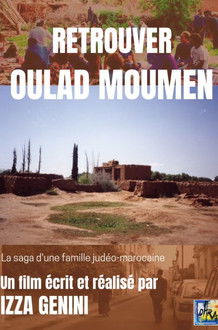
In south Marrakesh, Morocco, amidst the olive groves lies the village of Oulad Moumen where Habiba and Yossef Edery began their family in the 1920s. Genini, the youngest of the nine Edery children, organized a family reunion in 1992.
Return to Oulad Moumen
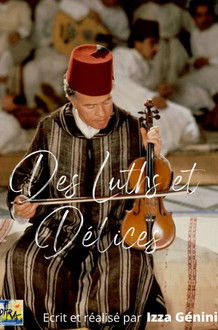
It is in Tétouan, nicknamed the "Daughter of Granada," that the legendary music master Abdessadek Chekara and his orchestra perform the classical Arab-Andalusian repertoire of the noubas—musical suites with flamenco accents inherited from nearby Andalusia.
Des Luths et Délices
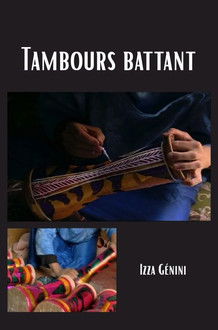
"The drums were everywhere. There were round ones, flat ones, pot-bellied ones... There were tiny ones and huge ones like those played by the musicians who came to turn beneath our windows in Casablanca..." Using the omnipresent percussion during Morocco's feast of Achoura, and Izza Genini's personal memories, this film examines the place of music in a person's relationship to his social and cultural origins. Profane or sacred music – what is the secret by which music binds a person to the world and sometimes to himself?
Drums Beating
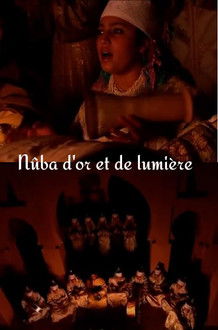
A story of Arabo-Andalusian music form of which Nuba could be seen as the symphonic form. In the image of a musical tree, its branches are nourished by a sap that, for the past 14 centuries, rose from the fringes of Morocco and currents of Arabia, grew in the courts of the Andalusian Caliphs, grew more robust in medieval Spain, melded with the songs of the troubadours and the Sephardics, then, replanted in the Maghreb, blossomed in Morocco under the name "el Ala". Birth. Apogee, Decline, the three phases of El andalus civilization, left their mark in the eastern muwashshah, Alfonso X’s cantigas of Santa Maria, in the Sephardic songs and the sanâa, the art of the nûba as it still exists around the Mediterranean. Dawn, Evening, Night inspires musicians and poets of the nuba imbued with the light of day, inhabited by human sentiments and temperaments, sustained by a public and artists who, from Tangiers to Tel Aviv, perform it in vibrant communion.