Acting
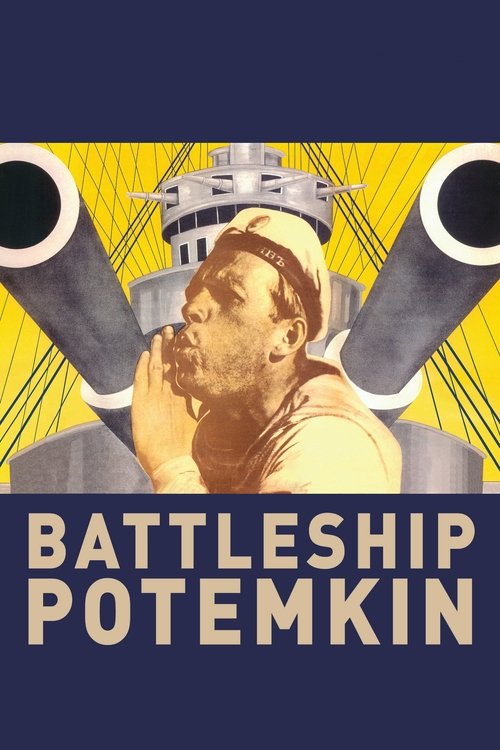
A dramatized account of a great Russian naval mutiny and a resultant public demonstration, showing support, which brought on a police massacre.
Set during the early part of his reign, Ivan faces betrayal from the aristocracy and even his closest friends as he seeks to unite the Russian people. Sergei Eisenstein's final film, this is the first part of a three-part biopic of Tsar Ivan IV of Russia, which was never completed due to the producer's dissatisfaction with Eisenstein's attempts to use forbidden experimental filming techniques and excessive cost overruns. The second part was completed but not released for a decade after Eisenstein's death and a change of heart in the USSR government toward his work; the third part was only in its earliest stage of filming when shooting was stopped altogether.
Workers in a factory in pre-revolutionary Russia go on strike and are met by violent suppression.
A machinist on a Navy ship has two sons, both bolcheviks. When the revolution comes the Tsarist police captures the machinist to put pressure on his sons.
Working with children led Barskaya to create superb direct sound and an inspired style of shooting. Don’t look for conventional cinematic syntax here. The film is chaotic in the way that Soviet films still knew how to be, and Langlois couldn’t help but be seduced by its rebellious spirit, its anarchy and love of children, comparable to Vigo’s Zero de conduite. As well as being a film made with and for children, it offers a complex take on Western society. Pre-Nazi Germany is not named as such but is carefully reconstructed, possibly under advice from Karl Radek, and children offer a playful reflection of class struggle – doubly excluded, as proletarians and as minors. “They play in the same way that they live”, one intertitle says. The interaction between their comical games and the yet more ludicrous ones played by adults is developed on several levels.
No description available.
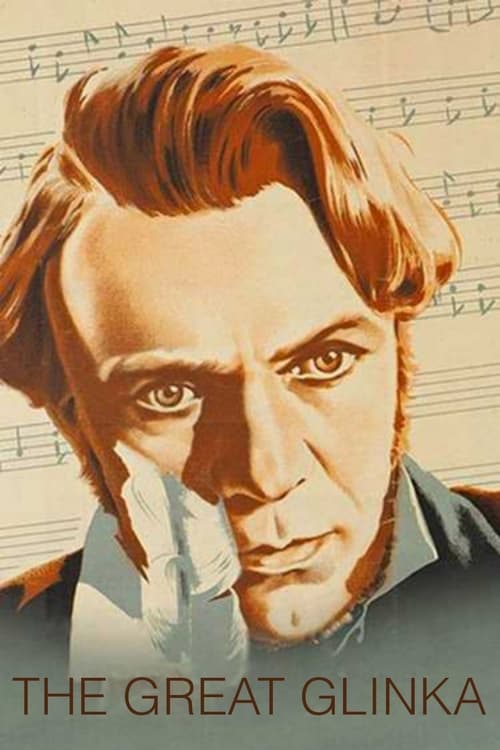
About the life of the Russian composer Mikhail Glinka.
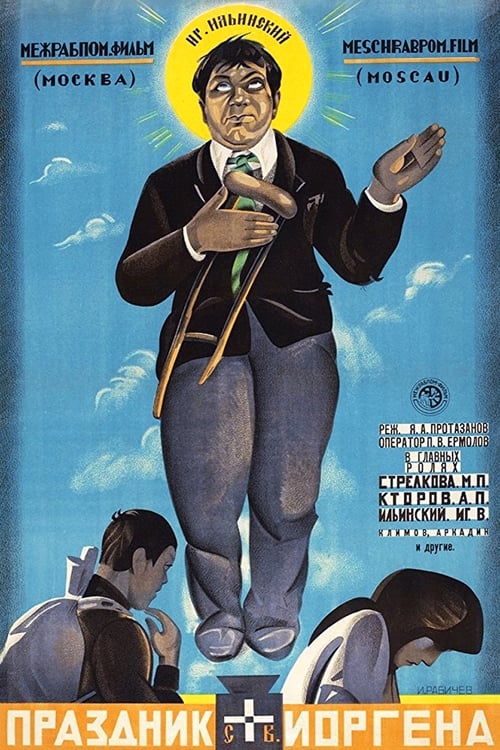
The priests, stock market officials, and police conspire to squeeze income out of pilgrims come to see relics of a Christ like figure. A pair of con men try to pass of a resurrected saint.
A young Lyova travels with the hope of ascent from Czarist Russia to New York. Disappointed, he returns to the young Soviet Union and is glad to have found a simple work.
The first Russian talking picture which won a prize at the 1st Venice IFF. The action is set in 1923. The USSR is struggling with hunger and economic ruin. It is a story of homeless teenagers for whom a work commune is set up with the idea of uniting and reforming them.
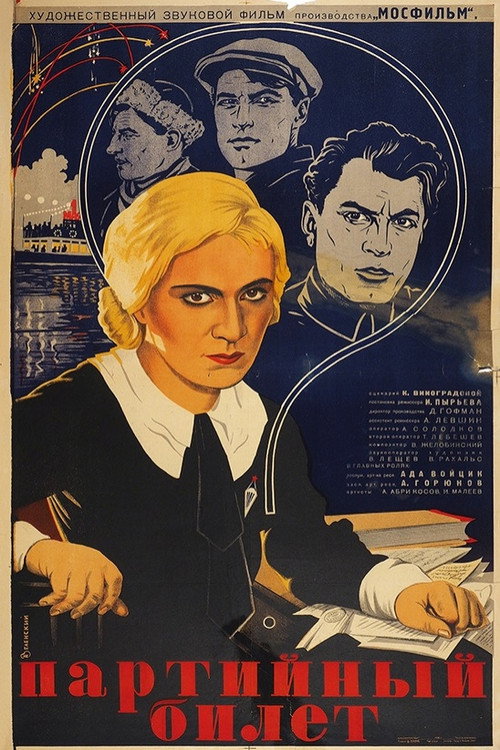
Yasha, who likes Anna, accomodates siberian Pavel Kuganov, which later becomes a class-conscious worker in a factory. Anna refuses Yasha's offer of marriage and he therefore runs off to Siberia. After Pavel is hailed as a hero because he survives a fire accident in factory (which is in fact effect of his sabotage), Anna marries him. Pavel then becomes a reckless communist careerist, but only on surface. In fact, he is a traitor of the country and a spy, and gives Anna's party ID card to anti-communist movement. In spite of that, Anna is expelled from the communist party. Yasha returns from Siberia, only to find her love Anna desperate. They reveal the truth about Pavel (that he is a kulak who killed a kolchoz co-op leader), which means an end for Pavel.
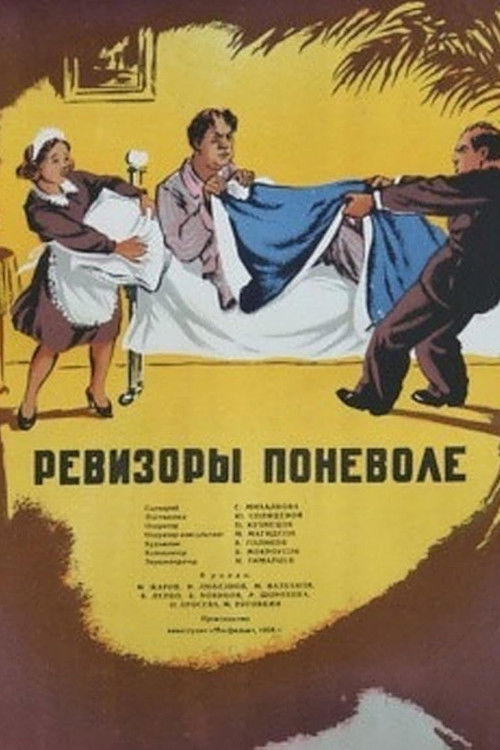
Two business travelers, Laptev and Rusakov, staying at a small town hotel, were surprised by the care that the service staff showed them. It turns out that the hotel administrators, lazy and bureaucratic, accepted the new guests as capital auditors. But it soon turns out that the real auditor has been living in one of the rooms for three days and has already started working as a hotel staff member.
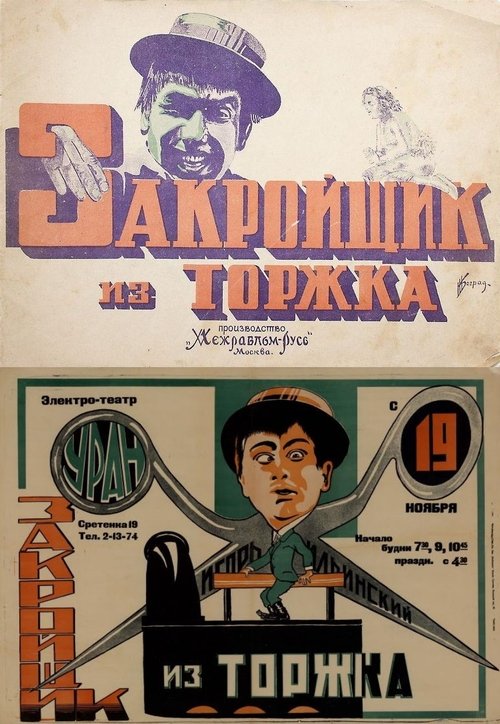
A 1925 Soviet comedy sponsored by the Soviet Finance Ministry, with a plot promoting the new economy. A small-town tailor, Petya Petelkin (Ilyinsky), bought a lottery ticket and handed it to his landlord, widow Shirinkina (Deykun) who wants to marry him. Petya is a hard-working tailor trying to start his own business. He is also in love with Katya (Maretskaya), whom he wants to marry. He has to survive a cascade of funny situations in the unstable Soviet reality, before his romance with Katya comes to a happy ending.
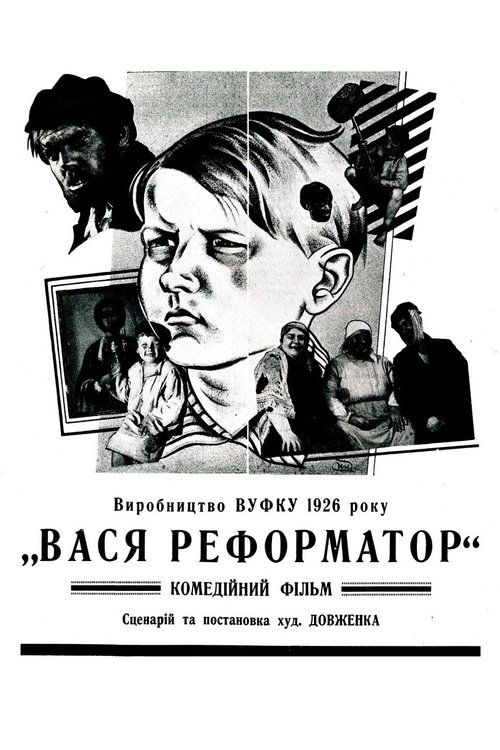
Lost film directed by Oleksandr Dovzhenko (his first film) and Favst Lopatynskyi. It is a satire of the NEP period. Vasia, the son of a factory’s worker, is attracted by the romance of adventures. And he goes to look for them. He saves a drowning drunkard who tries to beat him. Vasia escapes from him in a vehicle parked on the shore. However, the vehicle belongs to a superintendent who, when he does not find it, stages its theft. Meanwhile, Vasia exposes priests in the church. As a result, the church is turned into a cinema, and the priest becomes a cinema technician. And finally, Vasia’s last deed is catching a criminal at home and denouncing him to the militia.
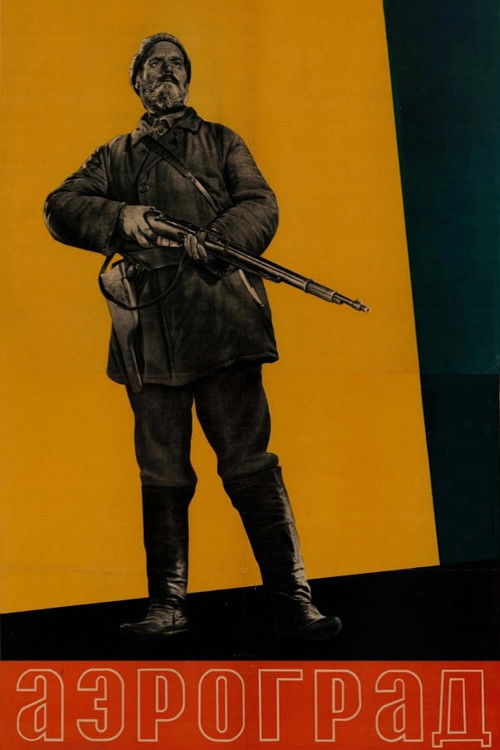
A Russian outpost in Eastern Siberia comes under threat of attack by the Japanese. Aerograd is a new town with a strategically located airfield of vital interest to the government. Work on the new outpost is complicated when tensions develop between workers and a religious sect. Relations between the two countries are further strained in the days before World War II, dating back to the Russo-Japanese War of 1905.
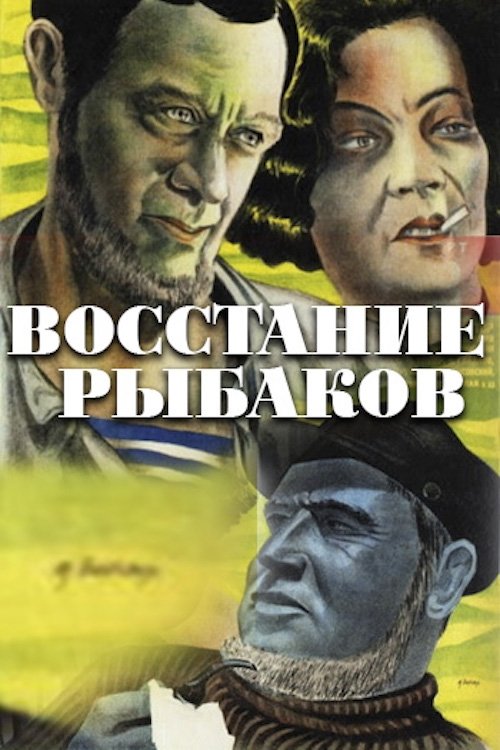
Working fishermen from a small village rise up against the entrepreneurs and the buyers, fighting for higher wages for their hard and difficult work.
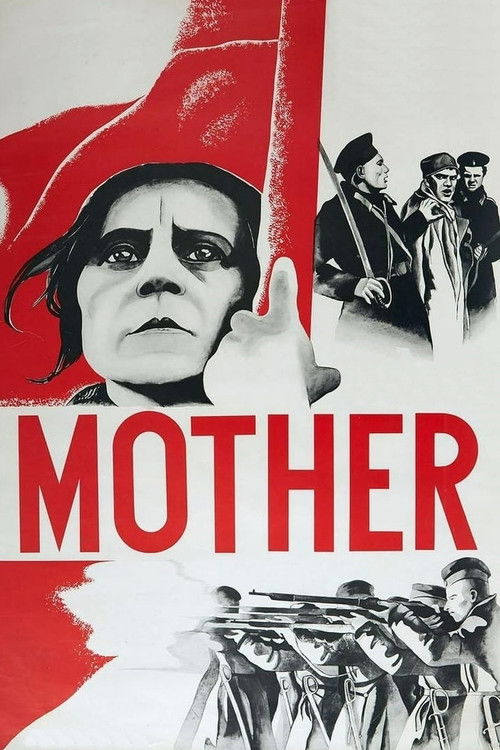
A Soviet woman is caught between her husband and son, who find themselves on opposing sides of the Russian Revolution.
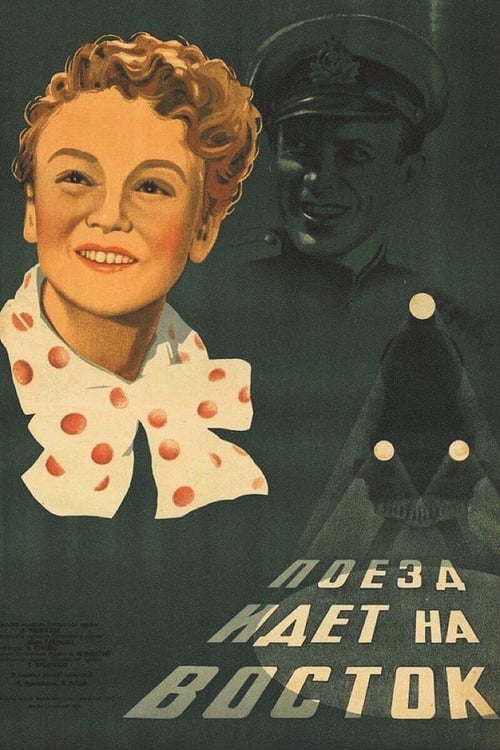
On the evening of May 9, 1945, when Moscow is noisily and cheerfully celebrating the Victory Day, a young girl agronomist Zina Sokolova and a sailor officer Lavrentyev meet in the compartment of the Moscow-Vladivostok train. The sailor takes the lively, direct character of the girl for windiness and frivolity. Sokolova also reacted frowningly and mockingly to the satellite. To get to know each other better, travelers are helped by nuisance: they are behind the train, and the rest of the way they are together, getting to know people and the life of the country along the way.
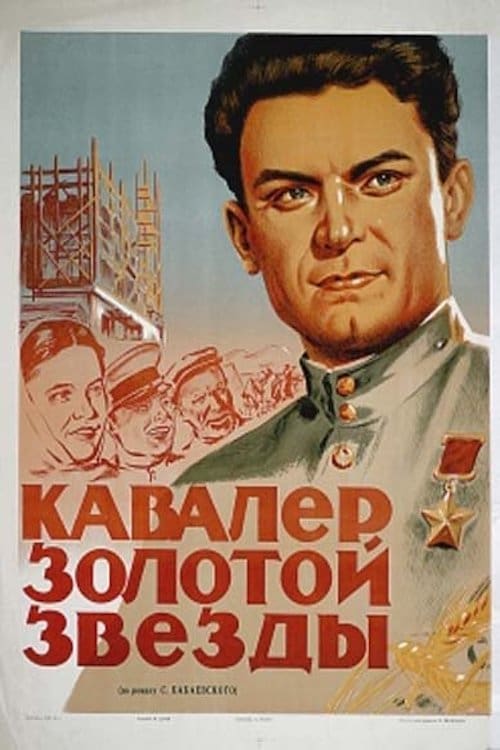
Soviet filmmaker Yuri Raisman once more combines political dogma with solid entertainment values in Dream of a Cossack (aka Cavalier of the Golden Star). The title character, played by future director Sergei Bondarchuk (and billed for obscure reasons as Semyon Bondarchuk), is an ex-soldier who returns home to the Kuban region, there to take up life as a farmer. Instead, he galvanizes the local citizenry into participating in a massive construction project, which will result in a new power station and canal. Thus does Raisman offer an prime example of Russian collectivism while making it seem as though it had sprung from individual initiative. Dream of a Cossack is based on a popular novel by S. Babayefsky.
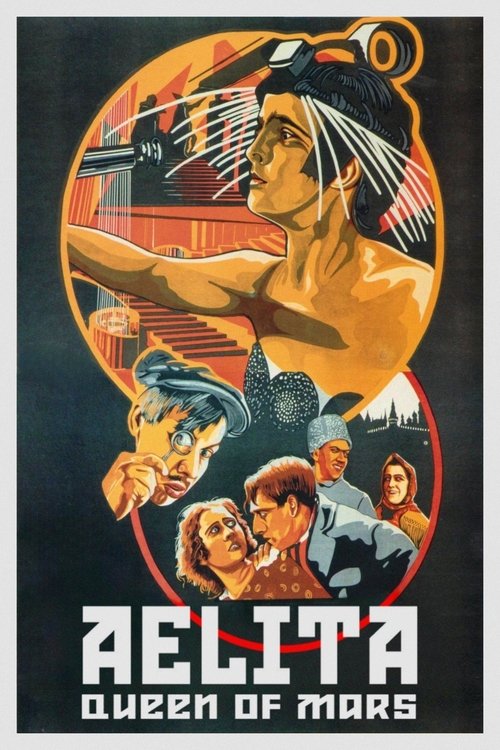
A young man travels to Mars in a rocket ship, where he leads a popular uprising against the ruling group with the support of Queen Aelita, who has fallen in love with him after watching him through a telescope.