Eiji Oshimoto
Acting
Biography
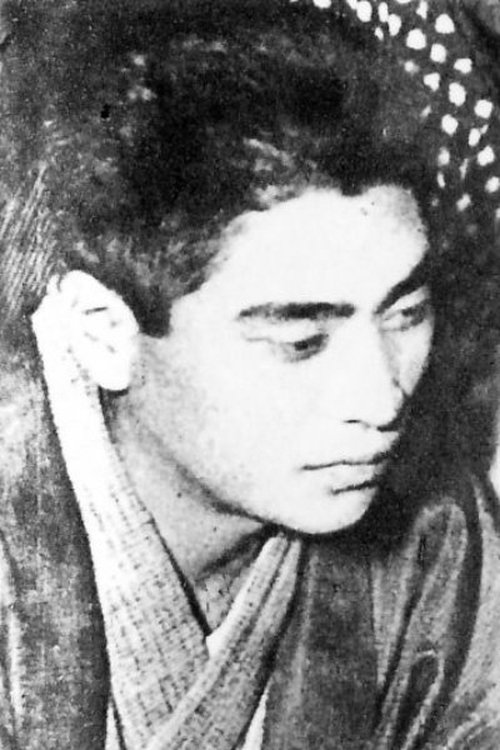
Oshimoto Eiji (January 3, 1900 – May 26, 1946) was a Japanese actor. He belonged to the Shochiku Kamata Studio roster, and was active as a star of action dramas until the end of the Taisho period.
Known For

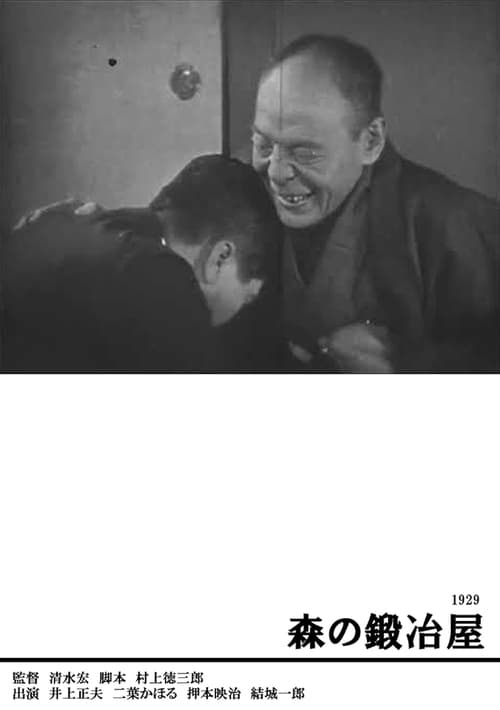
A blacksmith is chased out of the village by the sinister village chief and forced to move to the forest with his wife and two sons. The blacksmith's younger son is disabled, and the other children in the village tease him. The older son aspires to become a doctor in order to fix his brother's leg. The film depicts the bond between a father and his sons. Only 18 minutes survive.
The Blacksmith of the Forest

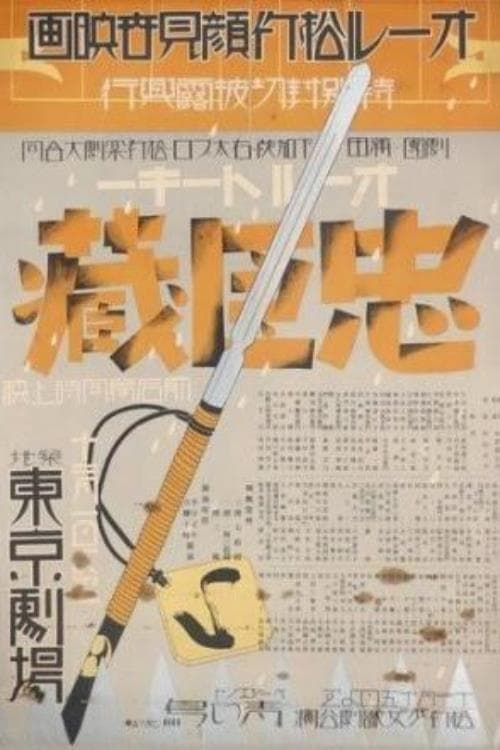
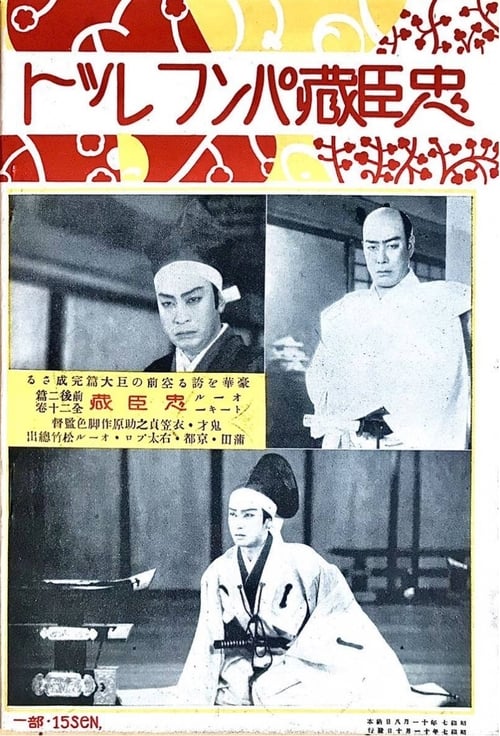
This 1932 adaptation is the earliest sound version of the ever-popular and much-filmed Chushingura story of the loyal 47 retainers who avenged their feudal lord after he was obliged to commit hara-kiri due to the machinations of a villainous courtier. As the first sound version of the classic narrative, the film was something of an event, and employed a stellar cast, who give a roster of memorable performances. Director Teinosuke Kinugasa was primarily a specialist in jidai-geki (period films), such as the internationally celebrated Gate of Hell (Jigokumon, 1953), and although he is now most famous as the maker of the avant-garde silent films A Page of Madness (Kurutta ichipeji, 1926) and Crossroads (Jujiro, 1928), Chushingura is in fact more typical of his output than those experimental works. The film ranked third in that year’s Kinema Junpo critics’ poll, and Joseph Anderson and Donald Richie noted that 'not only the sound but the quick cutting was admired by many critics.
The Loyal 47 Ronin

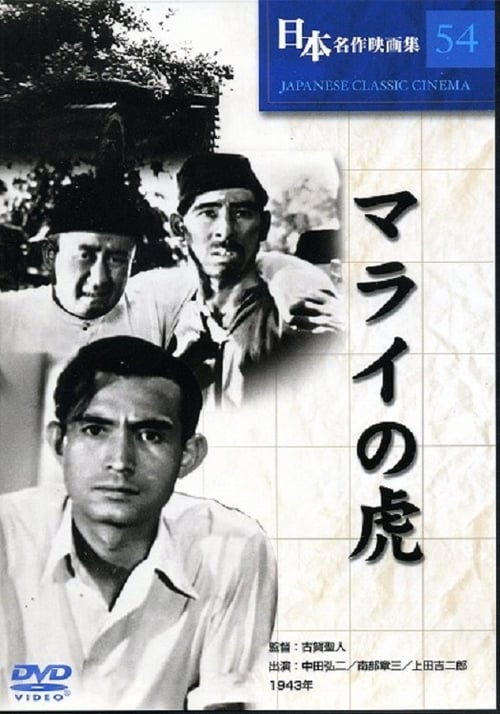
A band of guerrillas fight against occupying British forces in Malaya.
The Tiger of Malaya

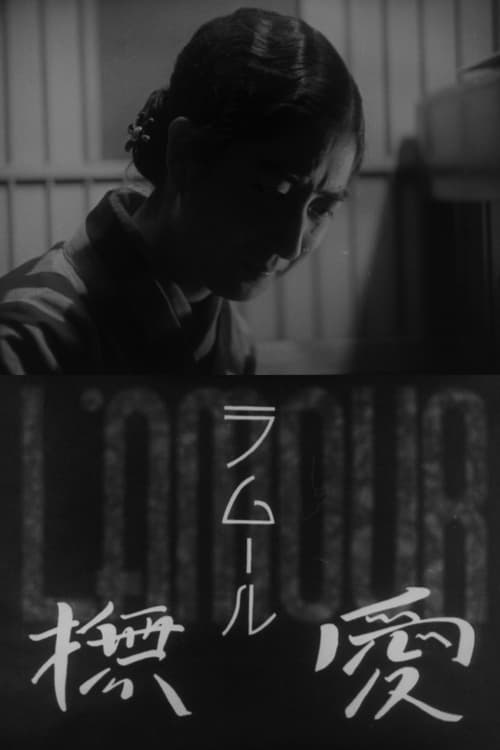
Heinosuke Gosho evokes in this film the family conflicts engendered by the eternal problem of a father who projects his professional desires on the life of his son. The sister Machiko is the essential link that will allow everyone to apologize to each other and achieve reconciliation.
Love

No description available.
Chûshingura - Zempen: Akahokyô no maki

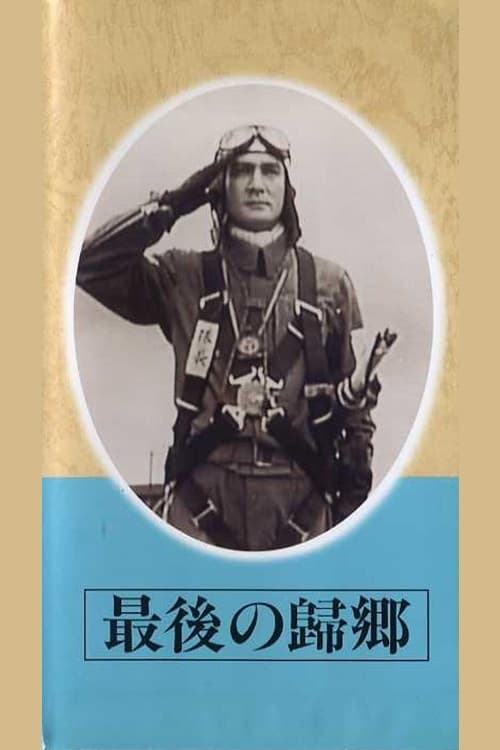
1945 Japanese movie
Saigo no kikyō
No description available.
The Woman and the Pirate

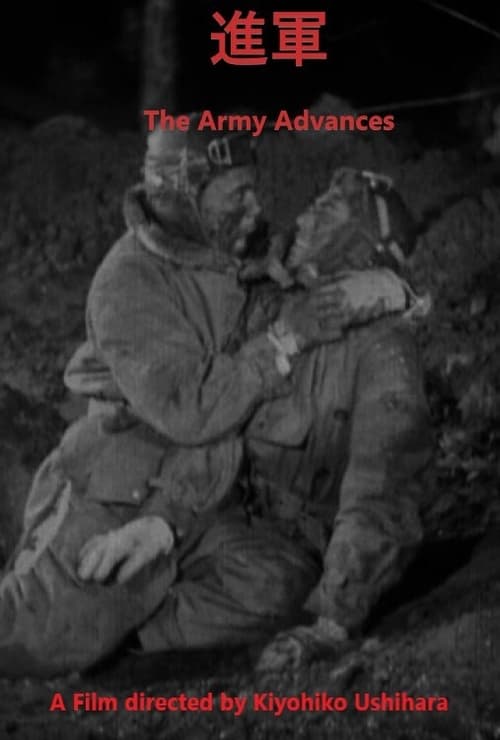
A farmer’s boy, obsessed with his balsa-and-paper flying models and with dreams of real aircraft, develops a friendship with the daughter of the local squire, who introduces the lad to her pilot brother and his flying officer friends; through hard work, and despite the handicap of a lowly class status, he eventually succeeds in qualifying as a pilot and joining the air force.
Marching On
Japanese silent film from 1929.
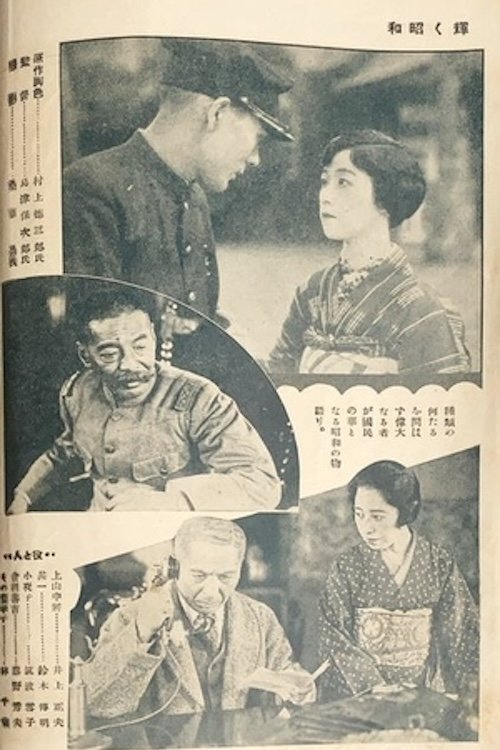
The Father and His Son
No description available.
The General, Staff and Soldiers

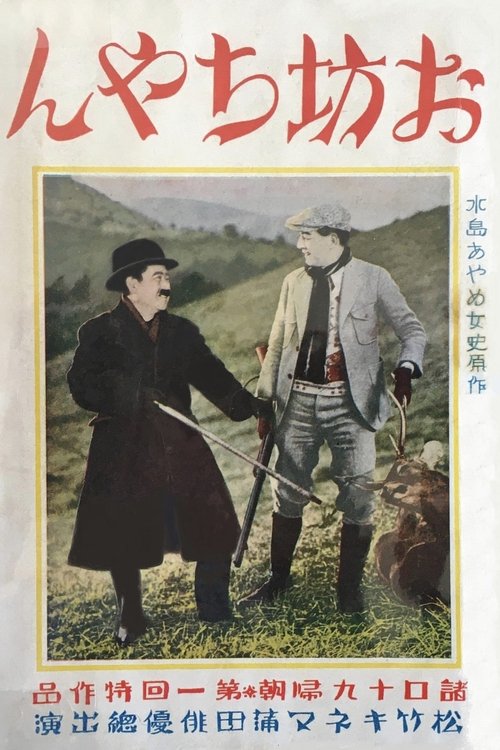
Japanese silent film from 1926. (Obo-chan meaning "Young Master.") Written by Ayame Mizushima, the first female screenwriter in Japan.
Young Master

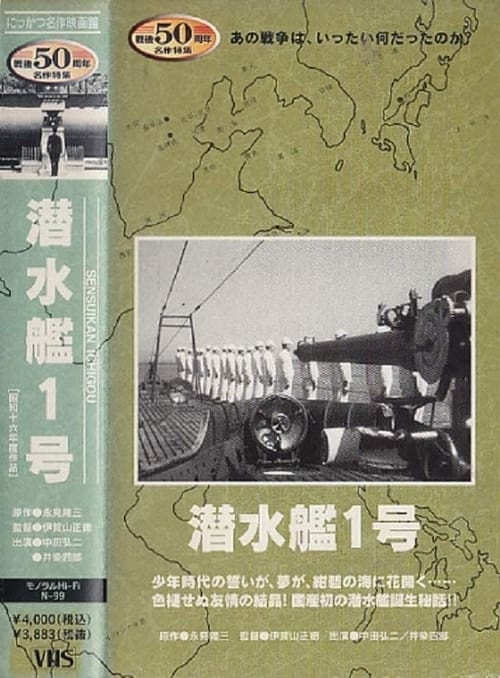
This film begins with a teacher describing to his students how brave the crew was which died as result of Japan's first submarine accident. The film then follows two of the pupils, one becomes a submarine captain and the other designs submarines.
Submarine Number One

No description available.
Umi mo yusha

An episodic film about life in and around a rural police station and the people it serves.
Nightingale

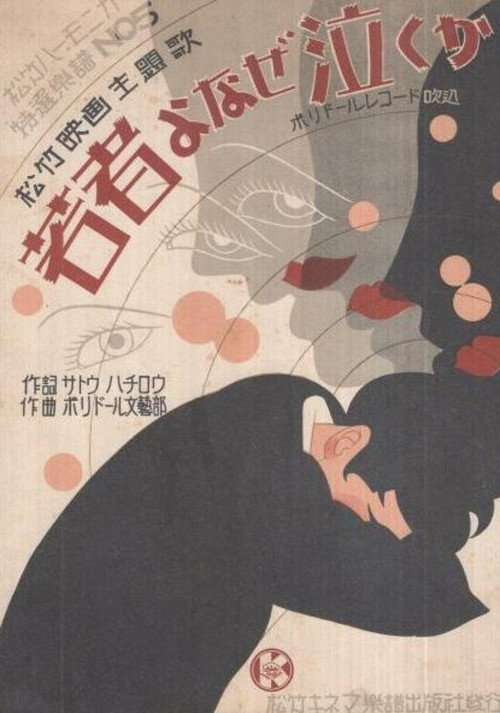
A modern girl suddenly intrudes into a widower's family home.
Youth, Why Do You Cry?
Japanese silent film from 1927.
Night is a Trickster
Japanese silent film from 1927.
The Basement
Japanese silent film from 1928.
Modern Warrior Training

The debut film of Hiroshi Shimizu is about a man who, while searching for his lost daughter, encounters a young woman and her mother who are also struggling.
Beyond The Pass
Japanese silent film from 1929.