FEEL IT.STREAM
Mario Camus

Mario Camus

Directing

Biography

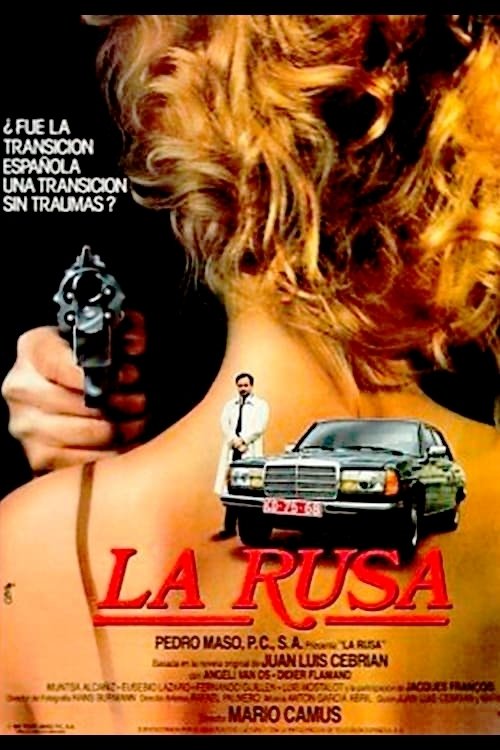
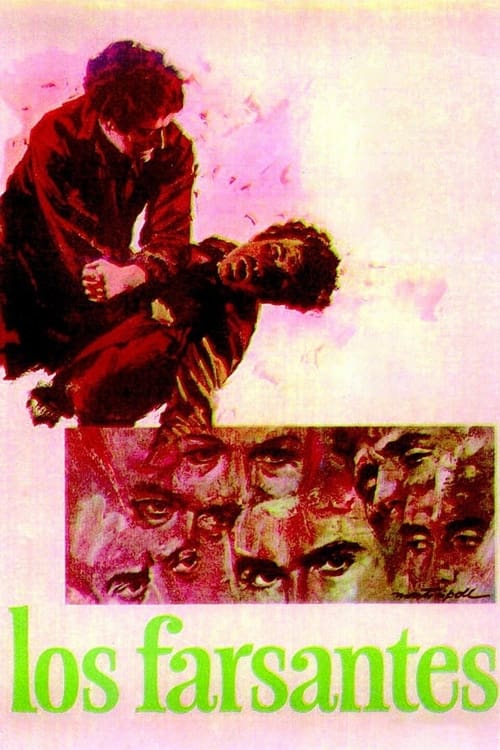
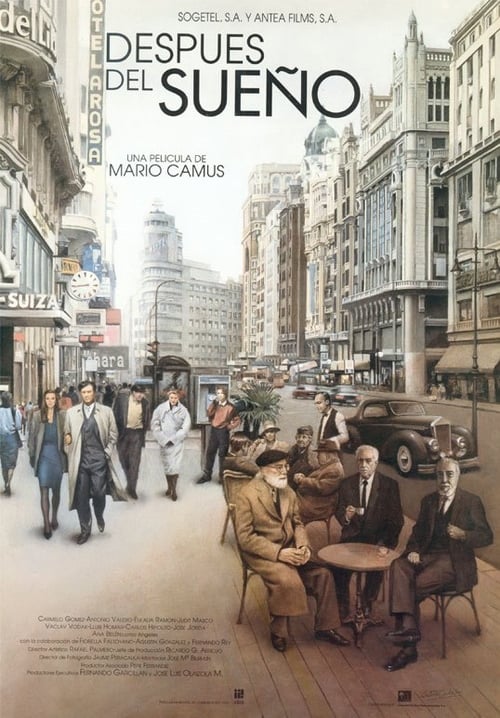
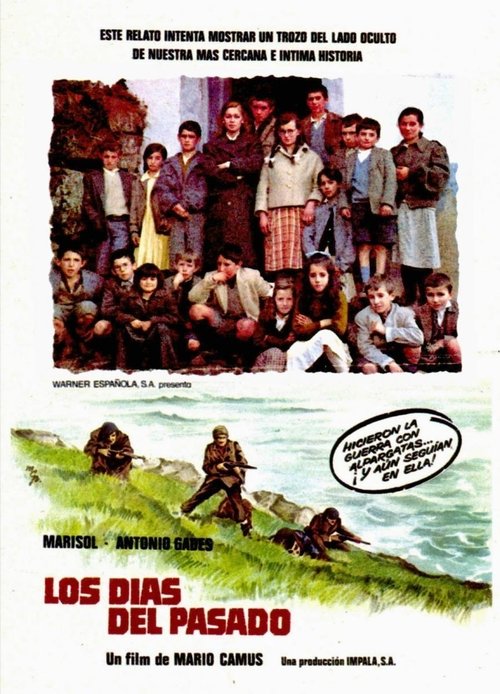
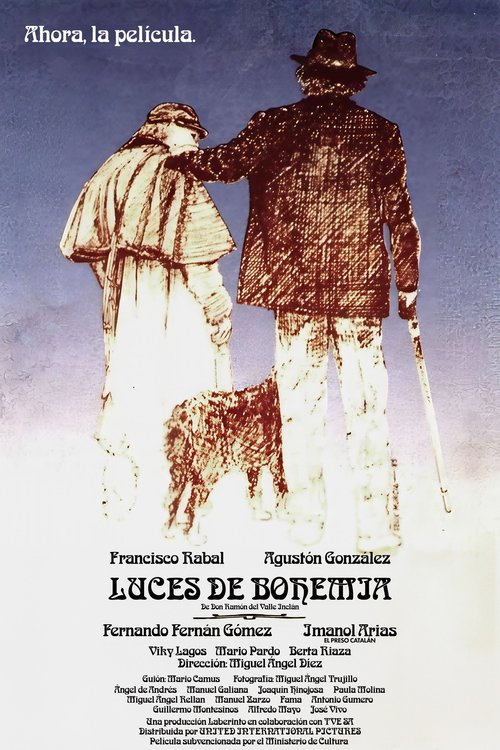
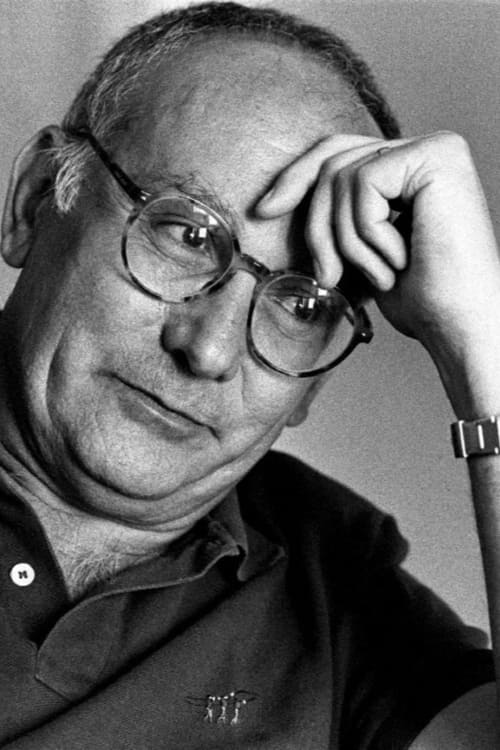
Camus started studying Law, but soon left his studies to enter the IIEC (now EOC) in 1956, where he got a director's diploma in 1963 with the training film El borracho (1962) and, finally, ended up as a professor. He worked with Carlos Saura in several screenplays during the early 60s (The Delinquents (1960), Llanto por un bandido (1964)), and also directed some shorts. His first feature films were Los farsantes (1963) and Young Sánchez (1964), a film about boxing -one of his passions- which won the Best Film Award at the Buenos Aires Film Festival in 1964. This way he started a three decade filmography full of great works, varying from romantic comedies and musicals to splendid adaptations from famous novels, as is the case of the prestigious TV series Fortunata y Jacinta (1980) or the film La colmena (1982), which won the Golden Bear Award at the Berlin Film Festival. In 1983 he was given the 'Medalla de Oro de las Bellas Artes' (Arts Gold Medal), and one year later he prepared his most successful work both with public and critic: The Holy Innocents (1984), an adaptation from the novel by Miguel Delibes. This film won the Best Actor Award for Francisco Rabal and Alfredo Landa (ex- aequo) at the Cannes Film Festival. It also won the 'Premio Nacional de Cinematografía' (National Cinematography Award) in 1985 and the 'Chevalier de l'Ordre des Arts des Lettres' Award in 1986. Camus's filmography combines films made with others with a more personal style, where he tells stories closer to him that let him go through less worn themes. That is the case of Con el viento solano (1966), Los pájaros de Baden-Baden (1975) or Los días del pasado (1977). In the 90s he continued working with great actors and telling dramatic stories made up from complex characters living rebel or broken lives, or entering other genres like noir. Examples of this stage are La rusa (1987), Después del sueño (1992), Sombras en una batalla (1993) and Adosados (1996), a film which won the International Critic Award. He was married to Concha Bergareche from 1961 - 2016, date of her death. They had 7 children. - IMDb Mini Biography By: Miguel Ángel Díaz González
Known For

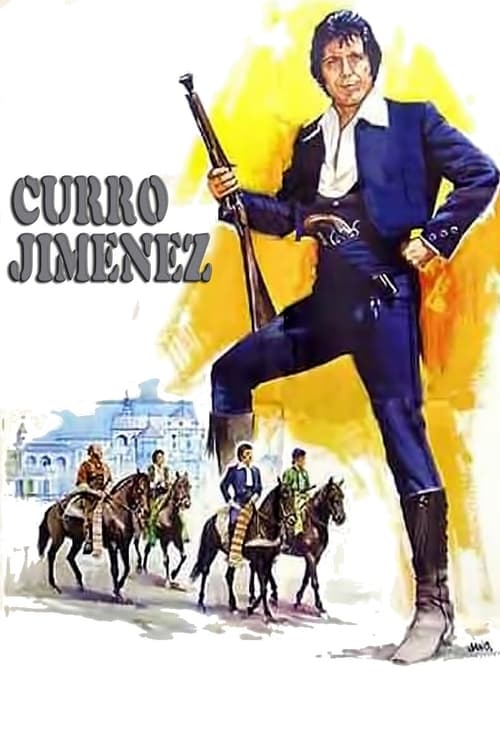
Curro Jiménez
7.3

Curro Jiménez was a successful Spanish TV series that aired on TVE1 from 22 December 1976 to 1979. Its main theme was Andalusian "bandolerismo" in the 19th century, located in the Ronda mountains. The main characters were four bandits, Curro Jiménez

Curro Jiménez

1976
Fortunata and Jacinta
6.7

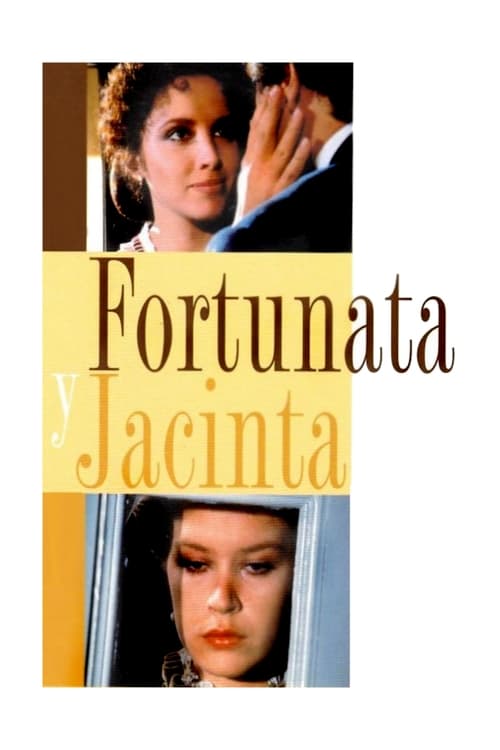
The aristocrat Juan de Santa Cruz meets Fortunata, a girl of humble origins, and a passionate love arises between them; but his mother decides to marry him to her niece Jacinta.

Fortunata and Jacinta

1980
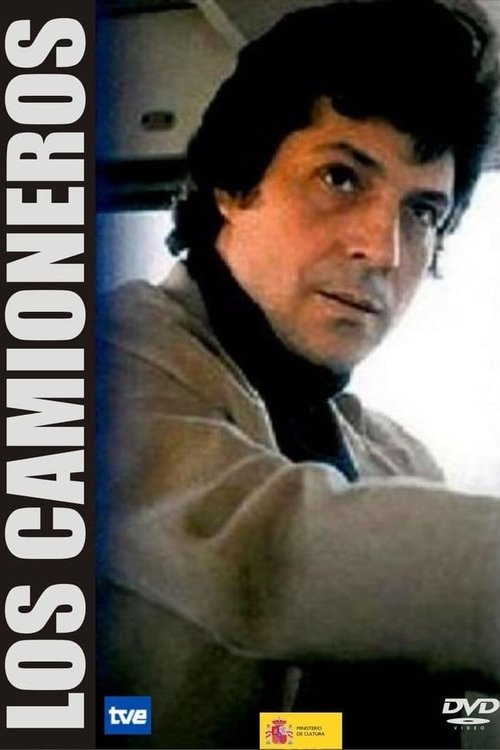
Los camioneros
6.5

No description available.

Los camioneros

1973
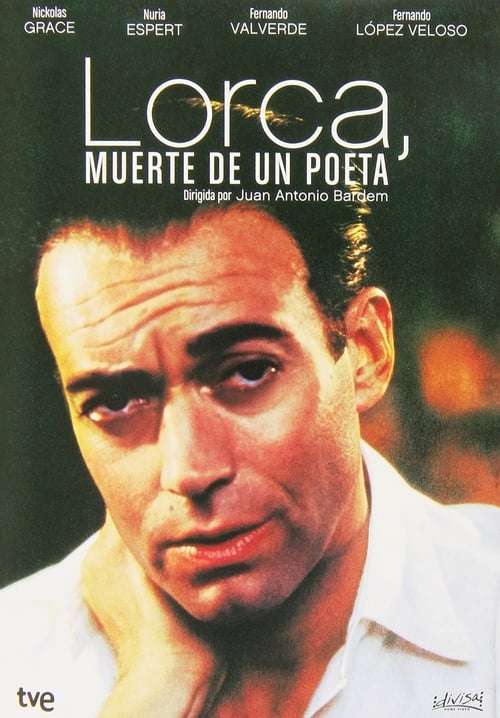
Lorca: Death of a Poet
5.1

Lorca, a great Spanish poet, playwright, and theatre director. García Lorca achieved international recognition as an emblematic member of the Generation of '27. He was executed by Nationalist forces at the beginning of the Spanish Civil War. Nickolas Grace gives a fabulous interpretation in the title role and he even bears a remarkable resemblance to Lorca.

Lorca: Death of a Poet

1987
Young Sánchez
6.2

Portrait of the life of an amateur boxer, who falls into the hands of a cruel manager while turning into professional.

Young Sánchez

1964
Los desastres de la guerra
7.0

The painter Francisco de Goya is witness to the disasters and horrors caused by the bloody resistance of the Spanish people to the French occupation during the Napoleonic wars.

Los desastres de la guerra

1983
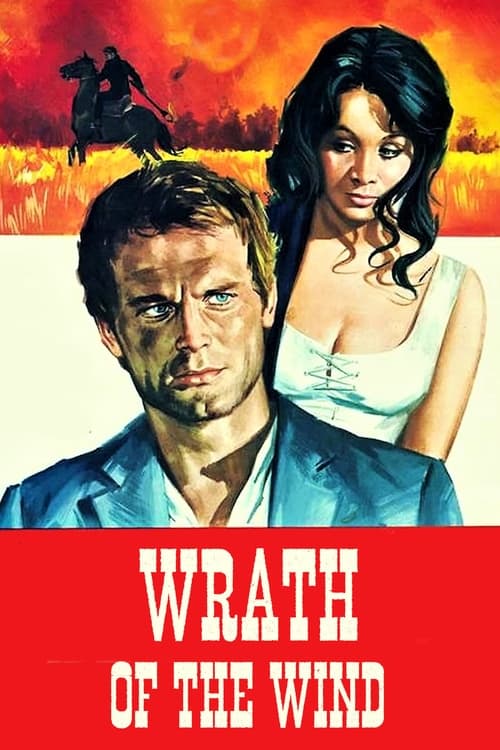
Wrath of the Wind
5.1

A mute gunslinger takes on an oppressive landlord in 19th century Valencia and falls in love with a local woman.

Wrath of the Wind

1970
Roma
6.4

Joaquín Góñez, a novelist in his sixties recalls his emotions, his wild years in Buenos Aires, the memories of old friends, the meaning of loyalty and the intimate relationship with his mother, Roma.

Roma

2004
Self Esteem
7.3

A woman married to a bank director sees how her life is destroyed in a matter of hours when the police discovers that her husband has escaped with money from the bank.

Self Esteem

1994
El prado de las estrellas
5.2

Alfonso is a retiree who visits Nanda, an elderly woman who was like his mother when he was orphaned, at a residence where Luisa, a young social worker, works. One morning, collecting snails in the Prado de las Estrellas, Alfonso meets a young man who emerges from the mist on his bike. Thereafter a friendship is born between the old master and the promising young cyclist. Alfonso, supported by his friends, without equipment or sponsors, will make a great champion from Martin, and most importantly, a great guy.

El prado de las estrellas

2008
Prince of Shadows
5.2

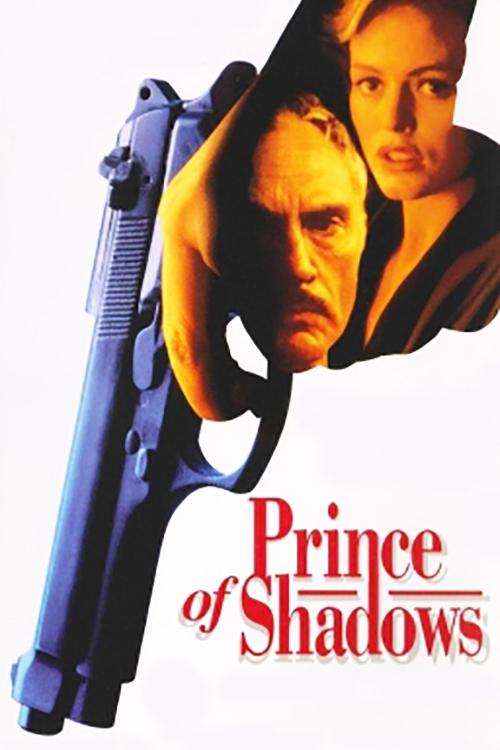
Madrid, 1962. More than twenty years after the civil war has finished, a communist comes back to Spain to kill a traitor.

Prince of Shadows

1991
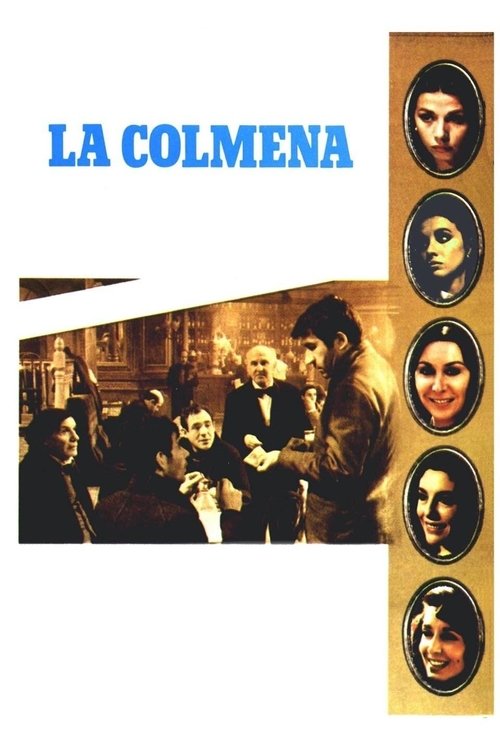
The Beehive
6.4

As in the novel of the same title from Camilo Jose Cela, "La Colmena" is a sad composition with the stories of many people in the Madrid of 1942, just the postwar of the spanish civil war. The main theme of the film is the contrast between the poets, surviving close to misery under the Franco's regime, and the winners of the war, the emerging class of the people that makes easy money with illegal business.

The Beehive

1982
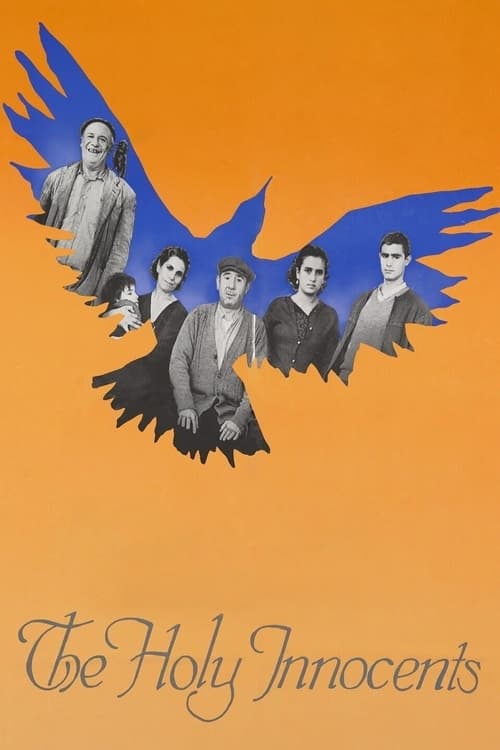
The Holy Innocents
7.8

In 60s Extremadura, Paco el Bajo and his relatives work during day in a farmhouse, and silently suffer submission to their masters, who exploit them and treat them almost like animals. Meanwhile, Paco dreams that one day his children will be able to study.

The Holy Innocents

1984
La Forja de un Rebelde
6.4

An autobiographical account that is also the history of Spain during the dark years of the first half of the twentieth century. Spanish writer Arturo Barea (1897-1957) narrates his childhood in Madrid, his harsh experiences in Morocco during the Rif War and his political commitment to the Republican side during the Spanish Civil War.

La Forja de un Rebelde

1990
No image
6.0

It's summer and Madrid is almost deserted. Elisa, a young bourgeois woman who is preparing her doctoral thesis, needs the services of a photographer to illustrate her work. She hires Pablo, a somewhat bohemian, strange, and solitary man who lives with his son. Despite an initial misunderstanding, they are mutually attracted to each other; thus begins a relationship that for her is nothing more than a summer romance, while for him it could be a story of love and salvation.

The Birds of Baden-Baden

1975
Suburbs
4.8

A young auditor live peacefully in a residential block consisting of identical townhouses. However, a purely casual visit to the veterinarian on duty with his dog, causes a chain of lies under which the auditor notices the hidden face of all his daily life, starting with the true meaning of the silence of his wife .

Suburbs

1996
La vuelta del Coyote
7.0

In the mid-19th century, California, a Mexican territory, became part of the United States. Faced with the possibility of being dispossessed of his land by the new authorities, Don César de Echagüe, a Spanish nobleman, asks his son César, a capricious and insufferable fop, for help.

La vuelta del Coyote

1998
When You Are Not Here
5.5

The film is slightly autobiographical, Raphael is trying to find fame and fortune as a popular singer in Spain until he teams up with an up and coming Spanish composer which helps him become a popular singer in Spain.

When You Are Not Here

1966
Muere una mujer
6.5

A salesman discovers that his wife has died under strange circumstances. Examining these circumstances, it becomes obvious to him that they were mainly caused by himself.

Muere una mujer

1964
La leyenda del alcalde de Zalamea
8.5

No description available.

La leyenda del alcalde de Zalamea

1973