Nikolai Rimsky-Korsakov
Sound
Biography
Nikolai Andreyevich Rimsky-Korsakov (18 March 1844 – 21 June 1908) was a Russian composer, a member of the group of composers known as The Five. His best-known orchestral compositions—Capriccio Espagnol, the Russian Easter Festival Overture, and the symphonic suite Scheherazade—are staples of the classical music repertoire, along with suites and excerpts from some of his fifteen operas. Scheherazade is an example of his frequent use of fairy-tale and folk subjects.
Known For

A slapstick fantasy of the amorous adventures of a magician a la Cantinflas.
El Mago

Troubled and alone, a boxer moves in with his long-lost mother and autistic pianist brother — but must fit in with a family he hasn't known for years.
Keys to the Heart

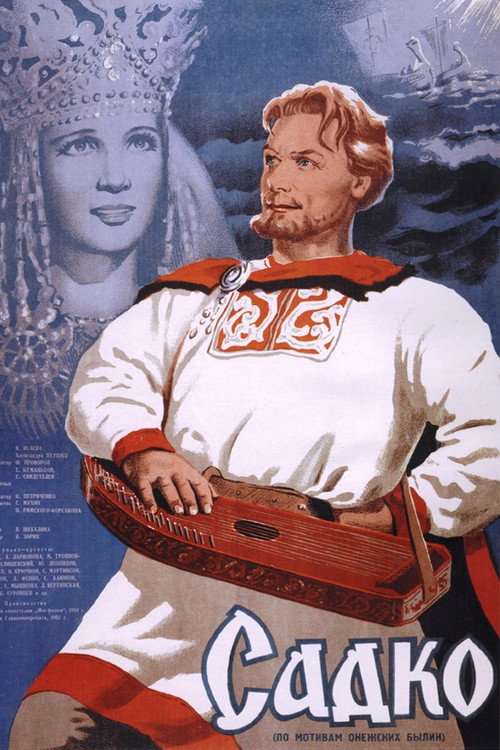
Based on an opera by Nikolai Rimsky-Korsakov, which was based on a Russian epic tale of the same name. In the old Russian city of Novgorod, the merchants are feasting in a gorgeous palace and Sadko is bragging that he can bring to their land a sweet-voiced bird of happiness. They laugh at him, but he is offered help by the Ocean King's daughter, who is mesmerized by Sadko's singing and is in love with him. The hero is destined to visit many lands in his search of the bird.
Sadko

Talented cabbie with aspirations as a singer spends afterhours practicing with an amateur opera company, ignoring his sweetheart, the femme cab dispatcher.
Musical Story
No description available.
Hudební perličky Pavla Šporcla

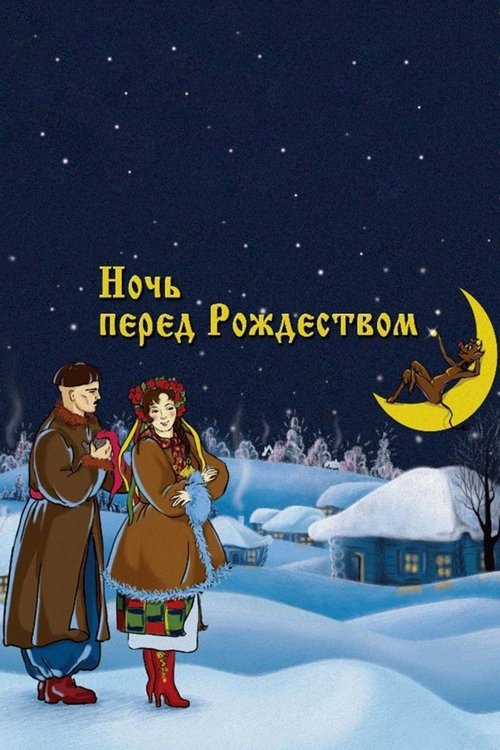
Based on the work of Nikolay Gogol. Handsome blacksmith Vakula who fell in love with village beauty, Oksana, is ready to do anything for her liking. Even to fly on the devil's back to Saint-Petersburg and ask the Empress for the slippers that he can present his sweetheart.
The Night Before Christmas

The son of an obstinate mayor cannot get his father's consent to wed the beautiful Hanna. He receives unexpected assistance from evil, mysterious forces – Satan, witches, and rusalki – who work together to bring the couple happiness, bringing mayhem and celebration.
May Night, or the Drowned Maiden

The story is based on the legend of the Invisible City of Kitezh, which disappears under the waters of a lake to escape an attack by the Mongols.
The Battle of Kerzhenets

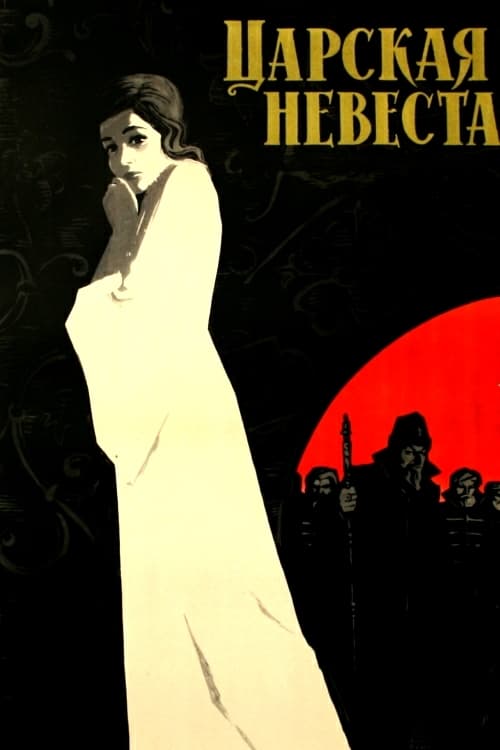
Filmed adaptation of Rimsky-Korsakov's opera.
The Tsar's Bride

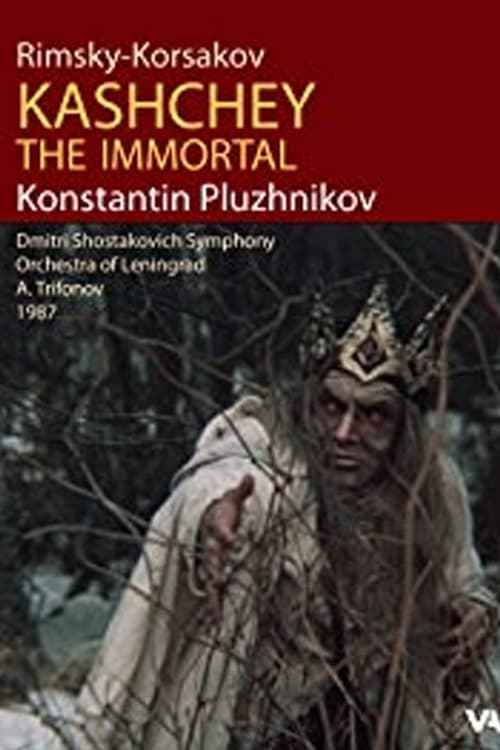
Film version of Rimsky-Korsakov's opera.
Kashchei The Immortal

Venetian merchant Marco Polo travels to the East and the court of Kublai Khan who makes him an emissary and sends him on diplomatic missions throughout his empire. Over many years, Polo learns new cultures and languages, but he is haunted by the face of a mysterious woman whom he had met before leaving Venice and encounters her face in every woman he sees. Eventually returning to Venice to share his exotic and esoteric knowledge, Marco Polo once again finds the woman of his dreams. The Adventures of Marco Polo was an original, live television musical which was broadcast on NBC on April 14, 1956.
The Adventures of Marco Polo

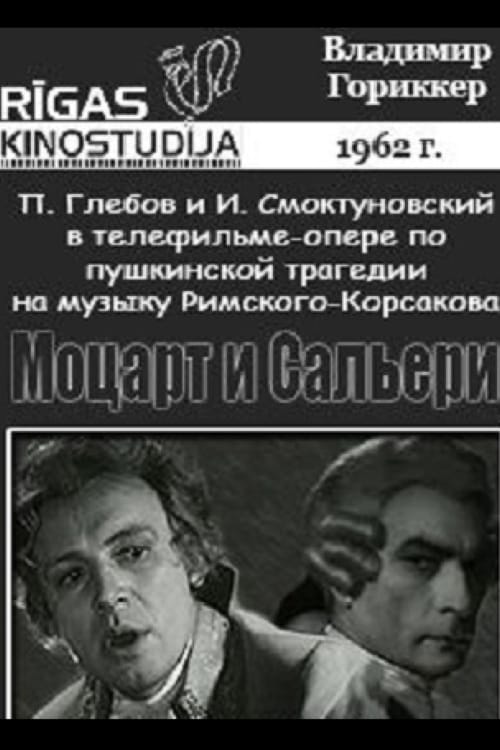
Film version of the Rimsky Korsakov opera from the Pushkin story. Motsart i Salyeri (Mozart and Salieri), based on a legend that Salieri poisoned Mozart, meditates on the nature of creativity while introducing, in brilliantly compressed speeches, what was to be one of the important Russian themes—metaphysical rebellion against God.
Mozart and Salieri

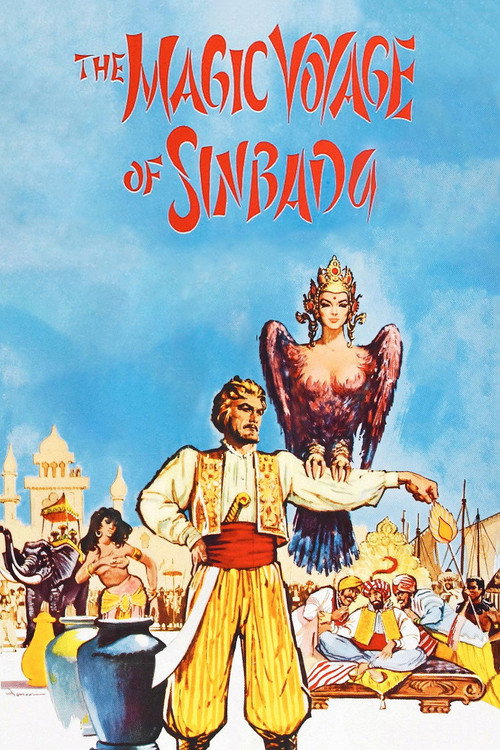
American-dubbed, re-edited version of the 1953 Soviet fantasy film Sadko. Produced by Roger Corman's Filmgroup in 1962, it's shorter by 8 minutes, all music is removed, the names of characters are changed.
The Magic Voyage of Sinbad

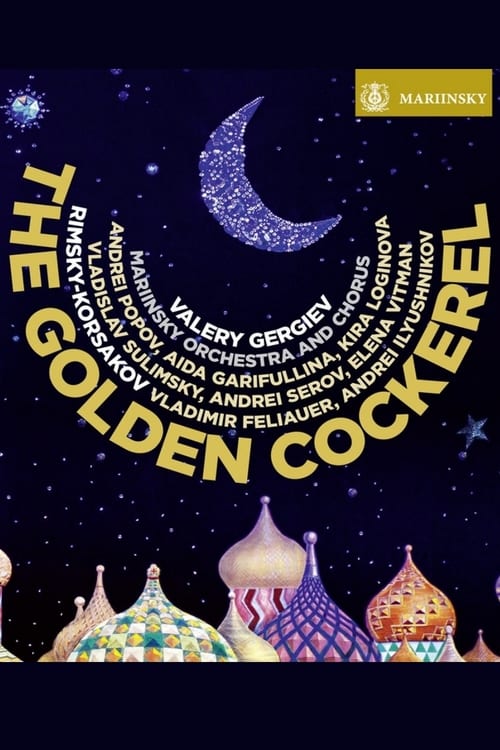
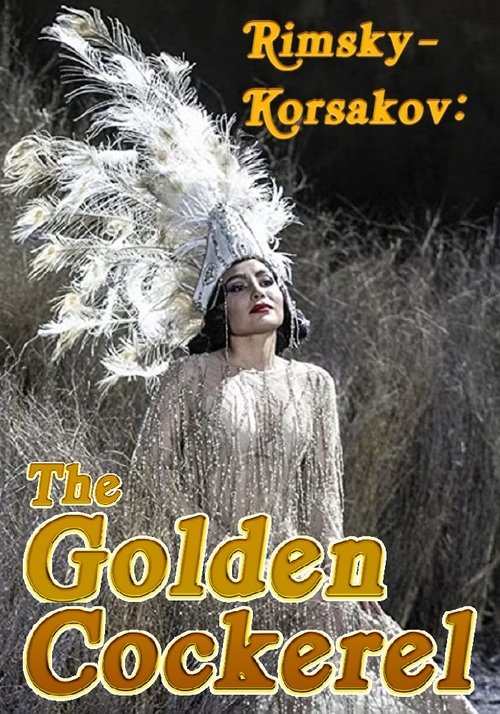
Pushkin folk tale as comedic opera whose sultry elements expand an Oriental influence. Korsakov portrays the story of Tsar Nicholas II, punished for his cowardice and despotism, using satire to condemn Russia's autocratic ruler.
Rimsky-Korsakov: The Golden Cockerel

Nikolai Rimsky-Korsakov's dazzling opera by-line in seven tableaux. The epic journey of Sadko a sea-faring minstrel from Novgorod, his wife Libava and their encounters with Volkhova, a sea Princess and the court of her parents the Tsar and Tsarina of the Sea. Sadko traveling on his ship "Falcon" also meets visiting foreign merchants from India (a Hindu), Scandinavia (a Varangian) and Italy (a Venetian) singing of the magic of their own lands to try and lure him. In the seventh tableaux Sadko is reunited with his wife, thinking his journey a dream, until he sees his fleet of ships coming up the newly created river Volkhova and realizes his sea Princess has transformed herself into the river in order to create the gateway to the ocean for Novgorod. In conclusion Sadko leads the hymn of praise and everyone rejoices their good fortune.
Sadko

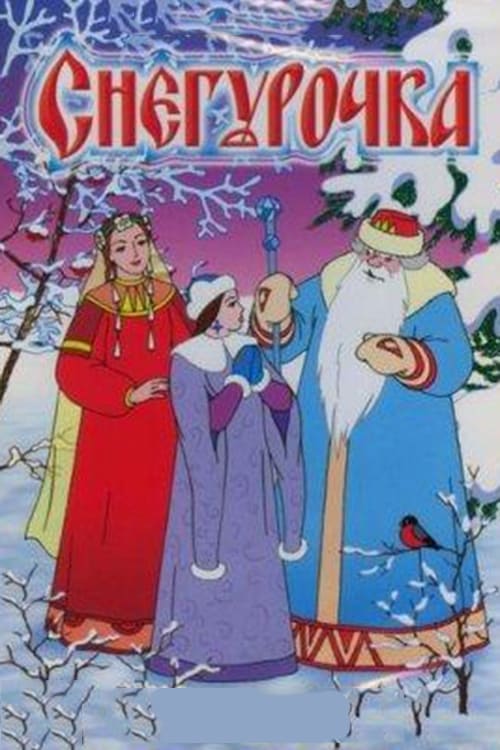
The tale about a girl with a cold heart who is dying in agony because of joy and love.
The Snow Maiden

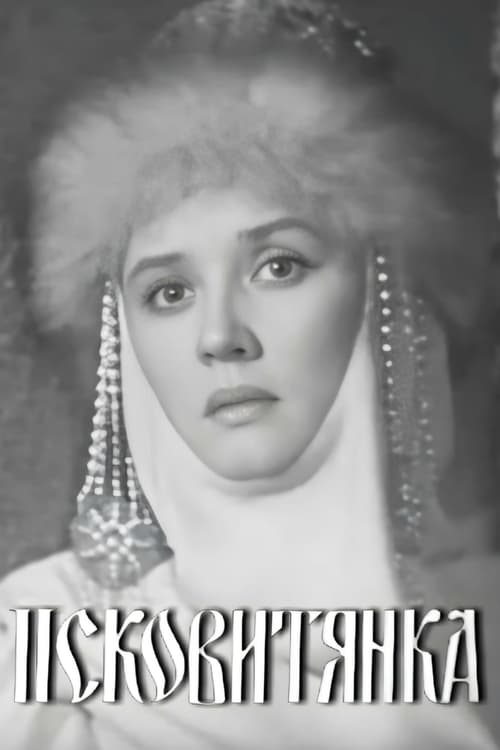
Based on the opera of the same name by N. Rimsky-Korsakov and the drama by L. May.
The Maid of Pskov

Opera lies at the heart of Rimsky-Korsakov's colourful idiom, but performances are few and far between; this realisation of his penultimate and grandest stage work is a very rare and special experience. Kitezh is known as "the Russian Parsifal", which encapsulates its mystical flavour and steady unfolding of a legend of redemption
The Legend of the Invisible City of Kitezh

This musical film explores the origins of Russian opera at the Kirov Theatre and a deep commitment to the finest traditions of the operatic art.
It's Time for the Opera

Performances of three well-know compositions. An orchestra plays Flight of the Bumblebee. Carlos Ramírez sings The Donkey Serenade with a boy on penny whistle. Finally, Ramírez and Lucille Norman sing lyrics to Tales from the Vienna Woods. (This film appears in its entirety within MGM's short feature, "The Great Morgan")