Writing
Political talk show on current topics presented by Maybrit Illner.
No description available.
The Bambi, often called the Bambi Award and stylised as BAMBI, is a German award presented annually by Hubert Burda Media to recognize excellence in international media and television to personalities in the media, arts, culture, sports, and other fields "with vision and creativity who affected and inspired the German public that year", both domestic and foreign. First held in 1948, it is the oldest media award in Germany. The trophy is named after Felix Salten's book Bambi, A Life in the Woods and its statuettes are in the shape of the novel's titular fawn character. They were originally made of porcelain until 1958, when the organizers switched to using gold, with the casting done by the art casting workshop of Ernst Strassacker in Süßen.
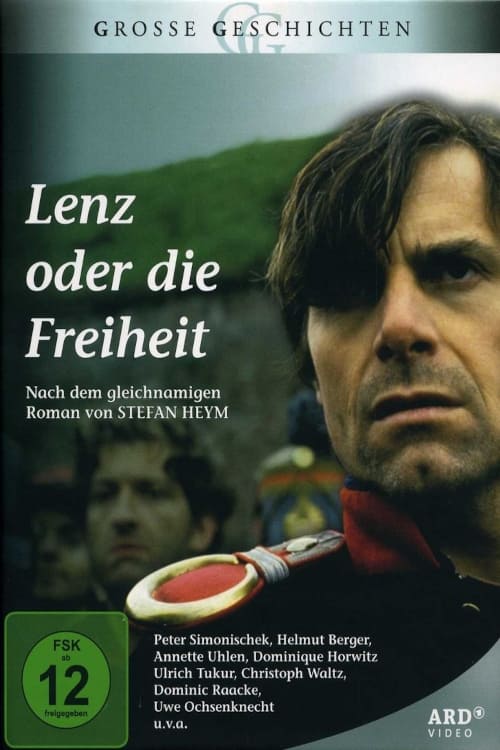
The first German Revolution did not break out in Berlin in 1848, but in the state of Baden. Little is known about the reasons why the Baden Revolution and its seemingly within-reach dream of unity, freedom, and democracy ultimately failed to come to fruition. The desperate struggle of the Baden folk hero and poet of freedom, Andreas Lenz, clearly shows the difficulties of implementing profound changes in a society.
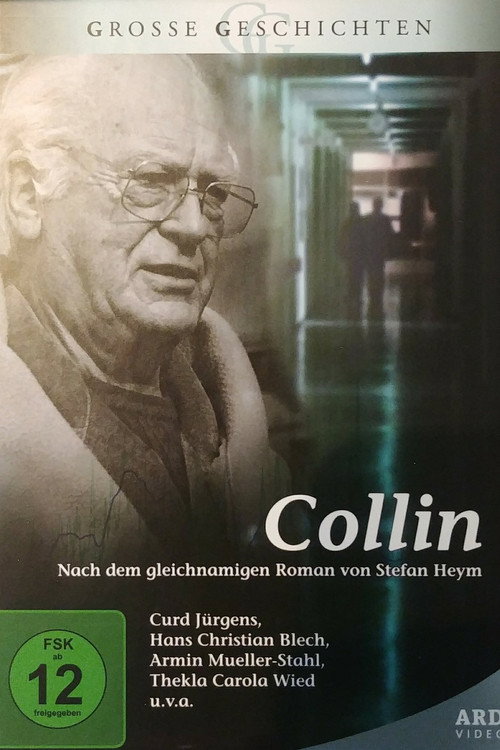
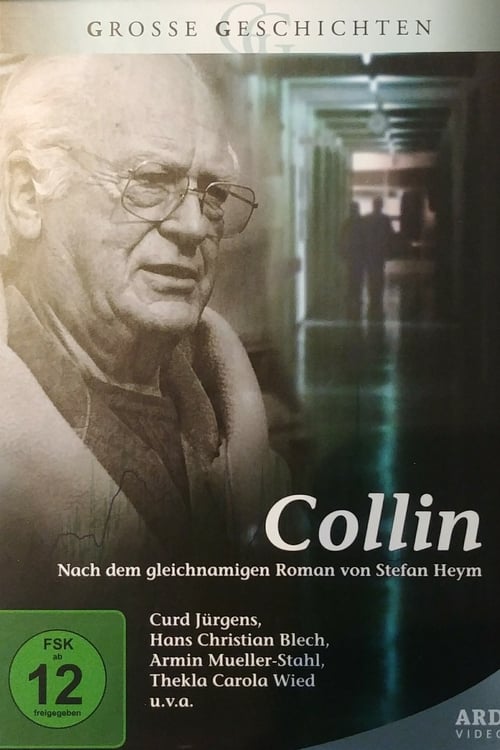
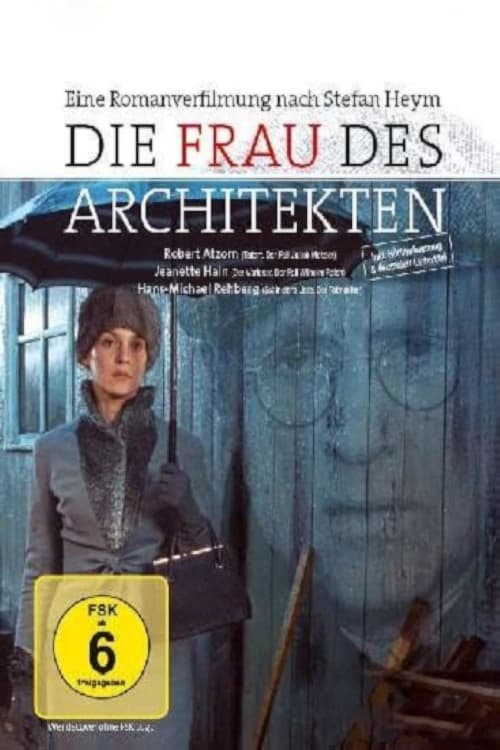
East Germany, late 1970s. At an East Berlin clinic reserved for high-ranking officials, two men meet who have only one thing in common: both suffer from heart disease and are terminally ill.
From an official perspective, marginal youth culture did not exist in East Germany. The topic of subcultures was taboo in the GDR, and groups such as goths, skinheads, anti-skins, punks and neo-Nazis were dismissed as social deviations promoted by western countries. Director Roland Steiner had access to such young East Germans in the late 1980s. Over the course of four years, he brought them before the camera in an attempt to understand what drew them to these groups.
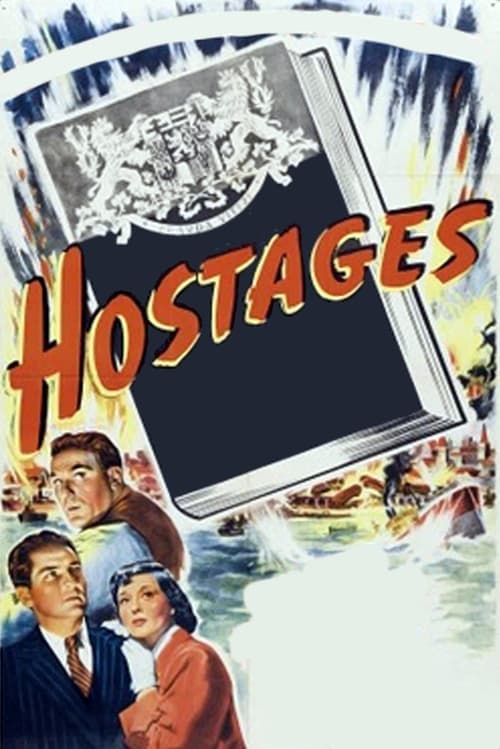
After the mysterious disappearance of a German soldier from a Prague cafe, the staff and customers are held captive by the Nazis accused of murder and collusion with the Czech resistance.