Franco Lucentini
Writing
Biography
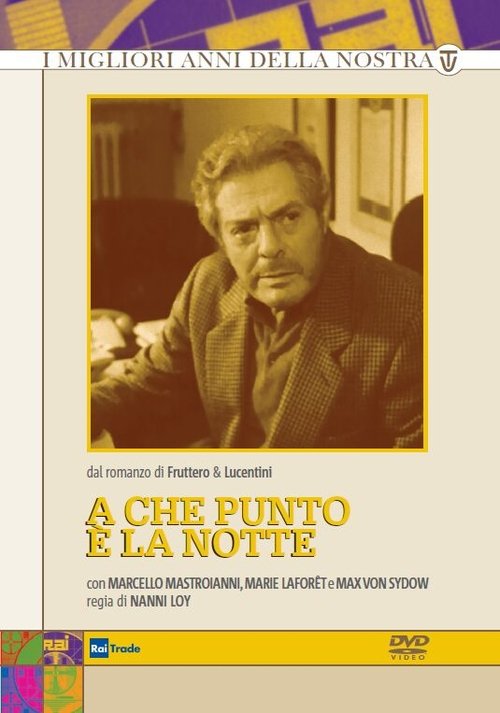
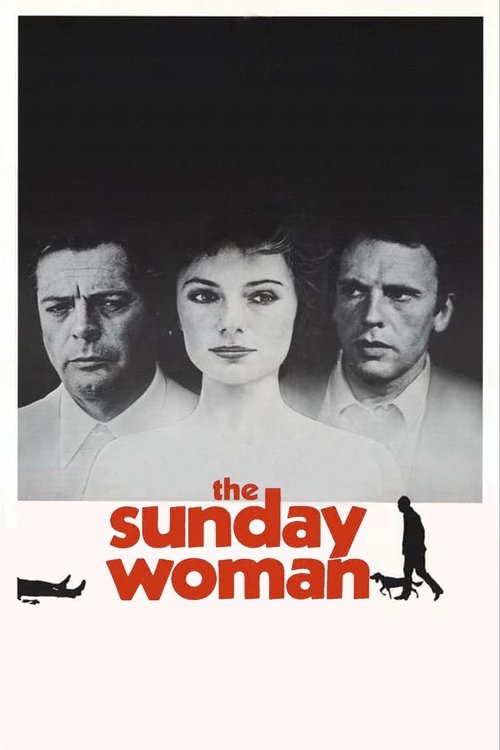
Franco Lucentini (24 December 1920 – 5 August 2002) was an Italian writer, journalist, translator and editor of anthologies. Born in Rome on 24 December 1920 to Emma Marzi and Venanzio Lucentini, a miller from the village of Visso, in the Marche region, and later the owner of a bakery in Rome. While studying Philosophy at the University of Rome, Lucentini was one of the organizers of a practical joke against the fascist regime: on May 5, 1941 he and a friend distributed among other students paper streamers. When unrolled during a public meeting, they revealed writings such as "Down with the war!", "Down with Hitler!" and "Long live freedom!". Lucentini was arrested and spent two months in prison. Lucentini graduated in February 1943. Drafted into military service later that year, he was refused admission to officer candidate school on account of his anti-fascist activities. After the Armistice, the Allied armed forces put his writing skills to use, hiring him as a junior editor for the "United Nations News" press agency in Naples. After the war, Lucentini worked in Rome for ANSA news agency; later, while associated with ONA news agency, he spent time in Prague and Vienna. The atmosphere of postwar Vienna provided the inspiration for his novella I compagni sconosciuti. After a brief time again in Rome, in 1949 he left for Paris where he was employed in several jobs (deliveryman, teacher, masseur). While in Paris, he first met the two most important people in his life: Simone Benne Darses, 12 years older than he was, who would become his lifetime partner and, in 1952, Carlo Fruttero, with whom a lifelong literary collaboration began in 1957, when Lucentini moved to Turin, where both of them worked for the Einaudi publishing house. Lucentini frequently traveled to Paris on scouting assignments for Einaudi looking for new authors and titles to bring to Italy. He introduced Italian readers to the works of Jorge Luis Borges, whose works he also translated from Spanish into Italian. Lucentini also translated several foreign books for Einaudi from many different languages including Chinese and Japanese. As a highly successful and appreciated literary team, Fruttero & Lucentini wrote books and worked in publishing, directing book series and magazines (Il Mago, Urania), and editing fiction anthologies, for the Einaudi publishing house and, from 1961, for Mondadori. In 1972 Lucentini and Fruttero began writing for the Turin-based daily La Stampa (then directed by Alberto Ronchey), writing the column "L'Agenda di F. & L.", commenting with humour and irony on current facts; they also wrote for L'Espresso and Epoca. The duo's first book was the poetry collection L'idraulico non verrà, in 1971. But their breakthrough work was the critically acclaimed crime novel La donna della domenica (1972), set in Turin. The novel was eventually made into a film of the same title, starring Marcello Mastroianni, Jacqueline Bisset and Jean-Louis Trintignant and directed by Luigi Comencini. Their next novel, A che punto è la notte (1979), shared the same protagonist, the commissioner Santamaria. In the following decades, Lucentini and Fruttero co-authored several more novels and non-fiction books, and "F&L" became a known and appreciated quasi-trademark. Source: Article "Franco Lucentini" from Wikipedia in English, licensed under CC-BY-SA 3.0.