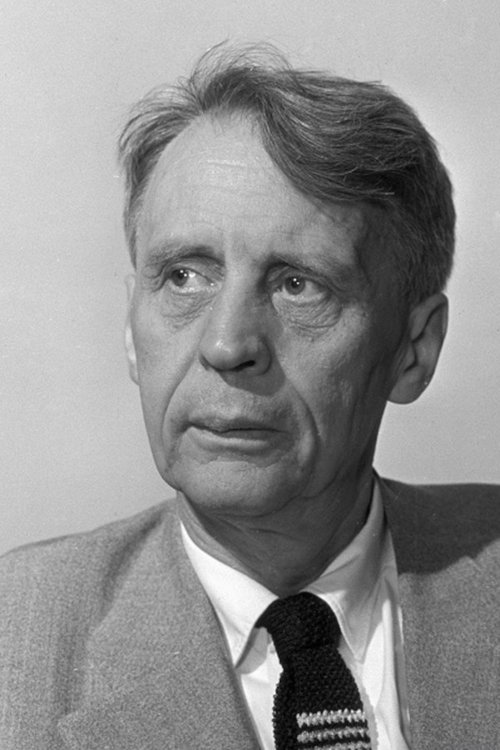
Ivan Pyryev
Directing
Biography
Ivan Aleksandrovich Pyryev (17 November 1901 – 7 February 1968) was a Soviet-Russian film director and screenwriter remembered as the high priest of Stalinist cinema. He was awarded six Stalin Prizes (1941, 1942, 1946, 1946, 1948, 1951), served as Director of the Mosfilm studios (1954–57) and was, for a time, the most influential man in the Soviet motion picture industry. Pyryev was born in Kamen-na-Obi, in the Tomsk Governorate of the Russian Empire (now Altai Krai, Russia). His early career included acting on stage directed by Vsevolod Meyerhold in The Forest and by Sergei Eisenstein in the Proletcult Theatre production The Mexican. Pyryev also acted in Eisenstein's first short film Glumov's Diary. Pyryev's early career included production jobs behind the camera, such as work for director Yuri Tarich. He débuted as a director in the age of silent film, with Strange Woman (1929). During the 1930s and 1940s Pyryev rivaled Grigori Aleksandrov as the country's most successful director of musical comedies, all of which starred his wife Marina Ladynina. Even during wartime, when the Soviet film industry had been evacuated to Alma-Ata, Pyryev made popular and light-hearted features. In Six O'Clock after the War is Over the Romantic characters (played by Ladynina and Yevgeny Samoilov), when separated by war, arrange a date at 6 PM on the Victory Day, and the victory celebrations are shown towards the end of the film (which was released in November 1944).
Known For
No description available.
Legends of Cinema
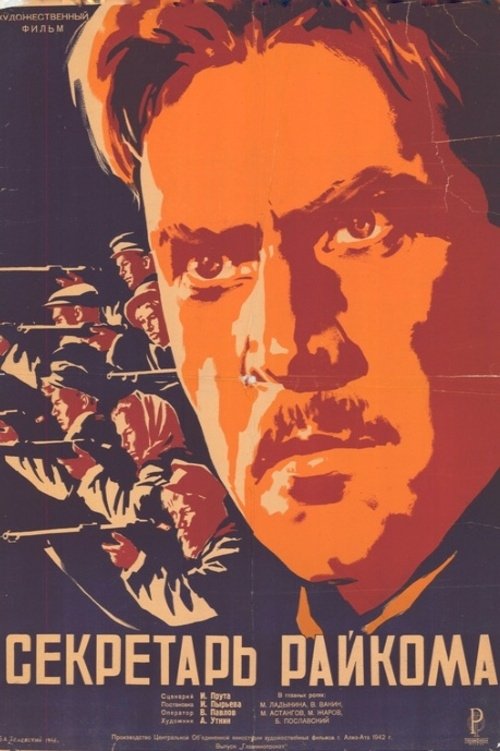
A story about a Secretary of the Communist Party District Committee who is leading partisans in their fight with the Nazis during WWII.
The District Secretary
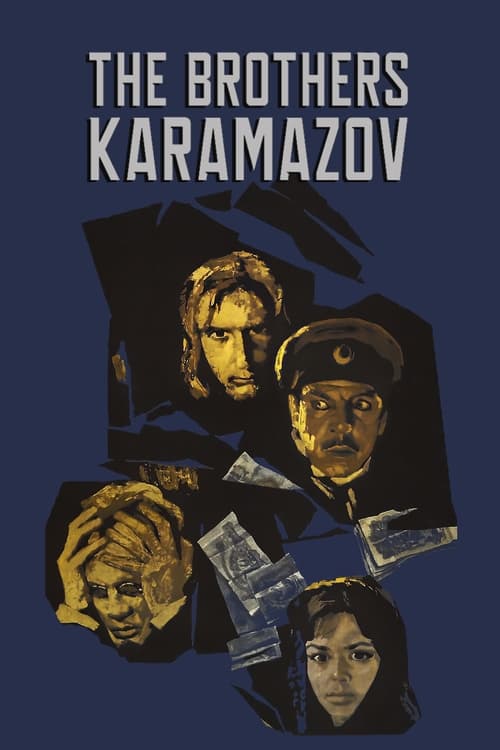
Based on the novel of the same name by Fyodor Dostoevsky. The tragic story of the Karamazov family takes place in a Russian province in the late 19th century. The relations of their father and three brothers are very complicated and contradictory. One of the brothers is accused of killing his father, whom he did not commit. The brothers are unable to help him, and only a loving girl follows him to hard labour.
The Brothers Karamazov
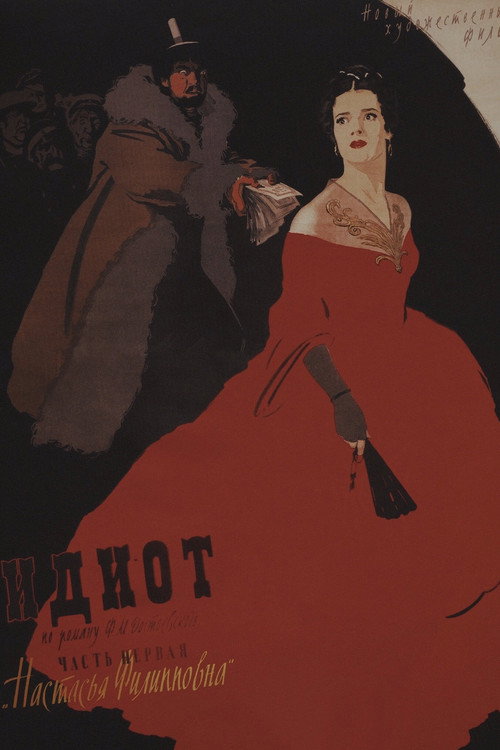
Prince Myshkin returns to Russia from Switzerland, where he was treated in a psychiatric clinic. On the train, on the way to St. Petersburg, the prince meets Parfyon Rogozhin, who tells him of his passionate love for Nastasya Filippovna, the former containment woman of the millionaire Totsky. In St. Petersburg, the prince finds himself in the house of his distant relative – Lizaveta Yepanchina (General's wife), meets her husband, their daughters, as well as the Secretary of General – Ganya Ivolgin. The portrait of Nastasya Filippovna, accidentally seen on the general’s table, makes a great impression on the prince...
The Idiot

This is the very first silent slapstick comedy short about adventures of Worldly, Coward, and Fool. What's more fun: fishing with worms, or dynamite? Three friends decided to have a blast! Unfortunately their dog Barbos just loves playing fetch. And this time that stick was used for blast fishing. Barbos saw people throwing a smoking stick in a water, and fetched it right back to his owners. The "unusual cross" part begins when owners try to outrun the dog with dynamite.
Dog Barbos and Unusual Cross
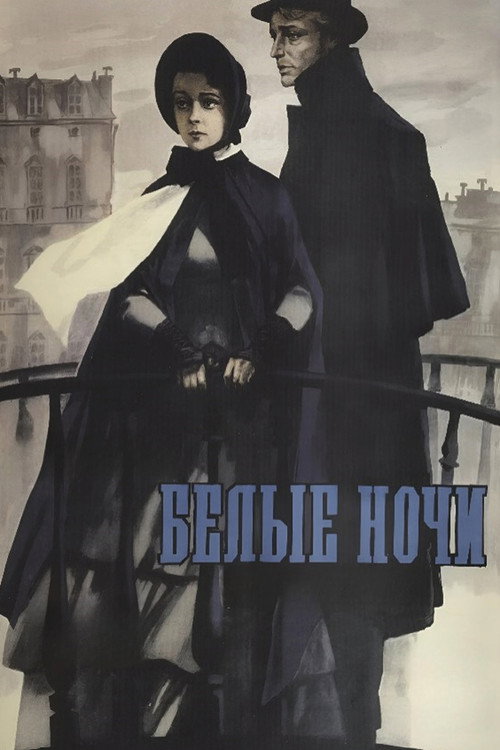
Based on the short story of the same name by Fyodor Dostoyevsky, it is about a young man living in Saint Petersburg who suffers from loneliness. He gets to know and falls in love with a young woman, but the love remains unrequited as the woman misses her lover, with whom she is finally reunited.
White Nights

An interesting voyage through the Soviet television and film industry.
Sovershenno seryozno
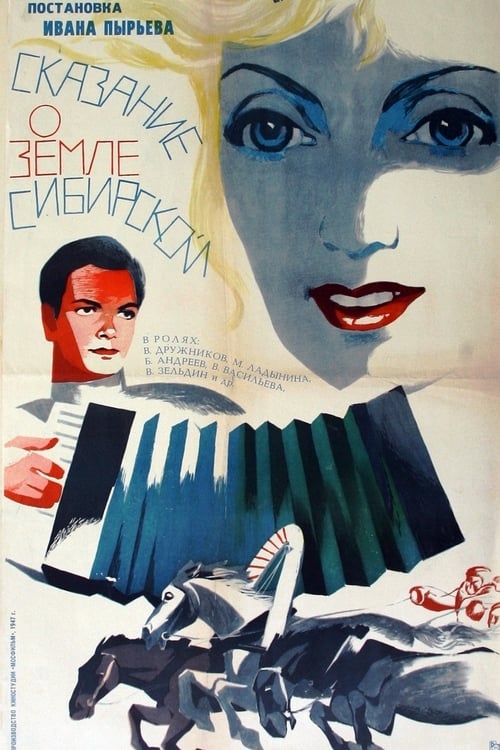
His right hand having been wounded during the war, concert pianist Andrei Balashov is unable to perform his art. As a result, the young man feels so depressed that he considers his life wasted. One day, he decides to leave the capital and flee from the woman he loves, Natasha, a rising singing star. Andrei takes refuge in Siberia, his native land. Once there, he gets a job in a sawmill, where he entertains his fellow-workers playing the accordion during leisure hours. Some time later, Natasha and her company are expected in America where they are to do a tour. But an airplane breakdown forces the pilot to land next to the village in which Andrei lives and works...
Tale of the Siberian Land
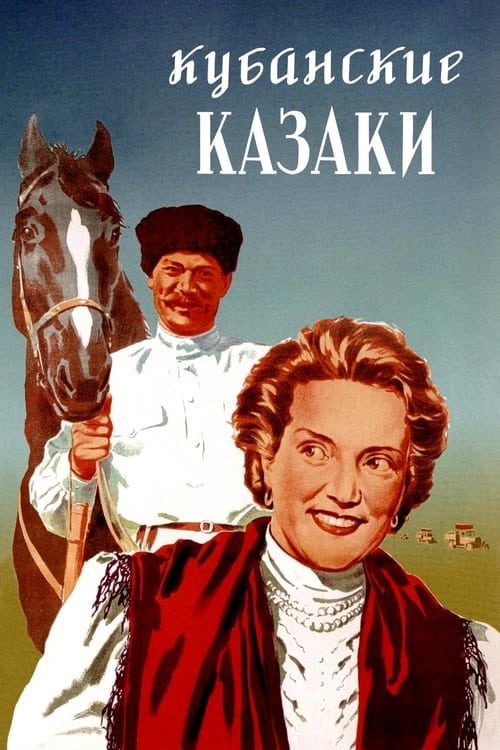
In the steppes of the Kuban love is born on two collective farms while wheat is (enthusiastically) gathered. Galina, the energetic chairwoman of one of the two kolkhozes, vies with her male counterpart for the best harvest. At the same time Gordey, her rival, a former soldier, is (and has been for ages) in love with her. On her part, Dasha a collective farm worker, has heartbeat for a young technician of the competing kolkhoz...
Cossacks of the Kuban
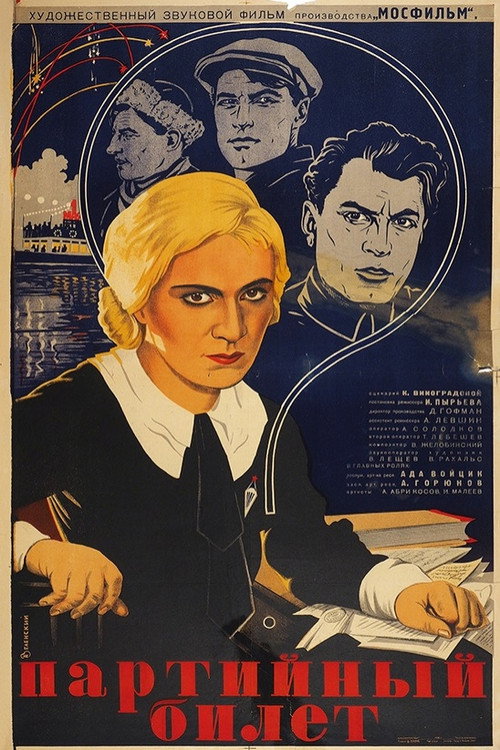
Yasha, who likes Anna, accomodates siberian Pavel Kuganov, which later becomes a class-conscious worker in a factory. Anna refuses Yasha's offer of marriage and he therefore runs off to Siberia. After Pavel is hailed as a hero because he survives a fire accident in factory (which is in fact effect of his sabotage), Anna marries him. Pavel then becomes a reckless communist careerist, but only on surface. In fact, he is a traitor of the country and a spy, and gives Anna's party ID card to anti-communist movement. In spite of that, Anna is expelled from the communist party. Yasha returns from Siberia, only to find her love Anna desperate. They reveal the truth about Pavel (that he is a kulak who killed a kolchoz co-op leader), which means an end for Pavel.
Anna
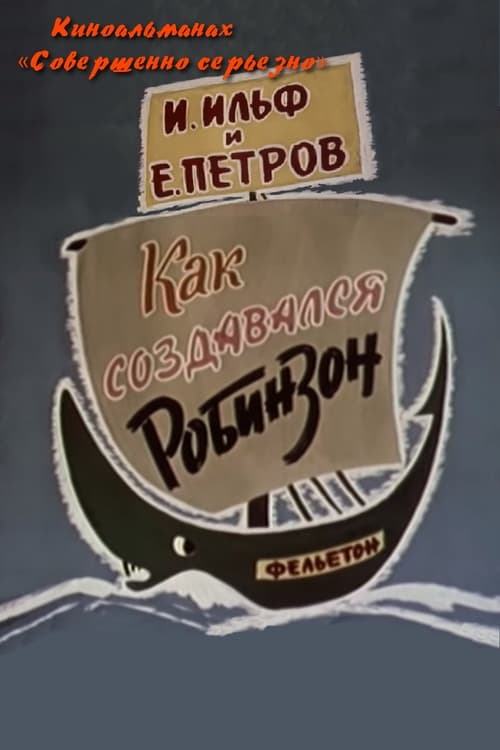
The film is based on the feuilleton of the same name by I. Ilf and E. Petrov. A writer named Moldovantsev delivers a thrilling Soviet‐style Robinson Crusoe adventure on deadline, only to have his editor insist on adding a local party chairman, freed ex‐members, an activist collector, a housing committee and even a meeting table, bell and ledger washed ashore. Reluctantly he complies, so far that he jettisons Robinson himself as an unjustified weakling, transforming his novel into an absurd manifesto of bureaucratic excess.
How Robinson Was Created
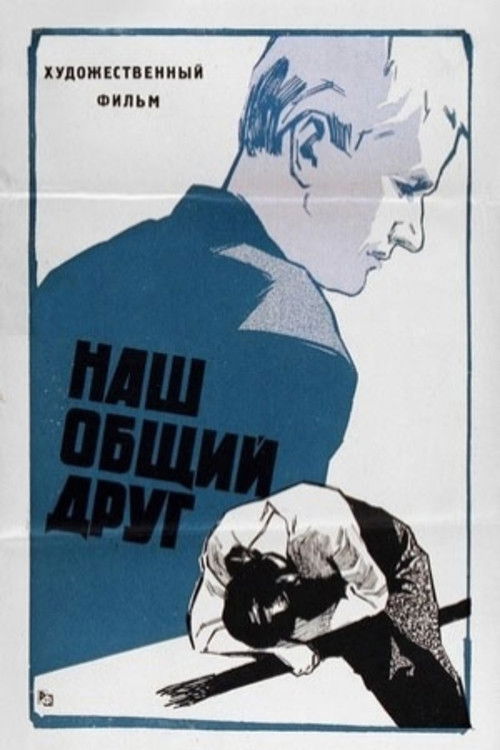
A young milkmaid Liza becomes an outcast of society in one of the Kuban collective farms. An honest and hardworking girl finds protection from the brave and sensitive party organizer Prokhor, who stood up for her.
Our Mutual Friend
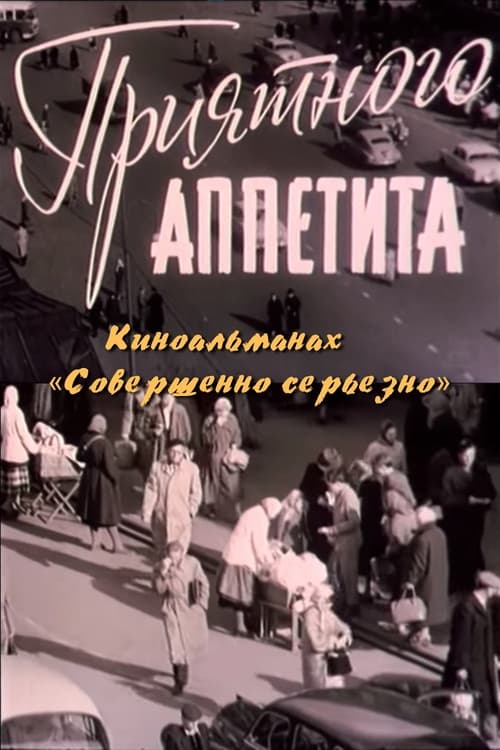
The cafe is almost empty. A customer tries in vain to choose a meal to his liking. The barmaid and two waitresses are discussing a recent radio program in which a retired waiter talks about the plight of his colleagues in the old days. The customer is nervous: borscht is impossible to eat, crayfish is already peckless, milk is sour, beer is warm.... The disappointed customer, leaving, says that he was the one who spoke on the radio. The waitresses apologize: they thought it was an ordinary customer, but now they will serve him in no time. The man refuses and in a peculiar way - by verse and personal example - gives a lesson in cultural service.
Приятного аппетита

Designed as a successor to "They Met In Moscow", with the same director, star and composer, "Six P. M." (1946 American release title) has two artillery officers meeting an attractive girl in Moscow between battles. One falls in love with her and they vow to meet in Moscow on a bridge at Six P.M. when the war ends. The war puts them on diverse trails, but the pledge is fulfilled against a setting of Moscow's famous fireworks displays.
Six O'Clock in the Evening After the War
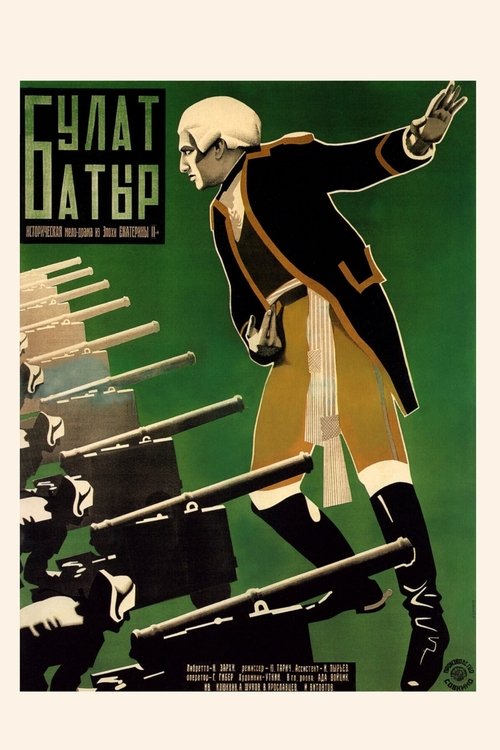
In a small Tatar village during the traditional holiday of the beginning of plowing, monks appear accompanied by soldiers. Trying to convert the local population to Orthodoxy by force, the monks and soldiers meet a tough rebuff from the locals. The wife of the peasant Bulat dies, and his son Asfan is taken away in an unknown direction.
Bulat-Batyr
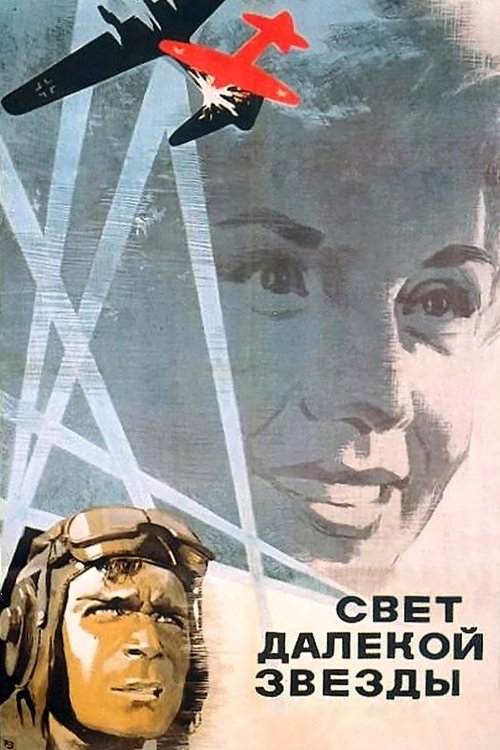
The war separated the young heroes, but could not destroy their memory of happy times of love. A few years after the victory, the hero, having seen her picture in a magazine, goes in search of his beloved.
Light of a Distant Star
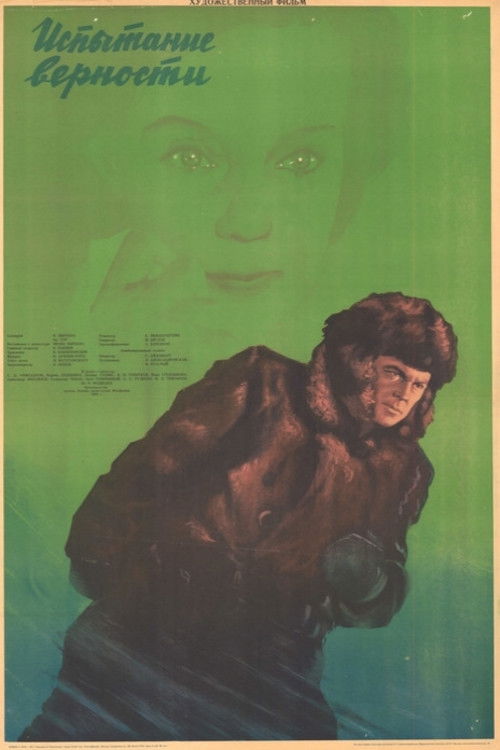
An old man suddenly realizes that both his daughters aren't happy so he decides to help them to find happiness.
Devotion
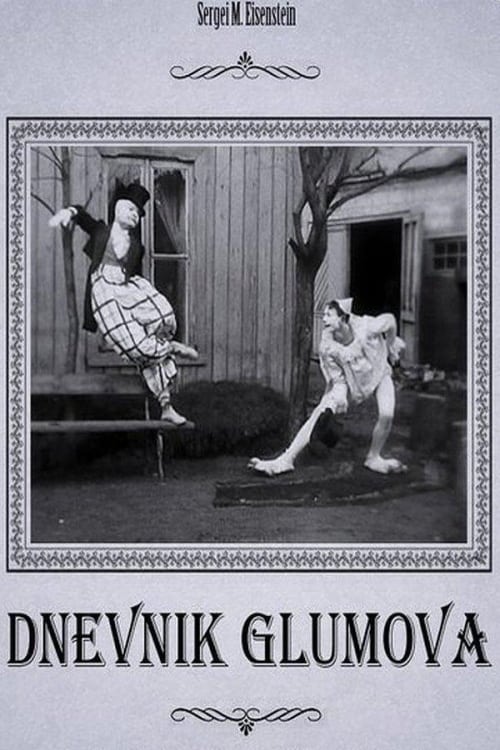
Filmic insert to Eisenstein's modernized, free adaptation of Ostrovskiy's 19th-century Russian stage play, "The Wise Man" ("Na vsyakogo mudretsa dovolno prostoty"). The anti-hero Glumov tries to escape exposure in the midst of acrobatics, derring-do, and farcical clowning. Several members of Eisenstein's troupe at the legendary "Proletkult" stage theatre in Moscow briefly appear in this little film.
Glumov's Diary

Friends and family are trying to bring together newlyweds who separated immediately after the wedding.
The Beloved
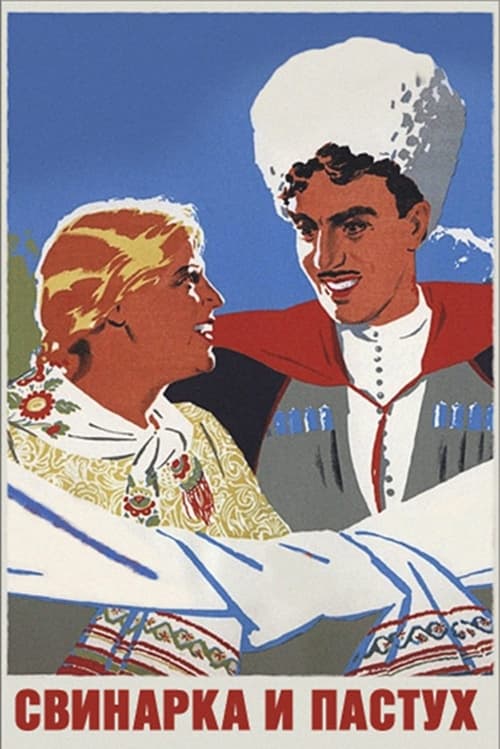
They met in Moscow - a shy swineherd Glasha and shepherd Musaib. Long and difficult will be their way to love and a new meeting in this classic Soviet musical comedy.