Ramchandra P.N.
Directing
Biography
Ramchandra PN is a Mumbai based Indian filmmaker, a 1990 ‘Screenplay and Direction’ graduate from the ‘Film and TV Institute of India’. Over the years, he has been making Feature films, Documentaries, Short Films and TV programs. His short fiction film “Heart Troubles of Ramchand Yavathmal Tirchuinapalli Azamghar’ won the best short film at the Abuja International Film Festival, Nigeria in 2004. His first feature 'Suddha' (The Cleansing Rites) won him the Best Indian Film at the Osian Cinefan Festival of Asian Films, New Delhi India in 2006. It also won the 'Hubert Bals' Distribution Grant in the same year, following which he showed the film in about 100 villages in Coastal Karnataka. His second feature 'Putaani Party' (The Kid Gang) won the Best Children’s film at the Indian National Film Awards. 2009. It was in contention for Nomination for the Asia Pacific Screen Awards in the same year. The PSBT (Public Service Broadcasting Trust) awarded a Fellowship to him for the year 2011, during which he made his documentary 'Rice & Rasam' (Anna Saaru). He has headed the 'Unitedworld Institute of Film and Media (UIFM)' at Gujarat and the Direction and Screenplay Department at 'Annapurna College of Film and Media (ACFM)' at Hyderabad, besides teaching at Film and TV Institute of India, Pune and at various other Film and Media Colleges and Universities in India. He has curated special packages, has served as a selection committee member as well as a Jury at Film Festivals; and was a committee member for selection of projects, Rough Cut and Script approvals for various Government and Non-Governmental agencies.
Known For

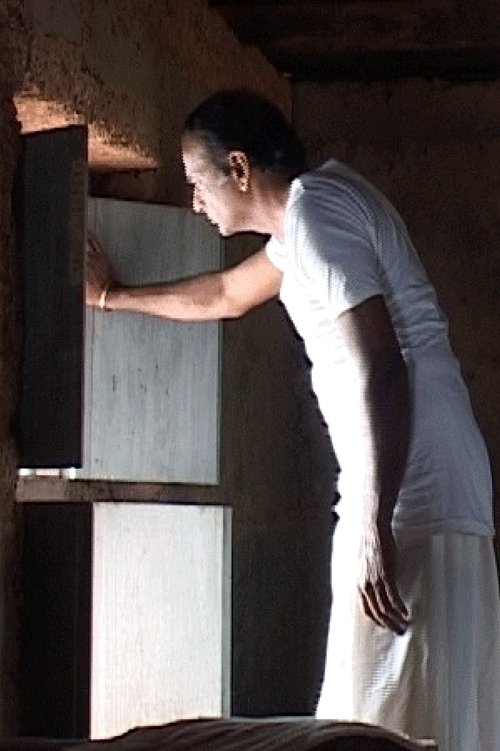
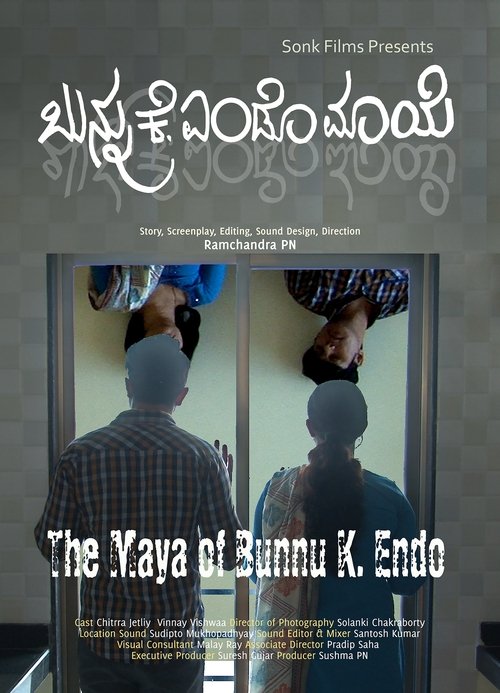
An anonymous multinational company interested in capitalizing natural resources, deceitfully leads a powerful politician's wife and her chauffeur on to an empty flat in a big city promising them a better life. The couple are surveilled upon by a faceless representative of the company who not only controls the supplies that go into the flat, but also mysteriously, the space and time inside. As the couple are coerced and blackmailed into going through a series of role-playing, the lines between the past, present and future mystically get blurred. Also blurred are their very existence.
The Maya of Bunnu K. Endo

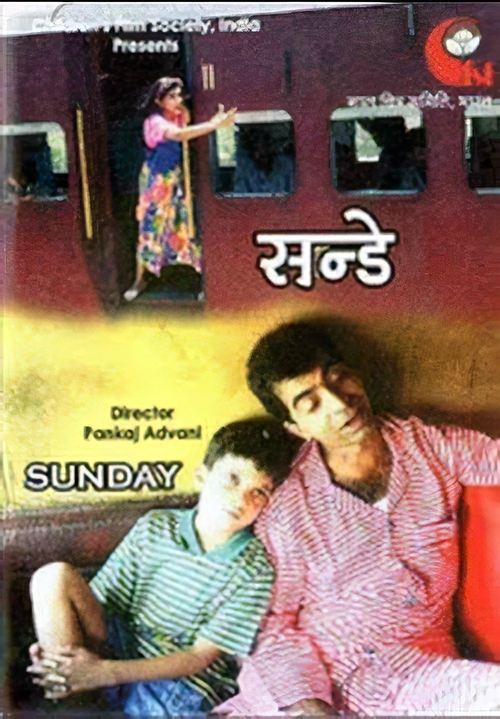
When Junior forgets to write an essay for School, He narrates the story of a fun and bizarre Sunday to his Teacher to escape the punishment. He and his parents go through a series of adventures culminating in a colourful chaos.
Sunday

Suddha depicts the death of the feudal system that existed among the Tulu speaking community in coastal Karnataka for many years, and the impact of The Land Ceiling Act, which was ushered in during the sixties and seventies, on its social structure. It is the story of modern India - of changing caste equations and a realisation of this reality among the land owning class, albeit a bit late. Though the film is set in a remote village near Mangalore, it could well have happened in any other village elsewhere in India. An ex-landlord family comes to terms with the fact that they are living in their last leg of feudal existence when it cannot perform a last rites in a grand manner in which it was once used to.
The Cleansing Rites

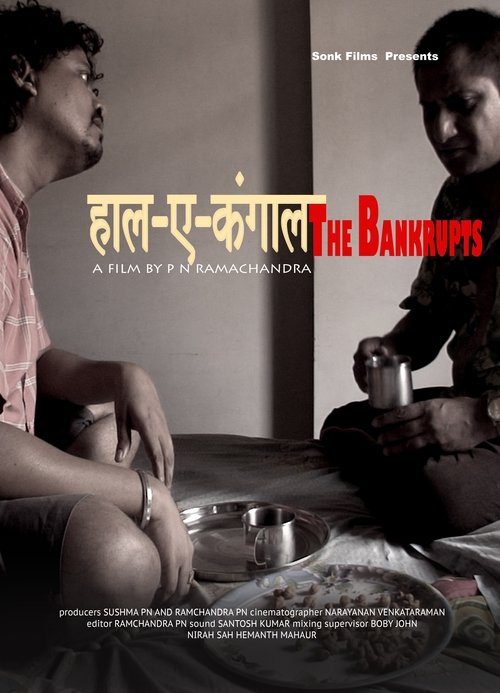
Two filmmakers meet after a gap of fifteen years. As one of them narrates a script of a film to the another, the past catches up with them - the question of success, of failures and of a subtle comparison of individual achievements arise. The duo by the end of the film realize that they are as bankrupt as ever - literally, and in all sense of the word.
The Bankrupts

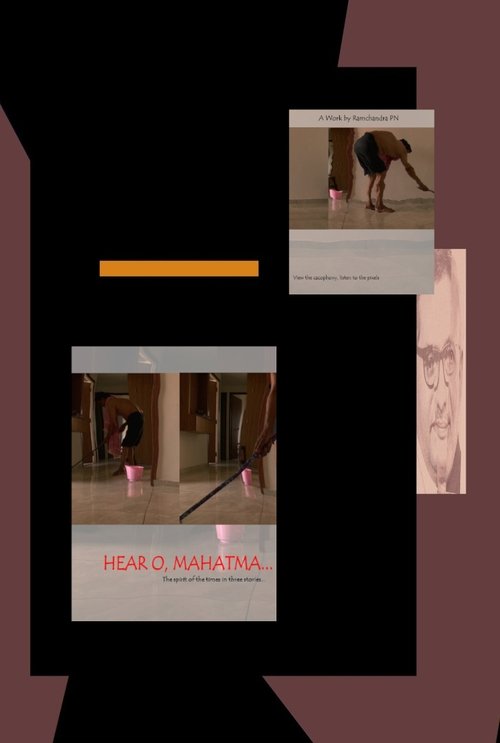
In an open letter to the most influential modern Indian political leader, the Late Mohandas Karamchand Gandhi, the filmmaker sequentially narrates the stories of three distinct individuals - that of a confused filmmaker who flows with time, a dedicated social reformer who guides the stratified masses into social upliftment and a divisive and regressive politician. The juxtaposition of their disfigured trajectories provokes a pertinent question: Did Gandhi ever foresee the dehumanized shape that his legacy has now dangerously morphed into?
Hear O, Mahatma

A Gram Panchayat (Village Governing Party) in rural India facilitates the functioning of a Makkala Samiti (Children's Committee). The committee acts as a pressure group in trying to get the local governance react to various social issues that it raises. Guided by a sympathetic school teacher, the children’s honesty and persistency ruffles many feathers among the adults, some of whom have been using the ‘Makkala Samiti’ for their own needs.