FEEL IT.STREAM
Peeter Tooming

Peeter Tooming

Directing

Biography

Peeter Tooming (June 1, 1939 Rakvere – May 17, 1997 Tallinn) was an Estonian photographer, photojournalist, documentary film director and journalist. In 1974 he graduated from Tartu State University in journalism. From 1961 until 1994, he was an operator and director at Tallinnfilm. He organised over 120 photo exhibitions, and he participated on over 300 international photo exhibitions. He was one of the founders of photoartist collectives "Stodom" (1964) and "O" (1985).
Known For

Intimate Adams
N/A

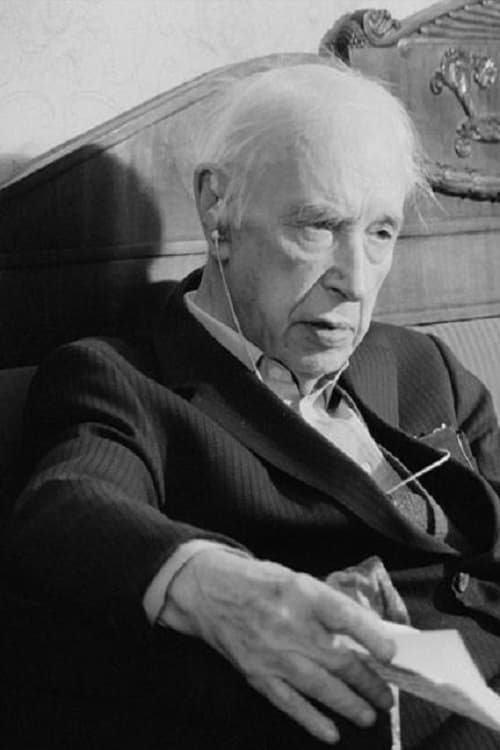
Valmar Adams (1899-1993), writer and literary historian with artistic nature, has played an important part as a mediator of Russian literature and culture while working in the faculty of Russian language and literature at the University of Tartu during 1931-1974. First poems in Russian and German were published already in 1915. However, his hot-bloodedness often caused trouble. Trivimi Velliste, Rein Veidemann and Linnar Priimägi talk to the 87-year-old Adams.

Intimate Adams

1987
Juhan Liiv's Story
N/A

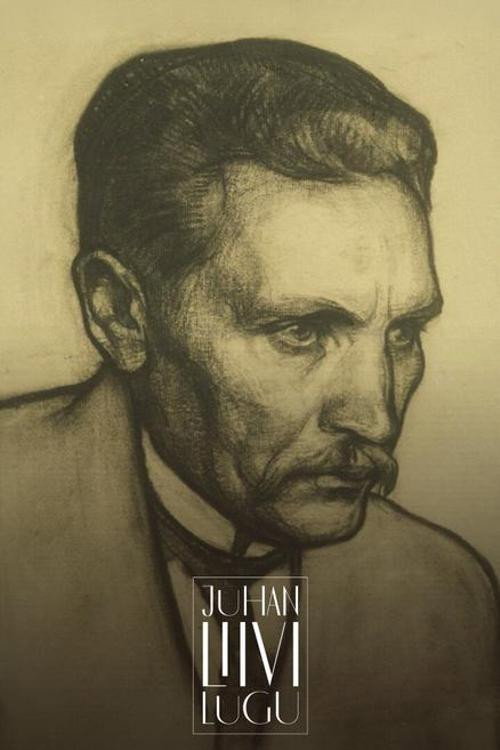
A unique film adaptation of Juhan Liiv's poetry, where literary symbols in poetry are connected with film images. The film set the task of conveying Juhan Liiv's poetry, his tenderness and love for his country. True pictorial poetry, born from the synergy of Hando Runnel's screenplay, Peeter Tooming's cinematography, Peep Puksi's directing and Lembit Ulfsak's poetry reading.

Juhan Liiv's Story

1975
The Years
N/A

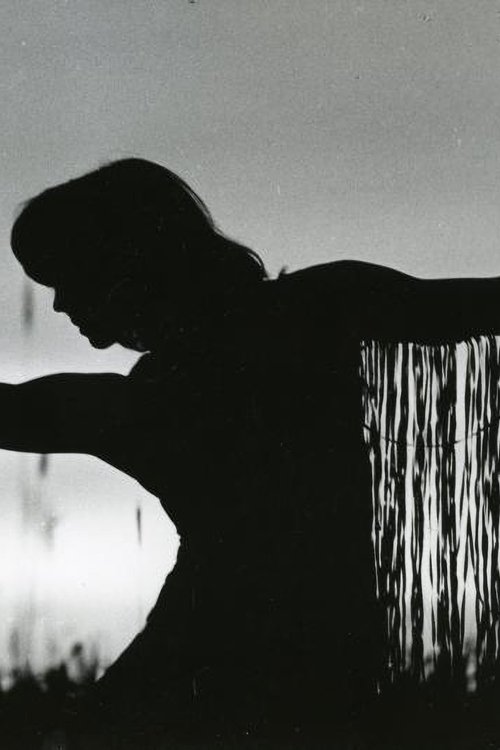
A magically abstract triportrait of Estonian kannel master Eduard Uibo, dancer Elonna Spriit and folk dance pedagogue Kai Leete.

The Years

1977
Linnaloom
N/A

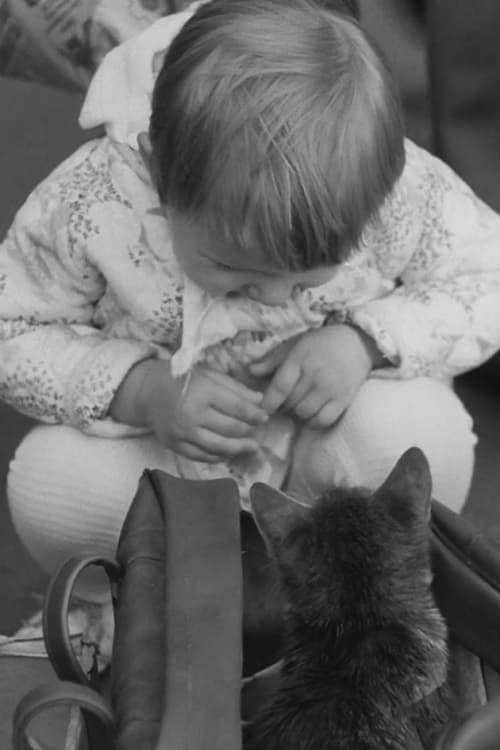
Animals belong to an urban environment and they will always be here since people need a piece of living nature close to them. House plants are not enough - one needs a living creature. What will become of these animals after purchase? How do pets live next to people?

Linnaloom

1982
Teekond mäe südamesse
N/A

In a short film about his brother, actor and director Jaan Tooming, Peeter Tooming transports him from between theater decorations to nature, a village street, a field, a forest, a waterfall, a rocky seashore. Actor Jaan Tooming recites thoughts from his plays that match his state of mind.

Teekond mäe südamesse

1984
Koduküla
N/A

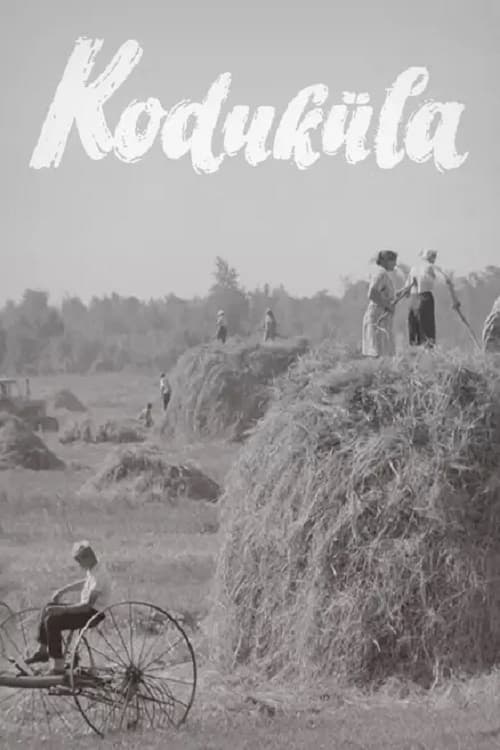
Pictures of Estonian village life in the second half of the 20th century. Against the backdrop of the seasons, people in the countryside are working their farms. Mostly these are old people. Villages are becoming empty and old farmhouses are falling apart.

Koduküla

1969
Endless Day
N/A

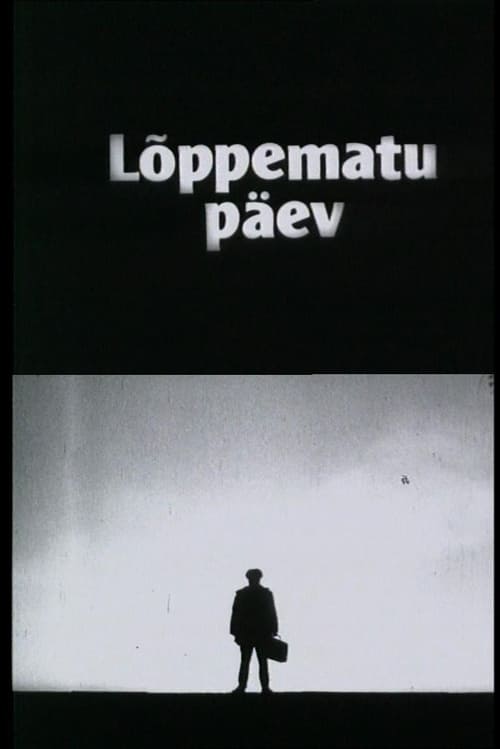
Among Tooming's filmic works, Endless Day provides perhaps the most eloquent material for investigating the radical renewal of visual and narrative form, as well as the shifting registers of spatio-social portrayals and critiques in Estonian cinema. It was banned in 1971 and ordered to be destroyed. However, the film was retained and restored in the 1990s.

Endless Day

1971
No image
N/A

Kassilaane primary school has been in operation since the mid-19th century. Once a large school, by the early 1980s only one teacher and three pupils remained. The filmmakers follow the life of a small rural school: learning in the classroom, games, lunch, physical education class. Leili Jõks, the soul of the school and teacher of all subjects, does her job with love and dedication, if only there were more pupils.

Kassilaane

1983
Peldik
N/A

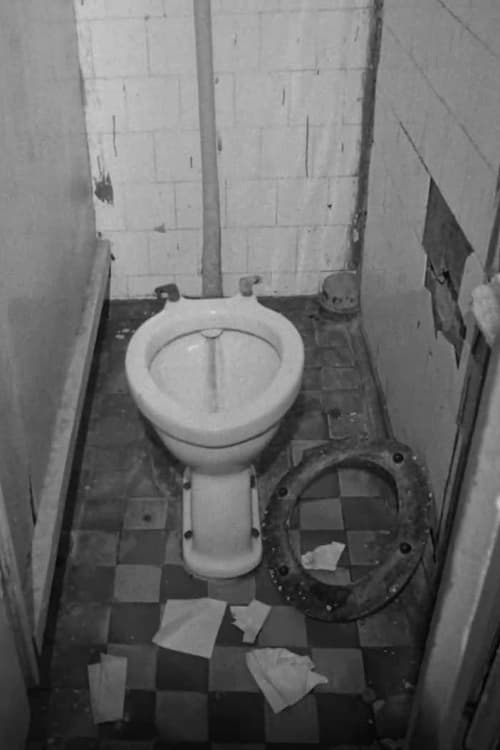
A problem film about our toilet culture - dilapidated outhouses and dirty school lavatories.

Peldik

1991
Moments
N/A

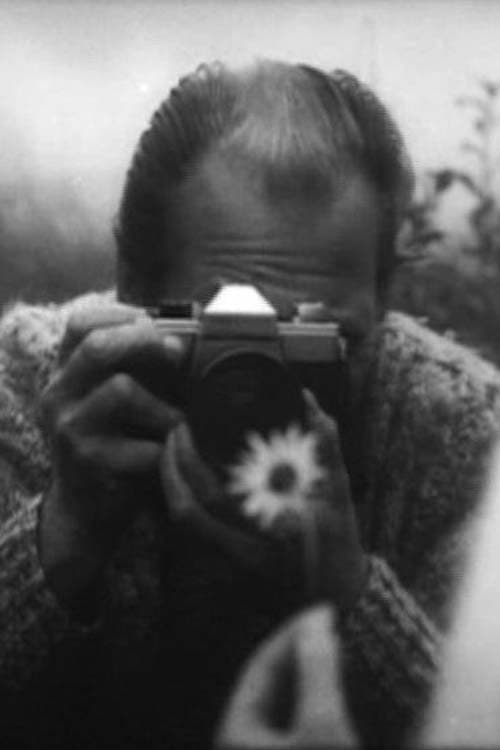
Peeter Tooming's photofilm about the history of photography in Estonia.

Moments

1976
Fotorondo
N/A

A film about the relationship between real life and art in photography, photo as the capturer and interpreter.

Fotorondo

1978
No image
N/A

The sacrificial well is said to have magical healing powers and money, silver, jewellery or other items are sacrificed there. The water of the sacrificial spring has been used to cure eye and skin diseases, to wash away evil spirits and to wash away crimes. This playful documentary, with its dramatic overtones, celebrates the folklore and warns against the desecration of the source and of nature as a whole.

Allika poole mineja

1979