
Madhusree Dutta
Directing
Biography
Madhusree Dutta is an Indian filmmaker, author and curator. Madhusree Dutta was born in the industrial town of Jamshedpur, Jharkhand (then Bihar). She has studied Economics at Jadavpur University, Kolkata and Dramatics at National School of Drama, New Delhi. In 1987 Dutta shifted her base to Mumbai (called Bombay in 1987). The first film made by her is I Live in Behrampada (1993). The documentary made on a Muslim ghetto in the context of communal riots in Mumbai 1992-93 received Filmfare Award for best documentary in 1994. The film turned out to be a serious discursive material for conflict study and the script of it was published in an anthology - Politics of Violence: From Ayodhya to Behrampada, eds. John McGuire, Peter Reeves and Howard Brasted, Sage Publication, 1996. source: Wikipedia
Known For
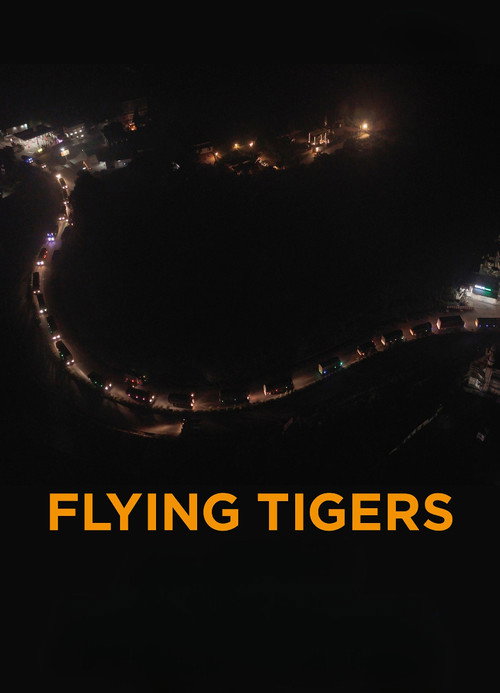
An Alzheimer-plagued mother’s fear of tigers in Assam sparks a multi-location probe into the US army unit supplying Kunming in WWII. A collective quest through history’s butterfly effects, told via found stories and turned hybrid.
Flying Tigers

Set in Manipur, a conflict region on the remote India- Burma border, this film journeys across a century to paint a portrait of a cinema and its citizens. The encounters - real, fake and surreal, are not for the fainthearted but there is good food and chatter on the go.
Fried Fish, Chicken Soup & a Premiere Show
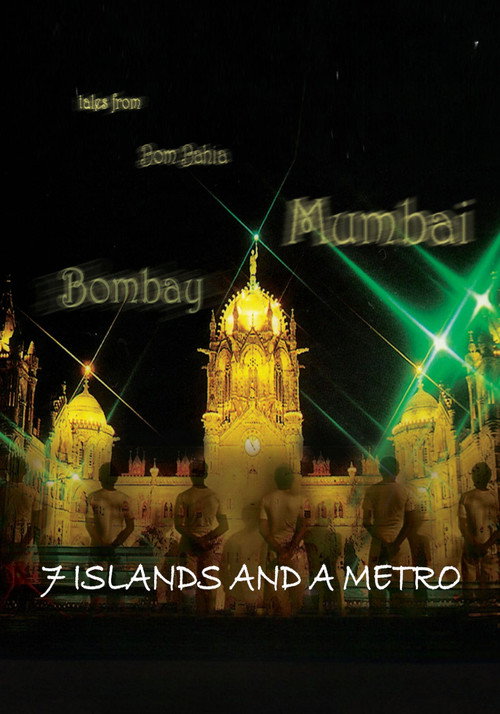
The multilingual Bombay, the Bombay of intolerance, the Bombay of closed textile mills, of popular culture, sprawling slums and real estate onslaughts, the metropolis of numerous ghettos, the El Dorado. This film is a tale of the cities of Bom Bahia / Bombay / Mumbai, through a tapestry of fiction, cinema vérité, art objects, found footage, sound installation and literary texts. It is a chronicle of the journey of a scattered bunch of insignificant fishing hamlets to the coveted stature of a prime metropolis. The narrative is structured around fictional exchanges between Ismat Chugtai and Sadat Hasan Manto, the two legendary writers who lived in this metropolis, over the art of chronicling these multi-layered overlapping cities.
Seven Islands and a Metro

An impressionistic sketch of ‘the public’ as created by our cinema and its relationship with cinema itself.
Certified Universal
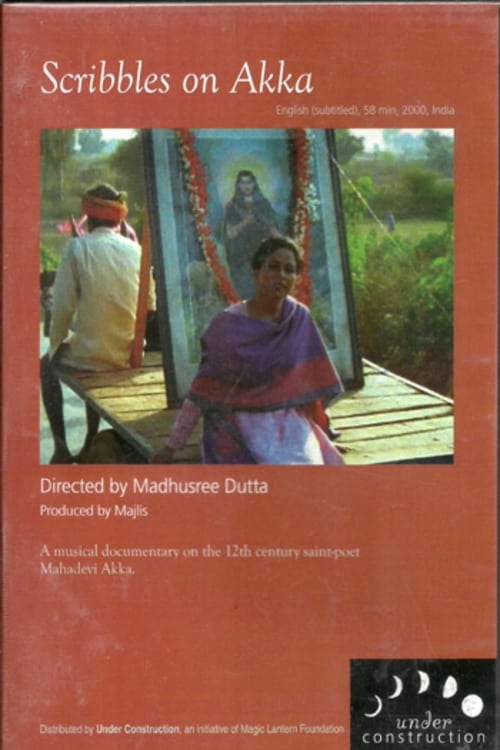
A film on feminine legacy of rebellion, language and transgressions. Using the composition of Mahadevi Akka, a 13th century saint-poet, the film explores the multiplicity of contemporary women and their own points of transgressions.
Scribbles on Akka
The communal riots that reduced Bombay into two distinct communities in December '92 and January '93 also created an underclass of citizens. During this time, Behrampada a slum colony in the city's western suburb with its predominantly (80%) Muslim population was cast as the villain by the majoritarian media and the communal forces. I Live In Behrampada traces the history of this Muslim ghetto which was first populated in 1950 and grew through the efforts of the slum dwellers who turned the slimy marsh land into solid ground. But in the face of rapid development yesterday’s pathfinders have become today’s interlopers. Is the dividing line language, culture and religion or class?
I Live in Behrampada
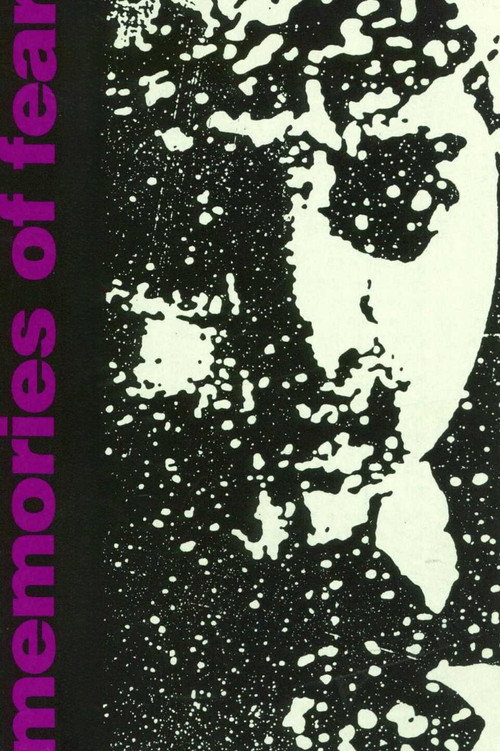
Four tales of girls’ coming of age - through the trajectories of aspiration, curiosity, flamboyance and desire - are juxtaposed with testimonies of adult women on familial violence. The fictional tales and the documentary testimonies overlap, complement each other and then create a line of legacy of FEAR. The normalized and habitual moments in the daily lives of the women weave together a formidable web of fear. This omnipresent female fear then accompanies the young girls into the womanhood of vulnerability.
Memories of Fear
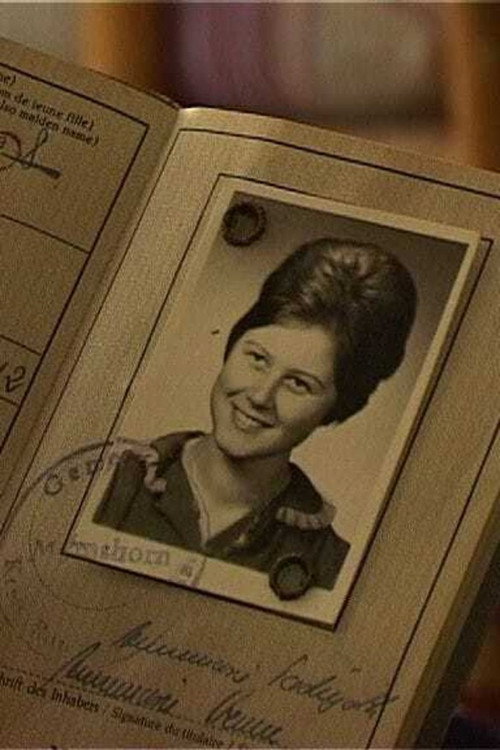
The film is part of an ongoing interaction involving two filmmakers from India and Germany. Both filmmakers embark on a journey starting from their own locations, in search of scenes of overlapping identities in the context of the two nations. The film is structured around video scribbles exchange between the filmmakers. The concept of ‘here’ and ‘there’ form the central part of the investigation. At which point does ‘there’ become ‘here’?
From Here to Here
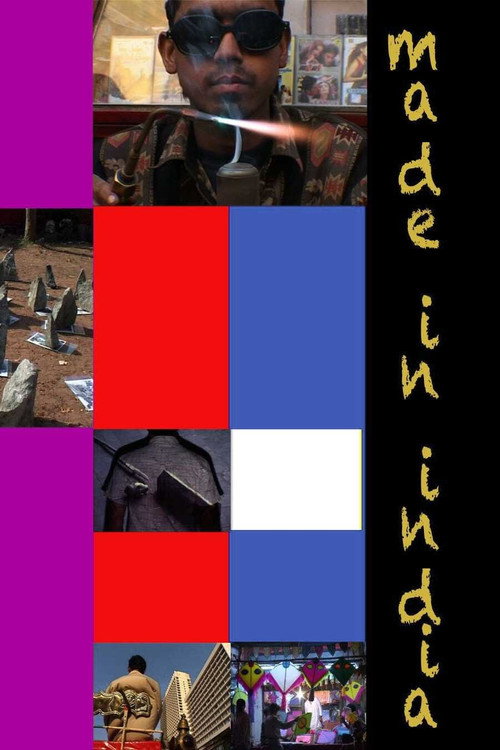
A rural artist paints her autobiography, Bollywood movie icons’ images get erased after the weekly run of the film, the national flag flutters on 150 kites, an installation artist paints pop icons on the rolling shutters of the shops, religious icons jostle for attention with Chinese plastic flowers on the vendor’s cart, metaphors of life cycle adorn the mud wall of a home, neighbourhood boys craft the tale of WTC and the sale of toy planes goes up. Symbols of nationalism become a fashionable commodity. Made in India is a film on contemporary visual cultures in India. India, the ever alert and over forgetful, often intolerant, pluri-lingual, pluri-cultural conglomeration of multiple simultaneity.