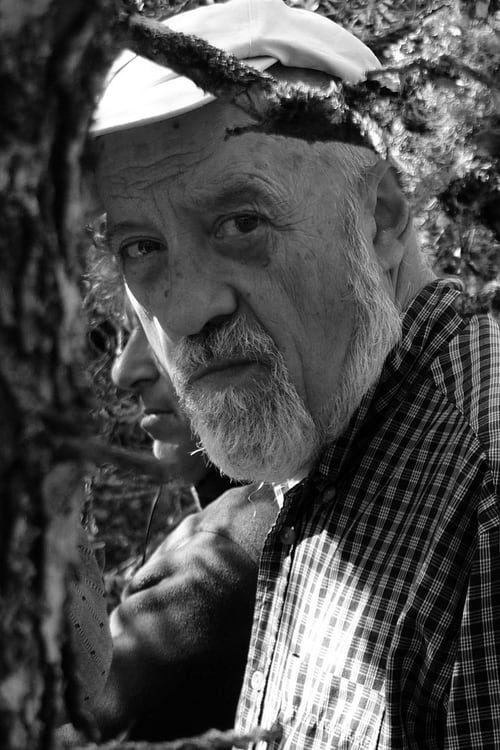
Luc Moullet
Directing
Biography
Luc Moullet (b. 14 October 1937 in Paris) is a French film critic and filmmaker, and a member of the Nouvelle Vague or French New Wave. Moullet's films are known for their humor, anti-authoritarian leanings and rigorously primitive aesthetic, which is heavily influenced by his love of American B-movies. Though such influential filmmakers and critics as Jean-Luc Godard, Jean-Marie Straub, Jacques Rivette and Jonathan Rosenbaum have consistently praised his work, he has never found commercial success, even in his native France. Moullet is known to frequently act in his movies.
Known For
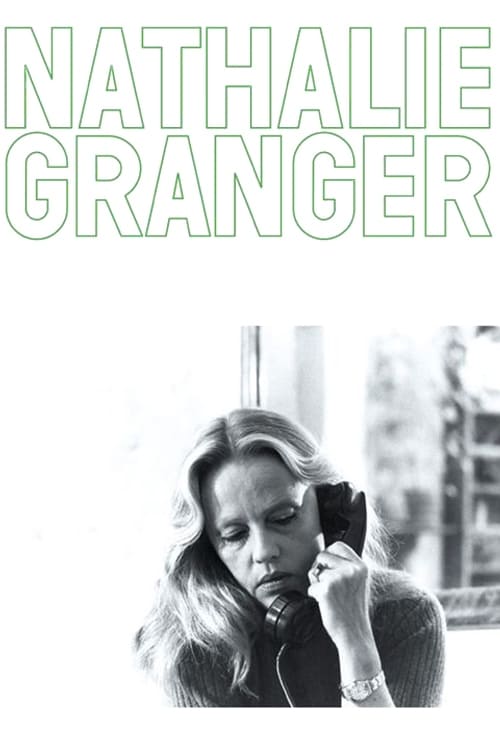
With little or no embellishment, filmmaker Marguerite Duras offers a simple, often wordless chronicle of a woman's day. She and her friend are seen doing yard work, talking about their families and receiving the occasional visitor. The brightest spot in the day is when a washing machine salesman comes to call.
Nathalie Granger

In a cul-de-sac in the Faubourg-Saint-Antoine, Leon shares two rooms with his sister Marie. In one, he receives his clients: he is a tailor. In the other, Marie receives her own: she is a clairvoyant. Leon was happy until he learned what Marie was hiding from him. She is actually a prostitute, and Maxime, her supposed fiancé, is her pimp. On the same day, Leon also discovers love in the form of Arlette, a provincial young woman picked up by Marie.
Love Is Gay, Love Is Sad
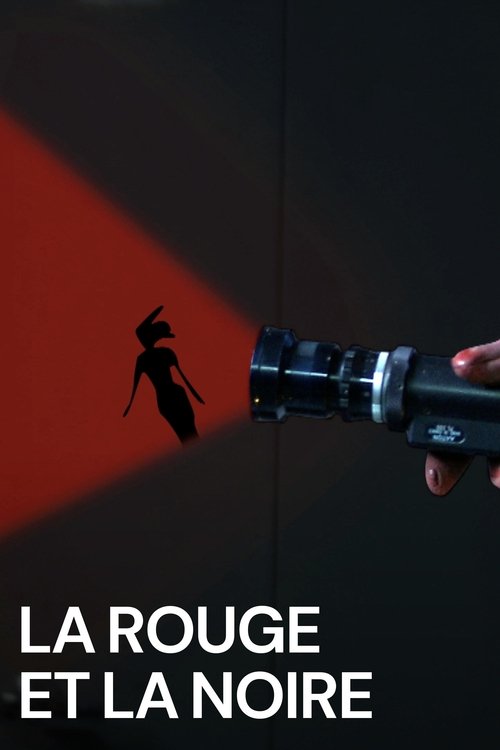
Carrying on Luc Moullets unfinished screenplay about the theft of la pénélope, a camera created by Aaton and capable of recording equally well in 35 mm and digitally, LA ROUGE ET LA NOIRE is a film in kaleidoscope form. The portrait of Aatons founder, Jean-Pierre Beauviala creator, inter alia, of the time-code and the light cameras used by the New Wave (in particular the bush camera specially designed for Jean Rouch) is centered around the basic plot introduced by two women thieves who talk as voice-overs, and whose identities will only be revealed at the end.
La rouge et la noire
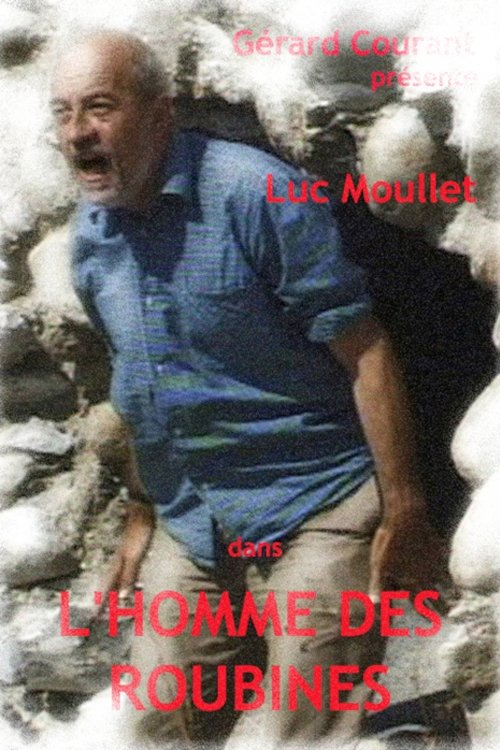
A documentary about Luc Moullet and the mountainous locations featured in his films.
The Man of the Badlands
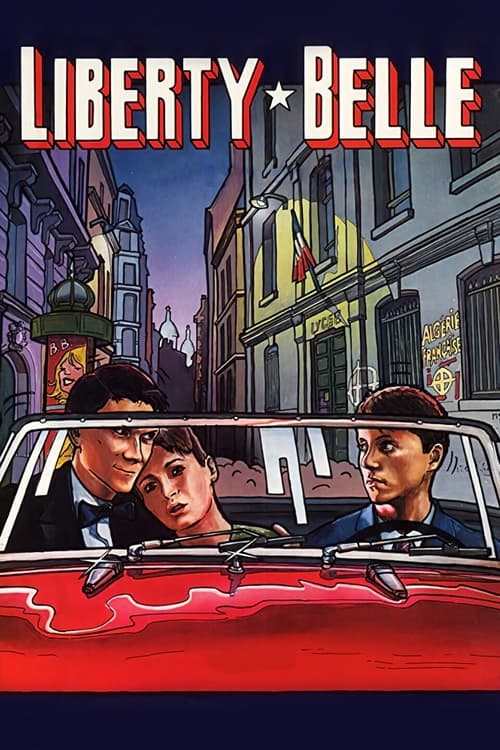
The story of a group of students' involvement with a group who oppose the French-Algerian war.
Liberty Belle

A bicycle race is held every year in a pass of the Alps called Parpaillon. With the energy of a skillful cyclist perhaps as a great tribute to François, the mailman played by Tati in The Big Day, Moullet makes a comedy by pedaling at a pace that allows him to reinvent the possibilities of film gags.
Up and Down
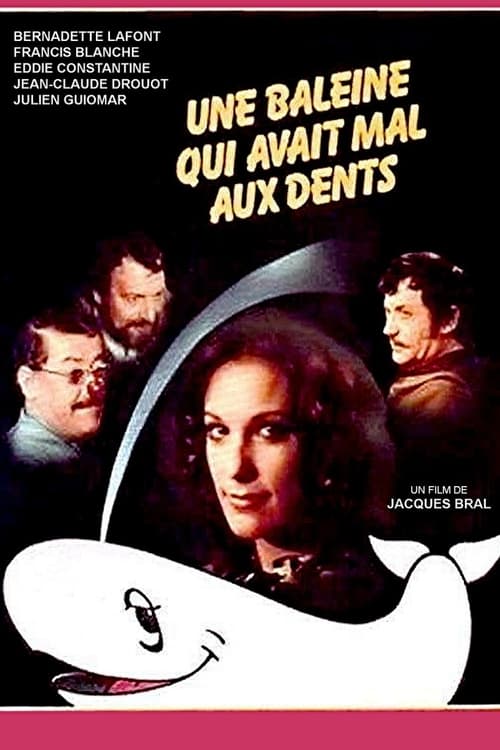
Bernardette is feeling bored in a country house. She decides to send weekend invitations to a lot of people.
A Whale That Had a Toothache
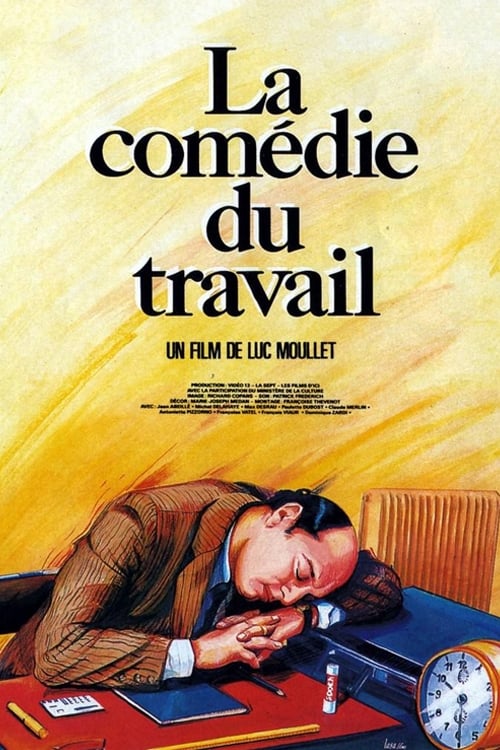
Sylvain Berg, a "professional" unemployed who spends his time hiking and mountain climbing, and "model" bank employee Benoît Constant, who has just been fired and does not want his wife to find out, both find themselves in Françoise Duru's office at an employment agency. Françoise is secretly in love with Sylvain, so in order to keep him close she convinces her employer to give Sylvain a job he doesn't want, instead of Benoit who not only wants it but also has the right qualifications.
The Comedy of Work

A short film based on Henry James' short story "Longstaff's Marriage".
The Phantom of Longstaff
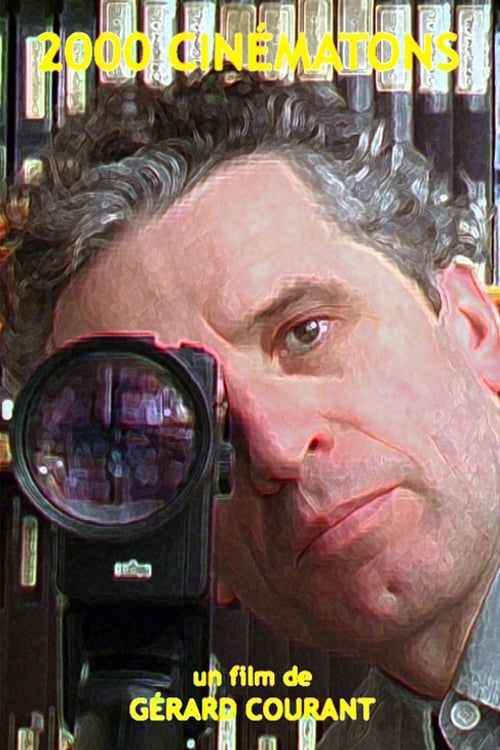
A film about an ongoing cinematic adventure that began in 1978: a vast anthology of personality portraits called Cinématons, dealing with people in the arts. Historical, ethnological, sociological and psychological, this anthology is a living record of the artistic community of the last 20th century which attempts to answer these questions: Why film everyone? Why choose cultural personalities? How do the subjects look at their image? How much exhibitionism and narcissism is involved in being filmed?
2000 Cinématons

Inspired by the subject and by his wife's own phobia, Luc Moullet approaches this often-feared insect through the unique prisms of religion and sexuality in a daring essay.
We Are All Cockroaches
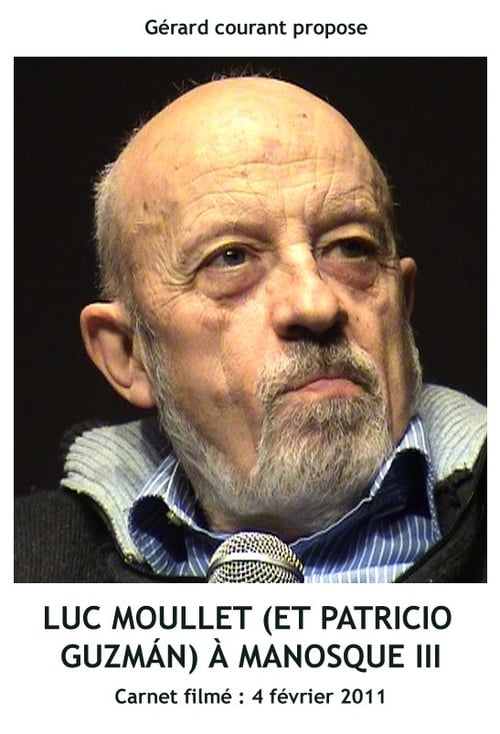
No description available.
Luc Moullet (et Patricio Guzmán) à Manosque III
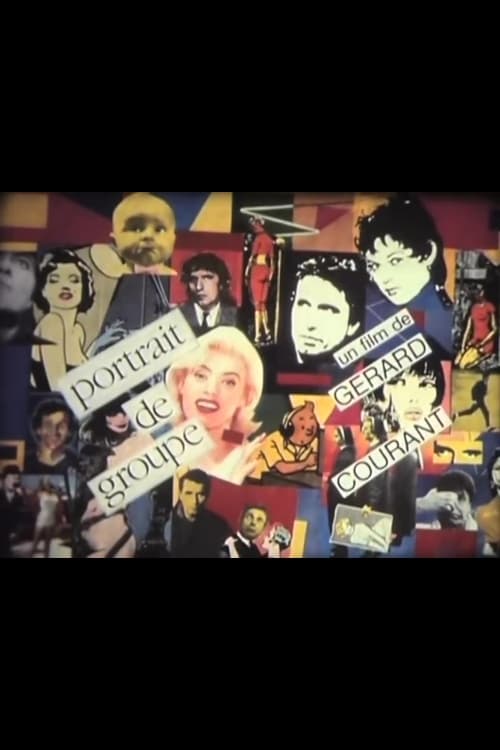
Portrait de groupe is a film series of filmed portraits that shows all kinds of groups gathered under family pretexts, friendly or professional, in a single fixed, wide shot (style: family photo) and silent of 3 minutes and 20 seconds.
Portrait de groupe

A French man recalls his moviegoing adventures at a now defunct titular theater as a journalist for the film magazine Cahiers du Cinéma during the mid-1950s.
The Seats of the Alcazar
The first emotions in love with a young man of seventeen: Thomas who understands that his life belongs to him at last. Four young women contribute to his sentimental education.
Under the Stars
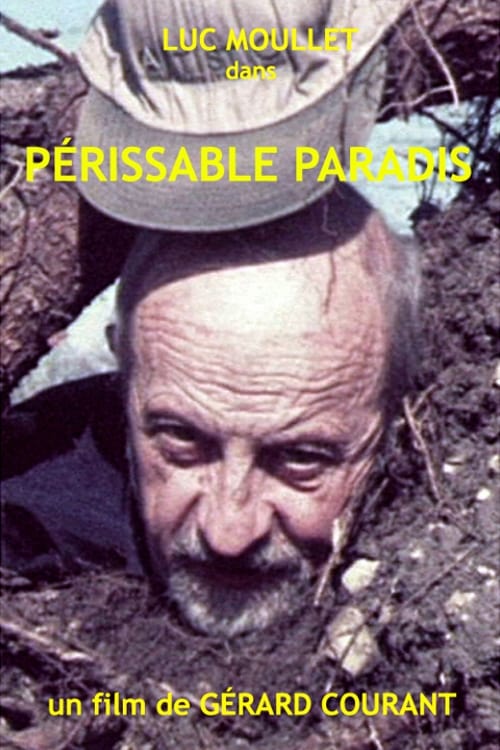
15 years through Le Bois de Vincennes - The "before" and "after" 1999 storm destructions.
Périssable Paradis
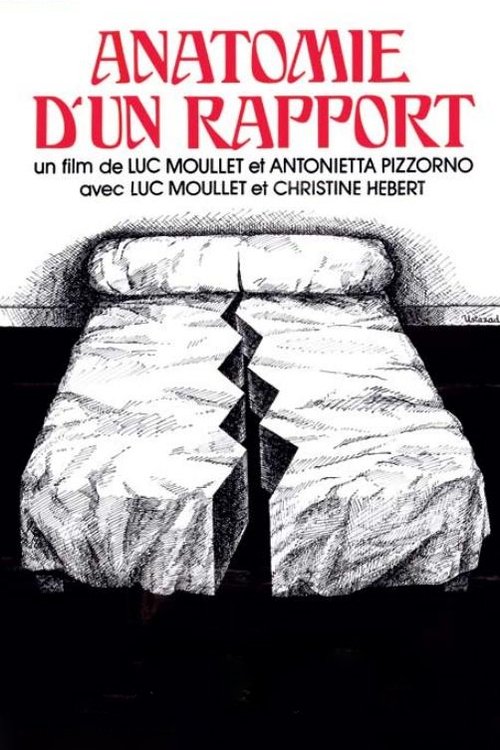
A woman's feminist awakening drives an intellectual couple to a relationship crisis.
Anatomy of a Relationship
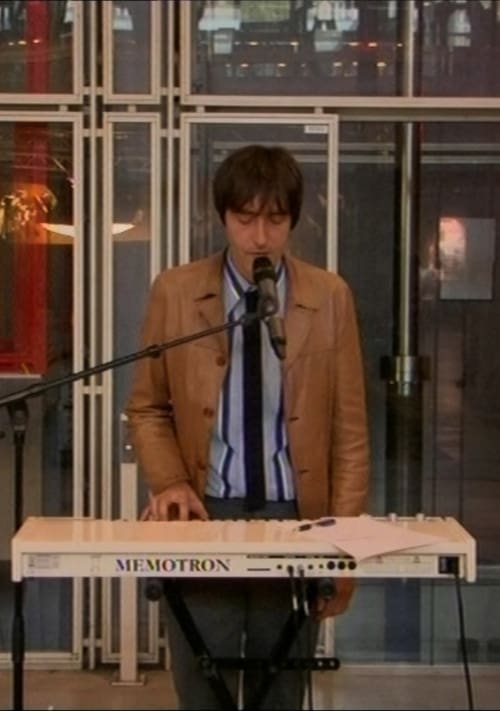
In the fall of 2010, Bozon and co-conspirator Pascale Bodet commandeered the first floor of Paris’s famed Centre Pompidou for 10 days of screenings, lectures and performances that amounted to a counter-canonical history of French cinema. During the ensuing merriment (entitled Beaubourg, la dernière Major !) audience members were invited to observe the daily making of this film, directed by Bozon and written by Axelle Ropert, about an inexperienced young journalist (Laure Marsac) sent to the Pompidou to interview a maverick artistic impresario (Thomas Chabrol). The result is an unexpected love story that is also a record of this landmark exhibition, featuring cameos by Raul Ruiz, Paul Vecchiali, Luc Moullet and more !
L'Imprésario
A travelogue of abandoned strip mining sites in France extolling their potential for recreational use.
La Cabale des oursins
Less and Less, Luc Moullet’s 40th film, concerns development and expansion, from 1968 to 2010, of the devices based on computers, automats, interactive terminals and others that can be found everywhere.