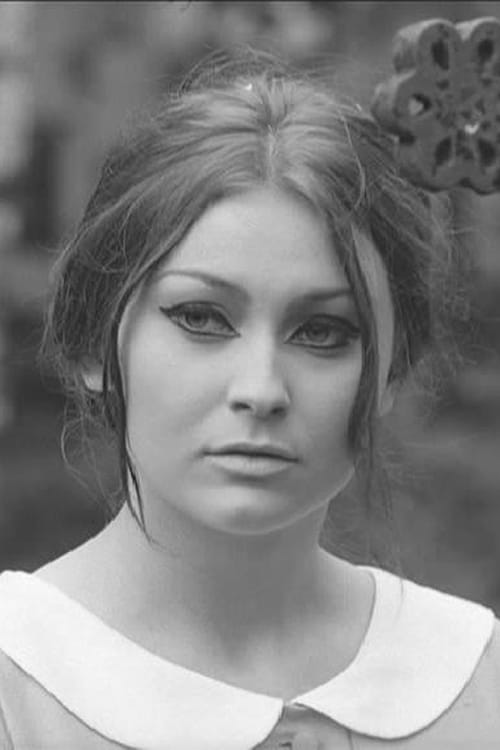
Sylvia Turbová
Acting
Known For
No description available.
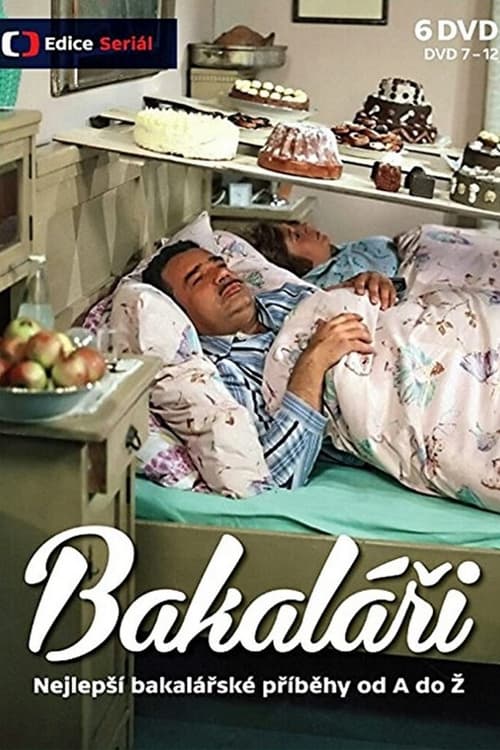
Bakaláři

Thirty Cases of Major Zeman is a Czechoslovak action-drama television show intended as a political propaganda to support the official attitude of the communist party. The series were filmed in the 1970s. Each episode encompasses one year, and investigations are stylized to that year. Most are inspired by real cases. The series follows the life of police investigator Jan Zeman during his career from 1945 to 1975.
Thirty Cases of Major Zema
No description available.
Povstalecká história
No description available.
V službách zákona
No description available.
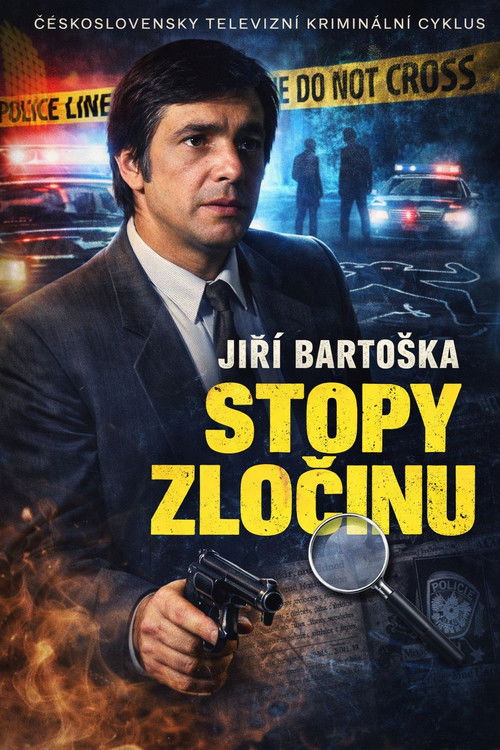
Stopy zločinu
This five-part TV film tells the story of Jan Daňo, a shepherd, and his two daughters.
Nepokojná láska
No description available.
Straty a nálezy
No description available.
Hĺbkový rekord
No description available.
Prípad jasnovidca Hanussena
No description available.
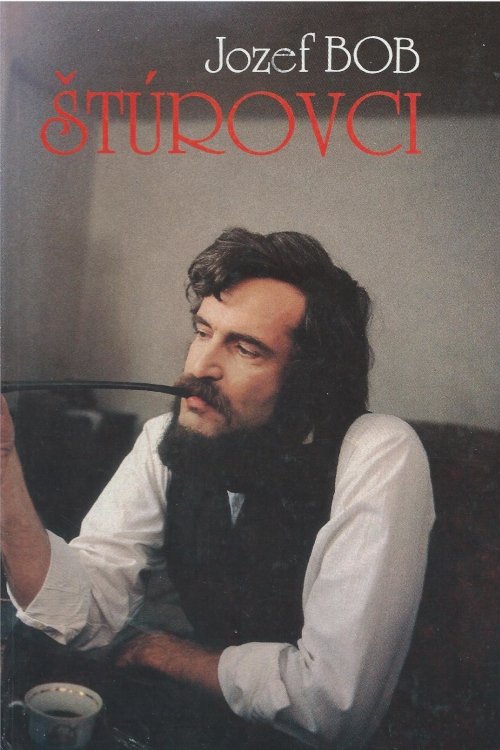
Štúrovci
Piesočná potvorka (lit. The Sand Creature) is a 1985 Czech television miniseries based on Edith Nesbit's 1904 children's novel Five Children and It. The four Majer children—Janka, Braň, Cyril and Vladek—spend holidays together at a cottage, with their aunt Marta, who takes care of them in their parents' absence. One day, the older children decide to dig in an old sandbox and find an ancient wonder: Brontofusika, a prehistoric creature that can grant wishes. So Janka wishes that everyone would be as beautiful as the heroes from a fairy tale. It happens. No one recognizes the children in this disguise, not even their own aunt, which brings a lot of funny but also unpleasant situations. But the magic only works until sunset!
The Sand Creature
No description available.
Miesto v dome
No description available.
Reťazenie
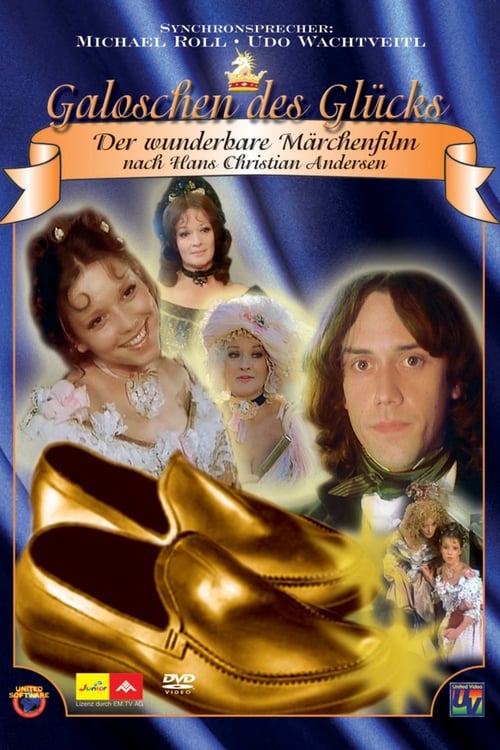
The Slippers of Happiness is another film made by the Slovak Film Production in co-production with West German companies based on classic world fairy tales. After Slovak folk tales [The Greatest Peck in the World, Salt Over Gold] and the works of German fairy tale writers Wilhelm Hauff [The False Prince] and the Brothers Grimm [The Land of the Thrush's Beard, Perinbaba], screenwriter Alex Koenigsmark and director Juraj Herz were inspired by the famous fairy tale by Hans Christian Andersen. It tells the story of slippers that the Fairy of Fortune enchanted so that they would fulfill every human wish and thus bring people happiness. The filmmakers humorously transferred the plot from Copenhagen to old Prague.
The Galoshes of Happiness
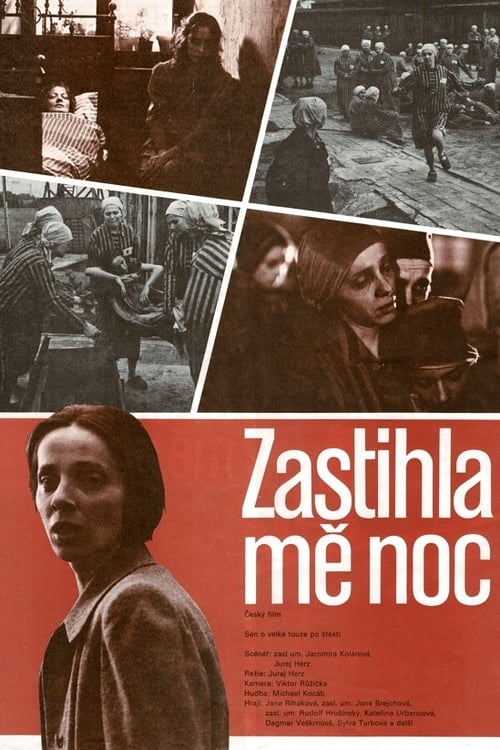
A communist journalist from Prague is sent to Ravensbruck concentration camp.
Caught by Night
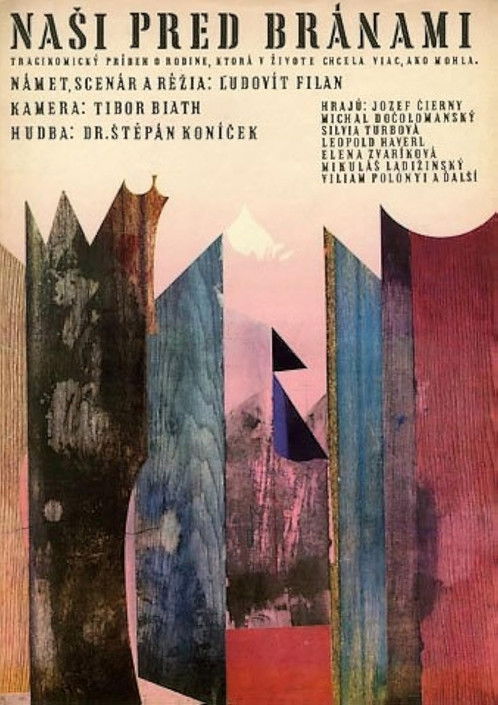
A tragicomedy about people who are able to make use of the war situation for their own benefit. The Gavora family of four leave their secure village home blinded by the vision of a big career and easy earning of money in the capital city.
Naši pred bránami
No description available.
Svetlá nad prístavom
No description available.
Spor herečky Kvapilové
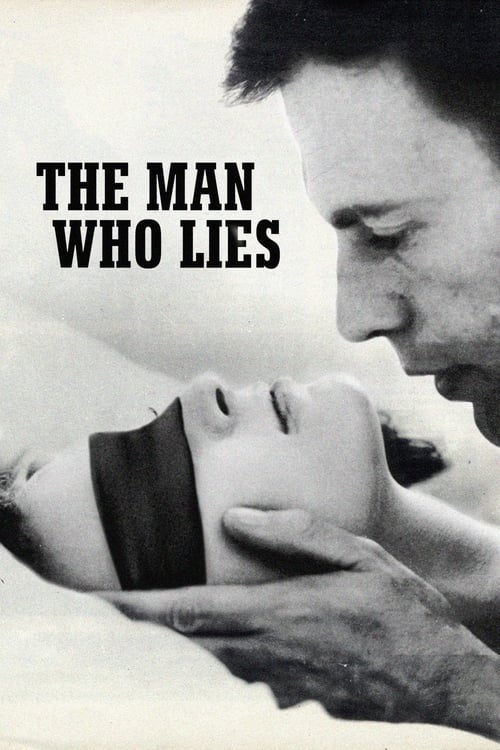
A man may or may not have betrayed a resistance fighter during World War II. He has supposedly been shot down by the Nazis and wanders into town. Mourning the death of an unseen comrade, he is taken in by the family of the dead rebel. He engages in a superfluous affair and witnesses the lesbian relationship between the man's sister and a female servant. When passions subside, the family has doubts about the reliability of the man's story.
The Man Who Lies
No description available.