Ivan Mistrík
Acting
Biography
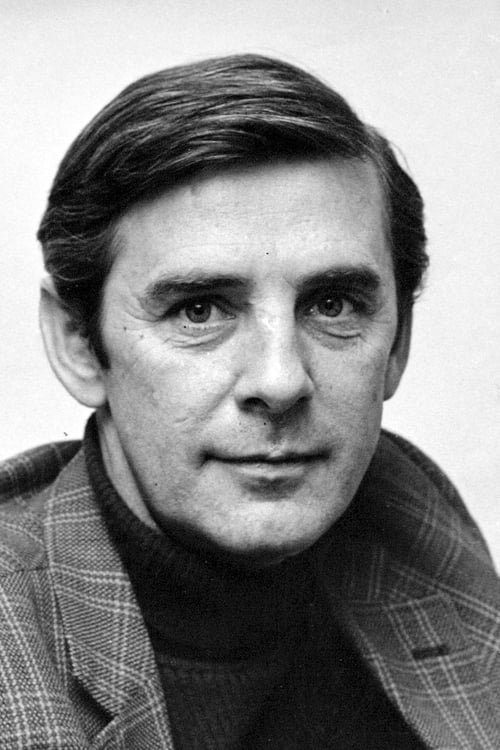
Ivan Mistrík (* October 15, 1935, Bratislava - † June 8, 1982, Bratislava) was a Slovak actor. Brother of actor Ján Mistrík. First wife Helena, rod. Kollátová (1932 - 1977), second Mária, b. Klesniaková, singer. He had two sons from his first marriage. Curriculum vitae From 1949 to 1951 he studied acting at the State Conservatory. In 1951 cultural promotional officer in Slovnaft, 1951 - 1952 member of the Village Theater in Bratislava, 1952 - 1953 drama of the Jozef Gregor Tajovský Theater in Zvolen, 1953 - 1966 drama of the New Stage, 1966 - 1982 drama of the Slovak National Theater in Bratislava. From 1946 he performed in the Radio Acting Company, where he created dozens of boy characters. In the theater, he played mainly sensitive heroes, confronted with a harsh world. His acting was evenly applied in the film, where since 1951 he has created a number of roles in Slovak and Czech films. He has appeared in television since 1959 and has created about 100 characters in The Ballad of Vojta Marina (1964), The Dead Don't Sing (1965), The Bloody Star of Canaris (1966), Seven Witnesses (1967), The Ballad of Seven Hanged Men (1968), Portrait of Dorian Graya (1969), Bastion (1969), Parisian Mohicans (1971), Vivat Beňovský (1975), Shipwreck of Danubia (1976), Escape from the Golden Land (1977), Table for Fourteen (1978) and others. In 1977 he was awarded the title of Merited Artist.
Known For

No description available.
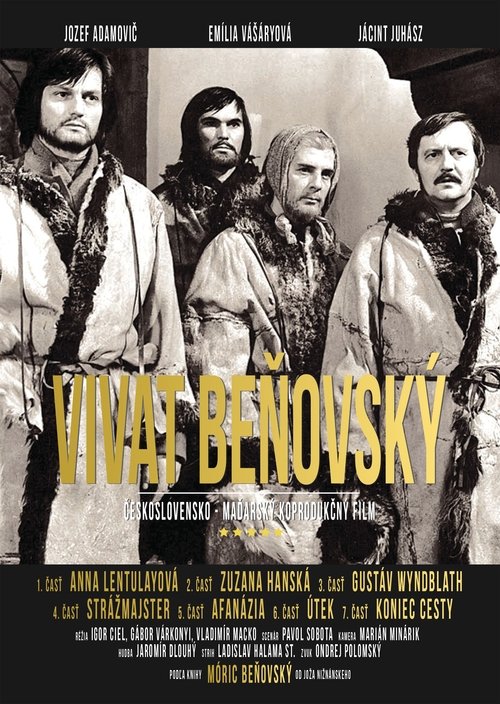
Vivat Beňovský!
No description available.
Americká tragédia

No description available.
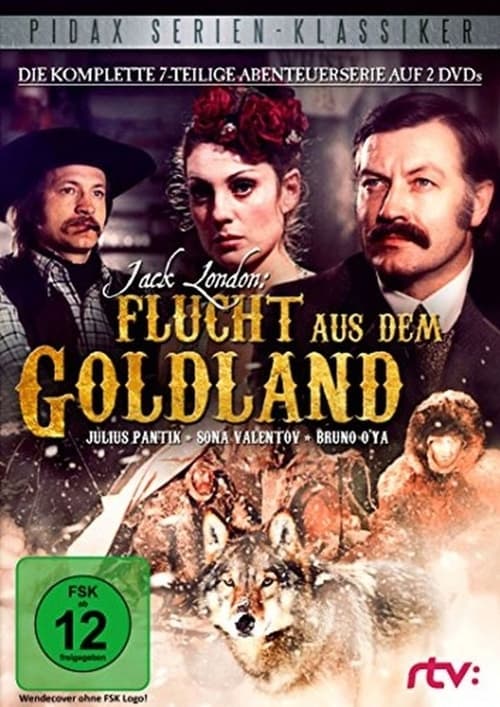
Útek zo zlatej krajiny

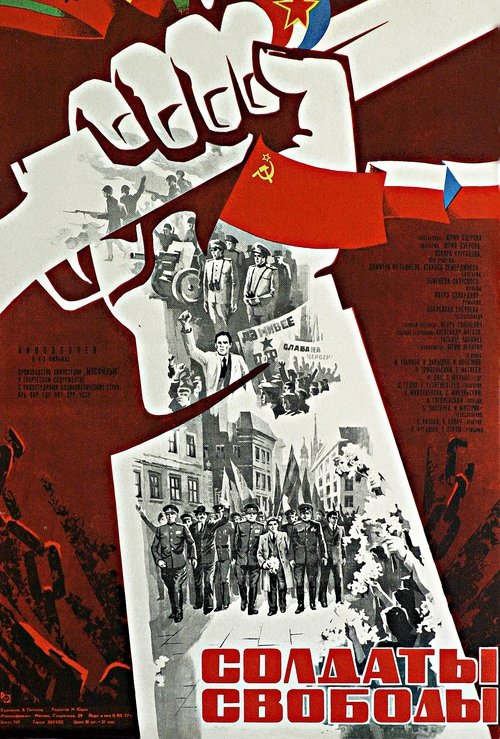
The action of the epic film takes place in the second half of World War II. The plot focuses on the liberation of European countries from German occupation and the anti-fascist activities of the communist parties of these countries. After the victory at Stalingrad, a decisive turn occurred during the war. The main aim is the rallying of all patriotic forces, the creation of a national anti-fascist front in the struggling countries. The swift offensive of the Soviet troops, problems with the opening of a second front, major operations and the offensive of the Soviet army lead to the liberation of Europe. Rebellions are rising in different countries - such as the heroic uprising in Warsaw, in Slovenia, Bucharest and other cities. Brave heroes who performed immortal feats in the name of the happiness of mankind and freedom.
Soldiers of Freedom
No description available.
Tajný agent

People in Czechoslovakia perceive the events of February 1948 differently. This movie tells how they behave depending on their views, beliefs and character.
Jarní povětří

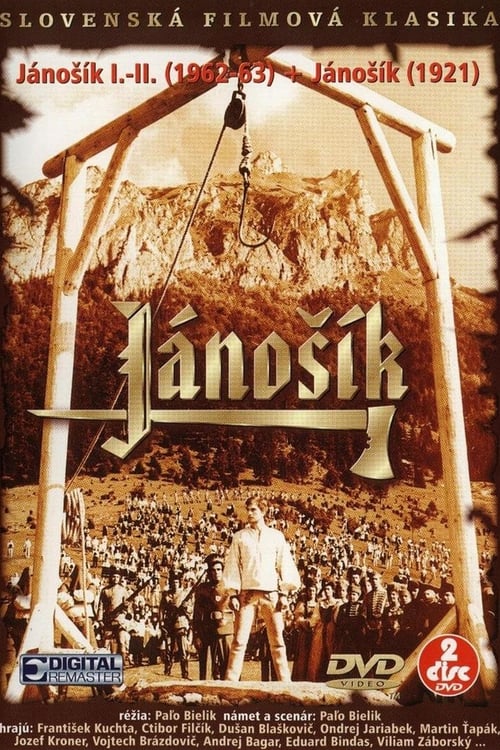
This film is one of the most popular pictures of Slovak cinema and relates the story about the legendary folk hero and brigand Juro Jánošík [1688-1713] and the social situation in Slovakia of the late 17th and early 18th centuries. The first part talks about Jánošík's childhood, studies and return to his native village. In the second part Jánošík leaves for the hills, where he organizes his band of brigands and starts an anti-feudal resistance. The film concludes with Jánošík's execution.
Jánošík
No description available.
Tridsaťdeväť stupňov v tieni
No description available.
Parížski mohykáni
No description available.
Louis Pasteur
No description available.
Mŕtvi nespievajú
No description available.
Portrét Doriana Graya
No description available.
Barbora Rösselová
No description available.
Buddenbrookovci
No description available.
Škriatok
No description available.
Bašta
No description available.
Mŕtve duše

No description available.
Sám vojak v poli

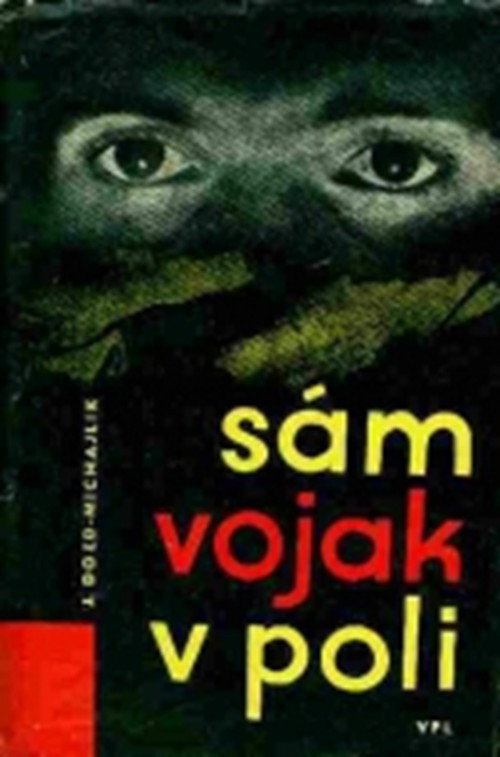
Three friends, Emil, Vrabec and Mišo, spend every Sunday playing the lottery, each nursing a personal dream: Emil wants a Jawa 250 motorcycle, Vrabec hopes for a Pionier scooter and Mišo imagines funding a world tour. Frustrated by constant losses, they decide to maximize their stake in the next draw, convinced that more money will tip the odds in their favor. Their plan takes an unexpected turn when they meet attractive Eva Dvorčíková on a televised variety show - Eva has long been Mišo’s unspoken crush. To determine who will have the right to win her affection, the friends agree to draw lots, putting their bonds and ambitions to the test.
Šťastie príde v nedeľu

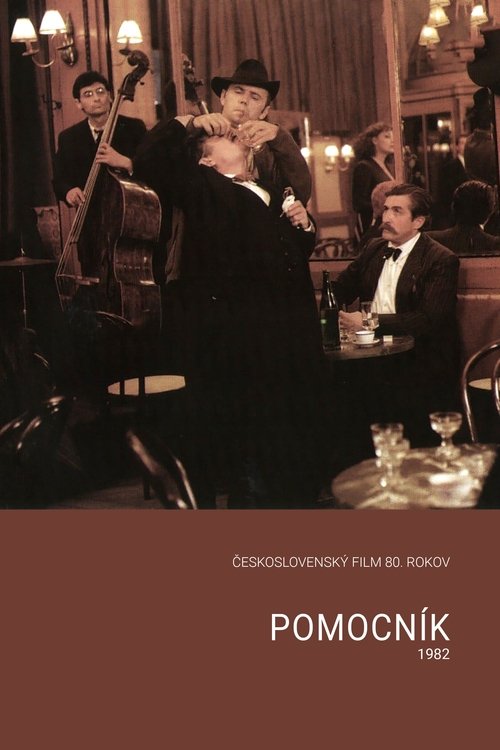
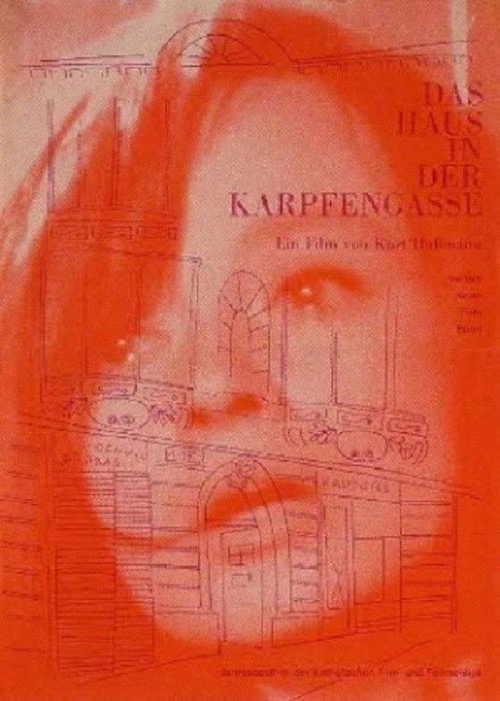
A man may or may not have betrayed a resistance fighter during World War II. He has supposedly been shot down by the Nazis and wanders into town. Mourning the death of an unseen comrade, he is taken in by the family of the dead rebel. He engages in a superfluous affair and witnesses the lesbian relationship between the man's sister and a female servant. When passions subside, the family has doubts about the reliability of the man's story.