Directing
No description available.
Nine fictitious documentaries and films reflect the mood of late 1970s Germany, particularly the two-month period in 1977 when a businessman was kidnapped by the RAF (Red Army Faction). The kidnap had been made to orchestrate the release of the original leaders of the RAF, aka the Baader-Meinhof.
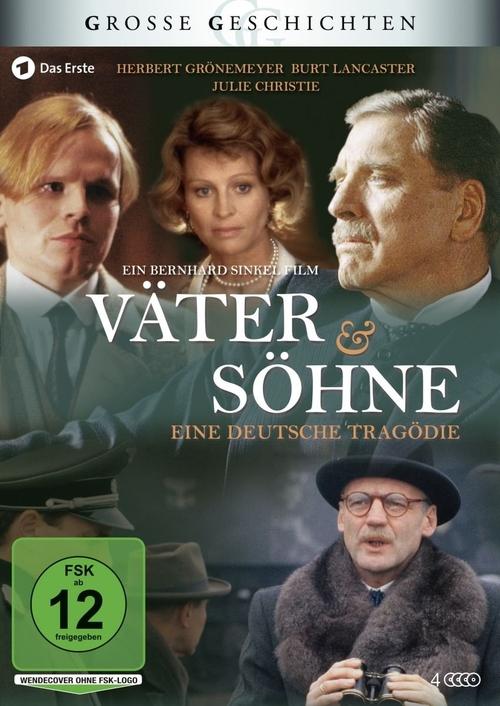
Follows two wealthy families in Germany during the first half of the 20th century. One of them is German, the other one Jewish.
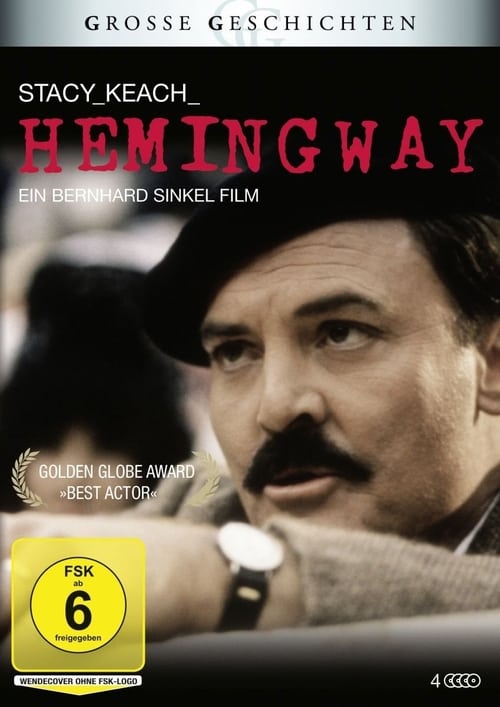
Ernest Hemingway attained celebrity at the age of twenty-five. Some of his novels are among the greatest bestsellers of American literature. His life is a legend woven with countless passions, encounters and experiences. This colossus of a man was a novelist, journalist polemicist, playwright, hunter, fisherman, adventurer... A globetrotter with a hermit's soul, he went through three wars, had a life-long romance with danger, and made death his closest companion and his main source of inspiration. The son of a Puritan family, he was also a pleasure seeker. A self-confessed male chauvinist, he thought of Woman as a muse, a worshipper, a second mother. His four wives- Hadley Richardson, Pauline Pfeiffer, Martha Gellhorn and Mary Welsh - represented both his mirror and his straight man, seeking to appease his torments and contradictions and to accompany him to the end of his dreams.
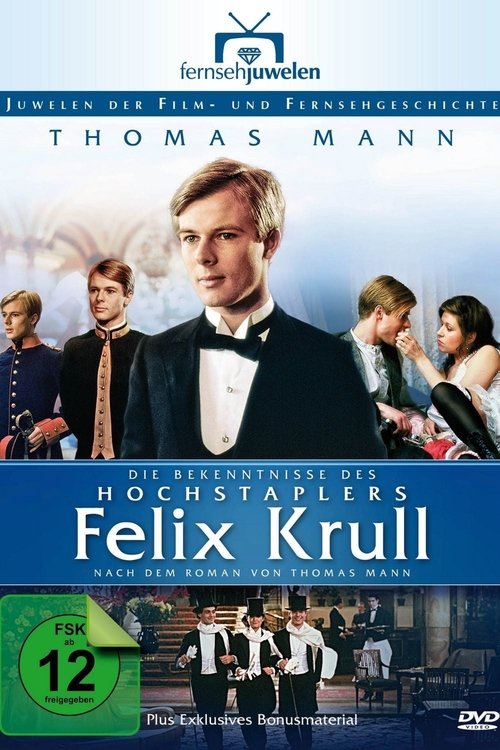
Based on unfinished 1954 novel by the German author Thomas Mann. It is a parody of Goethe's autobiography Poetry and Truth, particularly in its pompous tone.
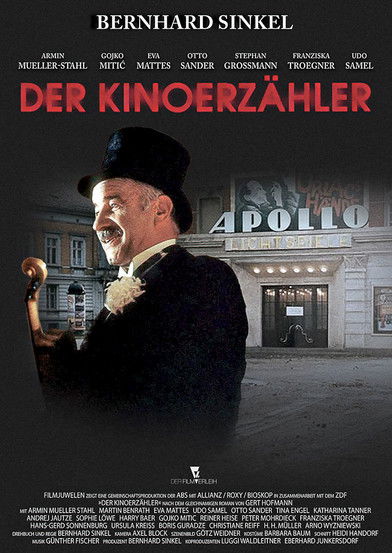
Germany in the Thirties. A movie teller realizes that his profession is not longer needed. Silent movies are not produced any longer. Telling stories is the only thing the man was ever good in, so he does not know what to do now. As political circumstances are changing dramatically these days in Germany, he gets new hope that things will again be going better for him...
Julius Caesar may have met his match in Cleopatra, the young queen of Egypt.
In the late 1970s the German secret service fights against RAF terrorism and searches for constitutional enemies in the public service. Teacher Brasch implicates secret service agent Körner and the government in the suicide of a young teen. As a result Brasch and the exposed Körner are fired.
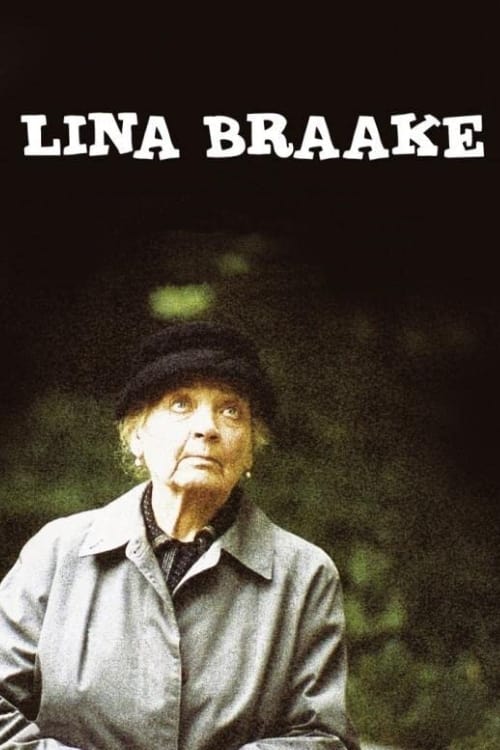
After the death of the owner of the house Lina Braake is living in, the house is accrued to the bank. During the complete refurbishment of the building, the 81-year old woman is thrown out of her flat and is put in an old people′s home. There she meets 84-year old Gustaf. Together, the lively seniors come up with a plan to trick the bank with a smart credit fraud and take their revenge. They need the money to buy a country house on Sardinia and leave Germany for good. Although their coup proves to be successful, the bank soon finds Lina. But due to her old age she cannot be tried anymore.
A young man seeks freedom and eventually gets conformed. To escape society, he wanders south. After some adventures he returns to his lover, where he expects a civil career.
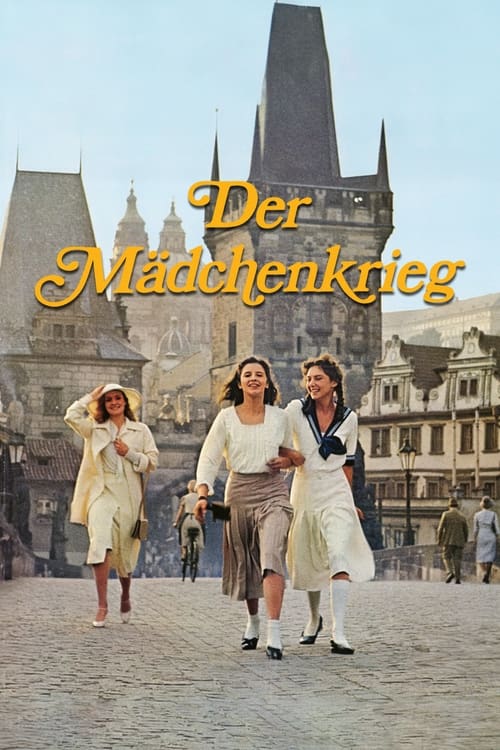
The three daughters of the Dessau merchant Sellmann move with their father to Prague in 1936, where he accepted a position as director of the Böhmische Landesbank. For the three different women begins a new life, which accompanies the film over a period of ten years.
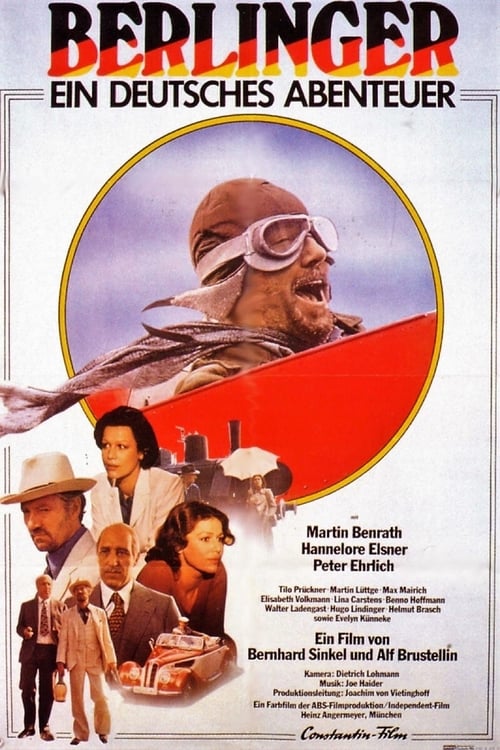
A fictional, non-chronological account of the life of the scientist, adventurer and industrialist Lukas Berlinger. The key dates and central events include Berlinger's birth in 1914, his friendship with Johannes Roeder, who was the same age, his marriage to Marlit in the early 1930s and Roeder's joining the NSDAP in 1936. As a chemist and "scientist important to the war effort", Berlinger was not required to go to the front during the Second World War, but it was slowly discovered that he was helping persecuted people to escape to Switzerland. Pressure from the Gestapo cost Marlit her life, and Berlinger fled to South America. It was not until 1968 that he returned to the western part of Germany. He meets Roeder again, who is now a senator and has become rich as a "building tycoon", and meets Maria, a teacher almost 30 years his junior, who looks strikingly similar to Marlit.
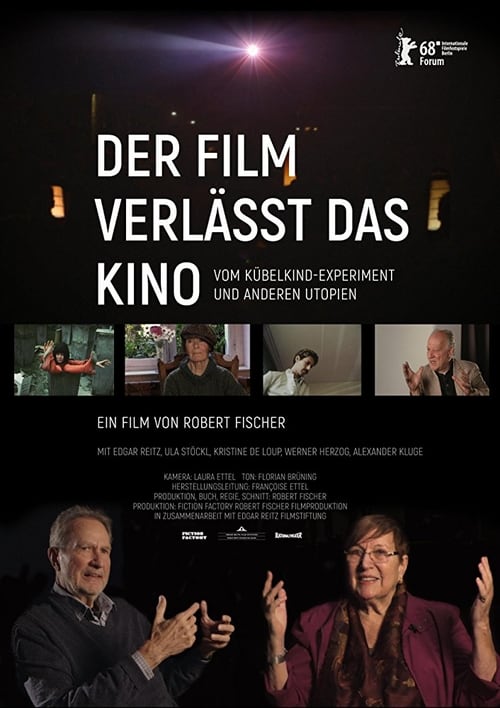
For over half a century, the filmmaker Edgar Reitz, one of the signatories of the Oberhausen Manifesto and a pioneer of epic film narration, has explored, as a practitioner and theoretician, the rules and limits of cinema, which he always seeks to break and extend in new ways. One example of his tireless search and research are the Geschichten vom Kübelkind, which he co-directed with Ula Stöckl in 1969/70, 22 absurdly funny, subversive and anarchistic short films of different lengths, which consciously oppose all conventions, with incredible success. The films remain unrivalled in their Dadaistic inventiveness.
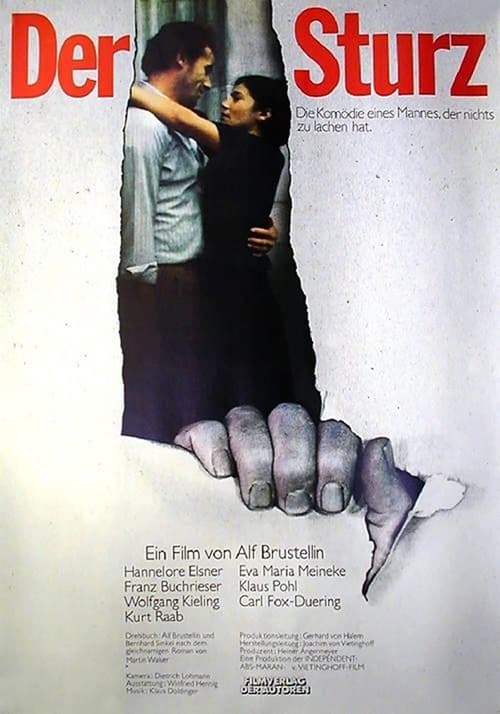
Film adaptation of the last part of Martin Walser's "Kristlein Trilogy": After the perpetually failing intellectual Anselm Kristlein had to make a living as a sales representative and advertising copywriter in "Halbzeit" and became a writer in "Das Einhorn" (filmed in 1977 by Peter Patzak), he now tries his hand as the owner of a pinball arcade in Munich, loses his wife's fortune, and returns to Lake Constance in a chaotic state of mind.
Feature-length interview film with Bernhard Sinkel about his four-part film 'Fathers and Sons' (1986).
Documentary about the IG Farben Building in Frankfurt.
Eva is a single freelance painter. She is in love with a married man. She pretends that she never waits for him, and if he suddenly turns up she acts as if she is surprised. In reality the unresolved relationship is making her so depressed that her work is the only thing that is saving her. In an attempt to break her addiction she enters into a relationship with another man. But the balance she is looking for eludes her, as now she has to choose between the two. But Eva can't: she wants to have an entire life, not part of one. In the form of a sort of filmic diary, Eva now attempts to sort out the puzzle, which is her life.