Writing
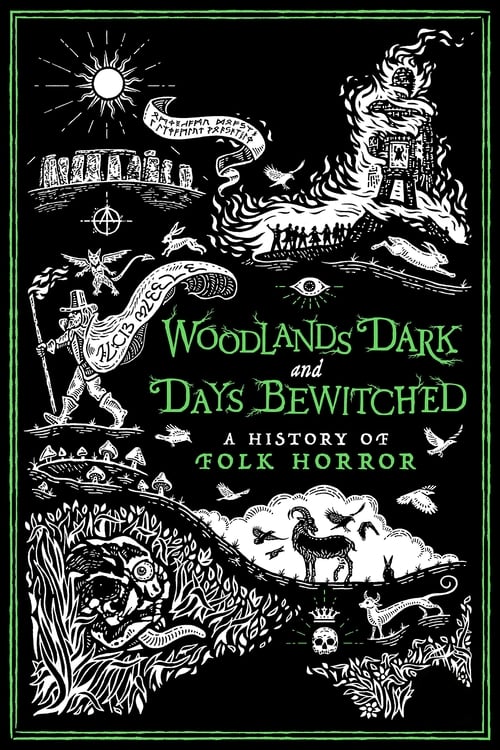
An exploration of the cinematic history of the folk horror, from its beginnings in the UK in the late sixties; through its proliferation on British television in the seventies and its many manifestations, culturally specific, in other countries; to its resurgence in the last decade.
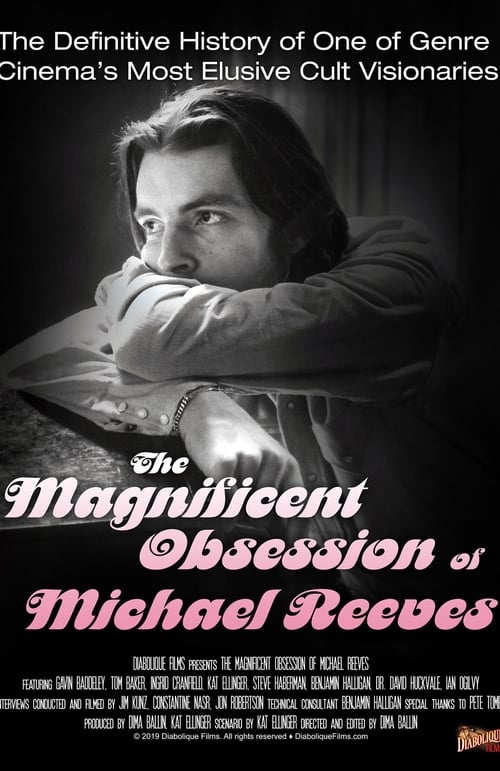
Although he was only 25 when he died Michael Reeves opened up genre cinema to new possibilities. Now considered one of the forefathers of folk horror for his groundbreaking masterpiece Witchfinder General (1968) Reeves certainly left his mark as a director. The fact he wasn't around long enough to expand on his legacy, let alone celebrate it, is one of the biggest tragedies of British film history.
Abigail is a socially isolated, angry young woman who is struggling to come to terms with the brutal murder of her father some years prior. When she learns that one of her father's murderers is about to be released, Abi sets herself on a path of revenge. Matt is a young man whose life gets turned upside down by the return of his brother Ewan. The destinies of these lost souls cross in ways that will tragically shape their lives.
A video essay about 1972 Giallo "Don't Torture a Duckling", focusing on accusations of misogyny against director Lucio Fulci.
A newly edited 1993 interview with Italian filmmaker Massimo Pupillo.
An interview with film critic Kat Ellinger who discusses the themes of Dario Argento's giallo "The Bird with the Crystal Plumage" and its relations to Fredric Brown's novel "The Screaming Mimi."
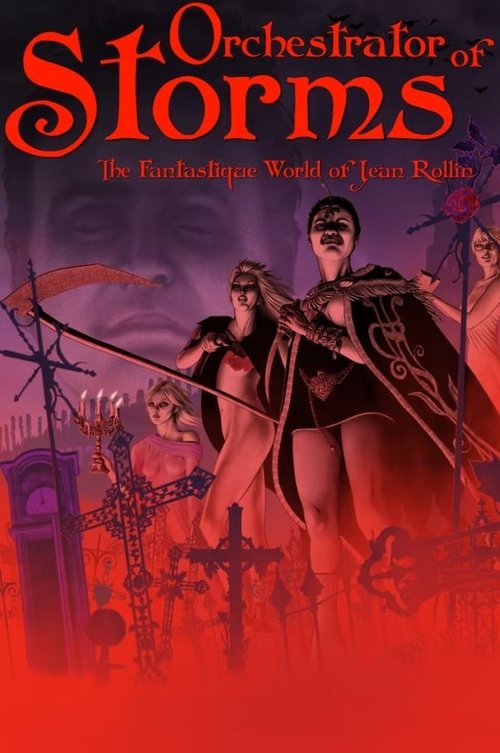
The story of French filmmaker Jean Rollin (1938-2010), one of the most singular voices of European cult cinema, deeply misunderstood and widely misrepresented.
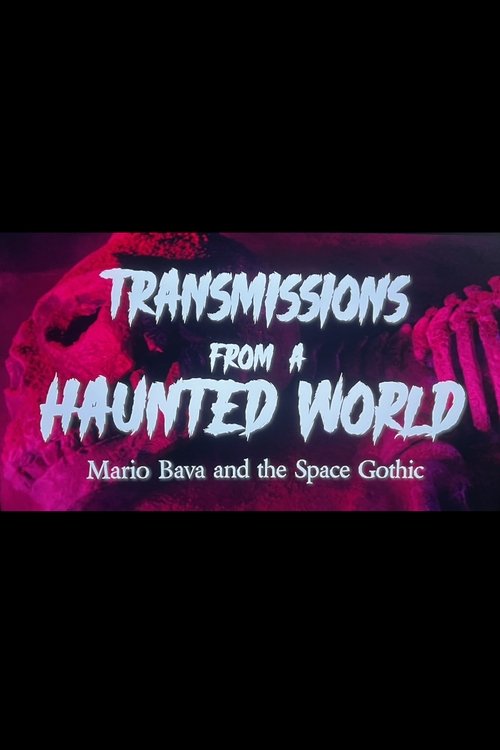
A documentary exploring Planet of the Vampires, Mario Bava and the connection between gothic and science fiction.
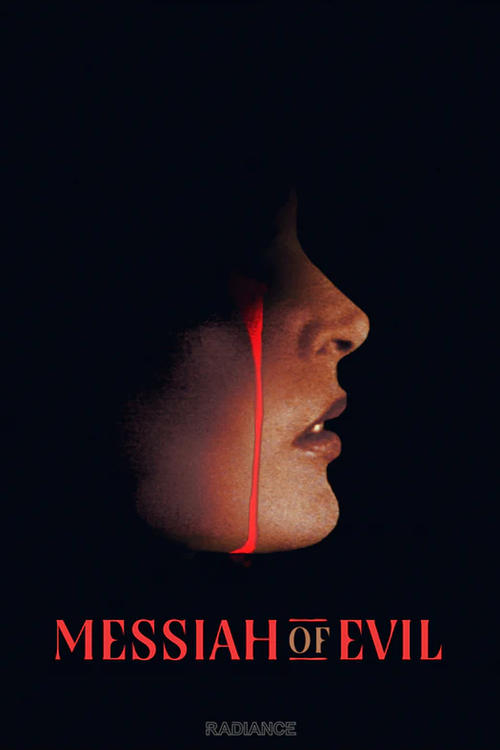
A documentary feature that explores 1973's Messiah of Evil in the context of American independent cinema of the 70s, as well as examining the film's allegiance to several subgenres of horror.