Acting
The World's Fakest News Team tackle the biggest stories in news, politics and pop culture.
American Playhouse is an anthology television series periodically broadcast by Public Broadcasting Service in the United States.
World in Action was Granada Television’s flagship ITV current affairs series, running from 7 Jan 1963 to 7 Dec 1998, and built a reputation for film-led investigative reporting and a forceful editorial stance. Its journalism produced major public and political repercussions—including investigations associated with miscarriages of justice such as the Birmingham Six—and it also served as a platform for landmark documentary projects, including the first broadcast of “Seven Up!” as part of the strand in 1964.
A weekly BBC Two magazine programme focusing on the best of the week's arts and culture news, covering books, art, film, architecture and more.
A documentary on the American Civil War narrated by Ken Burns, covering the secession of the Confederacy to the assassination of Abraham Lincoln.
The history of the sport of baseball in America, told through archival photos, film footage, and the words of those who contributed to the game in each era. Writers, historians, players, baseball personnel, and fans review key events and the significance of the game in America's history.
The history of the rise, rule and fall of the Eighteenth Amendment to the United States Constitution and the entire era it encompassed (1920-33). After nearly a century of activism, Prohibition was intended to improve the lives of all citizens by protecting individuals, families and society at large from the devastating effects of alcohol abuse; but paradoxically it made millions of people rethink their definition of morality.
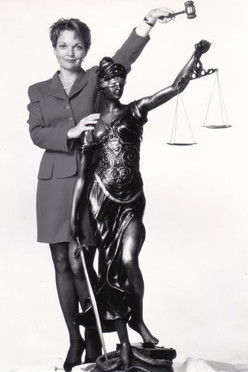
Sydney J. Solomon is a family-court judge and a divorced mother of four who tries to juggle her home and professional lives.
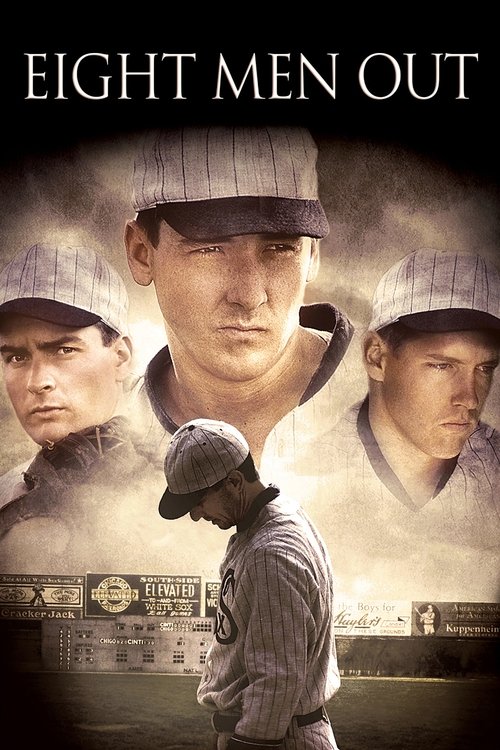
Buck Weaver and Hap Felsch are young idealistic players on the Chicago White Sox, a pennant-winning team owned by Charles Comiskey - a penny-pinching, hands-on manager who underpays his players and treats them with disdain. And when gamblers and hustlers discover that Comiskey's demoralized players are ripe for a money-making scheme, one by one the team members agree to throw the World Series. But when the White Sox are defeated, a couple of sports writers smell a fix and a national scandal explodes, ripping the cover off America's favorite pastime.
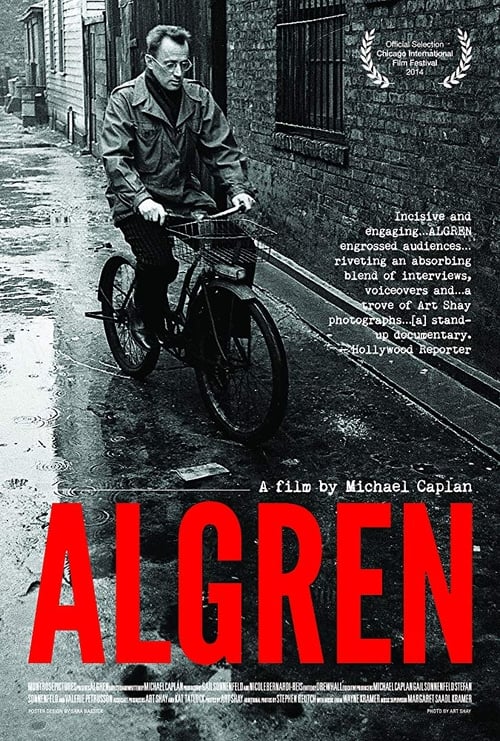
Algren will spotlight the hard-knock life and authentic creative legacy of one of the most underrated writers of the twentieth century, Nelson Algren. Algren's brutally honest portrayal of the American underclass and his hard-nosed lifestyle became his pathway to compassion. Through interviews with Algren contemporaries, experts, and "literary soulmates," as well as through the photography of Algren's friends, Art Shay and Stephen Deutch, the film will tell his story. It will celebrate his tremendous contribution to and influence on American letters, and push Algren, champion of the marginalized, out from the margins.
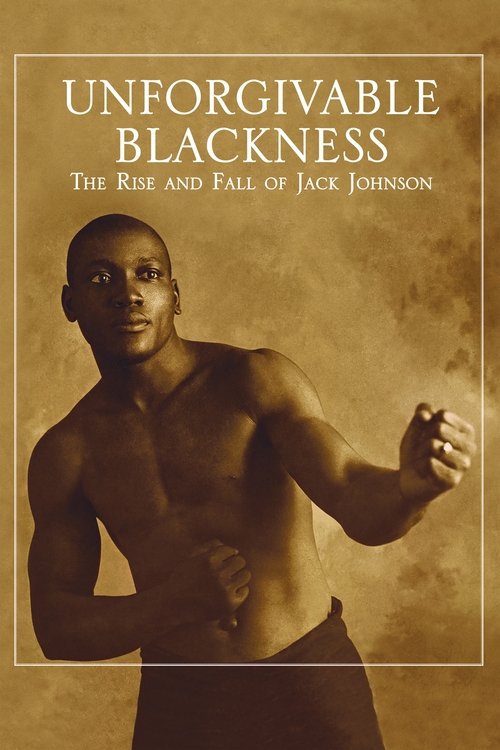
The story of Jack Johnson, the first African American Heavyweight boxing champion.
A chronicle of the history of baseball in the movies. Includes interviews with the directors and stars of some of the most memorable baseball-themed films.
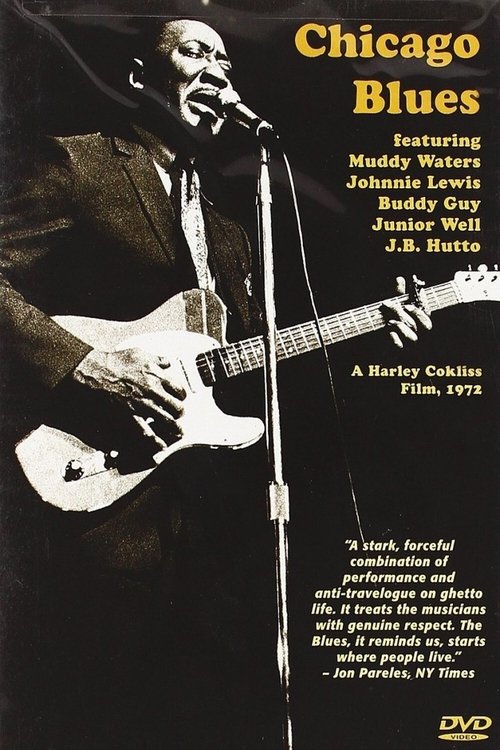
Harley Cokeliss's Chicago Blues filmed in 1972 was a remarkable film; remarkable in that it was not just a competent documentary but a film crafted with care by professionals with a love and understanding of music and a respect for its history and artists. The music and its artists of Chicago Blues reflect faithfully the structure of the city's Blues activity of the late '60s from unknown amateur to world famous stars, from house to small bar, from traditional down home to modern city style. Thus Johnny Lewis, a housepainter who played for his own amusement at home and was almost a discovery of the film team, to Muddy Waters, Chicago Blues' most famous figure.
The Big One is an investigative documentary from director Michael Moore who goes around the country asking why big American corporations produce their product abroad where labor is cheaper while so many Americans are unemployed, losing their jobs, and would happily be hired by such companies as Nike.
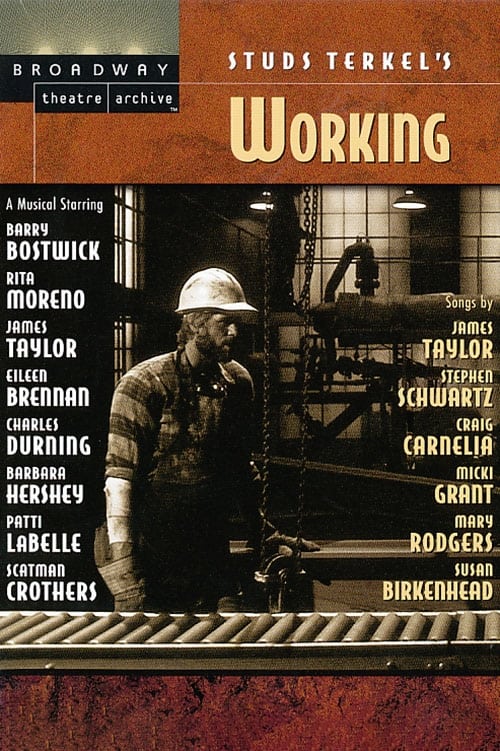
This musical adaptation of the Studs Terkel book examines the average worker's viewpoint--showing that he or she is anything but average. Based on a series of interviews with real working people--construction workers, waitresses, firemen, secretaries, and cleaning women, Working is both an exploration of the individuals' occupations and a lament for lost hopes and dreams.
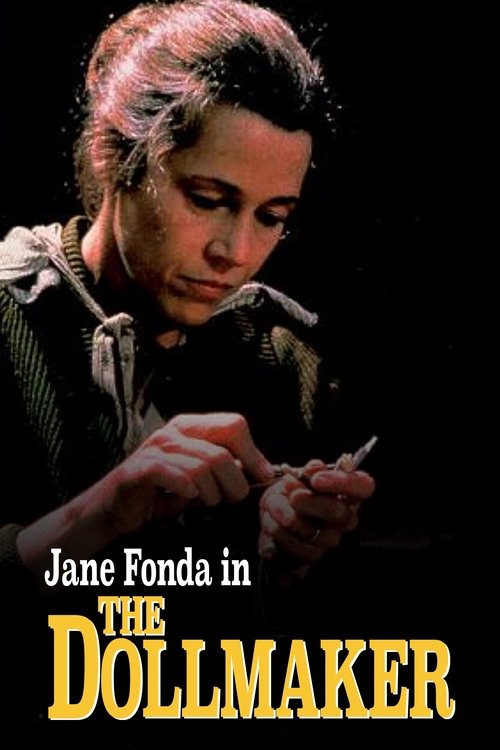
During World War II, hard-luck farmer Colvis Nevels leaves his rural Kentucky home to take a factory job in bustling Detroit. Reluctantly accompanying Colvis is his long-suffering wife, Gertie, a talented woodcarver set in her traditional ways. When the perils of city life and Colvis' reckless squandering of money send the Nevels into precarious financial straits, Gertie starts a business making hand-carved dolls in order to provide for her family.
This documentary features acclaimed Chicagoan broadcaster and Pulitzer Prize winner Studs Terkel talking about the value of oral history and the voice of ordinary working Americans.
Biography of Norman Corwin, the great writer, producer and director of the Golden Age of Radio. Actors in his radio plays included Orson Welles, Jimmy Stewart, Charles Laughton, Danny Kaye, Paul Robeson and Judy Garland.
On May 8th, 1945, writer, director Norman Corwin broadcast ON A NOTE OF TRIUMPH, an unforgettable homage to the end of war in Europe. This film shines a light on a lost work of genius, and examines it's haunting resonance to today's current events.
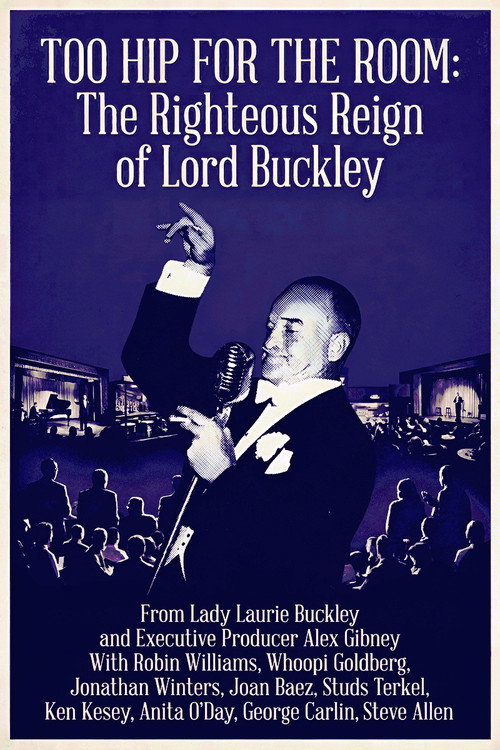
'Too Hip For the Room' is a feature length documentary exploring the eccentric life and art of the little known jazz humorist Lord Buckley. Archival materials, intriguing presentations of Buckley's most mind bending audio performances, and insightful interviews with Whoopi Goldberg, Robin Williams, Jonathan Winters, Studs Terkel and many others weave together a portrait of a unique American persona. Part preacher, part hipster, Buckley sermonized on everything from hydrogen bombs to Jesus Christ. He counted both Al Capone and Laurence Olivier as fans. During his heyday, the kings and queens of comedy and jazz sat eagerly at his feet to hear the word of 'The Lord', yet he rarely if ever fill a nightclub. Lord Buckley may simply have been 'Too Hip For the Room'.