Jan Richtr
Sound
Known For
No description available.
Mlsné medvědí recepty

The availability of housing is a big topic today. It has the strongest impact on those who participate least in the public debate – low-income households, minorities or single women. The film follows a group of activists around Martin Freund, a representative and member of the Live Brno movement, as they try to persuade politicians in the second largest Czech city about their vision of affordable housing.
Housing against Everyone
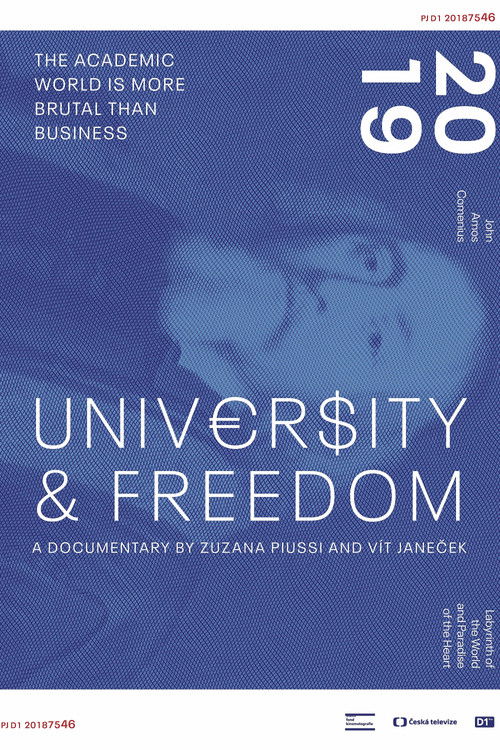
Our era is marked by the transformation of social institutions, with universities central to Euro-American civilisation’s development. Despite past persecution, universities have become bastions of free thought and knowledge, crucial to democratic culture. However, commercialisation and massification have introduced challenges affecting teaching, research, self-governance, and the system overall. How do universities maintain academic freedoms, and what are the consequences of their failure? Can we identify and address these challenges?
University and Freedom
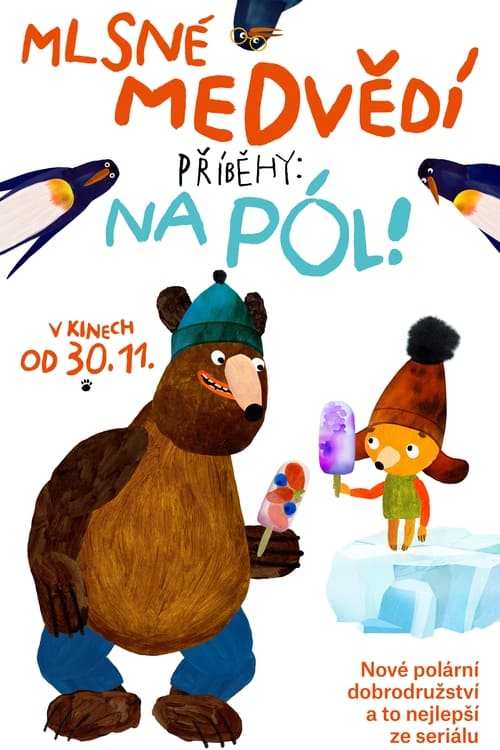
Inseparable bear friends, big Nedvěd and little Miška, return to the big screen in a brand new polar adventure. This time, the furry friends with perpetually hungry bellies decide not to hibernate and, at the invitation of a polar bear, set off for an ice cream festival at the distant pole. Along the way, they meet and help each other with new animal friends from different corners of the world. Will they manage to find the pole and taste the delicious popsicles? After their challenging journey, the sweet-toothed Nedvěd and Miška reminisce about the best moments from the bear series – what it was like when they craved potato pancakes, the first-class deer chef, the unexpected visit from Mojmír the bat, and what happened when they picked all the plums from the animals' orchard. There are also cheerful songs that you won't be able to get out of your head and a recipe for unique homemade ice cream. Nanukům brum!
Mlsné medvědí příběhy: Na pól!
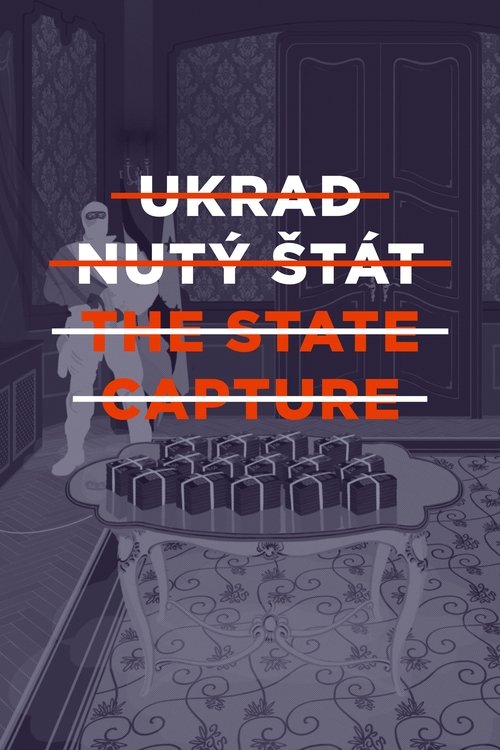
The film gives a complex insight into the gap in political reality of Slovakia - one of the EU countries - which became visible after an investigative journalists Ján Kuciak and his fiancée has been brutally murdered at their home. Following mass demonstrations led to substantial changes in the country's government, but the film doesn't follow history, but much more the universal processes behind the curtain. Journalists, (ex?)-officers of secret services, lawyers and analysts helps to reveal detective story in search of whom ordered to murder a journalist and an innocent girl. But main concern of the film is to reflect mechanisms of oligarchy and mafias (including the Italian) to blackmail key players of the system, to influence public perception and to penetrate police, judiciary and the government in their efforts to rule the country in the ways leading to their profits.
The State Capture
What impact do the Olympic Games have on their host cities? Athens, Tokyo, Beijing and Paris – cities that have changed the urban layout of entire neighbourhoods for the Olympics, transforming their appearance forever. Unused sports stadiums are falling into disrepair and grass is growing over them, while public attention is focused on the construction of new stadiums costing billions, displacing thousands of residents who have to make way for them. The director travels to Olympic host cities to explore this unsustainable cycle, which has a devastating effect on the city's economy, the environment, and the lives of ordinary people.
Olympic Halftime
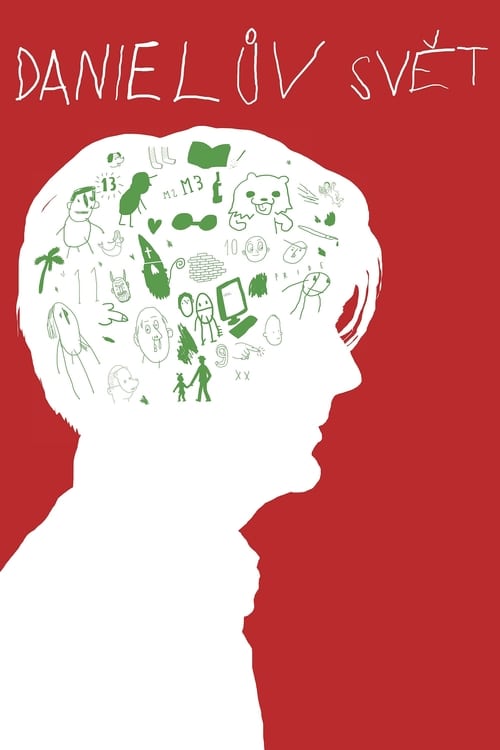
Daniel is a young man. Daniel is a student and a writer. Also Daniel is a pedophile. He is in love and makes no secret of his sexual orientation; even not in front of the parents of his beloved boy. Daniel has never hurt any child. What is the way of the most intimate of feelings in Daniel's and his friends' heart? The film introduces the rises and falls of people living with pedophilia. It portrays Daniel and the Czech community of pedophiles. It narrates a story of forbidden love and a constant struggle to come to terms with oneself and the society.
Daniel's World
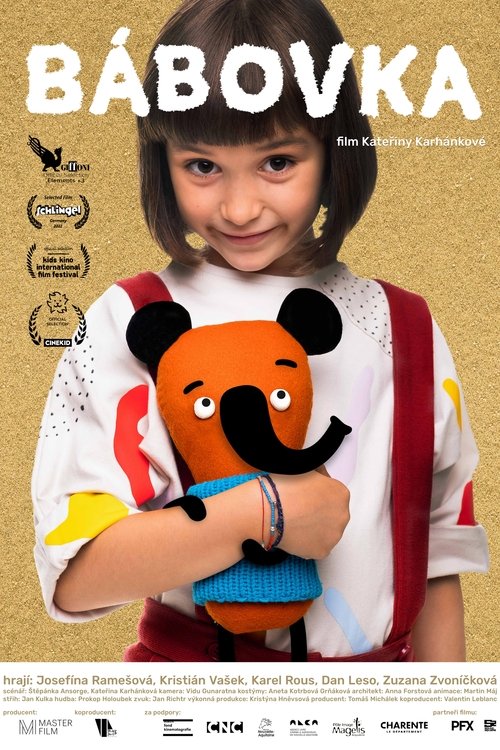
Mína with her Toy friend are having fun in a sandpit. Suddenly, mud pies are stamped out and the Toy is captured by cycling Totemites! Only the youngest one, Tricycler, feels sorry for the Toy. To save the Toy tied up to a high Totem seems impossible. Our heroes need to overcome risky challenges including digging tunnel under the playground and bike chasing. Finally, Tricycler gives Mína a hand and a new friendship is born.
Sand Pie
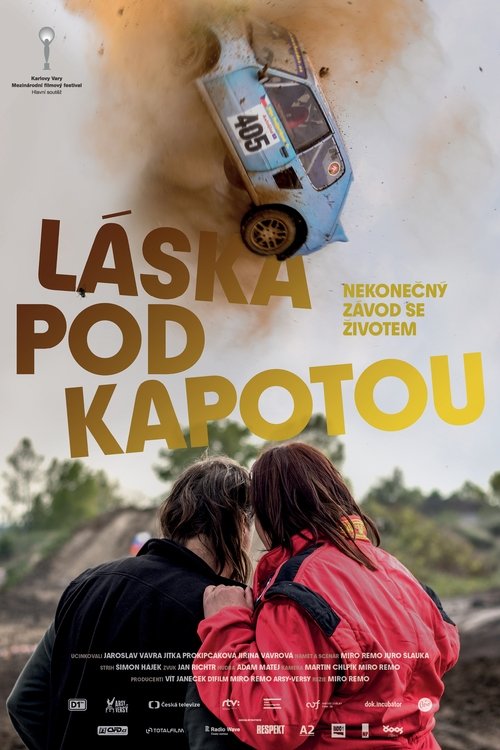
Fifty-something former miner Jaroslav has always dreamt of a career as a race car driver. In a congenial and jovial manner, he represents not only the charms and struggles (especially economic) of southeastern Moravia, but also the ever more visible chasm between city and countryside. An uncommonly charismatic portrait of a man struggling with the traumas of the past who, with disarming directness, clings to the promise of good luck and a dignified life alongside a new partner.
At Full Throttle
Jara is one of thousands of Czechs who, after being released from institutional care, are suddenly forced to stand on their own two feet. He works hard, trying to give his little daughter and wife the life he could never have. After debt collector seizes the money meant to pay back his loan shark, Jara sets off on a mission to save his family.
Debt
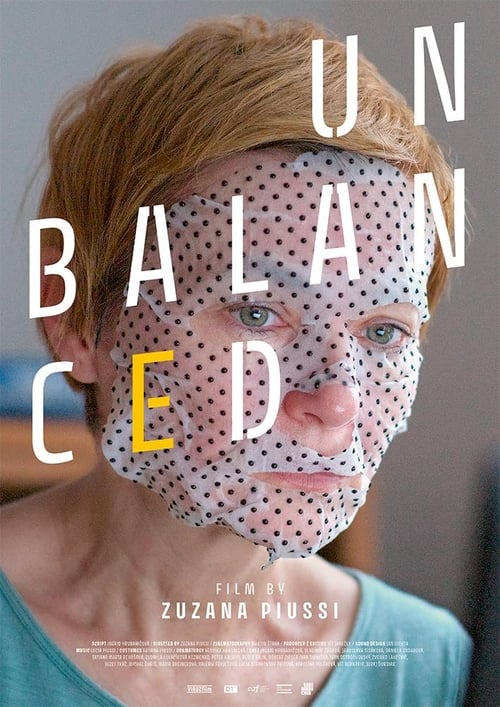
After a painful divorce, 50-year-old Nadia finally finds a good flat for reasonable price for her and her daughter. Too good to be true, and soon, albeit too late, she comes to understand the reason for the bargain. Her close neighbour in the house is mentally ill Valika who terrorises everyone around her. Piussi’s film creates a string of absurd encounters with increasingly menacing effects, but it is – at its core – a fantastically precise film about humanism, its consequences, its possible limits.
The Unbalanced
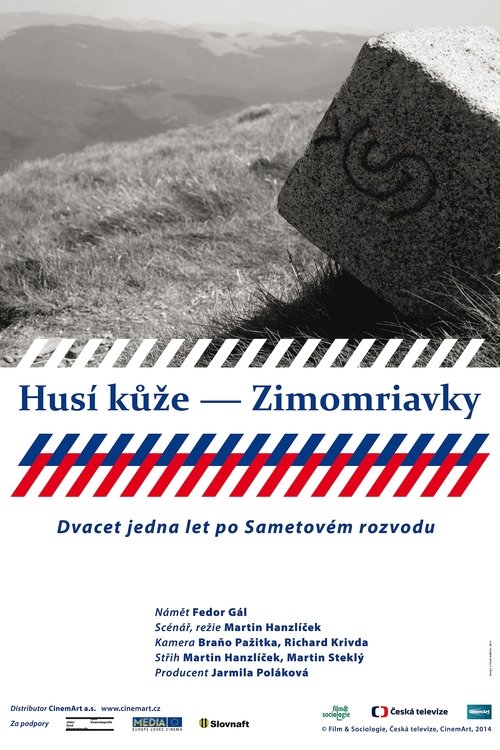
No description available.
Husí kůže – Zimomriavky

Builder who loves to destroy. Shy eccentric, bold alarmist, austere hedonist, and generous usurper. Inventor of life. He would never stop dismantling and demolishing until he got what he wanted. Walls and objects would cease to exist; a captured light would be all that was left. A life of a man who never gave in and was admired as well as beaten for it. Can one stick to one's precision and purity without liquidating oneself and his surroundings? Is it possible to live with a visionary? What is the price of living without compromise? Collage as a method, fragments of memories, searching for one’s identity, ich-form. A feature documentary about the life and death of a radical architect David Kopecky.
DK
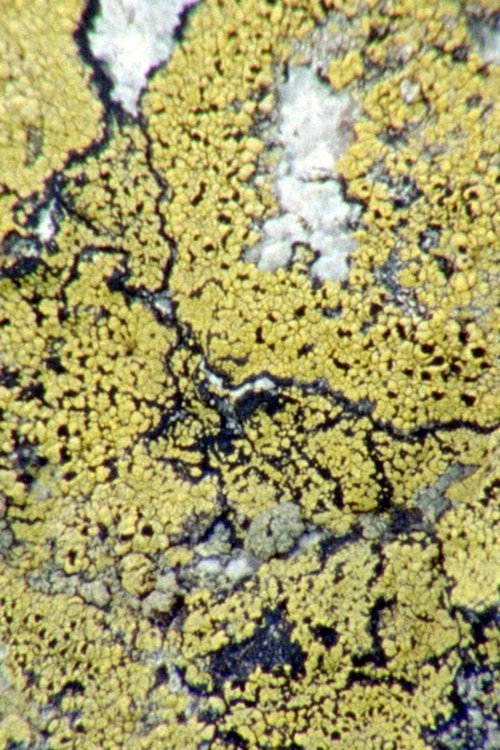
There are nearly twenty thousand species of them, they have been on Earth for hundreds of millions of years, and they play an indispensable role in many ecosystems. Yet lichens are usually overlooked. Ondřej Vavrečka decided to take a closer look at these fascinating organisms. His view, like the accompanying dialogue between experts Trevor Goward and Curtis Randall Björk, is both scientific and contemplative. For him, lichens represent not only a form but also a way of life. They show that an alternative to the constant expansion and reshaping of the environment can be the establishment of symbiotic communities in which every life has equal weight.
Lichens Are The Way
The film is an insight into a teacher's soul and a contemplation upon his teaching fate. This portrait of a unique, experimental filmmaker and teacher Martin Čihák takes a look at his teaching methods, his meetings with his students at FAMU and at a park where they work with film, or in his studio.
Didactica Magna: Against the Grain
Nora, Kendy, Ivan and Andrej are enjoying their night out. Sparks are flying between Ivan and Nora, chemistry is working its magic - opposites attract. A non-verbal film about what we have all, each in our own way, experienced. It may not have been always pleasant, often not by any fault of ours.
I Like Nora
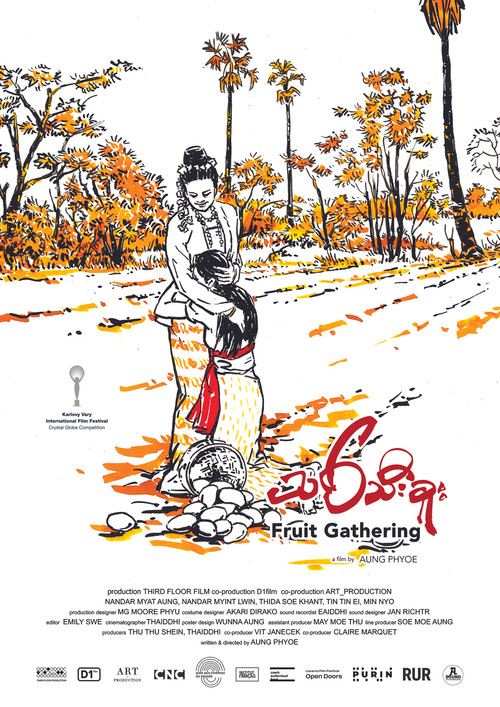
In industrial Yangon, young factory worker San Kyi dreams of returning to her native village. Her relationship with co-worker Theint Theint Oo evolves from closeness to growing distance, revealing tensions between their expectations and life prospects. Amid exhausting labour, social repression, and economic uncertainty, both women seek escape and intimacy. San faces family pressure, emotional confusion, and a deep yearning for a life of dignity. The film delicately portrays female friendship and the fragile balance between intimacy, longing for change, and the social realities of contemporary Myanmar.
Fruit Gathering

A hole gapes in a house wall. A small flaw, something imperfect that we seldom consciously direct our attention to. Filmmaker Ondřej Vavrečka finds holes in every corner. His focus is on the imperfections of human existence. A hole can also mean an uncertain future, or an empty stomach. The gap that partners leave behind after a breakup. Ondřej Vavrečka does not only deal with visible holes. He looks at the incomplete from a philosophical perspective. He also lets a nuclear physicist, a theologian and an ethnologist have their say. He underscores their thoughts and theses with absurd everyday scenes: a woman with a chair on her head or an invisible skier. These scenes combine with interviews, sounds and stop-motion sequences to create a playful collage.
Personal Life of a Hole

The forest is cultivated with a saw. At least that’s still what forestry schools teach. But what does a healthy forest actually need? Foresters and hunters see the forest as an agricultural commodity and nature as something that must be constantly regulated and managed. On the other side stand conservationists – advocates of non-intervention, who believe the forest can take care of itself without us. Where does private ownership stand in this conflict? And is a human’s right to use natural resources in their surroundings superior to the bear’s right to do the same? Slovak forests have become a battleground – but also a proxy issue of a social conflict that runs much deeper than it first appears.
Voice of the Forest
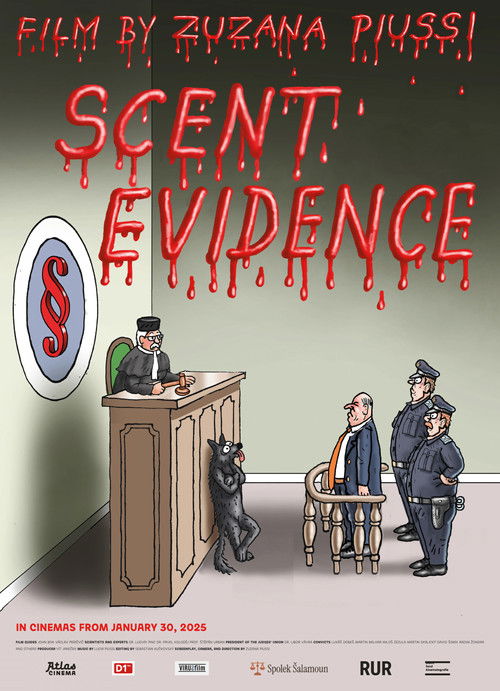
The scent trail as an evidentiary method in criminal proceedings was invented in the USSR and subsequently developed by the East German secret police and widely used against opponents of the regime. Since the 1980s, it has become a common part of police and judicial practice, even in the post-communist Czech Republic. Zuzana Piussi's latest film continues the director's investigative work dealing with the problematic construction of reality and dead ends in Central European justice. It follows the fate of people who seek retrials of unfair court proceedings and, in the wake of this, asks whether the method of proving the presence of a person at a crime scene based on the scent detected by a dog is really impartial or how it is possible that a scent trail is often sufficient as the only evidence to convict suspects, even though it is questioned by scientists.