Camera
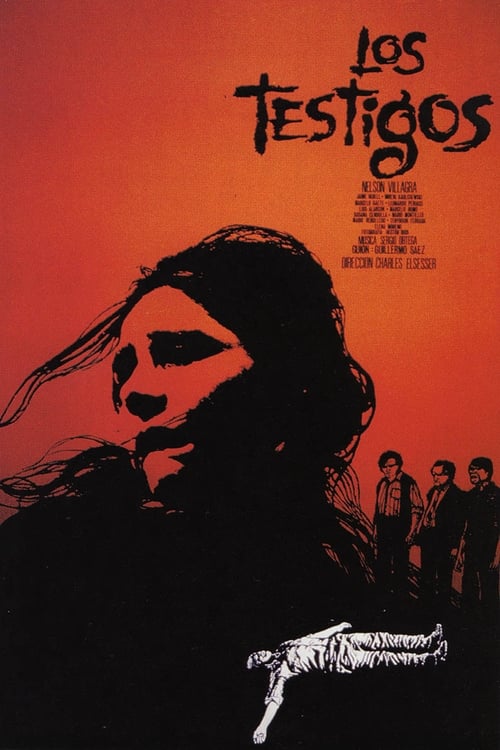
This stark Chilean melodrama concerns itself with the plight of slum dwellers living outside Santiago. For many years they have, with great difficulty, been faithfully paying small sums to a real estate man. This man has said that by doing so they can obtain title to the miniscule plots of land their houses stand on. In fact, he has been swindling them and does not even own the land he has been "selling." One of the aggrieved slum dwellers confronts him about this while he is visiting the slum, and the real estate agent shoots him before everyone's eyes. The question confronting these witnesses is whether testifying against this monster will make their lives even more precarious.
Unfinished film made by Aldo Francia in 1966. It tells the story of a solitary subject who walks the streets of Valparaíso.
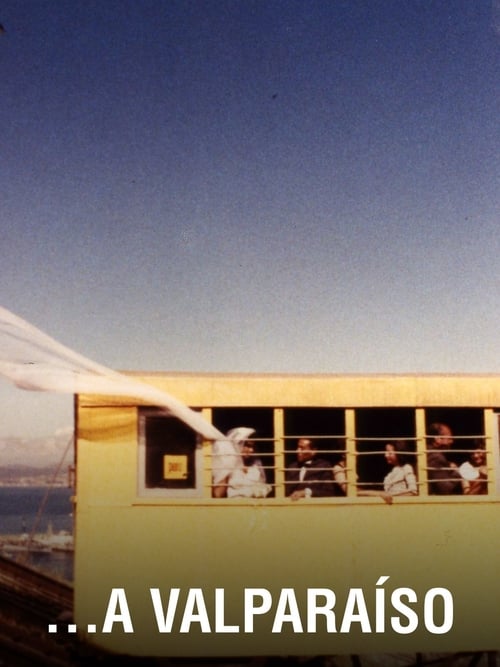
In 1962 Joris Ivens was invited to Chile for teaching and filmmaking. Together with students he made …A Valparaíso, one of his most poetic films. Contrasting the prestigious history of the seaport with the present the film sketches a portrait of the city, built on 42 hills, with its wealth and poverty, its daily life on the streets, the stairs, the rack railways and in the bars. Although the port has lost its importance, the rich past is still present in the impoverished city. The film echoes this ambiguous situation in its dialectical poetic style, interweaving the daily life reality (of 1963) with the history of the city and changing from black and white to colour, finally leaving us with hopeful perspective for the children who are playing on the stairs and hills of this beautiful town.
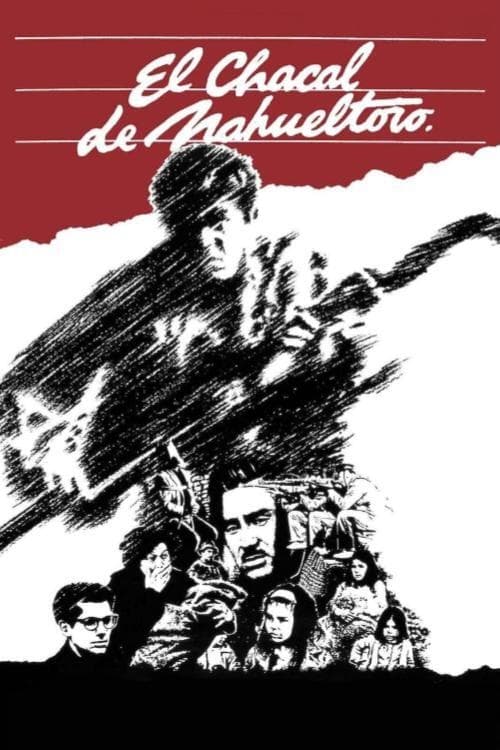
Based on an actual murder case that ignited a furious debate over the death penalty in Chile in 1960, this experimental social drama portrays the life and death of an illiterate peasant who, while drunk, murdered the woman with whom he had a relationship and her five children.
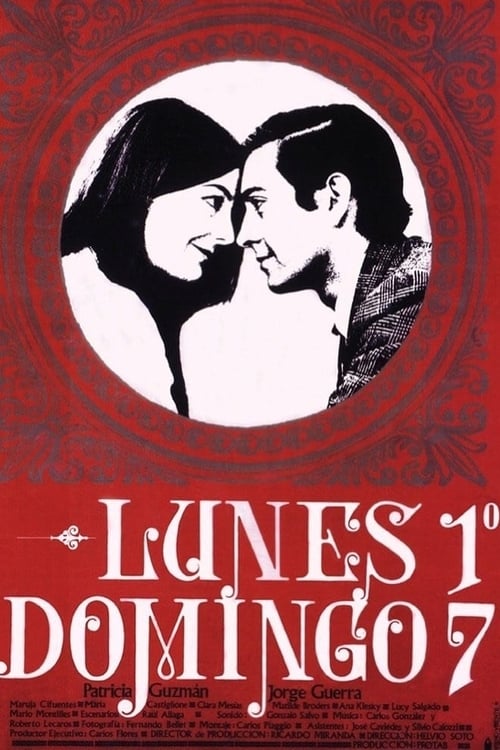
Starts a love story between an art student and a medical student, narrated from Monday to Sunday.
Sequences that illustrate moments in a woman's life, in parallel to the political events happening in South America during the 60's.
We remain on the street, this space that is perhaps the great territory of invention for Latin American cinema. Held at the Centro de Cine Experimental of the Universidad de Chile - one of the most prolific and enduring poles of militant cinematographic production at the time -, this experimental fiction about class relations is one of Miguel Littín's first films, which would become one of the central references of the political cinema in Latin America. Por la tierra ajena was one of many films that sought to take part in the process of raising awareness that would lead to the election of Salvador Allende in 1970.