FEEL IT.STREAM
?

Erwin Anders

Camera

Biography

Erwin Anders ( September 8, 1908 - June 30, 1972 in Potsdam ) was a German cameraman. Anders trained as a precision mechanic from 1922 to 1926. He then began working as a photo laboratory technician at Zeiss-Ikon in Dresden. In Dresden he trained at the technical school from 1928 and finished his apprenticeship in 1930. From 1933 to 1945 he headed the film studio at Zeiss-Ikon and then worked as a cameraman at DEFA Production Saxony in Dresden from 1946 to 1951. From 1955 until his death in 1972 he worked as a cameraman in the DEFA studio for feature films in Potsdam-Babelsberg and for German television . His mentors included Karl Plintzner. Anders made numerous satirical short films in the series Das Stacheltier . Anders also directed one film: together with Christoph Engel, he made the children's film Das Zaubermännchen in 1960 .

Known For

Friendship Triumphs
10.0

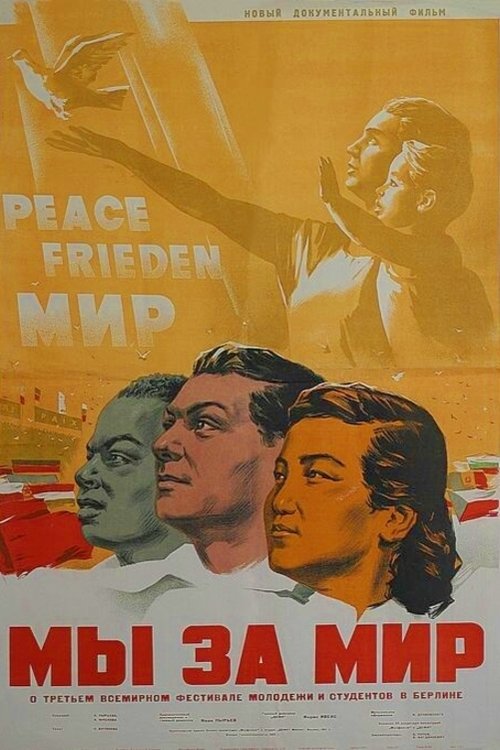
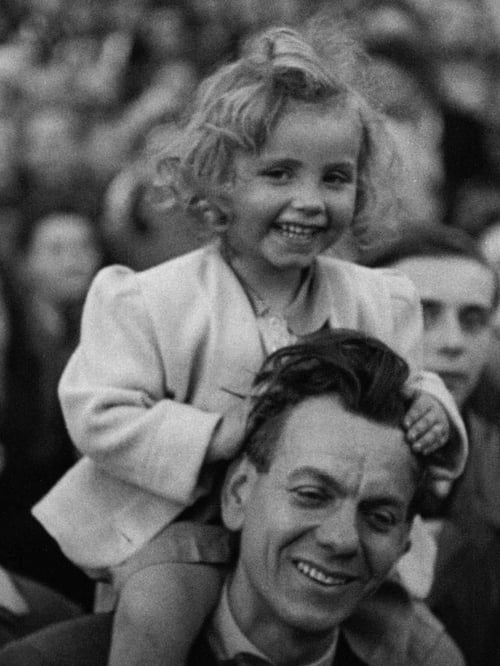
Film about the third 'Weltfestspiele der Jugend und Studenten für den Frieden' in East Berlin, 1951. West Germany is represented as a degenerate country which has been occupied by the Americans and is still inclined to fascism. We see the construction of the stadium, the departure and arrival of the delegations, the opening and closing by Enrico Berlinguer, a sports event, the parade of the delegations, a visit to Potsdam, folk dancing, and police violence against youngsters from West Berlin who want to visit East Germany because of the games. The film is interlaced with shots from the Korean War and a parade by NATO-troops in West Germany. Featuring Robert Montgomery, Konrad Adenauer, Wilhelm Pieck, Dwight Eisenhower, Robert Leer and Erich Honecker. The crew comprised no less than 24 cameramen. This project was the first great colour film Ivens co-operated in.

Friendship Triumphs

1951Movie
No image

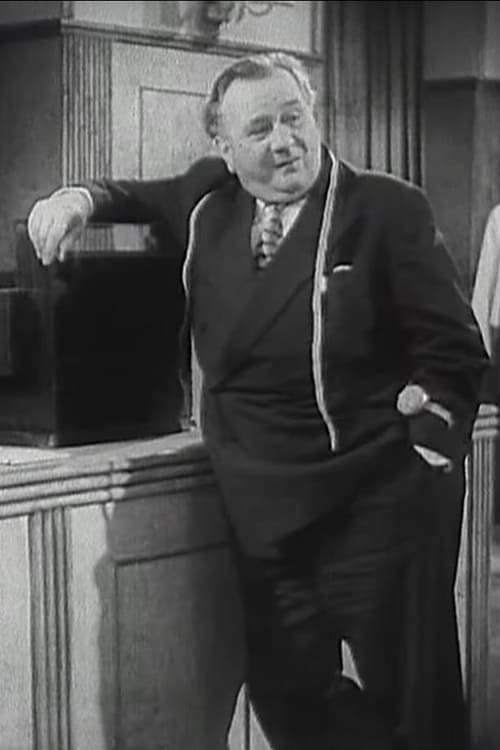
The writer Franz Schmidt reads to two editors from his new romance novel. The two criticize the lack of a problematic portrayal of the joyful life of youth, the role of women and the collective "welding together". He is asked to revise the work again. In his new version, the writer presents - in a staged setting - a pair of lovers who want to start a life together in front of smoking chimneys with a piece of steel from the new production. But even this does not satisfy the two art experts. A couple are kissing in front of the window. They point to it and recommend another revision. Outraged, Mr. Schmidt tells them he is going to write a story about real-life art experts and leaves. Their photo disappears into a folder labeled "superfluous contemporaries".

Das Stacheltier – Eine Liebesgeschichte

1953Movie
Geschichte einer Straße

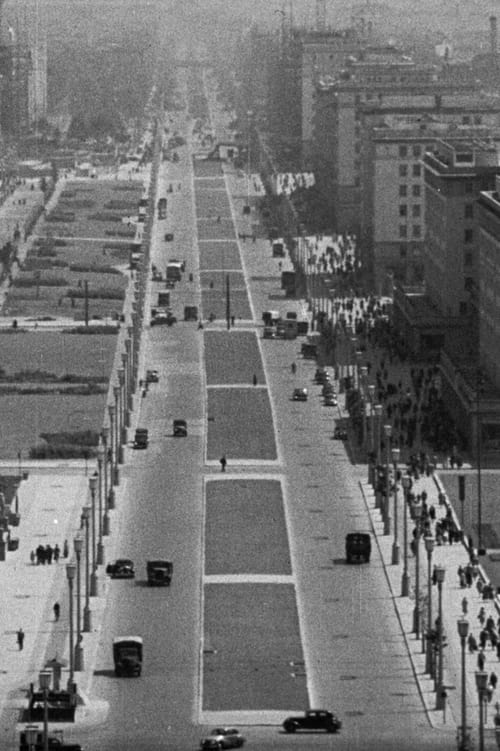
Deocumentary reports on the old Frankfurter Allee, renamed "Stalinallee" in a festive ceremony on December 21, 1949 to mark the 70th anniversary of Stalin's birth. The moving history of the street and the people who lived there from the 16th century to the unification of the KPD and SPD to form the SED in 1946 are shown. In November 1951, the Central Committee of the SED proposed a national reconstruction program for Berlin, which included above all the expansion of Stalinallee with new housing complexes based on the Russian model for the working class. More than 45,000 volunteers came forward to help with the demolition after their daily work in order to drive the construction forward. After a record construction period, the first residents were able to move into their comparatively luxurious apartments on Stalinallee on January 7, 1953. The comments chosen reflect the zeitgeist of the Cold War, with criticism of West Berlin's politics and way of life being voiced above all.

Geschichte einer Straße

1954Movie