Gustav Trombke
Acting
Known For
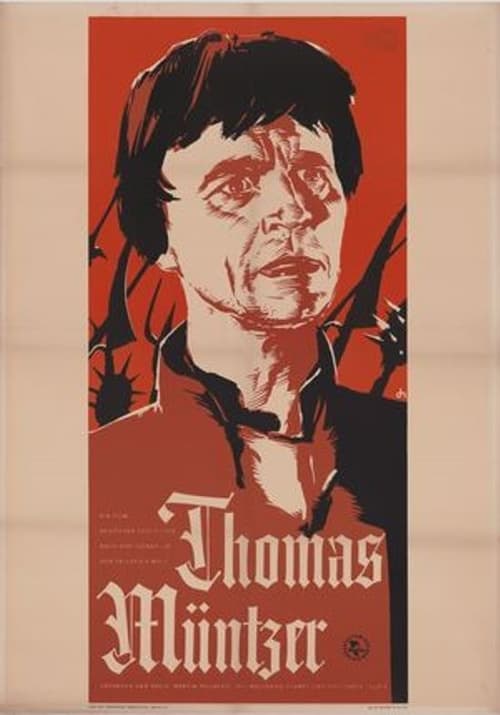
In 1523, young Thomas Müntzer arrives with his wife Ottilie in the Thuringian village Allstedt to assume the rectorate. As a follower of Luther′s teachings, he finds in the Bible not only reasons for clerical, but also for secular reforms. But when Luther turns away from the rural population after a discord with Müntzer, it is Müntzer who becomes the peoples′ spokesman. He is forced to go to Southern Germany, where he convenes with revolting farmers. But his way leads him back to Thuringia. In 1525, he and Heinrich Pfeiffer form the centre of the Thuringian peasant uprising in Mühlhausen, but their success is diminished by the fact that peasants and craftsmen don′t seem to be able to work together. In Frankenhausen, Müntzer becomes the leader of a peasants′ army that is set to fighting the ruler′s army – and sustains a devastating loss. Müntzer is arrested and sentenced to death by decapitation for his insurgency.
Thomas Müntzer
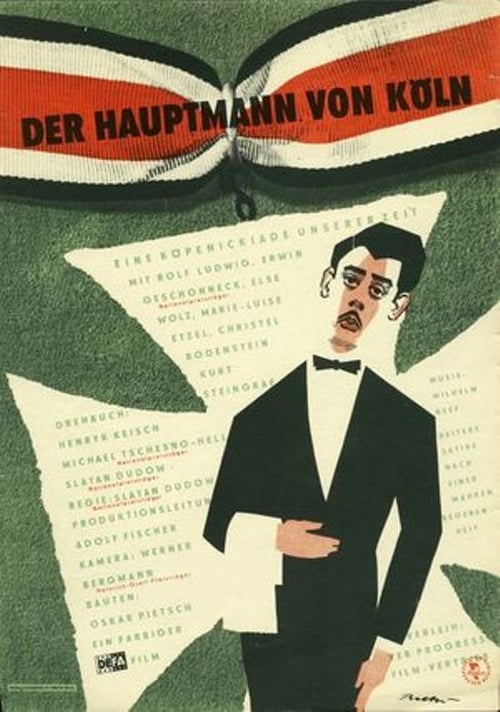
Albert Hauptmann is an out of work waiter in Cologne who is often confused with a former Captain of the Nazi Army. Albert uses this to his advantage and becomes the Director of the Montan Corporation, and a member of the West German Parliament. Herr Karjanke, the real Captain, learns of Albert’s ruse, and wants to claim his "rightful" position in Parliament. But Karjanke cannot come forward until his politicking "Doppelganger" succeeds in passing an amnesty law for war criminals. When Albert is finally brought before a judge on charges of fraud, he learns that this own amnesty law does not apply to him.
The Captain from Cologne
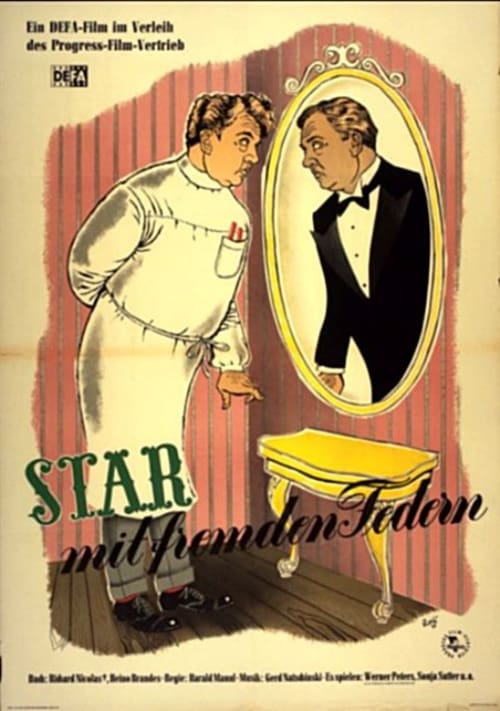
A striking resemblance between the hairdresser Franz Blume and the famous actor Günther Kolmin leads to a curious mix-up during a vacation in Feuerstein. Blume's initially shy attempts to defend himself are unsuccessful. It is believed that the star wants to maintain his incognito. And the hairdresser soon takes a liking to the role of the adored one, especially as Miss Petri never leaves his side. When the real Kolmin finally arrives on the scene, the embarrassment is almost unbearable. In the end, Blume is happy to be himself again and returns home to his fiancée in remorse.
Star mit fremden Federn
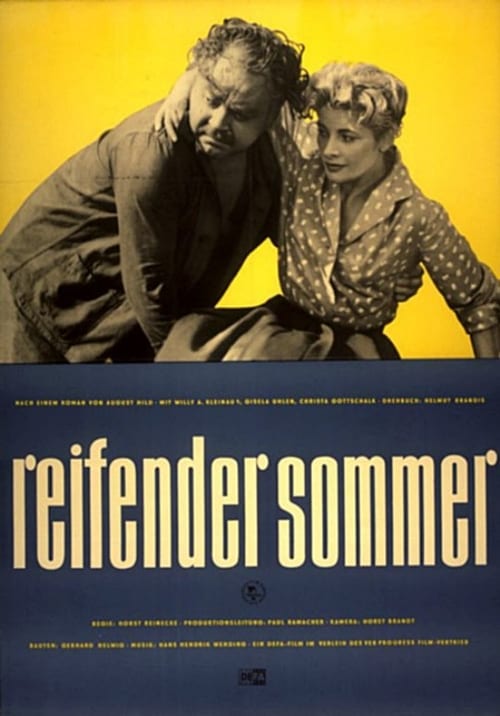
In 1952, former farmhand Erich Kattner arrives in a Mecklenburg village from West Germany to take on a new farming job, which he had originally planned to do together with his wife. She has died shortly beforehand, and so he finds himself alone with the almost unmanageable work. His predecessor has capitulated, the new house and barn are only half-finished, tree stumps still have to be cleared in the fields and much more besides. He is skeptical of outside help. He asks Thekla, the maid of the richest farmer, whom he met on his first day in the village, to start working for him, but she refuses. When she does start working on Erich's farm after an approach from her "master", he only sees her as a work partner.