Acting
Farah is a talented wedding planner who has kept her heart locked up ever since the man she was supposed to marry vanished on their wedding day five years ago. When her boss hands her his new wedding to organise, she discovers the groom is that same man — now engaged to someone else. A warm, bittersweet Lebanese romantic comedy-drama starring Dana Mardini and Nicolas Mouawad, adapted from the Turkish hit İyi Günde Kötü Günde.
A man entrusts Abu Al Makhraz with a huge sum of money and disappears. When Abu Al Makhraz dies, his family finds themselves pitted against his relatives.
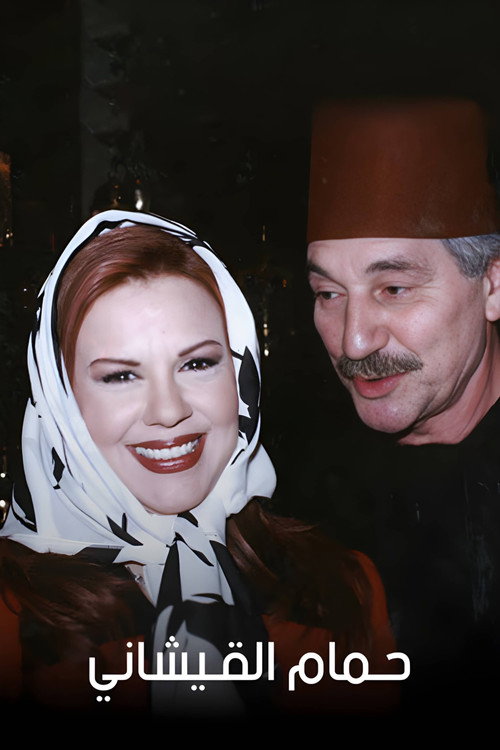
The series goes into details of the events that Syria went through between the years 1955-1959, including the tripartite aggression against Egypt in 1956, the establishment of unity between Syria and Egypt, and the revolution against the monarchy in Iraq, through the Qishani neighborhood, where its people work as merchants, lawyers, doctors, intellectuals and other works.
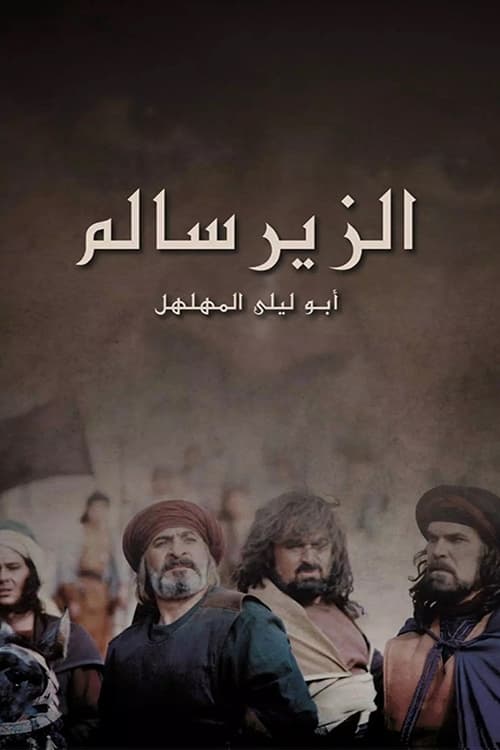
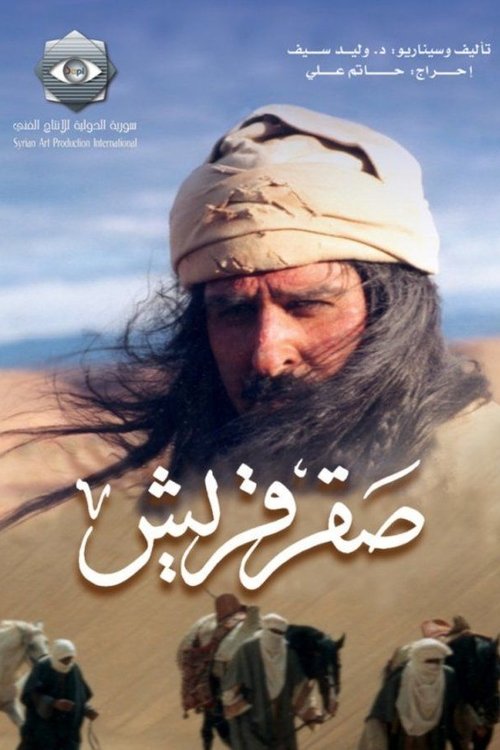
Chronicling the Basus War between two Arabian tribes and their allies, the drama follows the emergence of renowned Arab figure, Al Zeer Salem.
Four brothers, each living a life filled with fear and isolation: Akram (Abdel Moneim Amayri), the eldest brother, is an employee who appears committed and reserved, but in reality suffers from a sexual complex that causes him to fail in his repeated attempts to get engaged; As for Lamis (Caresse Bashar), she is a teacher involved in a forbidden love affair with her friend’s husband; she works to ruin their lives so she can be alone with her lover. As for Hosam (Rami Hanna), is a computer teacher who falls in love with Najwa, a relationship that changes his negative view of women. Basma (Maysoun Abu Asaad), a pharmacist searching for rational love, gets involved with Ghassan (Khaled Al-Qish), only to discover later that he is a deceiver; she breaks up with him and gets involved with someone else who is just as bad as he is. How will things end for these siblings? And will love return to set their lives back on track?
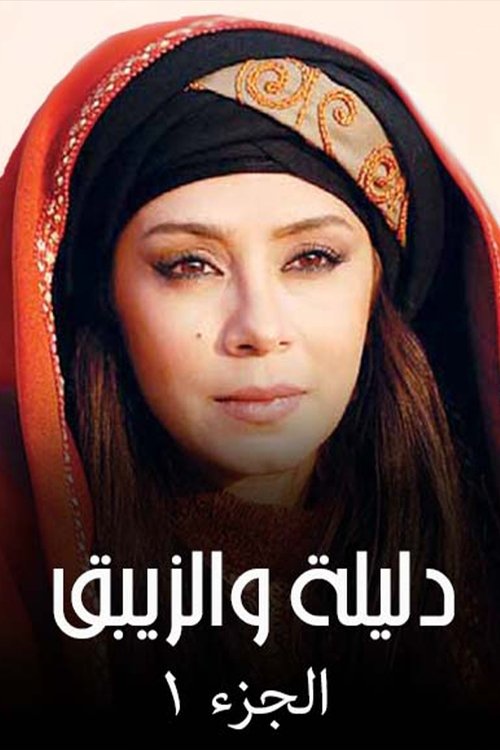
Dalila wal-Zaybaq (دليلة والزيبق) is a 2011 Syrian historical adventure series set during the Mamluk era, spanning Cairo, Baghdad, and Damascus. At its heart is a gripping battle between good and evil — Dalila, a cunning and ruthless woman who stops at nothing to achieve her goals, and Zaybaq, a brave young hero who rises to confront her wickedness after she kills his father. A lavish reimagining of a beloved classic from Arab folklore, starring Karis Bashar and Wael Sharaf.
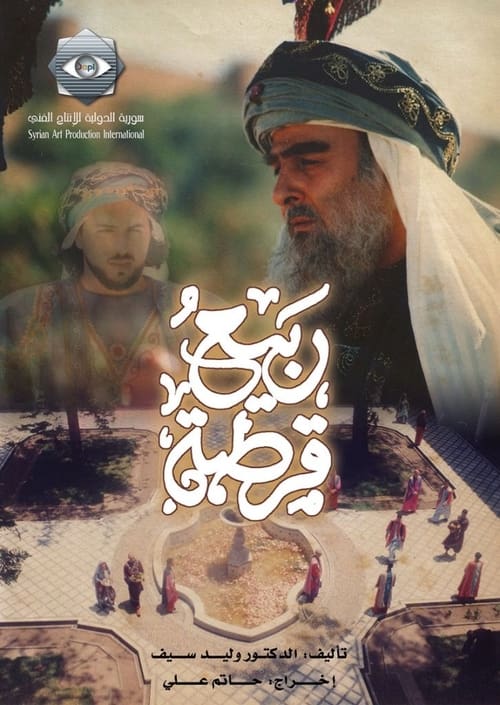
The second chapter of the acclaimed Andalusian trilogy by Walid Seif and Hatem Ali. Set in the golden age of Umayyad Cordoba, it traces the extraordinary rise of Muhammad ibn Abi Amir — known as Al-Mansur — from a young scholar arriving in Cordoba seeking knowledge, to the most powerful man in Andalusia. A sweeping story of ambition, political genius and the glittering, fragile peak of Arab civilisation in Spain. Stars Taim Hassan and Jamal Suleiman.
Events of the series take place in a poor neighborhood, shedding light on the lives of its people, especially the life of an illegitimate young man who makes every effort to be helpful to others.
The series explores the lives of ordinary people in Syrian society navigating personal struggles, societal conflicts, and the gap between dreams and reality
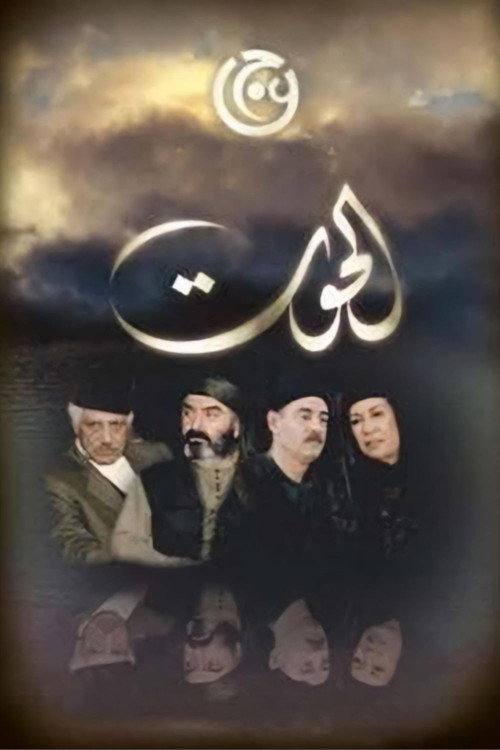
A drama series that tells the story of the coastal environment during the era of the French mandate in Syria, especially the environment of fishermen in light of the exploitation and greed of some people and the bitter struggle of others against the French occupier.
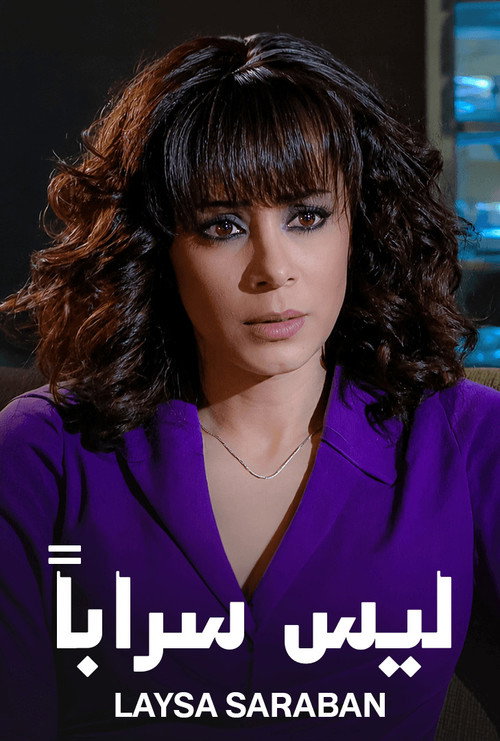
Having spent most of her 20s taking care of her sick mother and her family's household, a sexually repressed woman elopes and has to face the hypocrisies of middle eastern society.
A Syrian family — warm, funny and profoundly ordinary — finds itself facing the impossible choice millions of Syrians faced: stay in a home torn apart by war, or pack up everything and leave. They choose to go. But the road out proves just as punishing as what they left behind, with each episode delivering a new obstacle, a new heartbreak and a new reason to laugh through the tears. From the creator of Lost Village — tragicomedy at its most human.
The show tells the story of a playwright, Jalal, who holds secular views, and his close friendship with Michel, his childhood friend. Michel initially worked as a lawyer but later transitioned to journalism, founding his own magazine in which he boldly addresses societal issues, drawing significant criticism. Additionally, the narrative explores themes of separating religion from civil and political life through a love story between a man and a woman from different faiths: Jalal (a Muslim) and Hanan (a Christian). Their relationship culminates in a secret marriage, which lasts until Jalal’s sudden passing. Throughout the story, the work focuses on two major issues related to secularism: the demand for a civil personal status law that permits civil marriage, and the call for a secular education system that allows students the freedom to seek their own truths instead of being indoctrinated with a predetermined "absolute truth." It also tackles issues of political and social corruption.
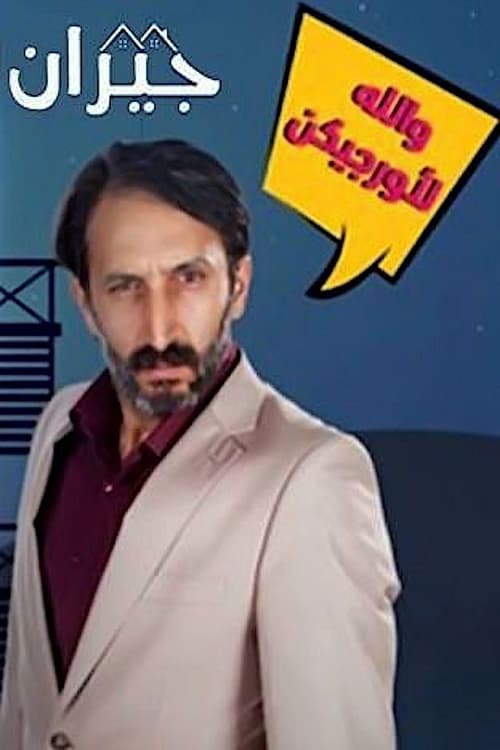
A group of young men and women of different Arab nationalities live side by side in a residential building in Abu Dhabi. The work narrates the daily relationships between them, as well as the differences that may occur between individuals who live under one roof.
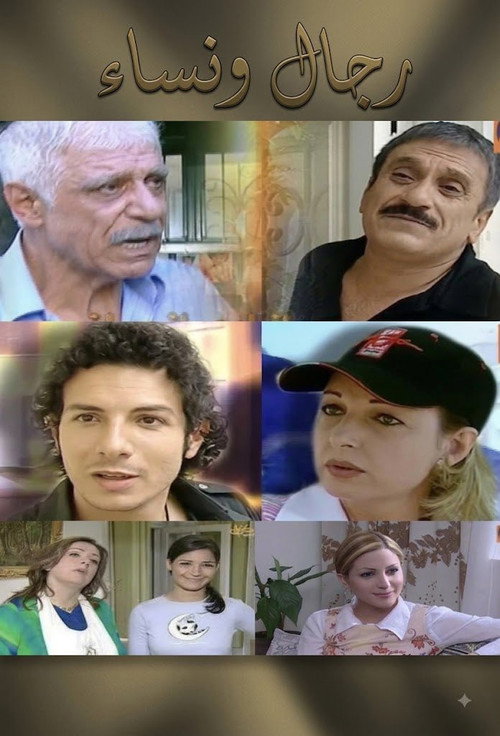
The series examines the change in the composition of the Syrian family, through the life of a number of Damascene families that are connected by a number of intertwining relationships, as love blossoms between the lawyer Riyad El Emary and the interior designer Riad El Merady.
Naji Saeed is a ruthless Damascus businessman who built his empire by climbing over everyone beneath him. When Nader — desperate and naive — walks into his orbit seeking money, he finds there's no clean way back out. A Syrian social drama that traces how class, greed and moral compromise trap people in invisible prisons long before any actual bars appear. Starring Bassam Kousa, Bassem Yakhour and Sulafa Mimar. Directed by Allaith Hajjo.
A retired Egyptian officer working at the Egyptian embassy in Tel Aviv decides to plot revenge against Israel for freezing his bank accounts when he objected to its monstrous conduct in Palestine. In Egypt, he recruits five of his former students to rob Israel’s largest bank.
When the Abbasids overthrow the Umayyad Caliphate in Damascus, slaughtering nearly the entire dynasty, one young prince escapes — Abd al-Rahman. Hunted across deserts and seas, he eventually reaches the fringes of the Muslim world and, through sheer will and political genius, founds a new Umayyad emirate in Andalusia. Written by Walid Seif and directed by Hatem Ali, this is the first chapter of their celebrated Andalusian trilogy — epic, human and historically meticulous.
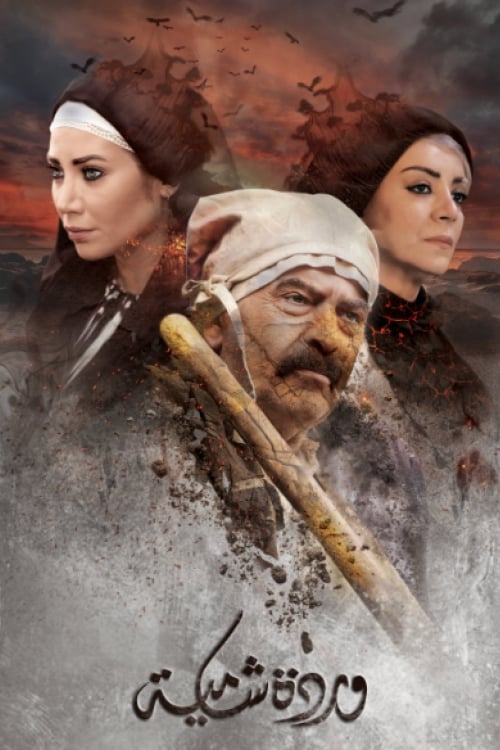
After their step-mother humiliates them and exposes their immoral past, sisters Warda and Shamiya kill and bury Aziza in their house, and all hell breaks loose.
Tucked away in the Syrian mountains, the fictional village of Umm al-Tanafs al-Fawqa has been completely bypassed by modern technology — and its simple, warm-hearted residents have no idea what they're missing. Each episode follows their hilarious attempts to navigate life's big and small dramas with nothing but common sense, stubbornness and each other. A gentle, sharp satire that uses village innocence as a mirror for modern society's complications — described by many viewers as the greatest Arab comedy ever made.