FEEL IT.STREAM
David Askevold

David Askevold

Directing

Biography

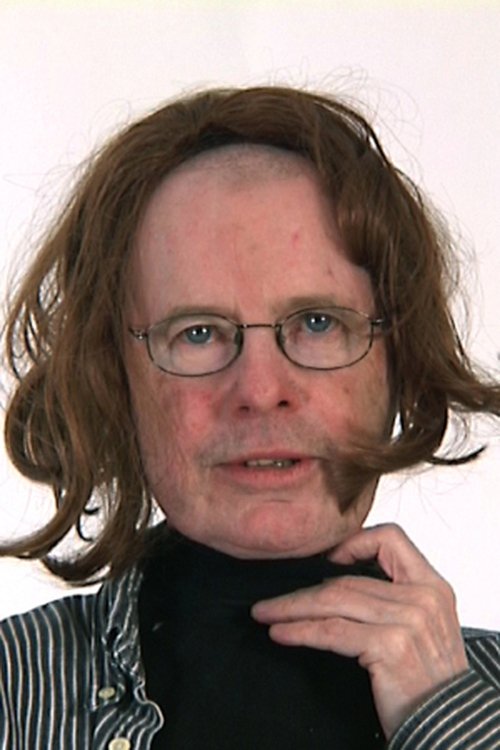
David Askevold was an experimental American-Canadian artist who lived in Nova Scotia. Askevold studied art and anthropology at the University of Montana. In 1963, he won a Max Beckmann Scholarship to study painting for a year at the Brooklyn Museum Art School in New York. In 1966, he enrolled at the Kansas City Art Institute to complete a Bachelor of Fine Arts degree, in Sculpture. Askevold went to Halifax and joined the faculty of the Nova Scotia College of Art and Design in 1968.
Known For

Rhea
N/A

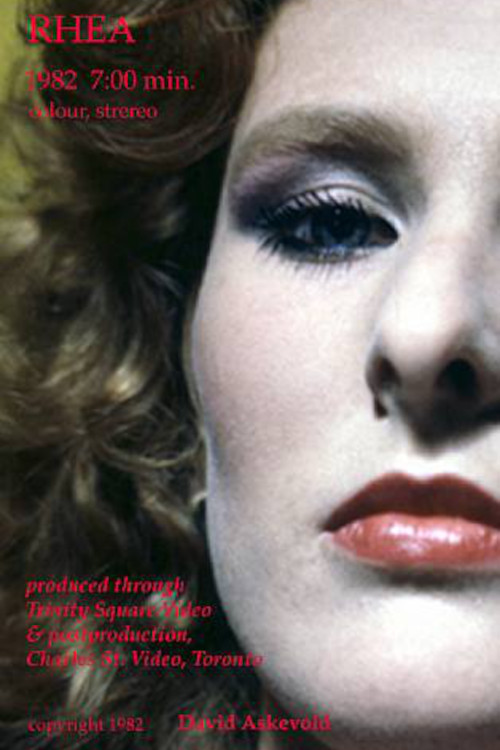
In Rhea (1982), Askevold elaborates on his interest in allusion and implication, using images that seem to be fragments of a larger narrative to suggest, rather than tell, a story. This piece consists of a series of close-up shots of numerous people, each stating a name or phrase. The shots gesture towards the type of staged reaction shot, often used in soap operas or made-for-TV movies, interrupting the linearity of the story.

Rhea

1982
It’s No Use Crying
N/A

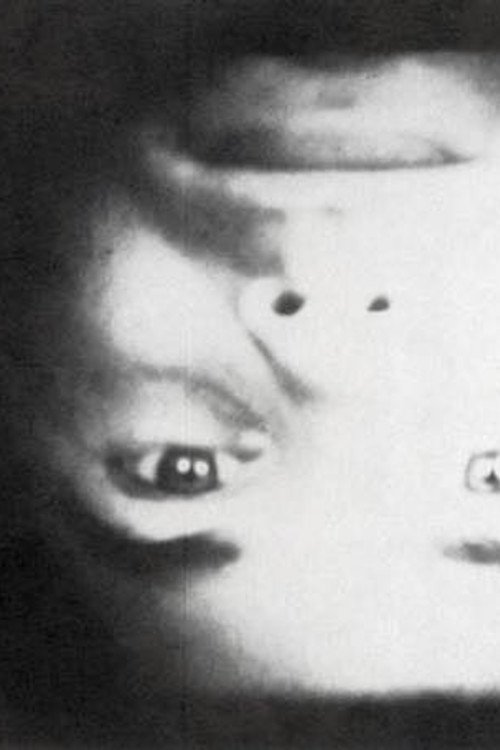
The performer’s upside down frontal head fills the monitor, staring into the camera trying not to blink for the duration of a recording of Ray Charles’ “It’s No Use Crying”.

It’s No Use Crying

1972
My Recall of an Imprint from a Hypothetical Jungle
N/A

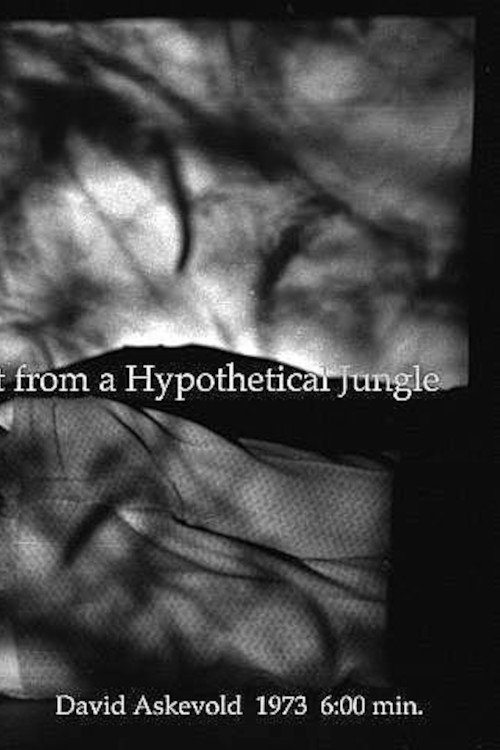
No description available.

My Recall of an Imprint from a Hypothetical Jungle

1973
How Long Have You Known Barbara?
N/A

A man who works for an "issues" related magazine comes to Herring Cove, N.S. to look at photographs by a female photographer for possible publication.

How Long Have You Known Barbara?

1987
Learning About Cars and Chocolates
N/A

"The performer is framed within the open window facing the camera one story above the street below. When a car, van or truck passes below, he asks, 'what color is that car?' An off-camera voice, Jack Wendler, the gallery owner, describes the vehicle while the performer bites into a chocolate and describes its characteristics until another one comes along. This continues until all of the chocolates are gone." - David Askevold

Learning About Cars and Chocolates

1972
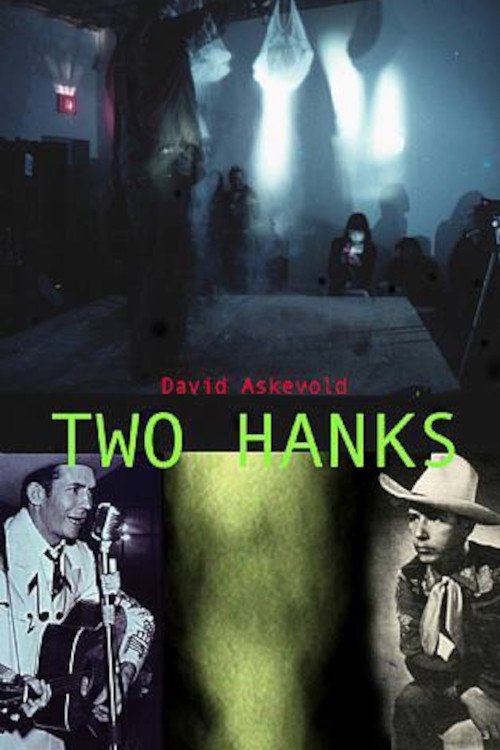
Two Hanks
N/A

This piece is about placing two major recording artists on the same stage together after they have been dead for some time. Since Hank Snow and Hank Williams never performed together during their lifetimes this was a way to bring them together with their two songs, ‘Rambling Man’ and ‘I’ve Been Everywhere.’ The thereminist, Scott Marshall, takes the two songs to another place. Footage of the audience, which was built into the construction of the work, constitutes a component of the video.

Two Hanks

2003
Bliss D.F.²
5.9

"The performer describes how to shrink a head, using an avocado and its pit that is recorded on one audio channel. The other props include a table cloth a pan of water and a wine cork. The second audio channel plays a tape made by Tamara Rand, a sex therapist and psychic who describes how to maintain an erection and how to get away from poor self-image by placing that image in a 'black box' and throwing it away." - Askevold

Bliss D.F.²

1979
No image
N/A

Documentation of an exhibition at the Confederation Centre of the Arts, Canada, 1993-1995.

Cultural Geographies

1995
Fill
3.5

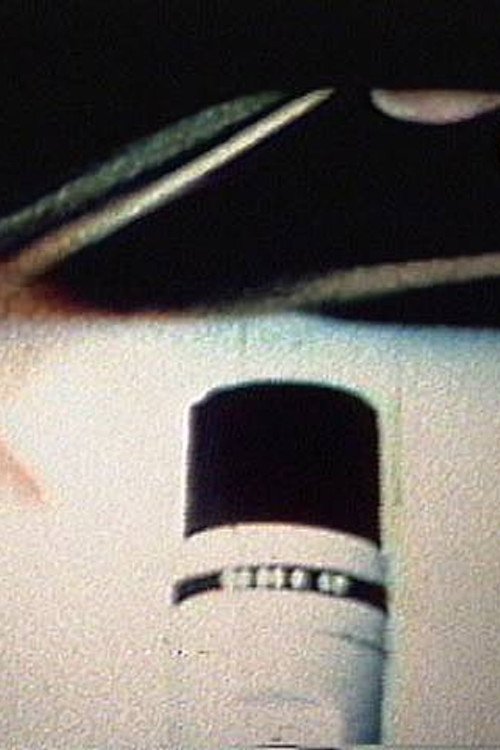
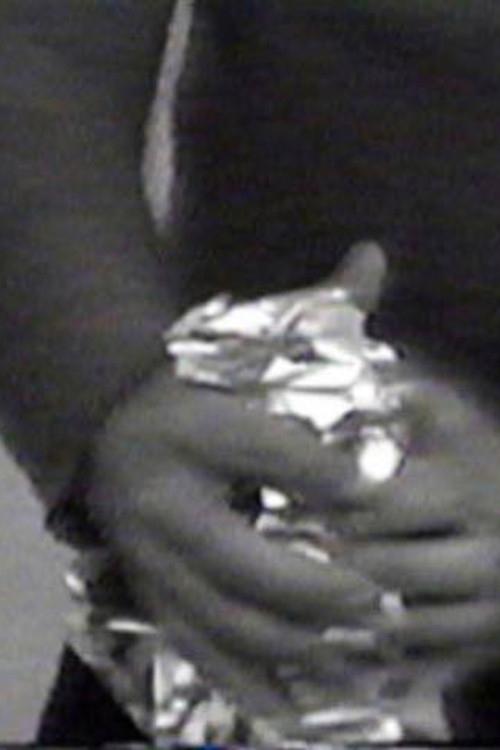
"Fill is my first video; the monitor becomes a picture-sound box. The screen is filled by laying sheets of aluminum foil on a microphone and wrapped one at a time and then unwrapped. The audio implodes during the wrapping and explodes as the sheets are pulled away from the microphone. Besides the obvious reading of physical filling, the title also refers to filling time or a 'filler' between television shows."- Askevold

Fill

1970
Don't Eat Crow
N/A

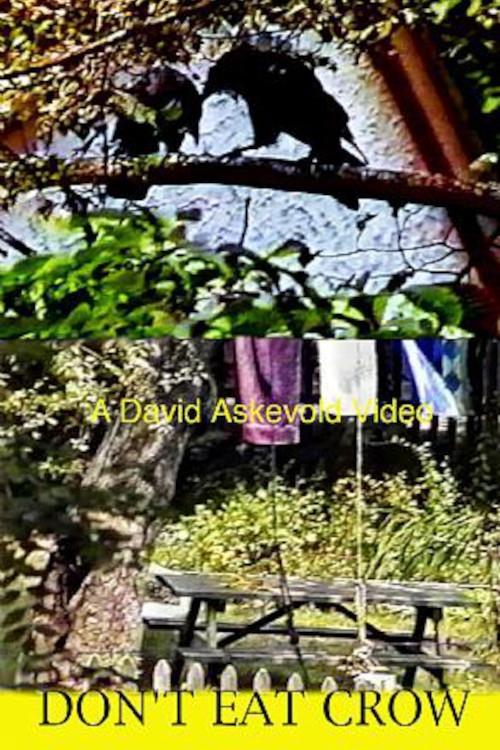
"Don't Eat Crow", a somewhat situational piece, consists of an audio narration by Katherine Grevatt, an unpublished novelist who lives along the South Shore of Nova Scotia. For a full day David Askevold set up a feeder to see the reaction of the crows (who regularly fly around his backyard) to his camera he had placed on a tripod nearby. The resulting footage is juxtaposed with the letters Grevatt wrote to long time friend Norma Ready between October 1993 and July 1994. Background sound consists of appropriated music from the radio and original keyboard music by Askevold created while listening to the three tracks and viewing the edited footage.

Don't Eat Crow

1994
Catapult
N/A

"A disk of wax soaked with lighter fluid is placed on one end of the balanced plywood. I run toward and Jump on the other end, catapulting the wax over my head in hopes of striking a strip of toilet paper, lighting and burning it. (the strips of toilet paper are strung in rows across the parking lot) The performance / film ends when all of the strips have caught fire." - David Askevold

Catapult

1970
Nova Scotia Fires
N/A

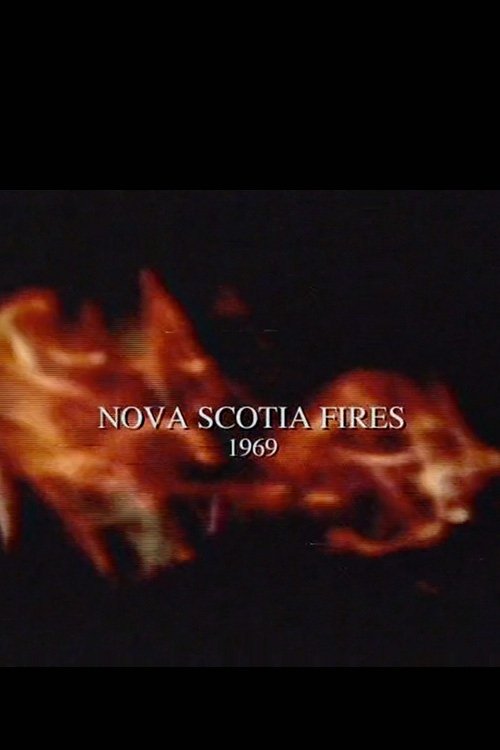
"Along the South Shore of Nova Scotia, I poured a mixture of gasoline and oil on various stone configurations and along some beaches, lit them and filmed the results. I composed a soundtrack with a small synthesizer, tuning forks and voice, processed through a homemade distortion chamber." - David Askevold

Nova Scotia Fires

1969
Very Soon You Will
N/A

The room is dark and a recording of 14 tuning forks is playing in the room. The subject is asked to lie on a cot and relax. An overhead spotlight illuminates the face. She is asked to imagine a soft focus screen behind her eyelids where images will come and go and she is to describe what she sees. She is then told that she "will very soon" experience a violent form of death and I ask her if she is surprised this is happening to her. A consistent set of conditions begin to set in and the dialogue description of the images she is seeing and experiencing takes place. A mild form of hypnosis seems to set in.

Very Soon You Will

1977
Lipstick for the Border
N/A

"The preparation for this video was primarily psychological - to create an atmosphere of expectations of powerlessness to induce a frame of mind resulting in the appearance of a drug induced state. The camera work acts as a controller manipulator producing a hostage-like situation within an isolated environment. The origins of this tape was inspired by the short 1949 film by Kenneth Anger titled "Puce Moment" in which a 'heroine', for most of the piece, elaborately prepares herself to venture outside of her house." - David Askevold

Lipstick for the Border

2002
Rubber Band
N/A

"Holding a rubber band between my thumbs and forefingers, I strum it as fast as I can close to the microphone. The camera is static and runs until the S8 cartridge runs out. The sound is recorded on tape separate from the film, so the audio which sounds like a drum, slowly moves out of synch with the image." - David Askevold

Rubber Band

1971
Six Fifty
N/A

This composition is about the hollowness of material wealth, the poverty of alienation and the different forms they take. This concept is mainly represented by two individuals; a middle aged man who `monologues to an empty chair "(Talking to God)" in a train station. This section is performed by Heath Lamberts. The other section is portrayed by Derik Caines, a painter who grew up in Newfoundland and was living in Toronto when the footage was taped.

Six Fifty

1989
Knife Throw
N/A

"The static camera is placed in a room lit by an overhead controlled lighting system. Two flashlights are strapped to my ankles and the other to one wrist. I begin throwing the tree knives at 20 feet away from the panel and move toward the panel at 2 foot intervals, throwing the set of knives to 10 feet from the surface and then move back to the 20 ft. mark. The lights in the room are dimmed a specific amount at each interval until the room is totally dark revealing only light specks given by the flashlights reflecting off the broken surface of the panel. The soundtrack consists of the knives striking the surface and sometimes bouncing to the floor; a woman's voice is heard speaking: 'stick, bounce, stick, stick, bounce' etc., as each knife is thrown." - David Askevold

Knife Throw

1969
Sixteen Candles
N/A

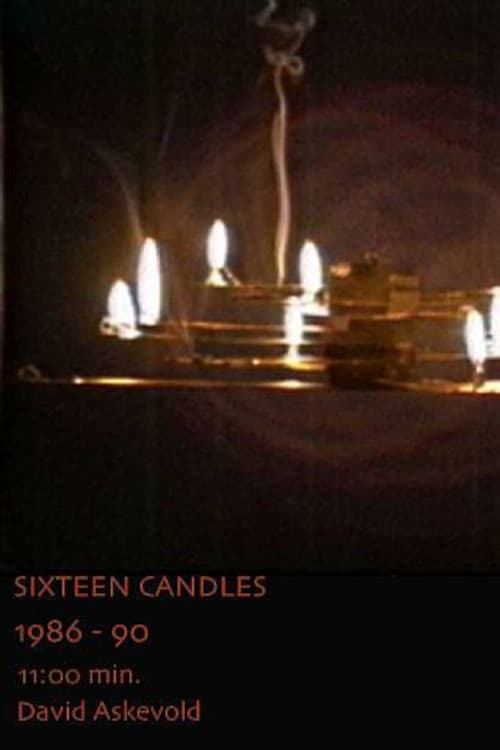
Sixteen Candles is a recording of a constructed candle chandelier which is suspended by a cord, wound up and allowed to wind down for recording in continuous edited time. The sixteen birthday candles while burning down and finally going out, create a moody atmospheric video having the capacity to colour a space.

Sixteen Candles

1990
Green Willow for Delaware
N/A

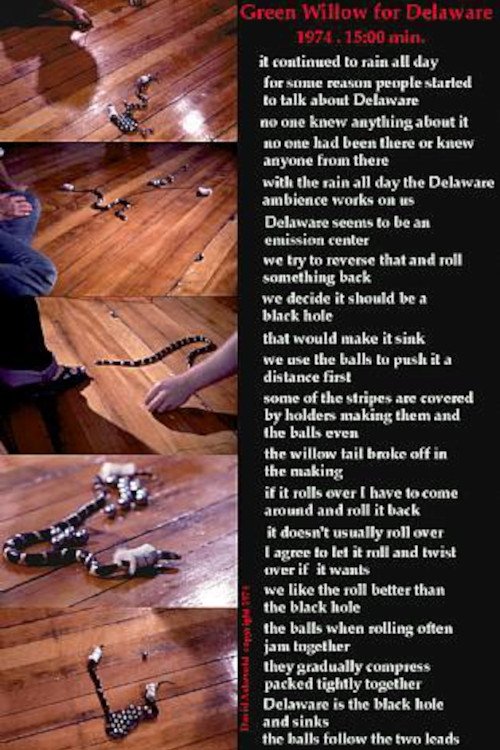
"it continued to rain all day for some reason people started to talk about Delaware no one knew anything about it no one had been there or knew anyone from there..."

Green Willow for Delaware

1974
No image
N/A

A classically trained musician learns the lyrics and tune, live on tape, of the Hank Williams' song, "Honky Tonkin", prompted and coached by a friend over a period of time until she gets it right. Images of customers in a costume and mask shop preparing their dress and make up for Halloween night are cut into the music session as well as other ambient voices and music soundtracks and images of a street corner in Halifax during Halloween night.

Honky Tonkin'

1986