Directing
During the height of the Cold War, the Waterside Workers' Federation Film Unit produced eleven (11) films for several trade unions on political and industrial issues. Independent film-makers worked with them to develop critical dialogue from one generation of concerned film-makers onto another. FILM-WORK looks at sequences from 4 of these films and interviews some of their makers, raising a diversity of issues pertinent to current debates in film, history and politics. The 4 films that are looked at are PENSIONS FOR VETERANS (1953, NSW Branch, WWF), THE HUNGRY MILES (1954, WWF), NOVEMBER VICTORY (1955, WWF), and HEWERS OF COAL (1953, Miners Federation). PENSIONS FOR VETERANS covers the issue of the need for pensions to be given to workers who have worked on the waterfront all their life. THE HUNGRY MILES shows the strength of the workers, the union and its democracy. HEWERS OF COAL is about the coal miners and their struggle to get better working conditions and pensions.
After surviving a car accident, a young man finds himself trapped in the isolated town of Paris, where the local economy depends on deliberately causing crashes and salvaging the wreckage. As he becomes entangled in the town’s routines, tensions between its residents and a rebellious group of youths begin to surface.
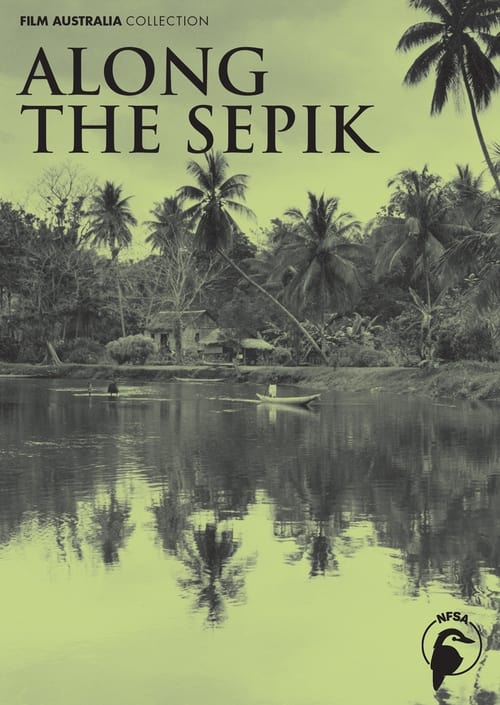
Set on the Upper Sepik River in New Guinea, this film records the day-to-day experiences of Kiap (one-man representative of the Australian government in regional areas) Barry Downes as he patrols an area that in 1963 had only recently been brought under control from headhunters. As well as being a record of the role of the colonial administration, Along the Sepik offers insights into some tribal communities' cultures through depictions of their spirit houses and traditional 'sing sing' ceremonies. Downes investigates a murder, and the culprit is caught and tried by a magistrate in a jungle courthouse under the Australian flag, on the edge of the Sepik River. Australian patrol officers and their men operated under rugged conditions to bring western law and order to this remote area. The film also portrays some of the impact the colonial government had on regional, traditional communities.
Film made in support of a campaign by the Waterside Workers Federation seeking pensions for older waterside workers. It depicts the hardships veterans, particularly older workers as well as some of the health and economic issues they endure. Shows a delegation of older workers, led by the WWF's Jim Healy and Tom Nelson boarding a bus in Sydney and travelling to Canberra, where they gather outside Parliament House. Climaxes with a mass meeting of waterside workers at Leichhardt Stadium and concludes with a group of elderly wharfies walking along the Sydney docks.
A comedy portraying four unpopular and undesirable types of waterfront worker - Glass-arm Harry (a shirker), Tiddly Pete (a drunk), Nick-away Ned (a believer in 'shorter' working hours) and Ron the Roaster (a know it all and loud mouth). All played with great comic effect by Jock Levy. Shot on the wharves at Walsh Bay, Sydney with the aim of educating workers that this type of behaviour damages the union and provides bosses and the media with an excuse to make baseless generalisations about all waterfront workers.
The Hungry Miles is a documentary made by the Waterside Workers Federation Film Unit. It documents industrial relations on the waterfront since the 1930s and includes dramatised scenes of working conditions during the Depression. It also recounts the background to the Federal Governments 1954 amendments to the Stevedoring Industry Act, which proposed to give shipowners the right to directly recruit wharf labour and bypass the union; shows workers demonstrating; contrasts the gap between industry and workers in the division of profits; and evokes the spirit of the Eureka Stockade in portraying the solidarity amongst waterside workers.
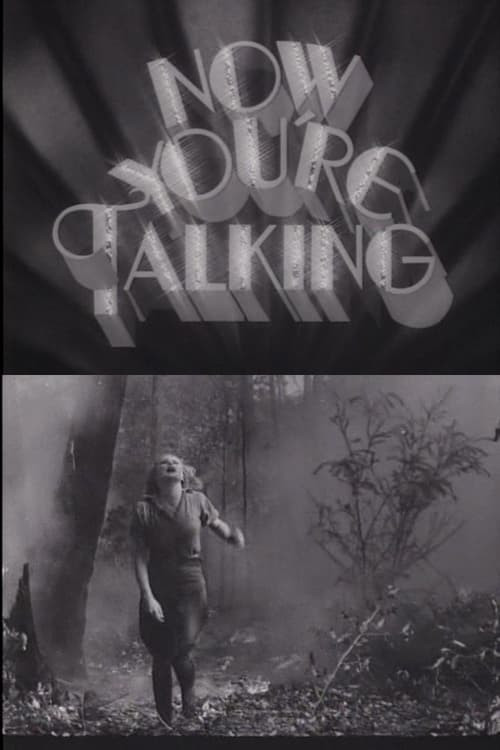
Part 3 of the History of Australian Cinema series. The story of the Australian film industry in the 1930s, from the pioneering days of talkies through to the decline of the industry with the coming of WWII.
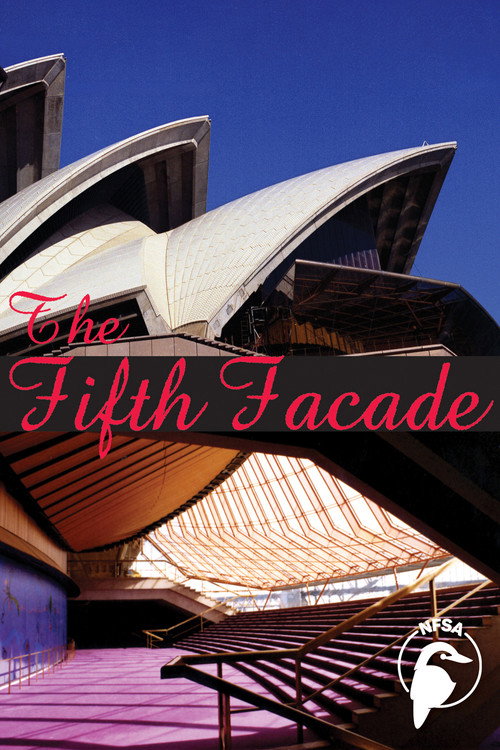
On 20 October 1973, the Sydney Opera House was officially opened by Queen Elizabeth II. From conception to completion, it had taken more than 15 years and over $100 million dollars. In the years since its completion, the Sydney Opera House has become one of the most identifiable of Australia’s icons - ranking with the Sydney Harbour Bridge, Uluru, the koala and kangaroo - and is considered by many to be among the world's great architectural masterpieces.