Jens Jørgen Thorsen
Directing
Biography
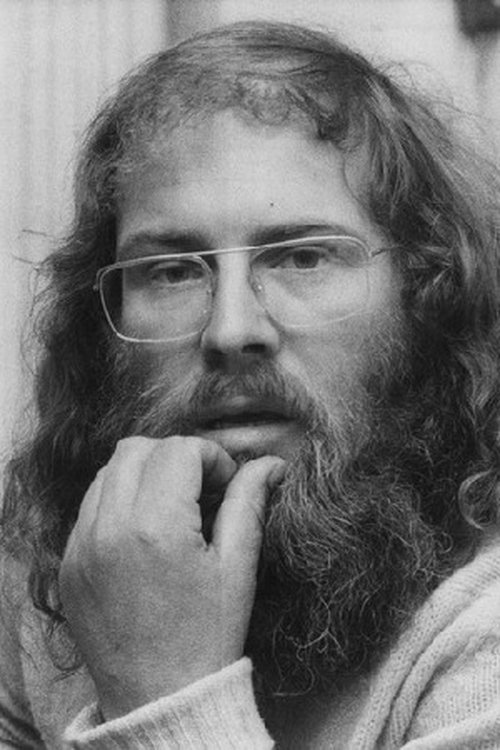
Jens Jørgen Thorsen (February 2, 1932 Holstebro - November 15, 2000) was a Danish artist, director, and jazz musician whose works sometimes created controversy. Thorsen began his artistic career attending periodically the Royal Danish Academy of Fine Arts. However he chose to produce and create art that was meant to be provocative. This included a number of public displays protesting various governmental issues.Thorsen also wrote, directed, and starred in a number of films, the most notable of them being Stille dage i Clichy, based on a Henry Miller novel. In painting, Thorsen also stirred up controversy with a work depicting Jesus in a manner some considered pornographic. Thorsen planned a film called The Many Faces of Jesus, which was about the sex life of Jesus, and was to have involved both heterosexual and homosexual acts. The film was to have been made in Britain, but it faced intense opposition from pressure groups, as well as from the Queen, then Prime Minister James Callaghan, and the Archbishop of Canterbury, Donald Coggan. The film was never made. Thorsen painted a number of abstract works, which have become increasingly collectible. He was also a jazz musician and co-founder of the group "Papa Bue's Viking Jazzband". Description above from the Wikipedia article Jens Jørgen Thorsen, licensed under CC-BY-SA, full list of contributors on Wikipedia.
Known For

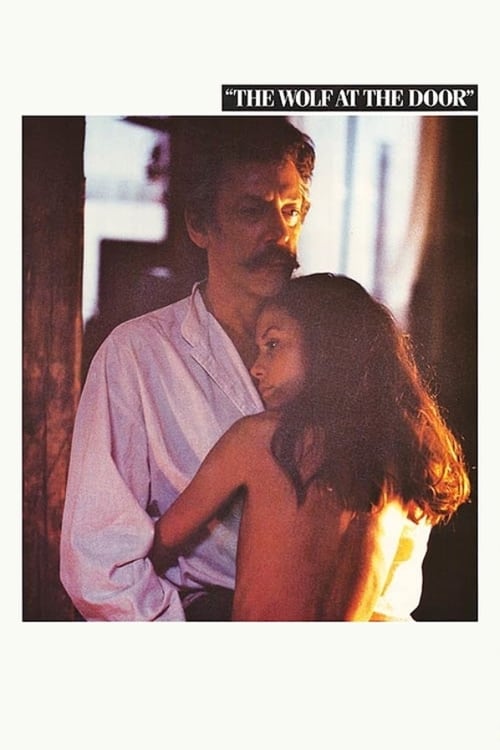
Chronicling a period of time in Paul Gauguin's life, this film follows him through his struggles in love and the financial problems caused by the inability to sell his artwork.
The Wolf at the Door

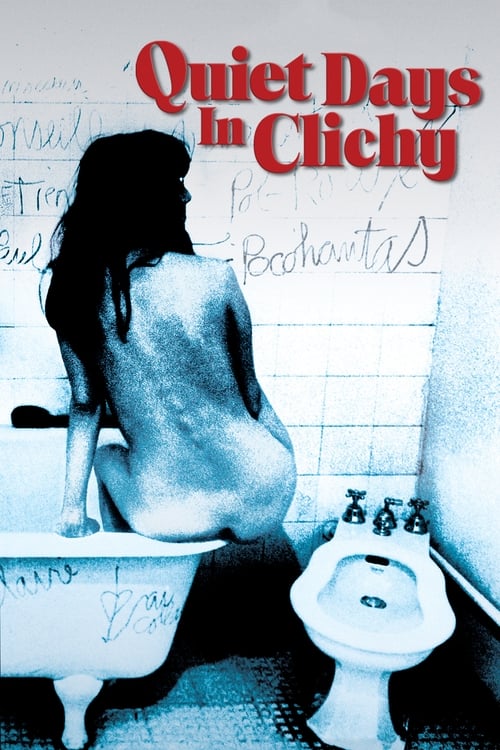
Joey is a struggling writer with no money. His roommate Carl is a charming stud with a taste for young girls. Together, these two insatiable dreamers will laugh, love and screw their way through a decadent Paris paved with wanton women, wild orgies and outrageous erotic adventures.
Quiet Days in Clichy

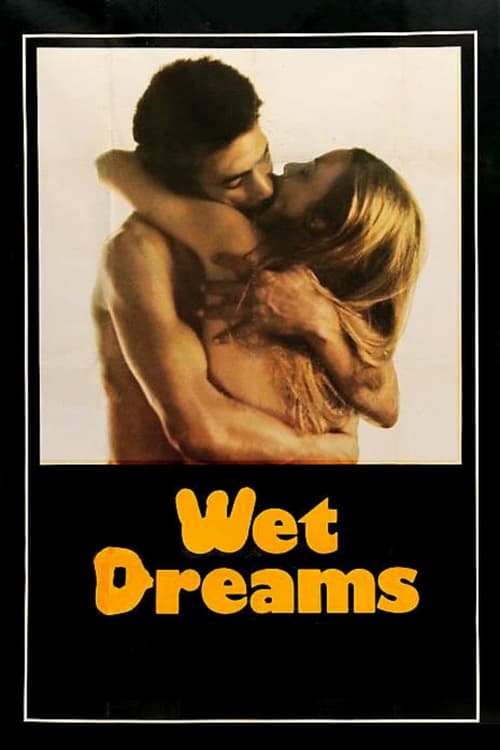
Experimental anthology film consisting of nine segments - Contrasts, The Janitor, The Plumber, Another Wet Dream, The Happy Necrophiliacs, On a Sunday Afternoon, A Face, Politfuck, Flames - all focused on 70s sex, love and politics.
Wet Dreams

Jesus returns to Earth, gets involved in a terrorist group, but keeps his integrity.
The Return

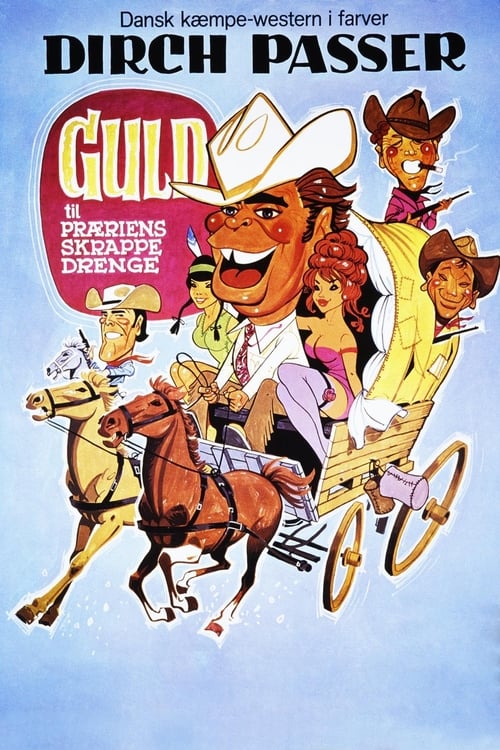
Comedic western, where the 4 guys this time have to help find a gold transport. They get help from the cunning girl Shannahoo.
Gold for the Tough Guys of the Prairie

Stop for Bud is Jørgen Leth's first film and the first in his long collaboration with Ole John. […] they wanted to "blow up cinematic conventions and invent cinematic language from scratch". The jazz pianist Bud Powell moves around Copenhagen -- through King's Garden, along the quay at Kalkbrænderihavnen, across a waste dump. […] Bud is alone, accompanied only by his music. […] Image and sound are two different things -- that's Leth's and John's principle. Dexter Gordon, the narrator, tells stories about Powell's famous left hand. In an obituary for Powell, dated 3 August 1966, Leth wrote: "He quite willingly, or better still, unresistingly, mechanically, let himself be directed. The film attempts to depict his strange duality about his surroundings. His touch on the keys was like he was burning his fingers -- that's what it looked like, and that's how it sounded. But outside his playing, and often right in the middle of it, too, he was simply gone, not there."
Stop for Bud

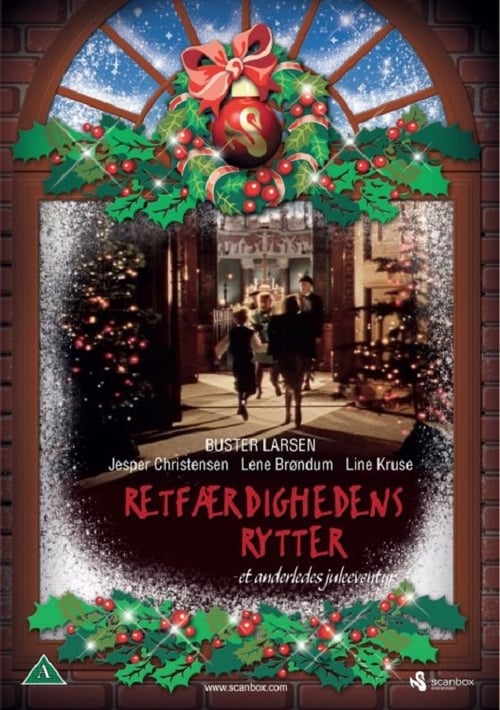
Benjamin act as a moral guardian as he saves both a female thief and a child during Christmas in a futuristic Denmark.
The Knight of Justice
The Danish artist Henry Heerup's garden in Rødovre is also his studio. Here he paints in the summer, carving sculptures in the winter. His garden is filled with rubbish models, pictures for bleaching, and monuments of all sorts.
Et år med Henry

35mm short by Jens Jorgen Thorsen.
Pornoshop

A comprehensive documentation of new art movements from 1945 to the present day. Beginning with the "Internationale Situationniste," "Cobra," "Spur," and "Wiener Gruppe" groups in Europe, and moving on to the international Happening and Fluxus movements, including the Viennese Actionists, and from 1970 onward to international Body and Performance Art, which also encompassed media art—film and video—the documentary presents film and photographic material from these art movements.
Aktionskunst International. Dokumente zum Internationalen Aktionismus

From both a scientific and an artistic point of view, the film seeks to answer the question, 'what is light?'.
Light

This film was shot at a factory. A factory making shirts in the town of Herning i Jutland, decorated by Paul Gadegaard. Formerly art was confined to churches and palaces. Today man is in focus - his working place. Paul Gadegaard has been able to accomplish this pioneer work thanks to art experiments carried on since the beginning of this century.