Directing
No description available.
A window of a house in the country mirrors the life of a young woman and a young man who come to take up residence there, hoping that the woman will regain her health. The two young people enjoy the sunshine and the flowers in front of the window. However, when the woman is taken ill again, the flowers make way for medicine bottles. She dies and the curtains are closed. The film ends, as it started, with a sign 'To Let' in the window.
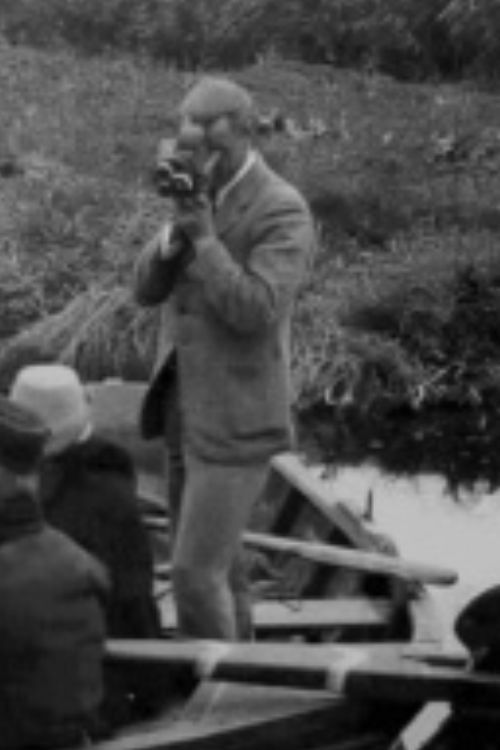
Poetic feature about the last Dutch horse-drawn barge making a journey through the landscape of Holland with its mills and canals. A man is leading the horse along the tow-path. On the aft deck of the vessel is the skipper, two women in traditional dress and a man chewing tobacco. In the fo'c's'le is a young woman staring wistfully into the distance. On the roof of the cabin, a man is playing accordion. The woman at the stern talk together and sometimes they point at the sad girl. In one version of the film there is a glimpse of the young woman walking arm-in-arm with a young man while being spied upon by another woman. While the people on board are occasionally shown in close up, the landscape glides past te spectator at the gentle pace of a tow-boat.
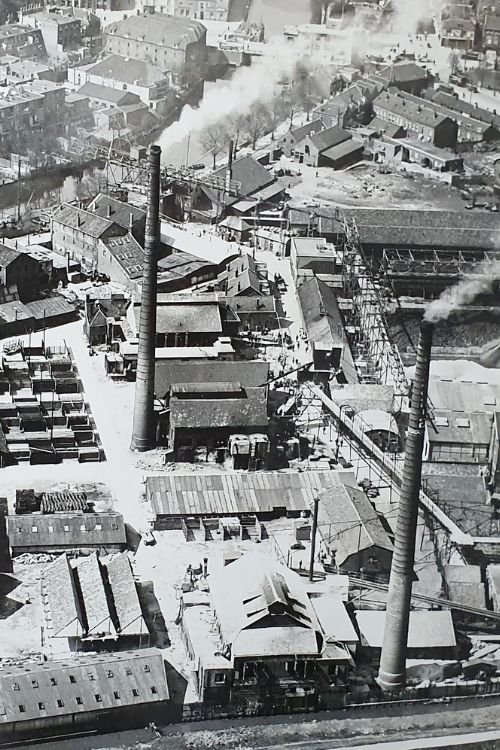
Documentary about the Staatsmijnen (state mines) in Limburg, Netherlands.
Fragment nul uur nul chimes with the tune of such a symphony, yet plays eclectically with form and image. A hidden gem, it was originally conceived as a backdrop to a theatre play and offers, if you will, a form of expanded theatre/cinema. The Filmliga protagonists‘ practice to cut up films as they seemed fit, or to show only fragments and loose ends to support their aesthetic preferences, is reflected here.
A Cannes film festival nominated short feature.
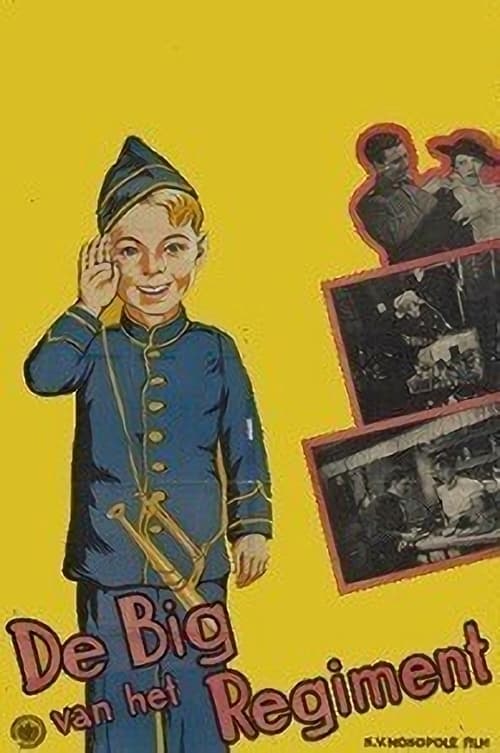
Diary fragments tell of the arrival of Belgian refugees across the Dutch border in winter 1915. Reserve lieutenant Berkhage returns from the Belgian border with a refugee child. Named "Big" by the company the kid soon becomes the regimental darling.
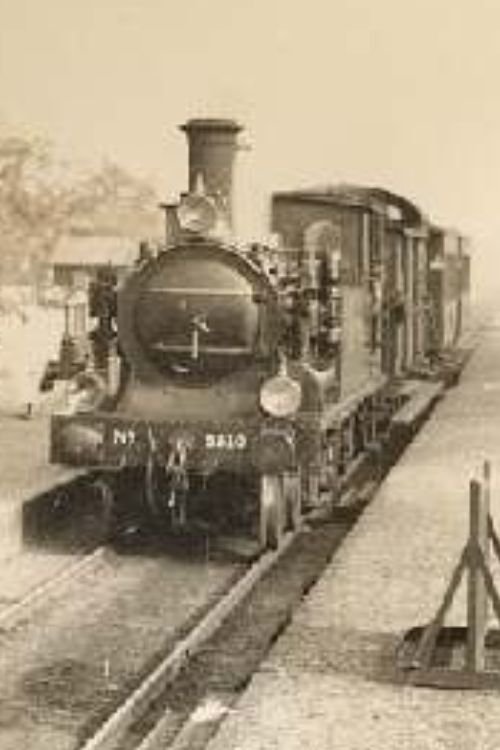
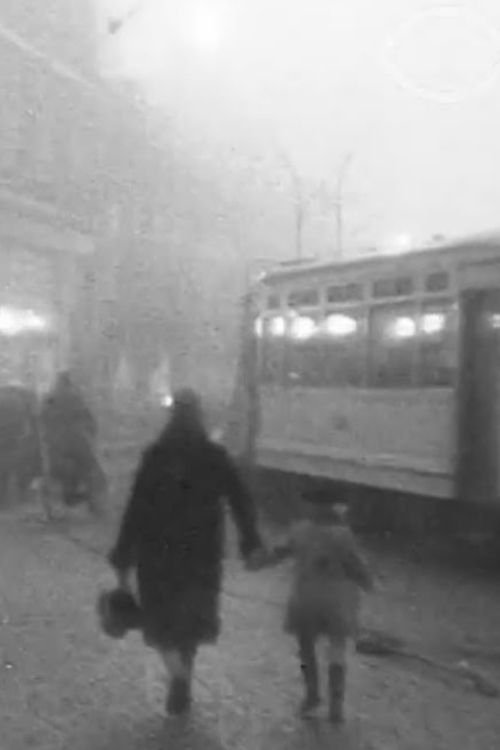
Dutch promotional film showing shots of cables being laid in a busy street. The film also shows the convenience that electricity brings to household chores, such as ironing and vacuuming. Many devices are filmed in close-up. In this film, Otto van Neijenhoff employs more of an avant-garde style than he typically does in his other films. Atmospheric images of trams and trains, with much use of dissolves, as well as evening and night shots in the illuminated city.
Documentary about Vissershaven in Scheveningen.
A short documentary on how different food products are manufactured.