Directing
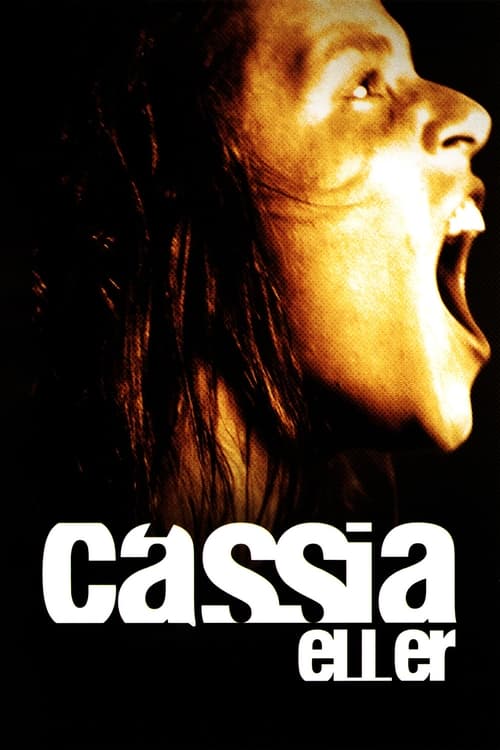
Cássia Eller Rejane. Cássia Eller. Cássia. A powerful restless force on stage, shined herself out of it. One of the greats of Brazilian music, Cássia Eller marked the 1990s and shocked the country with her early death in 2001. A film about the singer, the mother, the woman who exposed her personal life and broke barriers, leaving a beautiful social and artistic legacy.
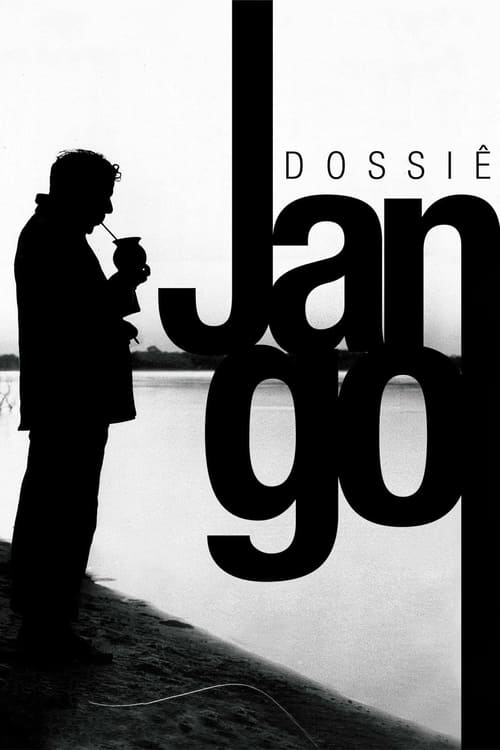
João Goulart (known as Jango) had been democratically elected president of Brazil, but was expelled from office after the coup of April 1, 1964. After that, Jango lived in exile in Argentina, where he died in 1976. The circumstances of his death in the neighboring country were not well explained today. His body was buried immediately after his death, raising the suspicions of premeditated murder. This documentary brings the issue back to the fore and tries to publicly clarify some obscure facts of the history of Brazil.
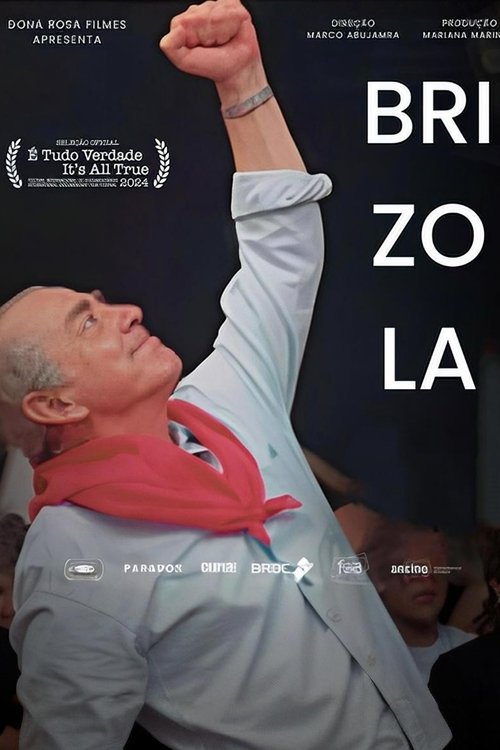
A reflection on the construction of the Brazilian political class, from Getúlio Vargas until the beginning of the 21st century. To the historical facts is added a cunning and ambitious Brizola, but above all passionate about the Brazilian people.
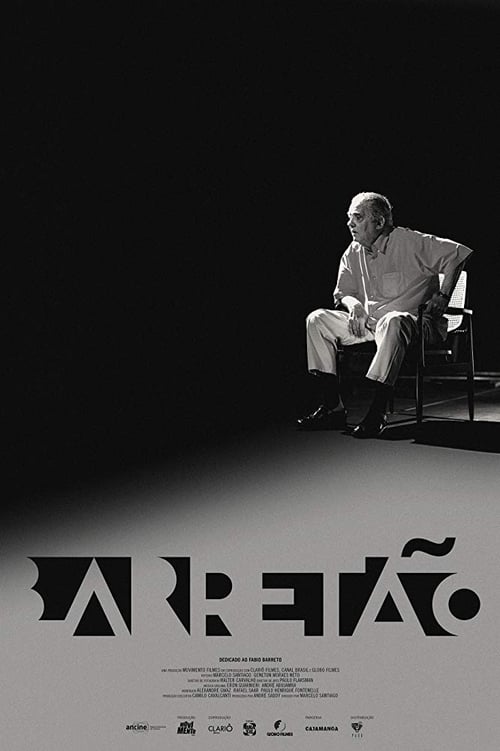
A story about how football, cinema, photojournalism and intimidation with power can come together in a protagonist figure in Brazilian history: Luiz Carlos Barreto, better known as "Barretão". Narrated in first person, the documentary explores Barreto's view of himself, recounting his artistic and political trajectory, which blends with the history of Brazilian cinema as a whole.
The plot follows Rique, a famous writer who begins to experience the characters from his unfinished book. Lígia, a publisher in crisis, tries to help him finish the work, while Bruna, a young woman with schizophrenia, fantasizes about a relationship with the writer.
In Pernambuco, a jewel robbery brings together an old group of misfits, with catastrophic results. Watched over by ghosts from the past, each of them will have to find their own way to freedom.
Mauro, a former soccer player from the city of Recife, Brazil. Having made only one goal in his entire career, he became famous as a symbol of Ibis Sport Club, which entered the Guinness Book of Records as "The Worst Soccer Team in the World". With a lot of humour, Mauro manages to turn his misfortune into triumph.
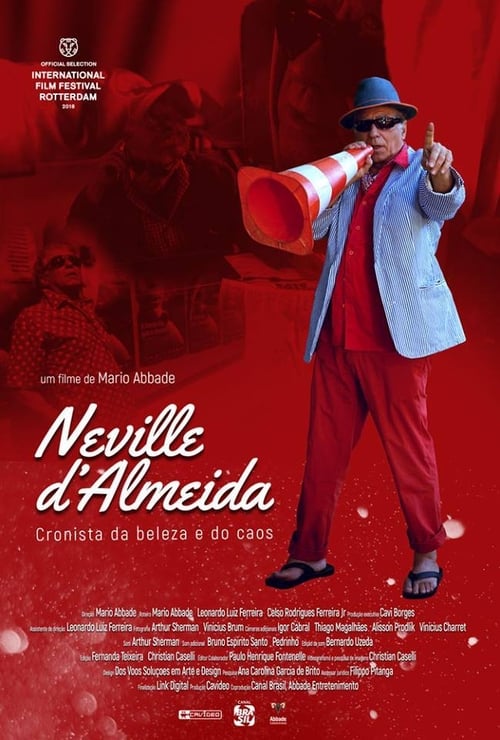
This film seeks to rescue the role of filmmaker Neville D'Almeida by using many rare images, numerous interviews, vast archival and audiovisual material.
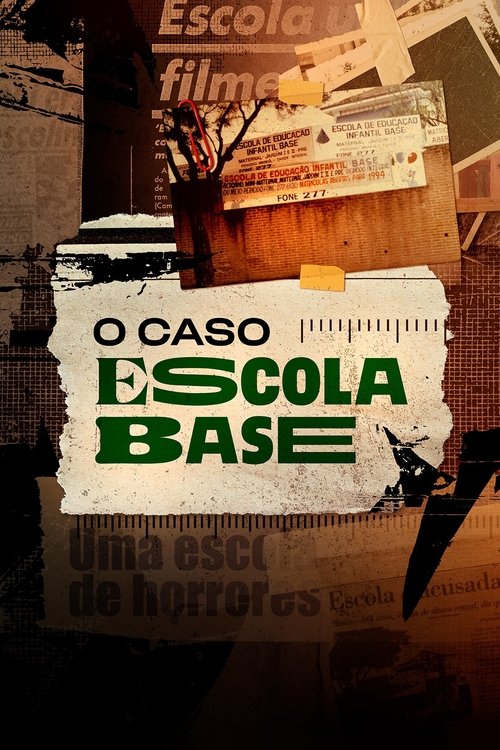
A report of child sexual abuse in São Paulo leads to a "lynching" of innocent people, fueled by media sensationalism and errors in police investigations.
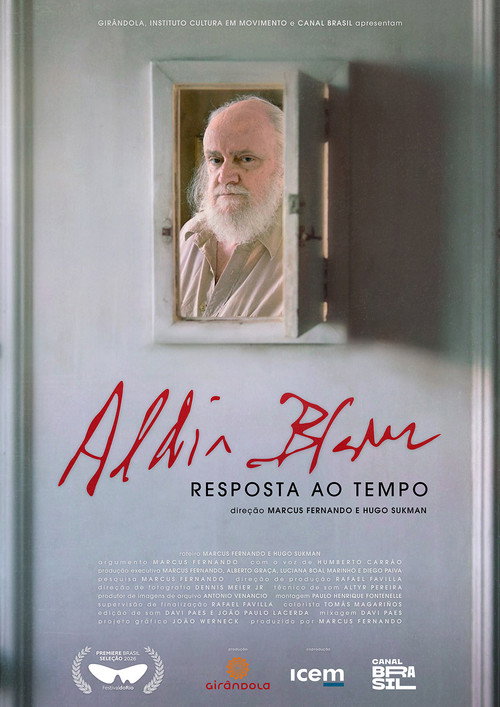
Dorival Caymmi’s definition of Aldir Blanc is unequivocal: “Aldir Blanc is a jeweler of words.” Treating everyday language as gold, Aldir created a universe of his own, capturing like no one else the everyday life of Rio de Janeiro and Brazil through songs, poems, and chronicles. More than a film about the artist’s life or body of work, this is an immersion into his universe—his inspirations, his personal geography, and his singular way of telling stories. An adventure through the musical and literary labyrinths of one of the most intriguing minds in contemporary Brazilian culture.
Discover the trajectory of Ibrahim Sued, a journalist who revolutionized the Brazilian press during his almost 50-year career, through interviews, photos and films from the personal archive of his daughter, Isabel Sued Perrin.
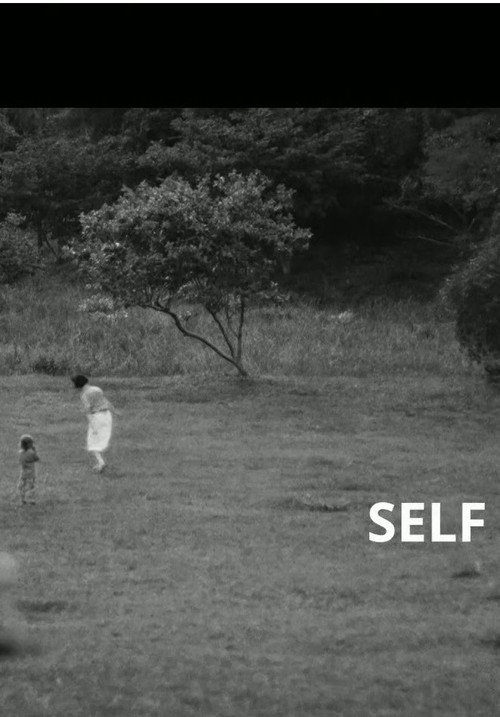
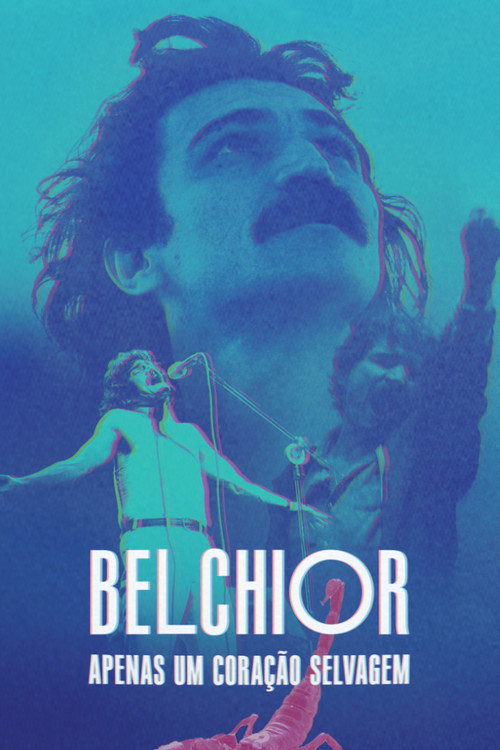
Antonio Carlos Gomes Belchior Fontenelle Fernandes, or simply Belchior, in a self-portrait that plunges into the wild heart of the poet, singer and composer from Ceará, Brazil who, with his work and his cutting ideas, marked and still marks the lives of so many people.
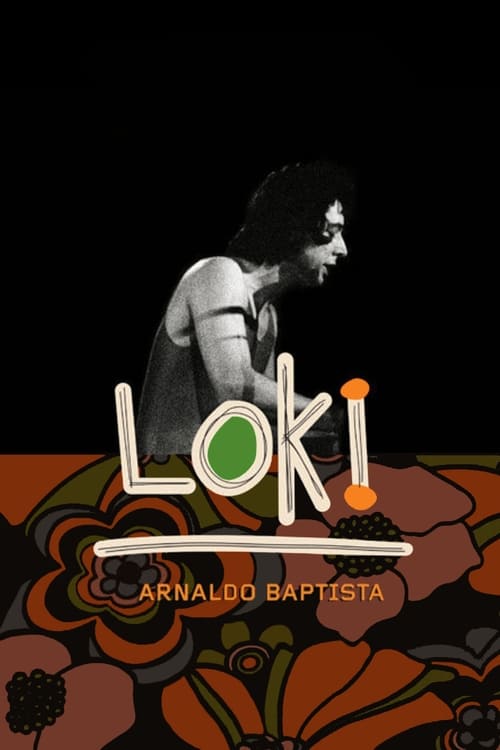
Loki brings the trajectory of Arnaldo Baptista from childhood, passing through the most successful phase as leader of the Mutantes, marriage to singer Rita Lee and then separation. He also goes through the depression that devastated his life after the group ended and that led him to attempt suicide, his solo career, rapprochement with his brother and member of the Mutantes, Sérgio Dias, culminating in the band's return in 2006.
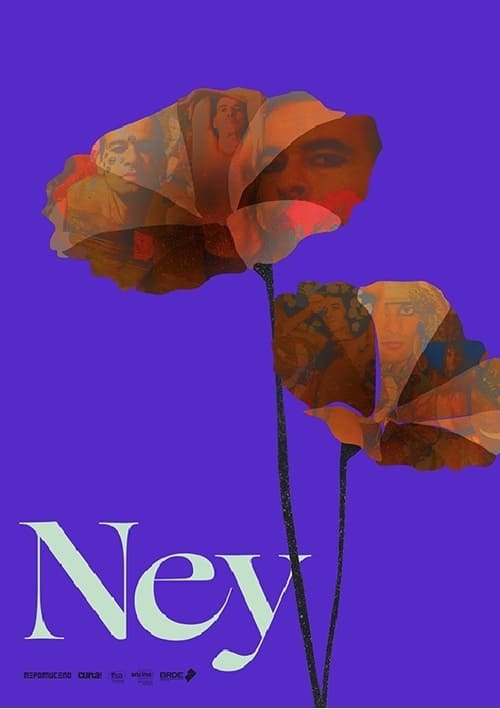
The impact of Ney Matogrosso's performances on his audience and the reverberation of that impact on Brazilian culture, from the second half of the 20th century to the present. An audiovisual anthology, all composed of archival images. The best way to get to know Ney is to be with him on stage.
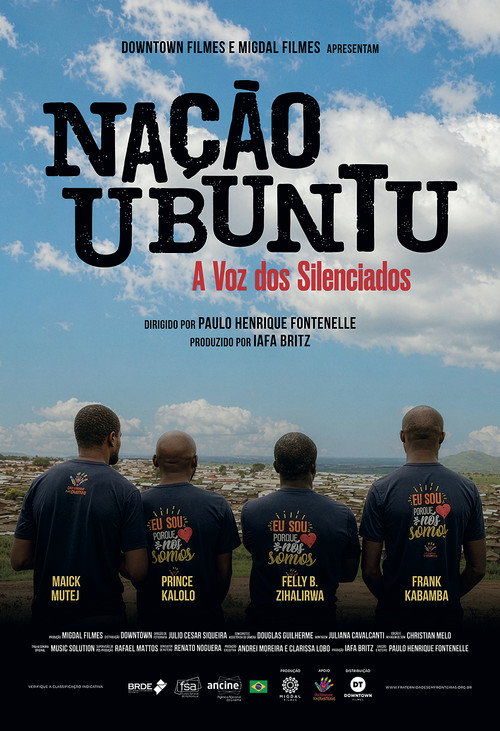
Created in 1994 with the goal of housing ten thousand people, the Dzaleka camp now has a population of 44,000 refugees. These are people fleeing political, religious, and ethnic conflicts in various countries, mostly the Democratic Republic of Congo. Living in poverty and victims of prejudice, the refugees are not allowed to leave the camp. Faced with this situation of abandonment, four young people came together to bring dignity, work, education, and above all, hope to the people of Dzaleka through the philosophy of Ubuntu.