Acting
KVN is a Russian humour TV show and competition where teams compete by giving funny answers to questions and showing prepared sketches. The programme was first aired by the First Soviet Channel on November 8, 1961. Eleven years later, in 1972, when few programmes were being broadcast live, Soviet censors found the students' impromptu jokes offensive and anti-Soviet and banned KVN. The show was revived fourteen years later during the Perestroika era in 1986, with Alexander Maslyakov as its host. It is one of the longest-running TV programmes on Russian Television. It also has its own holiday on November 8, the birthday of the game, which KVN players celebrate every year since it was announced and widely celebrated for the first time in 2001.
No description available.
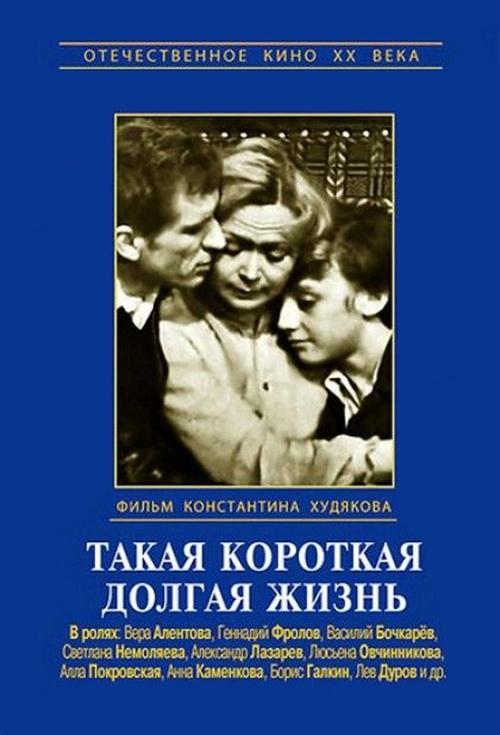
The story of several families, starting from the pre-war years and ending in the 1960s.
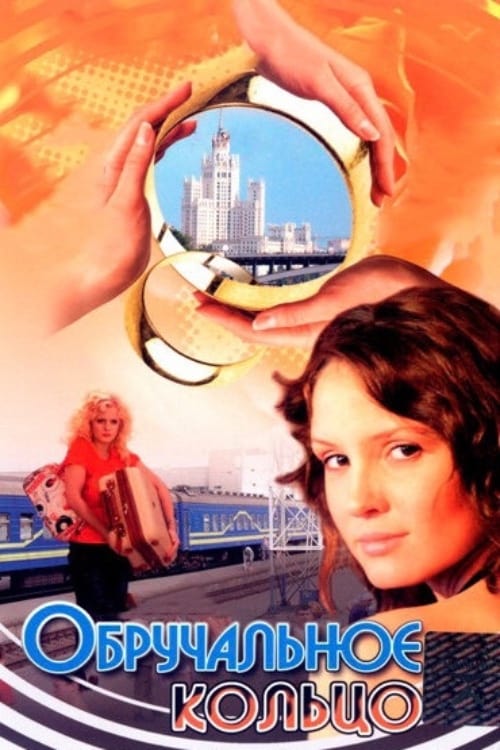
A 'runaway' homeless man, once a renowned athlete, finds himself marooned in the small, snow-covered town of Zarechensk. Victor lands a job at an orphanage, where he soon meets a young teacher who becomes both a compassionate friend and the love of his life. However, fate doesn't play out simply as good or bad; it unfolds in a way that makes the hero realize one cannot run away from oneself. Consequently, it is in Zarechensk that a train carrying a film crew from the capital, on their way back to Moscow, is compelled to delay their journey for a few days. Remarkably, Zarechensk becomes the place where a director finally discovers the perfect actress for his leading role and encounters a man who has fled from her love. Meanwhile, a producer makes the ultimate decision to select this town as the filming location for her upcoming movie.
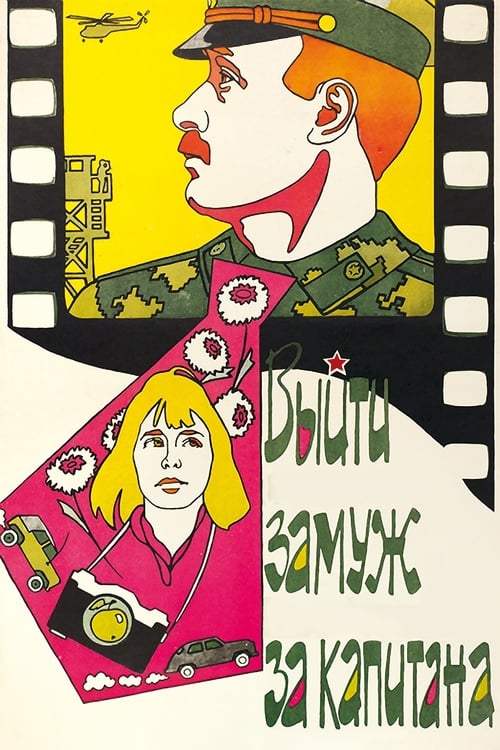
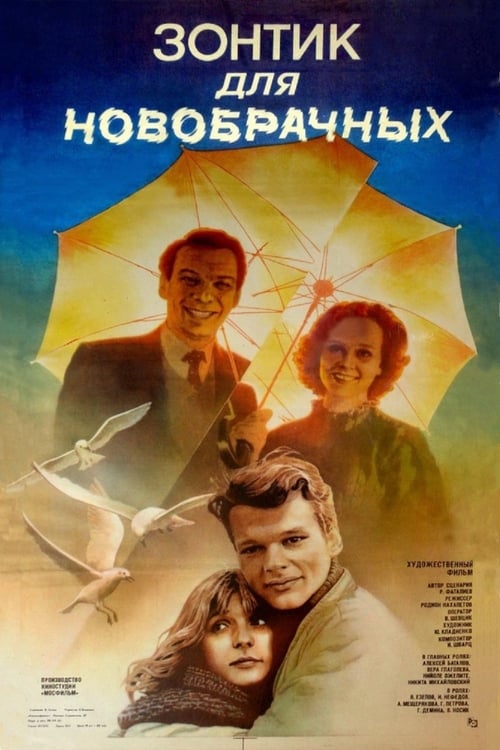
Captain Alexander Blinov goes on vacation and has to give a package to Lena. Lena is freelance photo journalist who runs from job to job. She also has a long conflicting relationship with her retired neighbor who thinks that people like her shouldn't live. Somehow, Blinov get's involved in that conflict and all other Lena's crazy adventures, and falls in love.
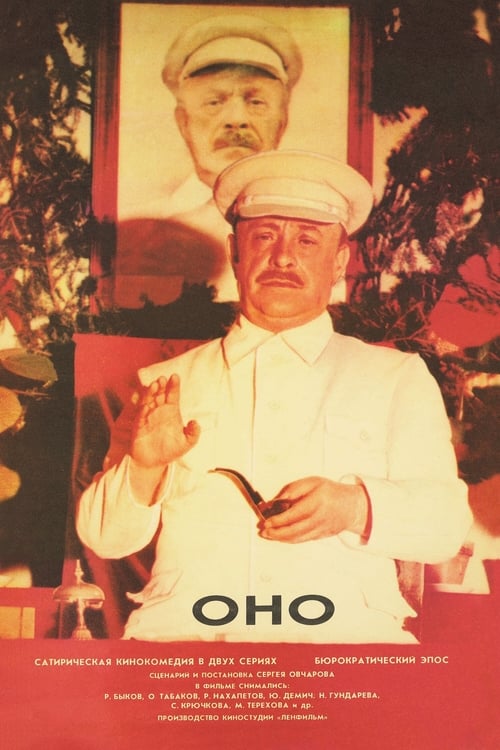
The bureaucratic epos on the dialogues and plots of Mikhail Saltykov-Shchedrin "The History of a Town". In a metaphorical and grotesque form, the film conveys the history of Russia from the calling of the Varangians until the end of the 20th century. The film traces the change of the “chiefs” of the county town of Glupov, which differ in varying degrees of tyranny and the corresponding total number of “killed” city residents. The heads of the city easily guess the former heads of the Russian state and the USSR.
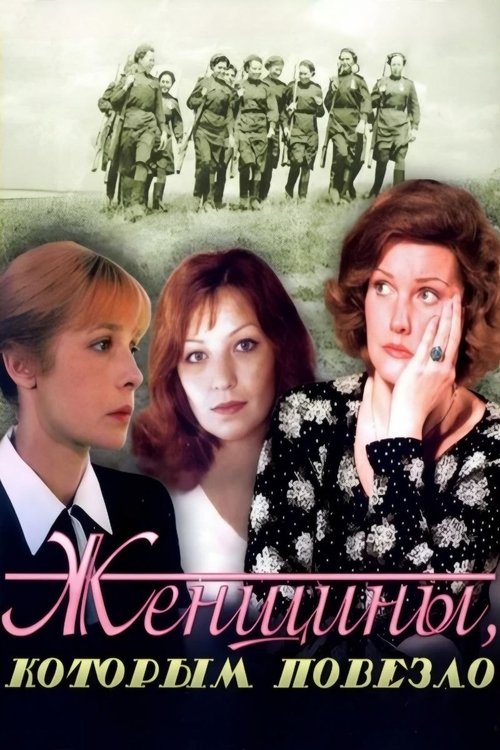
Plot revolves around the post-war decades and tells about the fate of former participants of the Great Patriotic War - Vera Boglyuk, Nina Verkhovskaya, Dusya Koroleva, Zina Skvortsova and Natasha Druzhinina.
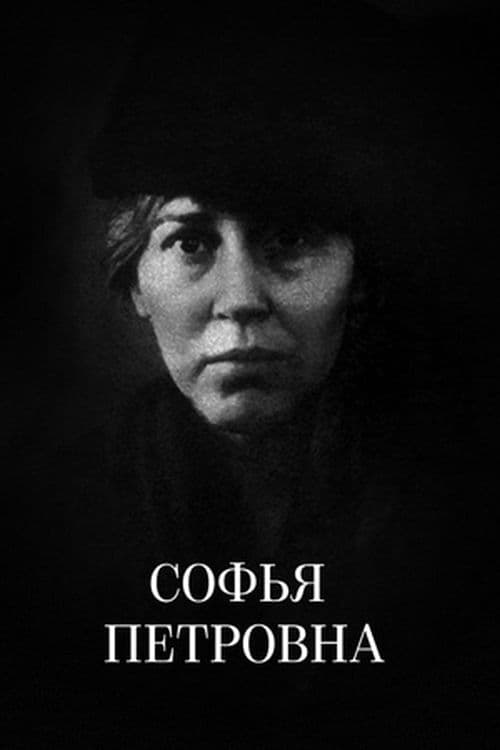
Sofya Petrovna, a typist from a publishing house in Leningrad, has her only son repressed. In her publishing house, managers and ordinary employees were repressed. And Sofya Petrovna begins walking around the offices, trying to explain that a mistake has occurred.
A young astronomer is becoming more of administrator instead of concentrating on science.
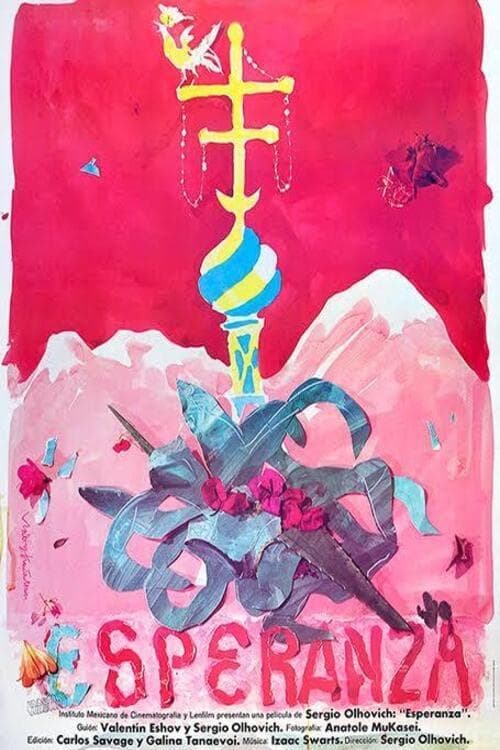
At only 19 years old, Vladimir Olhosvky, fleeing the Russian Revolution and going into exile in Mexico City, will have to make his way in a new country, totally unknown to him but that will bring him a new life.
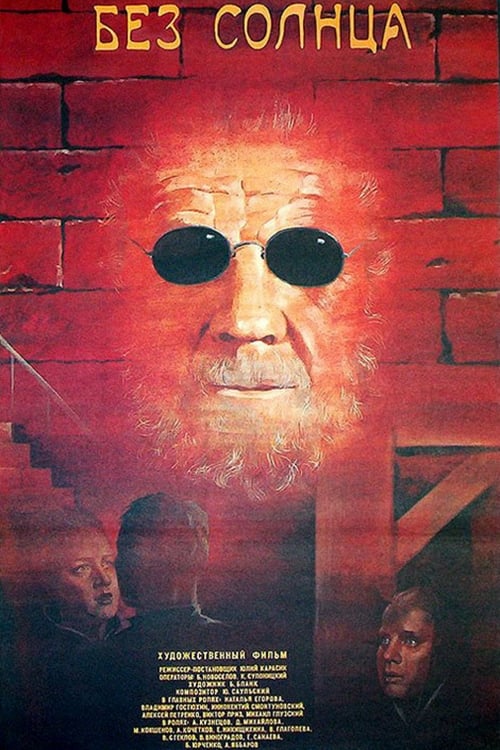
“Without the Sun” is the first name that Gorky himself gave to his play and which most closely matches its essence. For this work is not about the "day" and its people, but about the indestructible, passionate desire of people from darkness to light, to the sun. "
1932. Ural, city of Krasnouralsk. The power plant has been sabotaged. The turbine is out of order. Having put the guards to sleep, someone poured sand into the turbine oil. In Moscow, the leadership of the OGPU received a secret cipher. From it it becomes known about the conspiracy of German intelligence against the USSR. Its main purpose — subversive actions in Soviet power plants. Special attention is paid to the Urals and the Dnieper under construction. Diversion in Krasnosilske — link in this chain. In Krasnotalsk sent a special agent of the OGPU Viktor Sergeevich Lartsev.
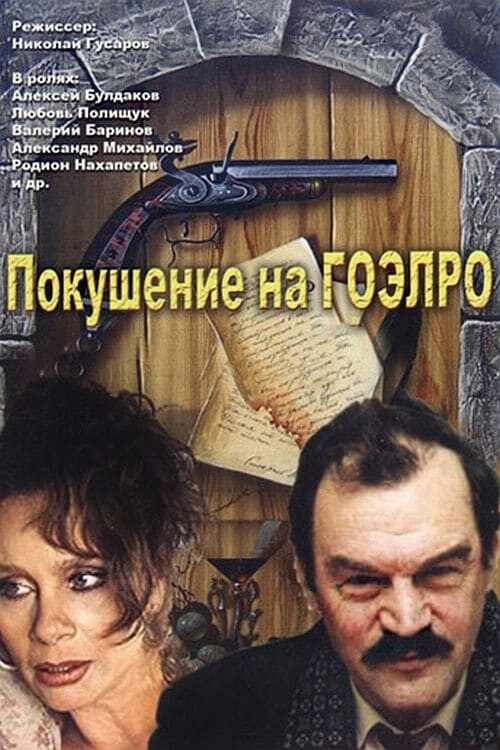
They met in court. A successful businessman Alexander, who turned out to be a calculating businessman, was taking a room from the sanatorium for the elderly, in which the pretty girl Vera worked.
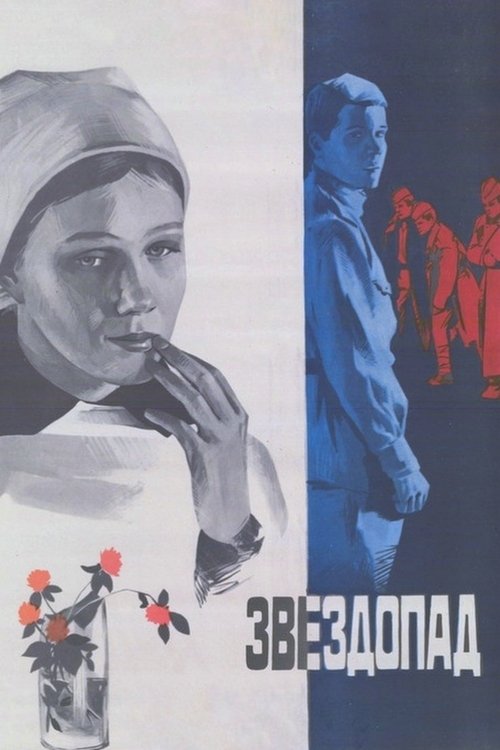
Falling Star is based on three stories by the contemporary Russian writer Viktor Astafyev and centers on a young soldier on the front lines who is wounded and taken to the hospital. Once there, he muses about his childhood and a little girl he had loved - someone who could easily have grown up to be the nurse that is attending to him now. As he recuperates, he and the nurse fall in love and he very much wants to marry her. At this point, the nurse's mother comes for a visit and advises him against such an action because if they were to marry and he were subsequently killed or maimed in action - the fighting is still close to the hospital - the nurse would suffer much more than if he just left her alone. Now it is up to the soldier to make a decision one way or the other.
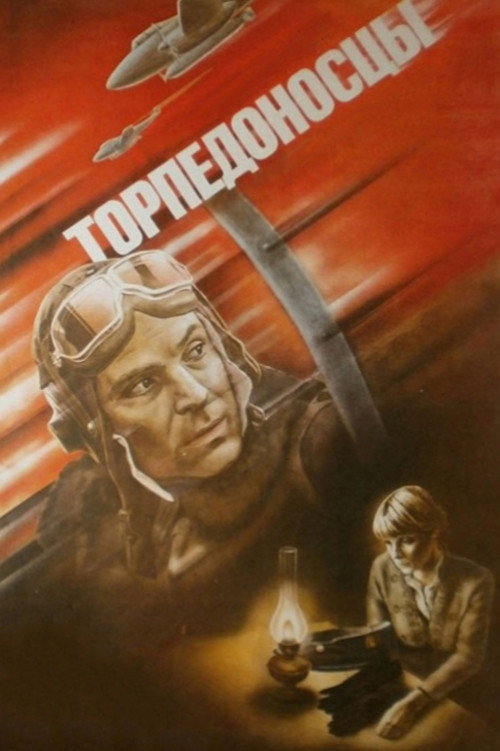
In 1944 a Soviet marine air force unit stationed near Murmansk is fighting off the German bombers attacking the British navy convoys supplying the Soviet Union with war materials under the lend-lease agreement.
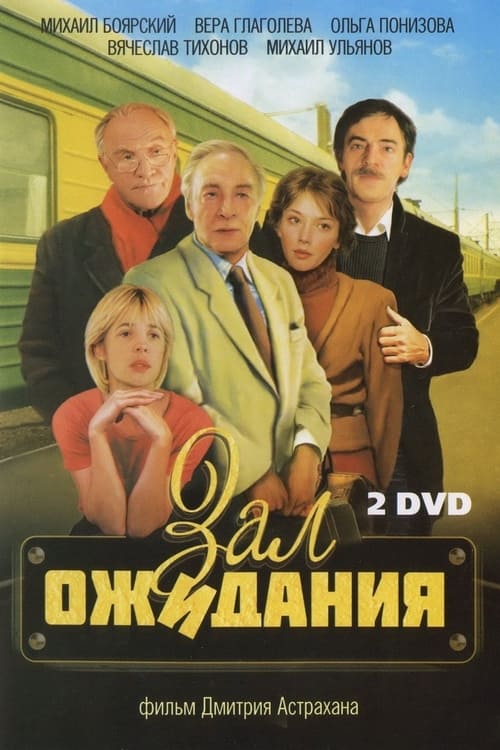
Kraskov and Vera have long loved each other. They are unable to part, however, and connect their destinies can not and have already accepted the circumstances of life: he has a family, three children. A chance meeting in Moscow with a young couple, familiar with the rest in the South, pushes them to a decisive step…
Egor Polushkin (Stanislav Lyubshin) is a kind-hearted, nature loving, artistic family man who is living in a small village. To his neighbors and even his wife (Nina Ruslanova) he is a walking disaster, so they frown at him and call him Bedonosec (engl. misfortune bearer). Only Egors son (Viktor Anisimov) shares his enthusiasm for the beautiful things of live. As Egor becomes the new forest ranger, this new position brings him not only joy, but it is also the source of great suffering to come, as his fondness for the living nature and especially the newly acquired white swans is in conflict with the interests of others...
Bandits kill Sergei in front of his wife and son. The son of the murdered man loses the power of speech. Nadezhda, Sergei's wife, is also unable to bear the blow. The murder of her husband literally stands before her eyes day and night. The militia, as it seems to Nadezhda, acts slowly and ineffectively and she passes the sentence herself and decides to execute it...
An art film about the life of Soviet creatives in the late 1980s.