Acting
Moterys meluoja geriau is a Lithuanian TV series produced by TV3. It is the most watched Lithuanian drama of all time. It is based on a novel by Daiva Vaitkevičiūtė. The series follows four young women and their love interests.
No description available.
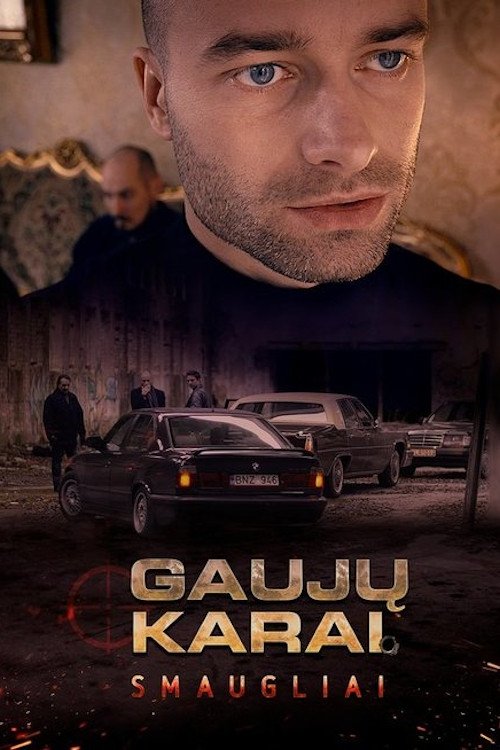
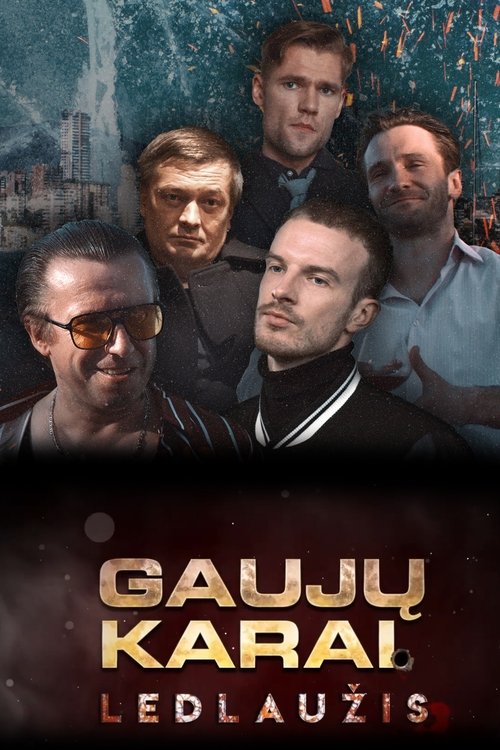
The beginning of the 90's. Lithuania just became independent, so there is a lot of chaos in political, ecnomical and criminal structures. The every day life more or less is being controlled by the criminal gangs, who feel indestructible by the fear of citizens and the helplessness of government.
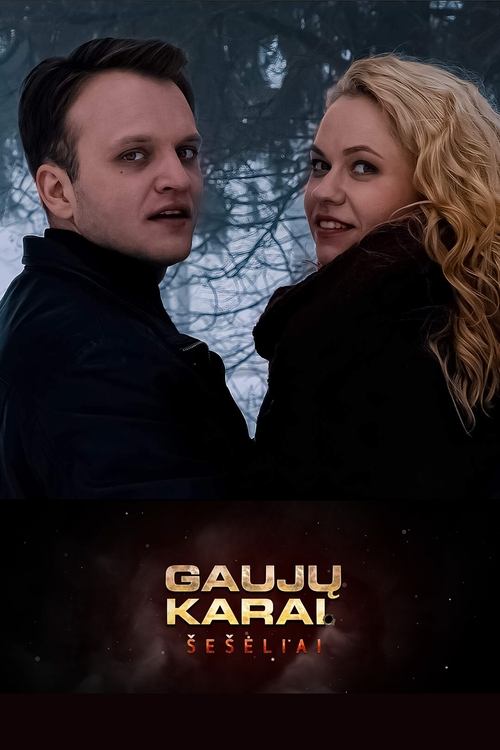
Max Dadjanis returns with a new identity, but with the same goal - to seize all the illegal businesses in Vilnius. The national security forces do not sit idly by: Varna, who is sitting in prison, is offered to join the game of gang wars.
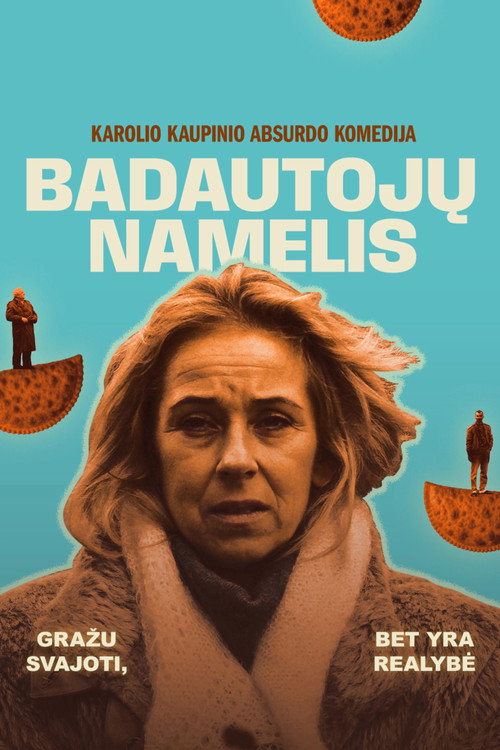
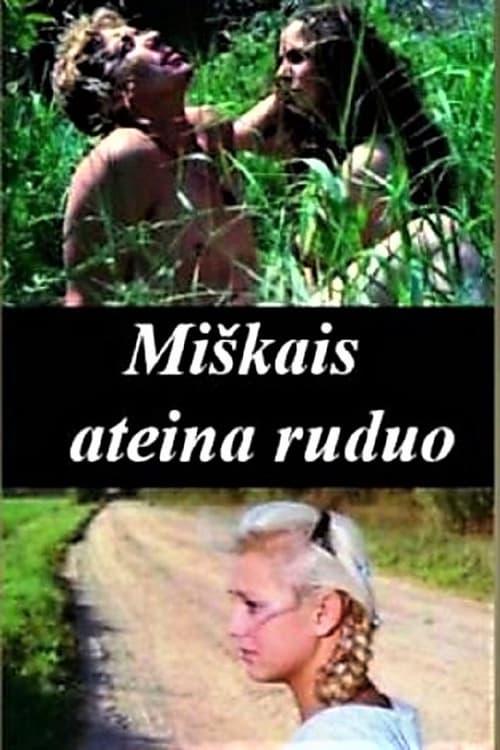
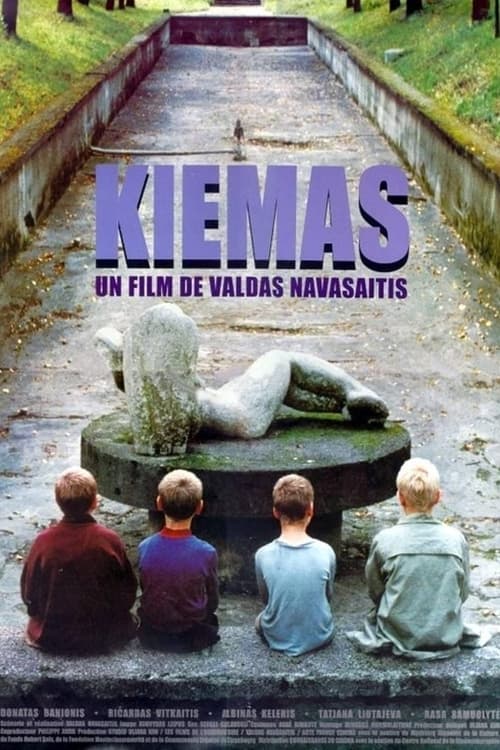
The first feature of Lithuanian Valdas Navasaitis is a drama which unravels the hopeless 1970s, when people were deprived of their roots and forced to sit and watch their lives slip from their fingers. In a decrepit house that once belonged to a bourgeois family, several families seek shelter. Senis, a 65-year-old alcoholic, lives on the ground floor with his wife and their 16-year-old daughter. Senis is a survivor of the Nazis as well as the communist camps. He drowns the pain of his memories in a nearby pub and in talking to a depressed young laborer, Lorenca. Later on, a young couple and a lonely eccentric who enjoys only his cat's company join the inhabitants. Children wile away the time with useless games or spying on adults. When Lorenca hangs himself at the ruins of a nearby factory, the lives are shaken up. During the dinner held for the deceased, they find a moment of common hope.
Henrikas, a successful businessman whose past hides a terrible secret, was born when he had to face the cruel realities of life: the death of his wife, his daughter's serious illness, and a dramatic choice - to save one life at the expense of another?
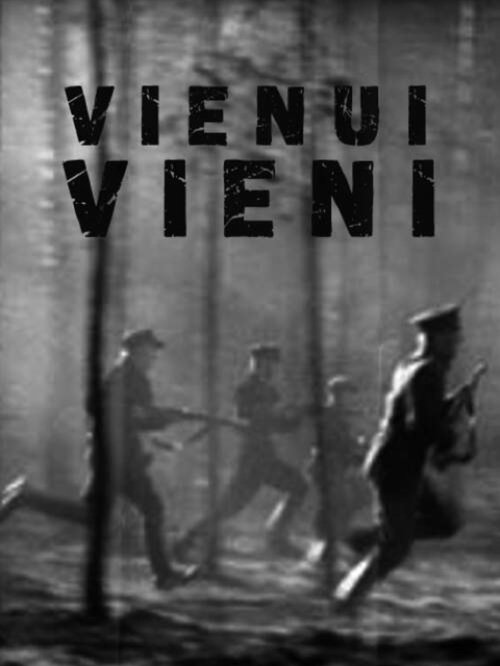
The film portrays Lukša's attempts, in trips to western Europe, to gain support for the armed anti-Soviet resistance (known as the Forest Brothers), whose fortunes in a guerrilla war against Soviet authorities were waning, largely due to widespread infiltration and harsh crackdowns by the NKVD.
The sailor Audrius comes ashore for the last time in his life. The story unfolds through Audrius’ journey and his many encounters over the weekend as autumn turns to winter. He is driven by a severe lack of time. Inadequate actions and reactions make sense when we find out his secret: he’s dying of Leukemia. During his grandmother’s birthday in her countryside village, surrounded by his family and after reassuring his son, he makes a final attempt to find resolve and peace. Farewell is a moving universal tale, uplifting and heart warming, verbally laconic and visually rich. It is a clear-cut story of the human spirit, which is both relentless and immortal.
A desperate hunger strike meant to capture global media attention slowly unravels into a hilariously bleak showdown between ambition, reality, and an empty stomach.
Based on true story of four friends who decided to take over the city. Giedrius is released after serving a long 12 year sentence for unlawful conduct he did with his friends while being a child.
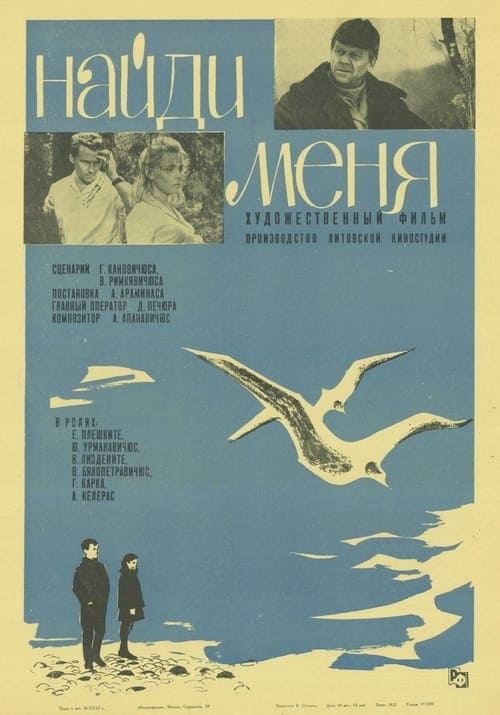
Three parts of the movie, "Summer", "Autumn”, and "Winter", set on the Baltic Sea at different times of the year, picture the growth and drama between children and adults.
Based on the novel of the same name by Nikolai Cherginets. The film begins in the spring of 1941 and ends with the first months after the liberation of Belarus. In the center of the plot of the film – the story of three brothers Kuprevich. Police Lieutenant Alexei Kuprevich receives an appointment as an operative in one of the districts of Western Belarus. His task – to neutralize the rampant gang there "forest brothers". War begins. Alex and his brother, senior police Lieutenant Peter Kuprevich receive the first combat mission: to destroy the landed settlements under the German assault...
Evolving grim drama of love and wealth. The action takes you to the pre-war and shows the different social strata in rural life, everyday life, passions.