Acting
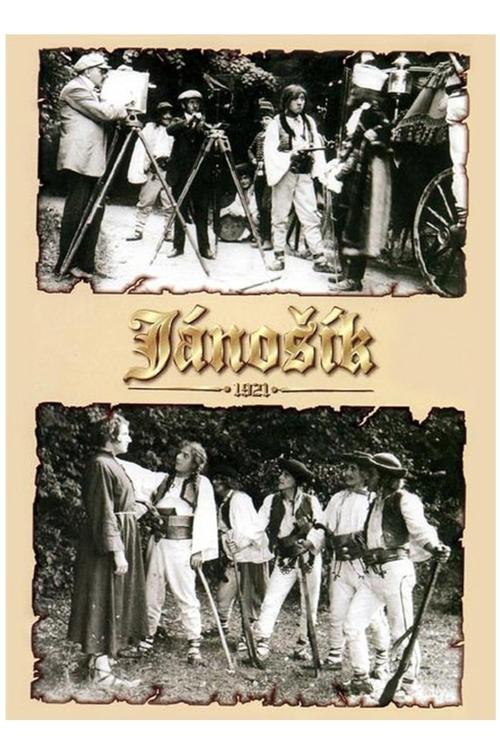
Janosík, a friar retrained as a bandit, becomes the farmers' symbol of resistance and fight against the feudal conditions.
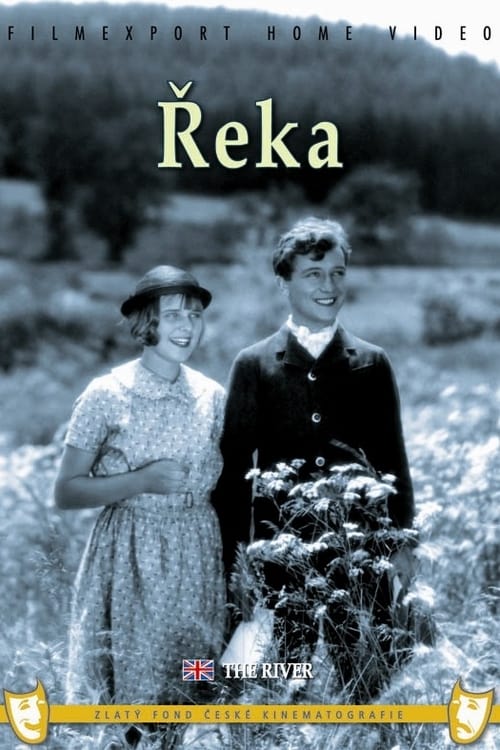
The story of love, between a sturdy village boy and a gentle country girl, filmed with a movingly genuine charm.
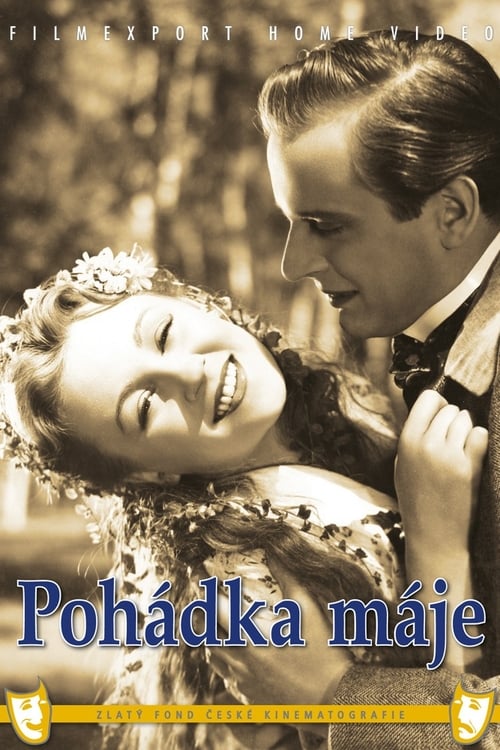
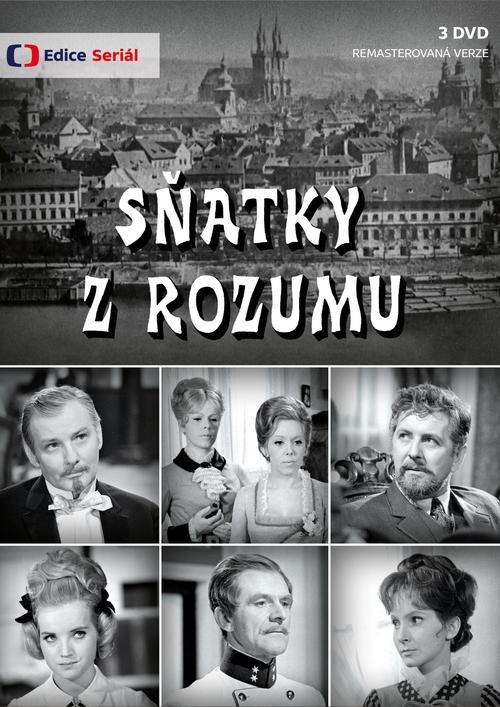
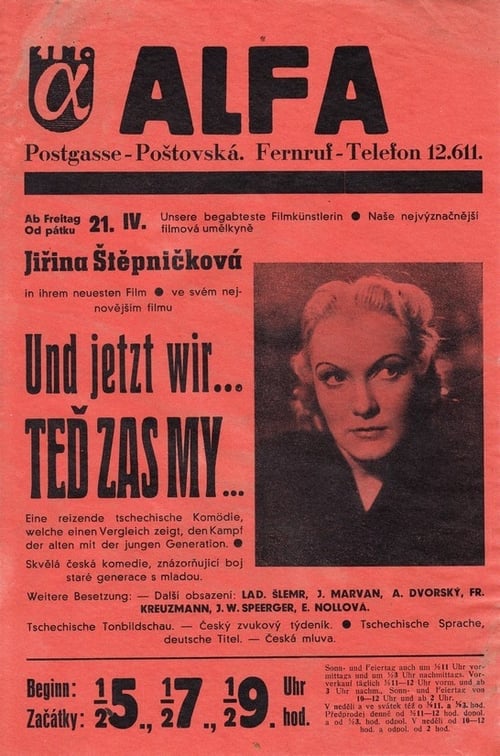
Ríša, a student of law, neglects his studies in favour of parties and pranks. His angry father refuses to continue helping him out of his debts. Ríša, however, is not entirely beyond hope. He decides to go and stay for a while with his uncle, a priest, who lives in Moravia, in order to prepare for his exams. He meets Helenka, the timid daughter of the local gamekeeper, at a village ball and is enchanted by her. The days pass and their idyllic relationship begins to tire Ríša. He begins to tell Helenka about his former debauched life the about the broken hearts of beautiful women. Helenka is hurt and refuses to see Ríša anymore. His uncle, the priest, is incensed at his behaviour and orders his nephew out of the house. Ríša tries desperately to find Helenka so he can make it up to her.
Sňatky z rozumu was a Czechoslovak television programme which was first broadcast in 1968. The programme was directed by František Filip.
A young farmer, Jan Aleš, is drafted from his native Pošumaví to join the army. Since he likes his new environment, he stays with the army as a long-term serviceman. He even successfully passes the exams for the military academy. There he becomes friends with his Slovak colleague Milan Jurčík. He studies diligently, but thanks to Milan he sometimes finds time to go out into the city. That is how he meets the factory owner's daughter, Zdenka, with whom he falls in love. However, her father is not very happy about the promising relationship.
No description available.
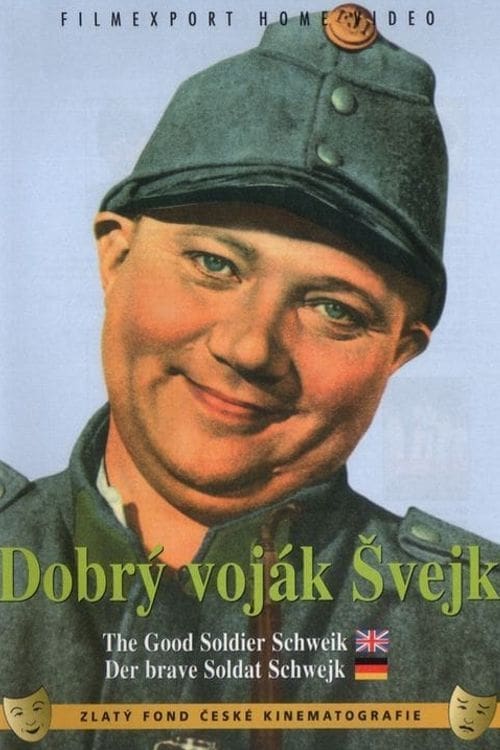
Good-natured and garrulous, Schweik becomes the Austrian army's most loyal Czech soldier when he is called up on the outbreak of World War I -- although his bumbling attempts to get to the front serve only to prevent him from reaching it. Playing cards and getting drunk, he uses all his cunning and genial subterfuge to deal with the police, clergy, and officers who chivy him toward battle.
A ballad story from the life of the inhabitants of the Moravian Beskydy Mountains. The heroine is a young woman, Františka Plesníková. Františka's lover was killed by a falling tree before he could marry her, and the girl faced the bitter fate of a "roll" of illegitimate mother. Františka fought with all her might for a better life for her son Metúdek. For his sake, she eventually married an old widower farmer, Podešva. However, she soon realized that her marriage had not benefited either herself or her child.
The factory owner Hložek is in a constant dispute with his son Jiří. Jiří wants to modernize the factory, but his father is afraid that the new machines will deprive the workers of their jobs. News of the factory modernization divides the employees into two hostile camps. To prevent unrest, Hložek offers his son money from his mother's inheritance in exchange for his departure. Jiří's biggest opponents include two older employees of the company - the correspondent Málek and the accountant Mazara...
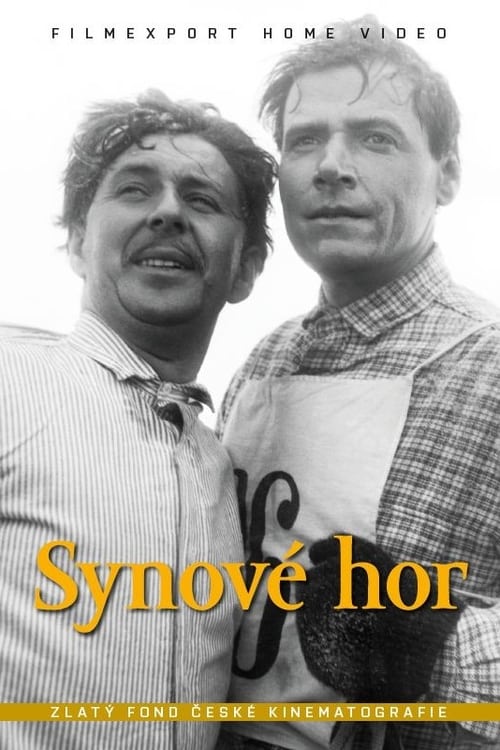
The story of a friendship for life and death captures a real event that took place in the snowy Krkonoše Mountains in 1913. The actors of the drama were Bohumil Hanč, one of our first ski racers, and his friend Václav Vrbata. The film's plot takes place between 1912 and 1913 and is framed by two international 50 km races. After winning in 1912, Bohumil Hanč wants to stop racing at the behest of his wife Slávka. In 1913, strong foreign competitors enter the race, so Bohumil succumbs to the pleas of his friends and decides to race for the last time. However, the weather changes during the race. Strong winds and snow begin to blow, severe frost sets in, and for the racers, it means a fight for their lives.
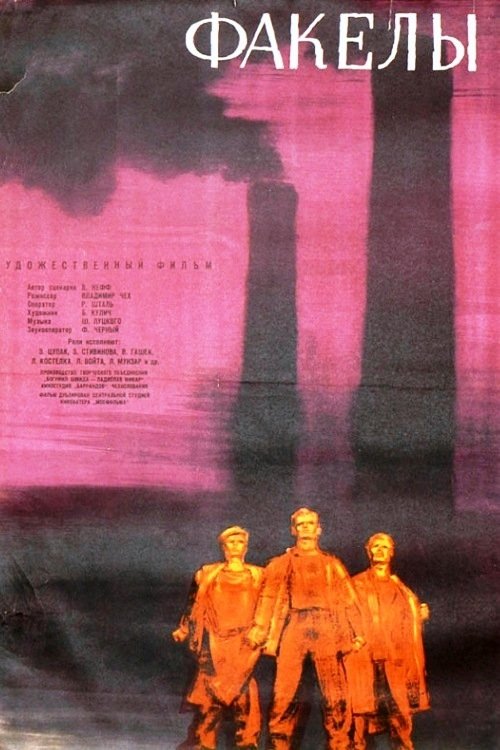
Prague in the 1870s. Work in Smolík's sulphur factory is hard and dangerous to health. The poorly paid workers resemble torches because their clothes are soaked with poisonous phosphorus. Young Josef Rezler also works in the sulphur factory and uses his earnings to feed his mother and little sisters. He throws his perpetually drunken father out of the house. The older worker Brož forces Josef to learn to read and write. A cholera epidemic breaks out in Prague and Josef is the only one of his family to survive the disease...
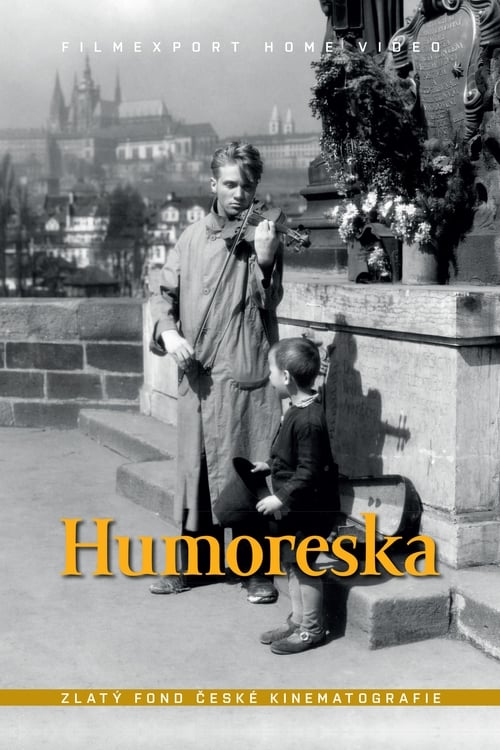
Dvořák's well-known composition reappears again and again in the serious moments of the lives of the father and son Hupeks - talented non-professional musicians for whom music gives them the opportunity to rise above difficulties and problems...
Together with a group of temporary workers, a group of experienced labourers is building a land reclamation system to turn the South Bohemian marshes into a "Seventh Continent" of fertile soil.
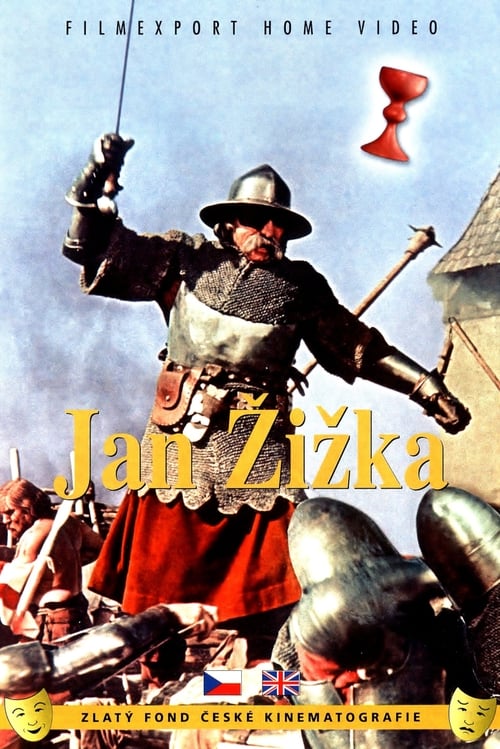
The second part of the revolutionary Hussite trilogy takes place in the years 1419-1420.
Documentary film from the nationwide celebrations of the centenary of the foundation stone of the National Theater in Prague.
A morally questionable lord comes to the aid of a working class man who is to be executed for speaking out about thieving rich scoundrels sticking it to the poor.