Acting
No description available.
A fleeting encounter in a train station draws a withdrawn young man into a shadowy world of desire and danger. As obsession deepens, innocence destroyed, and an irreversible transformation begins.
A young couple: Victor is a musician, Claire is a secretary in a publishing house. Their daily life seems so disappointing, so monotonous, that they begin to spend their time daydreaming, both creating their own imaginary world. At the office, she writes the story of an heroine's imaginary life. He collects material to compose an opera which glorifies the conquistadors.
After doing some time in jail, René has finally said goodbye to his criminal past. But when his son is mortally ill and in desperate need of expensive medical help, René can't refuse the offer to crack a safe in a villa. What René and his pals don't know is that they serve as a decoy for criminals who have much bigger plans. Can he escape from the police?
On 9 January 1836, Pierre Lacenaire goes to the guillotine, a murderer and a thief. He gives Allard, a police inspector, his life story, written while awaiting execution. He also asks Allard to care for Hermine, a lass to whom he has been guardian for more than ten years. In flashbacks, from the prison as Lacenaire writes, from Allard's study as he and Hermine read, and from other readers' memory after the book is published, we see Lacenaire's childhood as he stands up to bullies, including priests, his youthful thieving, his first murder, his brief army career, his seduction of a princess, and his affair with Avril, a young man who dies beside him.
In the year 2222, a former drug dealer is kept in a state of hibernation. Reanimated, he tells his story. Leader in the narcotics market, his situation was prosperous until, during a political change, the government legalized its use.
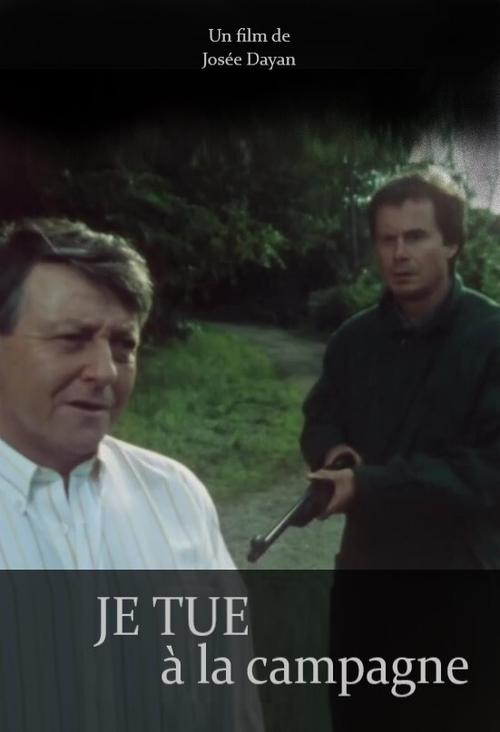
Suicidal Françoise Sorel wants to be buried in Castelnac, the village she was born in Périgord. Her daughter Lola, discovers she doesn't know anything about her parents and their past life. She spends a few days in Castelnac. A man, an ex-friend of her father's, is murdered and Lola is the main suspect...
After World War II, a small French village struggles to put the war behind as the controlling Communist Party tries to flush out Petain loyalists. The local bar owner, a simple man who likes to write poetry, who only wants to be left alone to do his job, becomes a target for Communist harassment as they try and locate a particular loyalist, and he pushes back.
Fush and Ballestrat are the heads of each department of the French police. Both have the task of combating serious crime and cleaning up the underworld.
In May of 1983, a man turns 49 and, with his 17-year old son, journeys to the village in Baden that he left 40 years before. He wants to discover what happened then, the truth about an affair his mother had with a young Polish prisoner of war, how the authorities came to learn of it, the lovers' arrest, and the aftermath. While his son takes Polaroid photographs, he retraces the steps of his childhood and interviews those who should remember. The story is disclosed in flashbacks that focus on the lovers (Paulina and Stanislaus), on a jealous and conniving neighbor, and on Mayer, the local SS commander who wants to find a way out of inevitable consequences.
Father Daens returns to Aalst, where workers suffer from poverty, child labor, and exploitation in the textile industry. Driven by his sense of justice, he takes their side, even if it means confronting the church and the upper class. A detailed historical drama about the fight for justice.
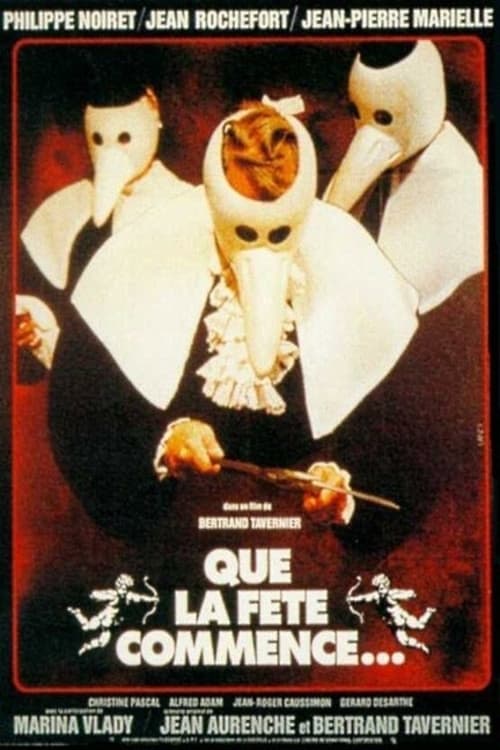
A look at 18th-century France, when the depravity of the authorities contributed to social oppression, and the uprisings flared up one after another.
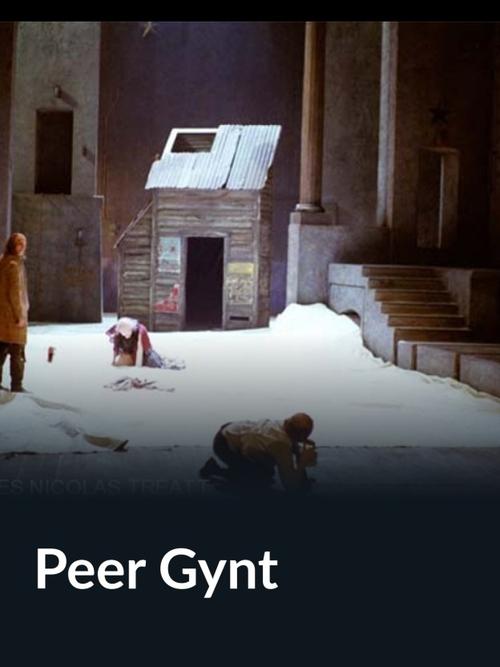
French television adaptation of Henrik Ibsen's five-act play in verse.
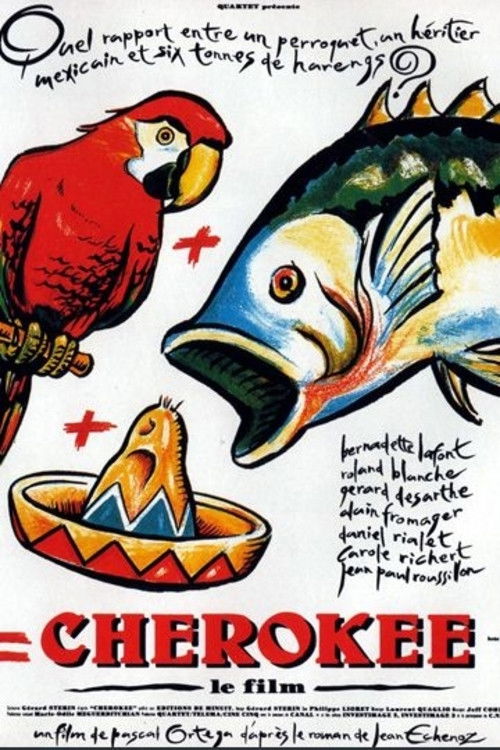
In this detective and crime comedy, the heir to a large fortune is an unknown, and nobody knows him or where he can be found. An occasional musician, Fred plans to pass himself off as that man. It's a goofy idea, but maybe it will work. However, before he can set up the con properly, he learns that his loser of a brother has, inexplicably, just gotten his first job in years as one of the detectives who is searching for the heir. At one time, the two brothers played together in an amateur rock band, but as a result of a heated disagreement about how to play the Ray Noble standard "Cherokee", the two haven't spoken in years. It's going to take a lot of persuading to pull this scam off.
Set amid the European community in an unspecified North African country, a colony on the verge of nationalism just before the war. And colonized is what happens to a French diplomat, Julien Rochelle, when he meets the mysterious beauty Clothilde de Watteville. Schmid 's favorite axiom, that love is projection, never had such a thorough airing. Is Clothilde really the wife of a French official now holed up in Siberia? Or is she Hecate, goddess of black magic and devourer of the Arab boys she meets far from the European quarter? Only our projections know for sure; for the rest, she is a "woman looking out into the night." Drawn from a novel by Paul Morand, who based the main character on his wife Helene, Schmid's film achieves an atmosphere of magic in which psychological credibility is not so much absent as irrelevant-a film that distances itself from the drama it invokes, perhaps as the elusive Clothilde turns her back on the madness she provokes.