
Nina Divíšková
Acting
Biography
Nina Divíšková (born 12 July 1936) is a Czech actress. She appeared in more than seventy films since 1967. She is the wife of the film director Jan Kačer. Her sister is ceramist Tamara Divíšková. From Wikipedia, the free encyclopedia
Known For
No description available.
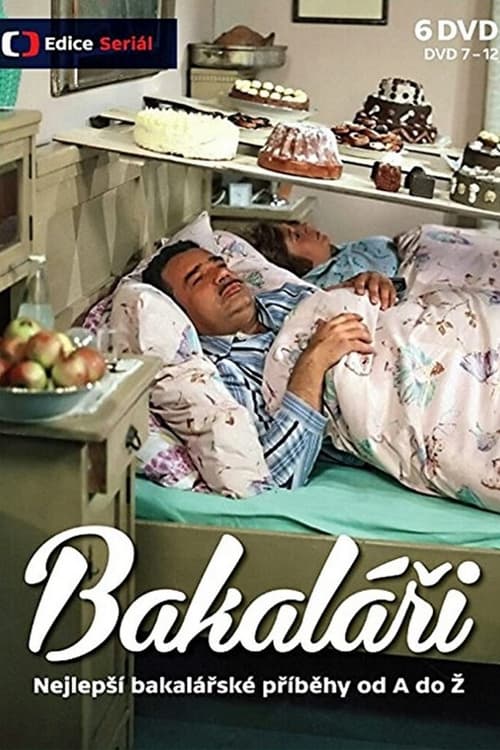
Bakaláři
Set in Czechoslovakia, the drama follows the lives of its characters against the backdrop of real historical events that shape their personal stories. To evoke period atmosphere, the series intersperses authentic clips from vintage Czechoslovak film newsreels, using their original commentaries or newly recorded historical voice-overs by Vladimír Fišer. A narrator, initially voiced by Vojtěch Kotek and later by Matěj Hádek, provides continuity and reflection, guiding viewers through changing times. Under the guidance of screenwriter Rudolf Merkner, each episode’s script weaves family and individual dramas into key moments of Czech and Slovak history: political shifts, cultural trends, and social transformations from the 1960s onward.
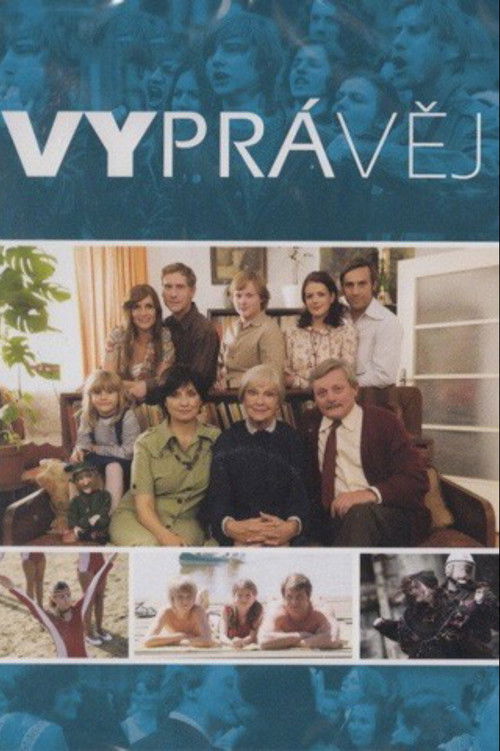
Vyprávěj

No description available.
Stopy života
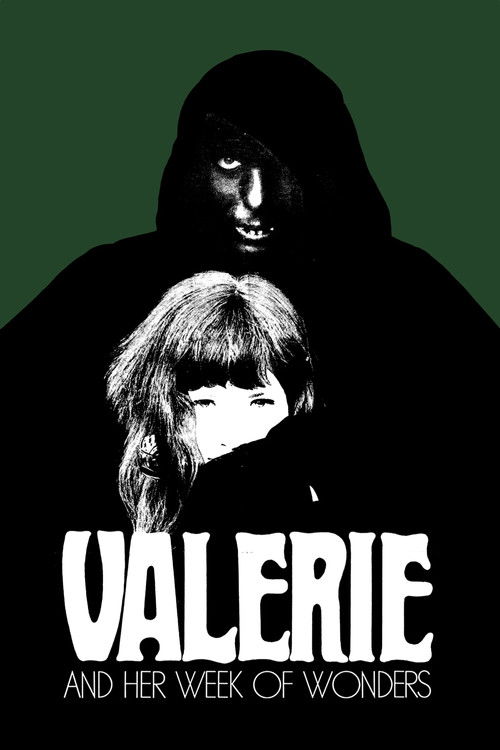
Valerie, a Czechoslovakian teenager living with her grandmother, is blossoming into womanhood, but that transformation proves secondary to the effects she experiences when she puts on a pair of magic earrings. Now seeing the world around her in a different light, Valerie must endure her sexual awakening while attempting to discern reality from fantasy as she encounters lecherous priest Gracian, a vampire-like stranger and otherworldly carnival folk.
Valerie and Her Week of Wonders
No description available.
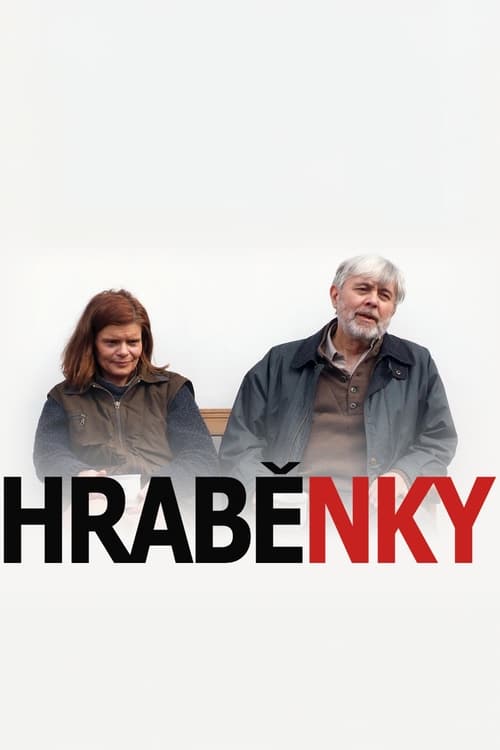
Hraběnky
No description available.
Zákony pohybu

Julie is a woman who seemingly has everything. A handsome husband, teenage daughter and a thriving, undemanding job as a translator and now even a new dream house ... But she also has a secret that is slowly changing her idyllic life...
Little Girl Blue
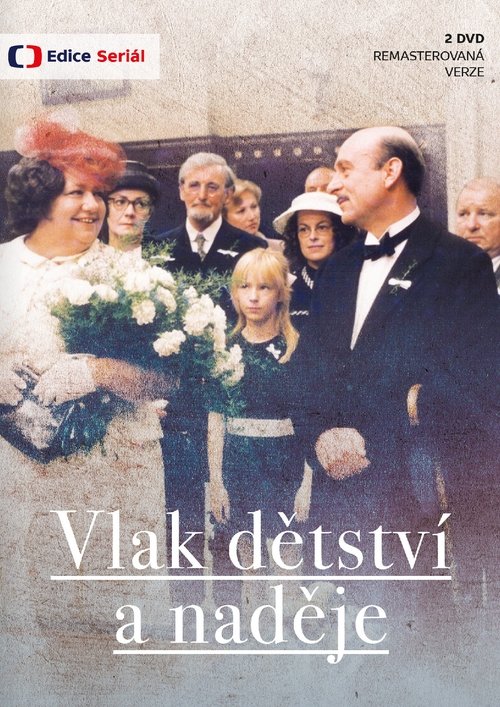
A story of a little girl Verka and her life during the beginning of WWII. Based on Vera Sládková novels.
The Train of Childhood and Expectation
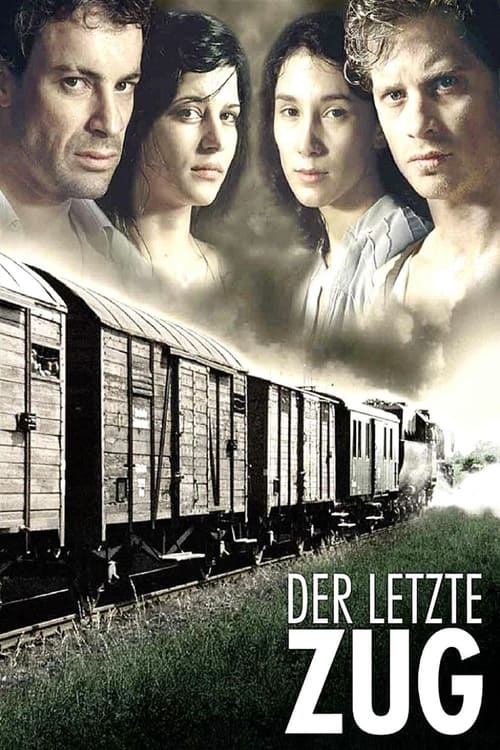
A group of people are imprisoned in a rail car bound from Berlin to a concentration camp in 1945.
The Last Train
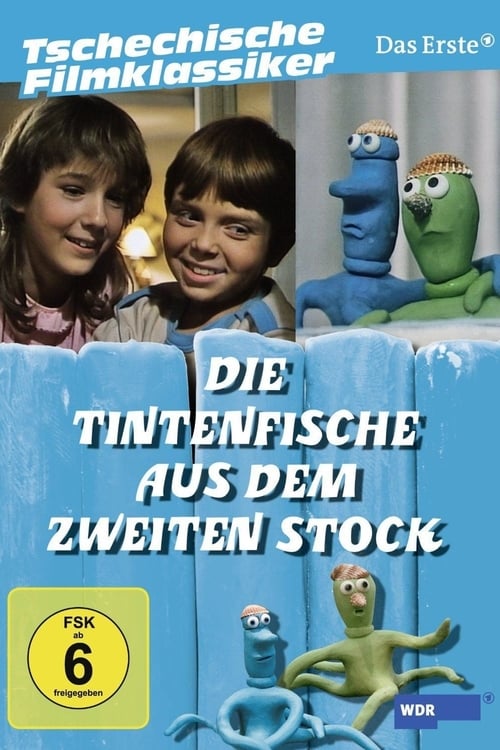
While on vacation with their bickering parents in Portugal, Eva and her little brother Johnny find two strange clots of clay on a polluted beach, who can speak and move on their own. They create two octopuses out of the blue and green material and take them home to Prague, soon discovering that their new pets attract electricity and other disasters.
The Octopuses from the Second Floor
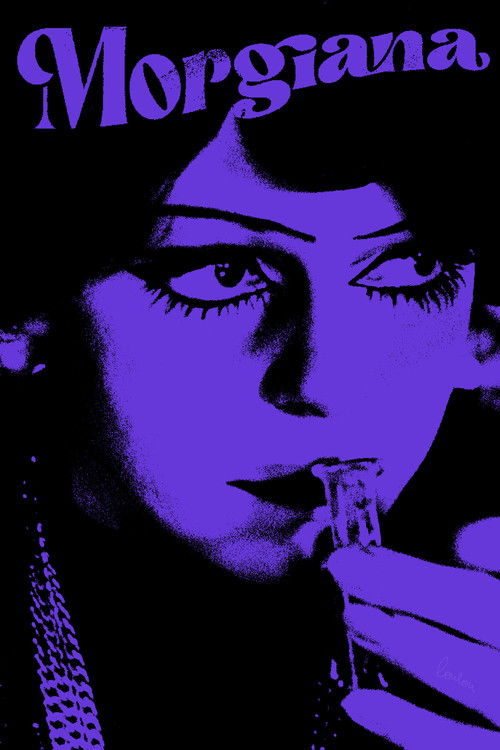
Jealous of her vapidly "good" sister's popularity, poisonous Viktoria doses pretty Klara's tea with a slow-acting fatal substance. As the latter grows hysterically weak, the former finds success increasingly compromised by guilt, blackmail, and the pesky need to kill others lest she be exposed.
Morgiana
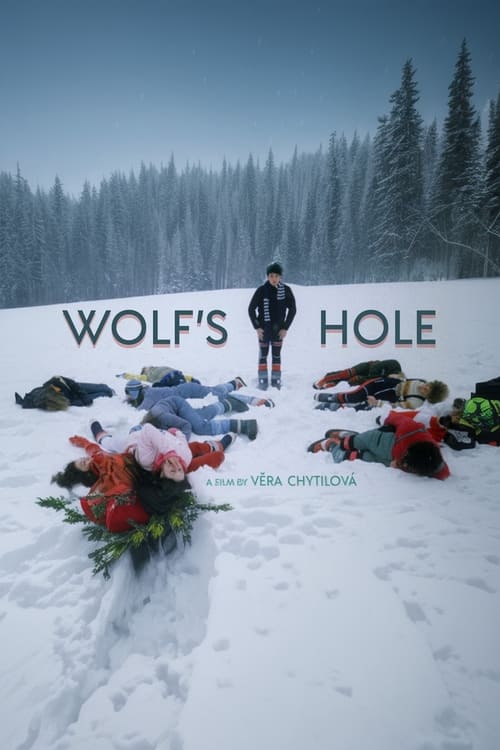
Eleven disparate adolescents, gathered for a skiing camp at an isolated winter resort, find themselves preyed upon and set against one another by their three mysterious instructors.
Wolf's Hole
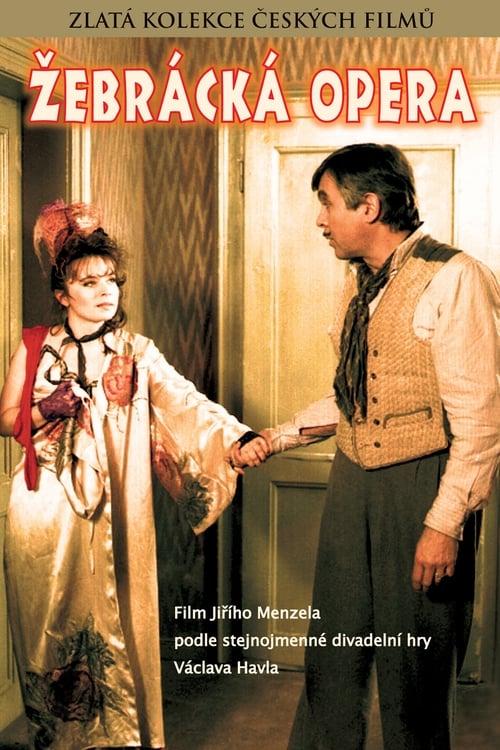
Unlike any other opera, the so-called Beggar's Opera is not just one composition, but a lineage of adapted compositions, beginning with the original hugely successful 1728 political satire written by Englishman John Gay. Composers and writers have penned variations on it ever since. The most famous of these was A Threepenny Opera by Bertholt Brecht and Kurt Weill. Some things these compositions share in common is their setting among the poor and criminal classes, and the roguish character Macheath. This production is based on an adaptation of Gay's original by Vaclav Havel the freedom-fighter, writer and philosopher who became the first (and only) president of the united post-communist country of Czechoslovakia, and it retains many traces of its theatrical origins. Film reviewers were not too tolerant of what they called "slavish adherence" to the noted Czech writer's stage production, but theater, philosophy and history buffs may feel otherwise.
The Beggar's Opera
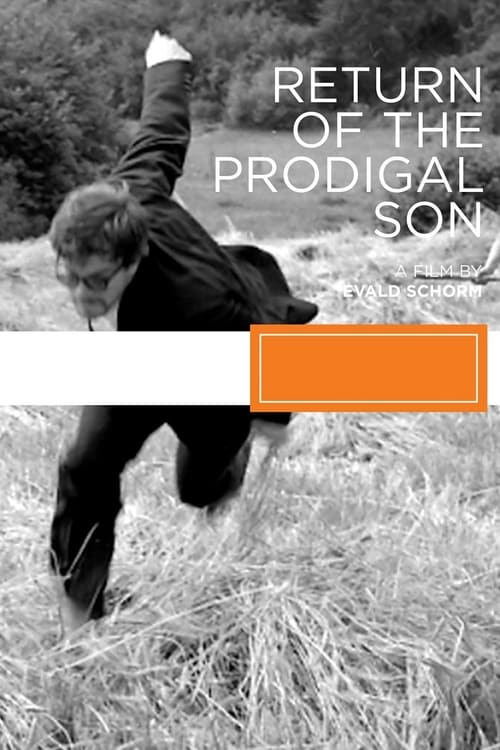
Engineer Jan Sebek (Jan Kacer) is undergoing treatment in a mental home after his unsuccessful attempt to commit suicide. His therapist, via discussions both with the patient and with people who know him, tries to find out what made the young and seemingly satisfied man decide to end his own life. Jan's pretty wife Jana (Jana Brejchová) claims not to know about anything but she is conducting an affair with a family friend, almost publicly and with the blessing of her parents.
The Return of the Prodigal Son
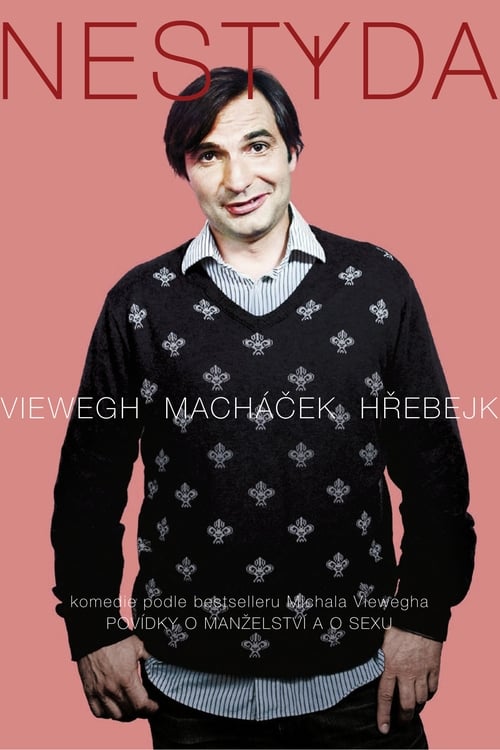
When Oskar, a self-centred TV weatherman, cheats on his wife Zuzana with their au pair, she kicks him to the curb and enlists her in-laws in the search for a new boyfriend.
Shameless
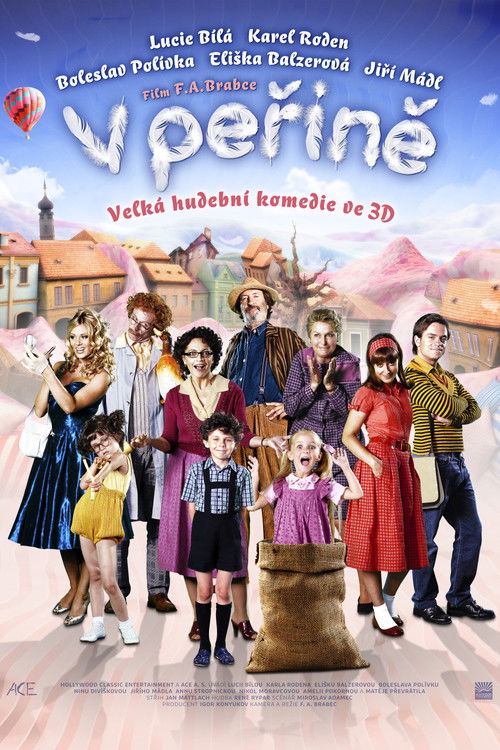
The great musical comedy by F. A. Brabec V perine is the first Czech film made entirely in 3D. This stimulating comedy, in true and thorough 3D, presents a whole new computer-made world concealed in a quilt, where a large part of the film is taking place. The film V perine is a musical comedy made in the high-spirited style of Mamma Mia. In a relaxed world, where everybody used to dance rock'n'roll and the streets were full of pink Cadillacs, good and bad dreams hidden in our quilts take form. The musical adventure culminates in the magical world of dreams.
The Magical Duvet
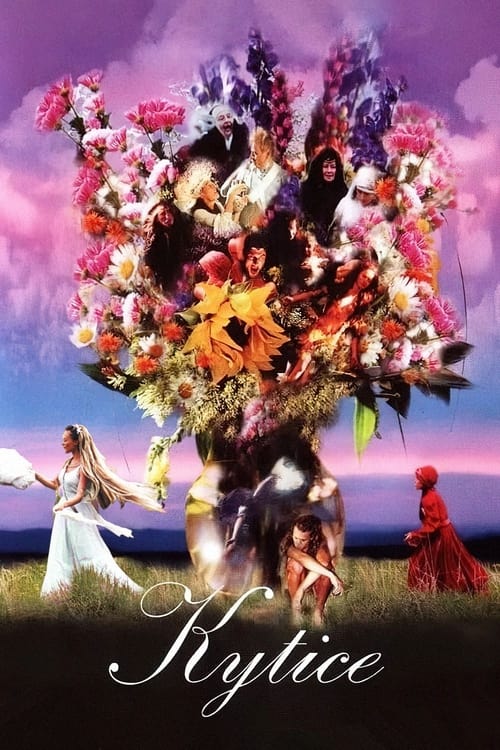
Seven seemingly unconnected fairy tales - glued together only by folklore, mood, color and light - make up this Czech collection of visual poetry. The original piece of literature, written by Karel Jaromír Erben in 1853, contained twelve tales.
Wild Flowers

A man who deals with parcels at an airport cargo company finds that he likes planes more than people.
Wrong Side Up
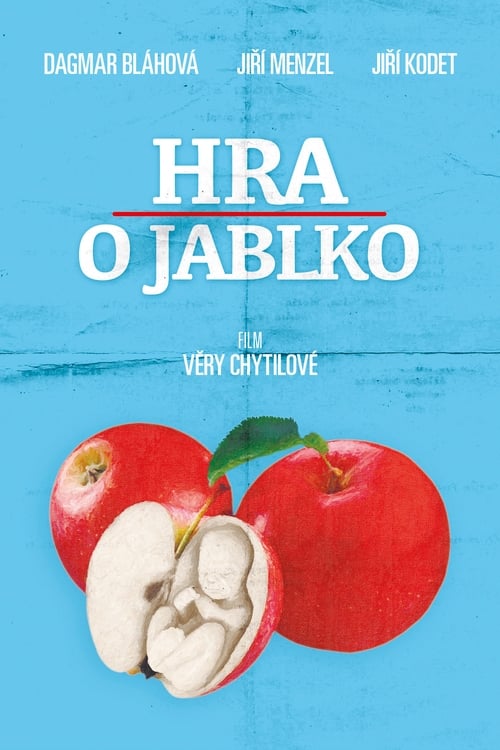
Sarcastic comedy about the Czechoslovakia of the seventies. A young gynaecologist can't figure out whether to get serious with a young nurse or to stay casual with his married lover. Things get complicated when both women don't want to play his game anymore.
The Apple Game
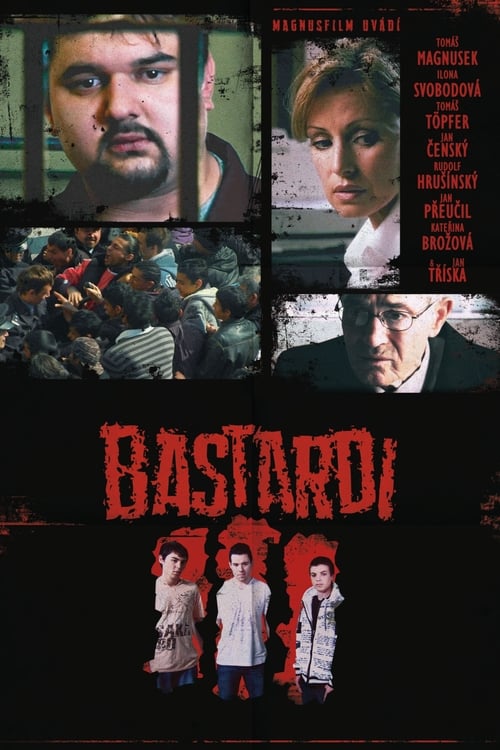
Teacher Tomáš Majer, who joined a former special school in 2010, has disappeared. He arrived at the school several months after his sister Jana, also a teacher, was murdered. During the school year, the boys who murdered Jana Majerová mysteriously died. Tomáš Majer most likely avenged his sister in cold blood.