Acting
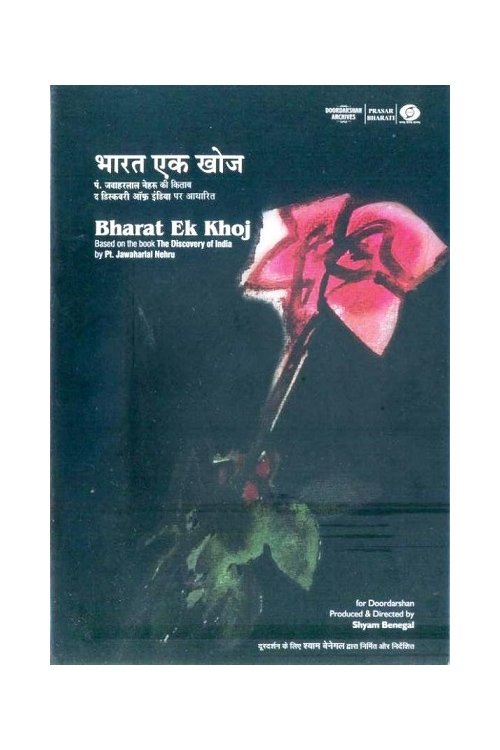
Bharat Ek Khoj is a 53-episode Indian historical drama based on the book The Discovery of India by Jawaharlal Nehru, that dramatically unfolds the 5000 year history of India from its beginnings to the coming of independence in 1947. The drama was directed, written and produced by Shyam Benegal with cinematographer V. K. Murthy in 1988 for state-owned Doordarshan. Benegal's regular script collaborator Shama Zaidi also co-wrote the script.
Presents a filmed, intercontinental conversation that links moderator Edward R. Murrow in New York with three internationally known figures located in different parts of the world. What set this apart from other televised interview/discussion programs was the fact that its participants could not see each other but could hear one another via telephone lines and radio.
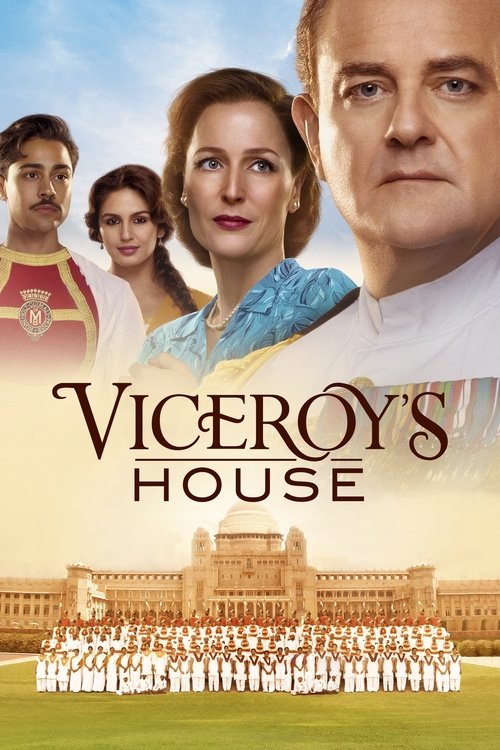
In 1947, Lord Mountbatten assumes the post of last Viceroy, charged with handing India back to its people, living upstairs at the house which was the home of British rulers, whilst 500 Hindu, Muslim and Sikh servants lived downstairs.
To understand today's West Bengal and its crises and challenges, one needs to know the nitty-gritty of West Bengal's fascinating political history. This docu-series attempts to provide a primer of that history through the reigns of eight Chief Ministers who have ruled the state.
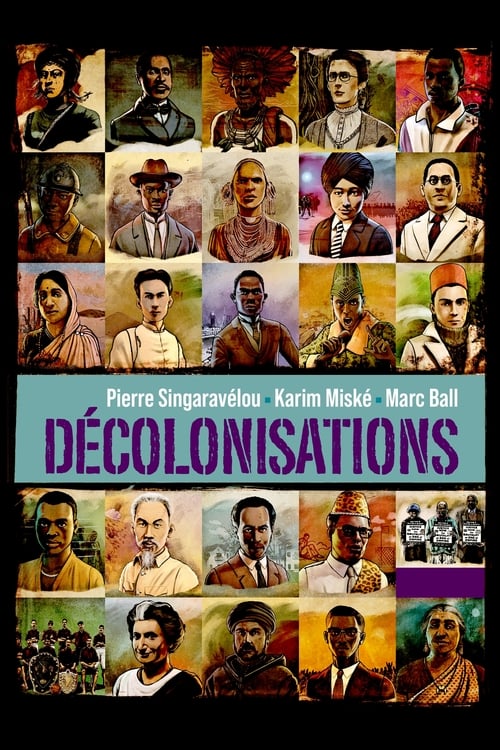
The history of decolonization from the point of view of colonized peoples, an epic story that still resonates and reverberates to this day.
The film focuses on the political issues and conflicts that led to the assassination of India's leader.
No description available.
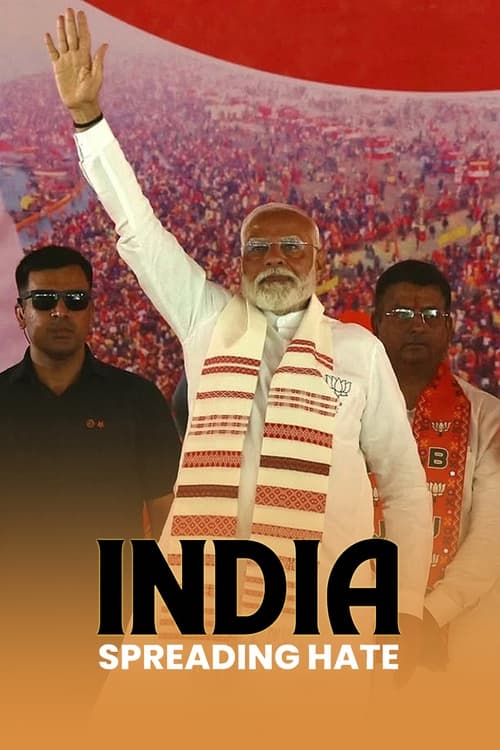
Since the rise to power of Hindu nationalists in 2014, India has been gradually moving away from democracy towards a regime where ethnic identity prevails. This transition is driven by Hindutva, a Hindu supremacist ideology embodied by Narendra Modi. For the past 10 years, Prime Minister Modi has relentlessly pursued his fascist policy based on Hindu supremacy. This ideology of hatred towards other religions in the country, particularly Islam, has also spread globally. Those who follow this belief want India to be only for Hindus, treating people of other religions, like Muslims or Sikhs as second-class citizens. Attacks against Christians have surged by 400% since Modi's election, accompanied by discriminatory laws targeting Muslims and widespread lynching incidents. Hindutva's influence permeates all levels of Indian society. This documentary thus unveils a darker side of India, far from its portrayal as the world's largest democracy and Gandhi's dream of peace among communities.
The Film is on Subhash Chandra Bose, who founded the Indian National Army (INA) or the Azad Hind Fauz , of which he assumed personal command on 25th July, 1943 to fight the British imperialists. Its Supreme Command Headquarters was established at Rangoon.
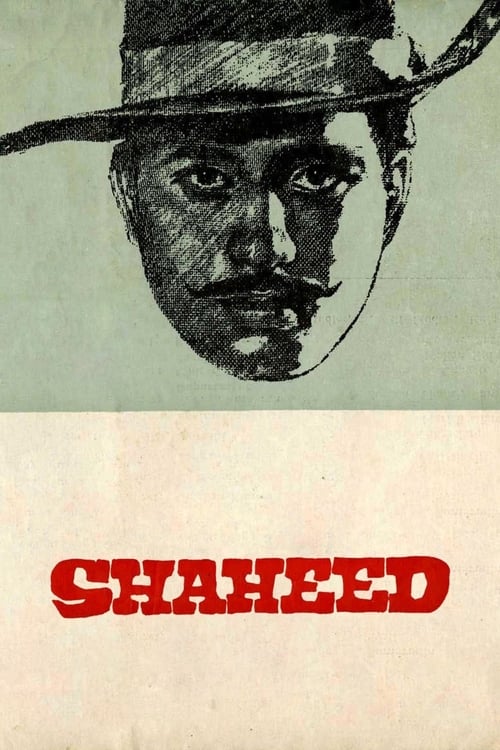
The inspirational biography of one of India's greatest patriots Sardar Bhagat Singh.
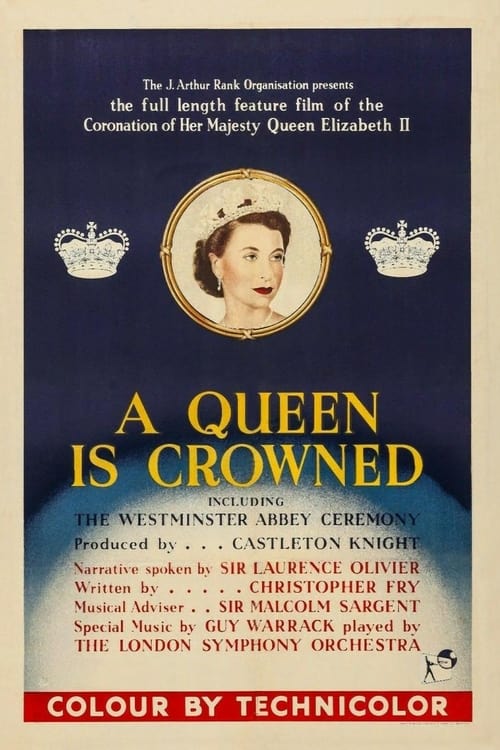
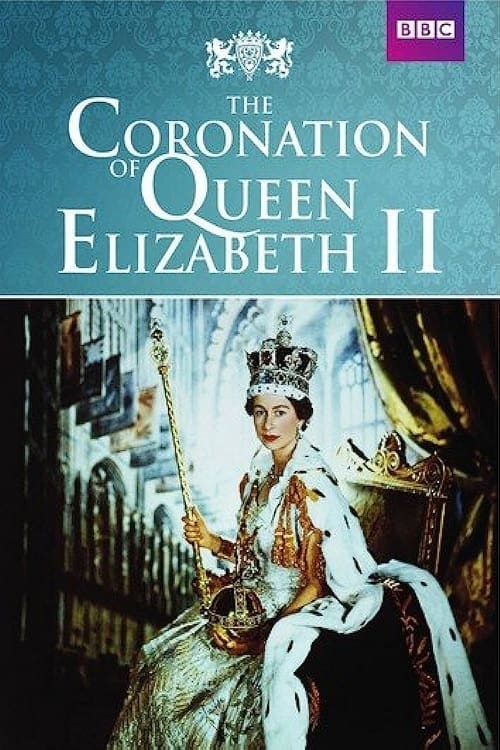
A lavish documentary film of Queen Elizabeth II's Coronation in 1953.
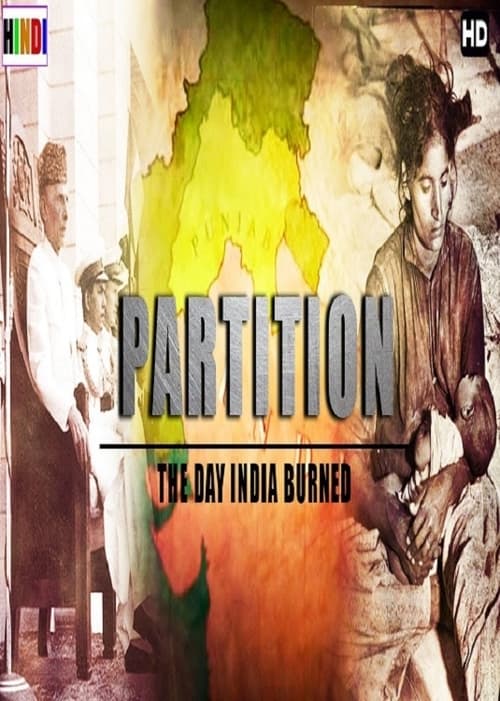
Documentary about the effects of Britain's withdrawal from India in 1947 which triggered one of the biggest migrations in history. 15 million were displaced and more than a million lost their lives. The story is told through the testimony of people who lived together for centuries, but were forced out of their homes as one of the largest and most ethnically diverse nations in the world was divided. Dramatised reconstructions evoke some of the mistrust, violence and upheaval that ensued
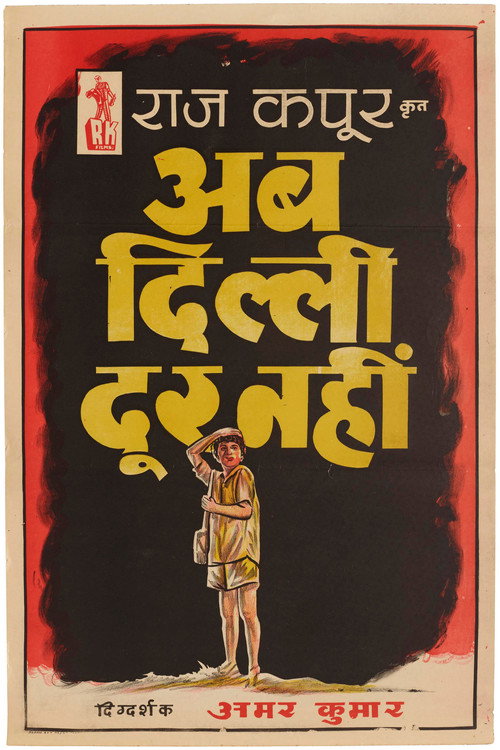
A young boy travels to Delhi, wanting to meet Prime Minister to seek justice for his father who has been wrongly sentenced to death.
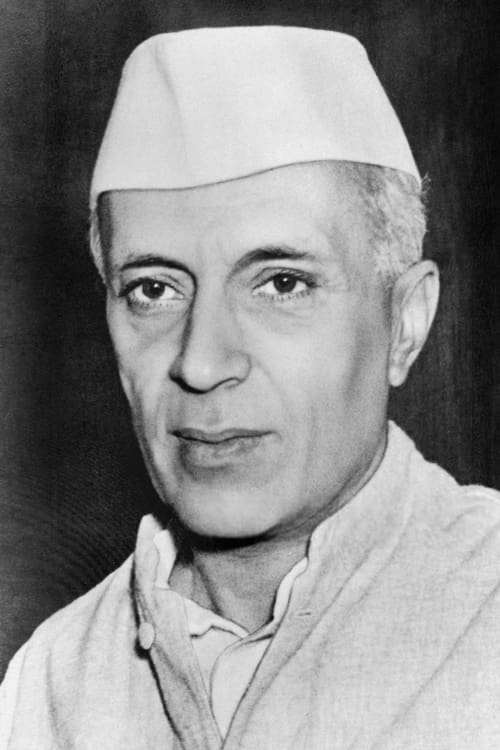
Divided into three parts — The Awakening, The Struggle, and Freedom — this is a biographical film on Pandit Jawaharlal Nehru, the first Prime Minister of independent India. Relying on Nehru's writings and speeches, the film traces the evolution of Nehru from his birth through his life. It also deals with the effect of history on Nehru and in turn his impact on the world.
Based on the life of Jawaharlal Nehru (played by Pratap Sharma) -- who succeeded Mahatma Gandhi and became independent India's first prime minister -- this red-letter film takes an inside look at the man known as the Jewel of India. Directed by former politician Kumar Kiran, the movie intertwines historical information and human drama to examine the personal and professional life of one of India's master statesmen.
The coronation of Elizabeth II as queen of the United Kingdom and the other Commonwealth realms took place on 2 June 1953 at Westminster Abbey in London. She acceded to the throne at the age of 25 upon the death of her father, George VI, on 6 February 1952, being proclaimed queen by her privy and executive councils shortly afterwards. The coronation was held more than one year later because of the tradition of allowing an appropriate length of time to pass after a monarch dies. It also gave the planning committees adequate time to make preparations for the ceremony.
The first candid film made on a foreign chief of state, three weeks in the life of Jawaharlal Nehru.