Nathalie Alonso Casale
Editing
Biography
Nathalie Alonso Casale is a Dutch-Spanish-French film director, editor and writer. She is a graduate of the Amsterdam Film School (NFTVA). In 1996, she founded her own production company, Titanic Productions. In 2013, she co-founded The Intolerant Film Collective with three fellow Rotterdam-based filmmakers.
Known For

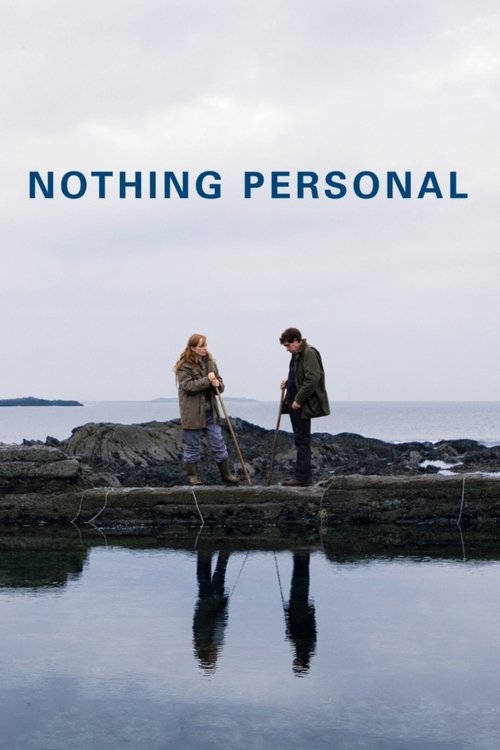
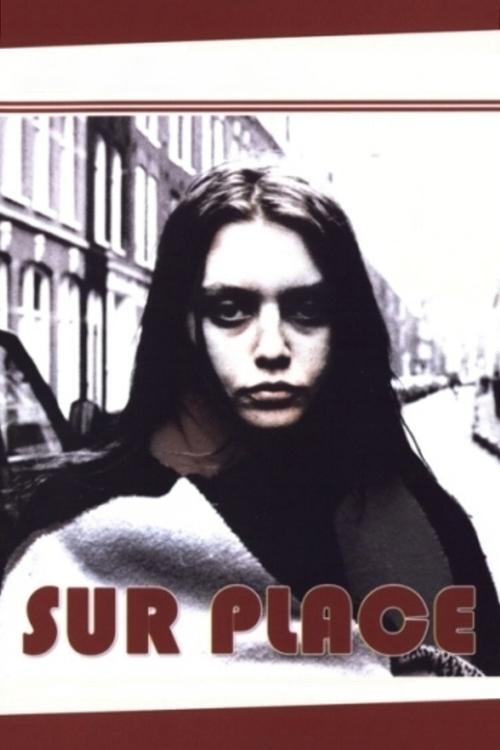
Alone in her empty flat, from her window Anne observes the people passing by who nervously snatch up the personal belongings and pieces of furniture she has put out on the pavement. Her final gesture of taking a ring off her finger signals she is leaving her previous life in Holland behind. She goes to Ireland, where she chooses to lead a solitary, wandering existence, striding through the austere landscapes of Connemara. During her travels, she discovers a house that is home to a hermit, Martin.
Nothing Personal

A mysterious foreign woman who is staying temporarily in a house there. Who she is and what her secret is are both slowly revealed in the reconstruction of a story about passion, revenge and war. Paul Ruven's homage to the films of Marguerite Duras and Chantal Akerman.
Sur place

A young Polish-born, Berlin-based lawyer working on refugee cases is unexpectedly reunited with his father, who is his only tie left with his homeland.
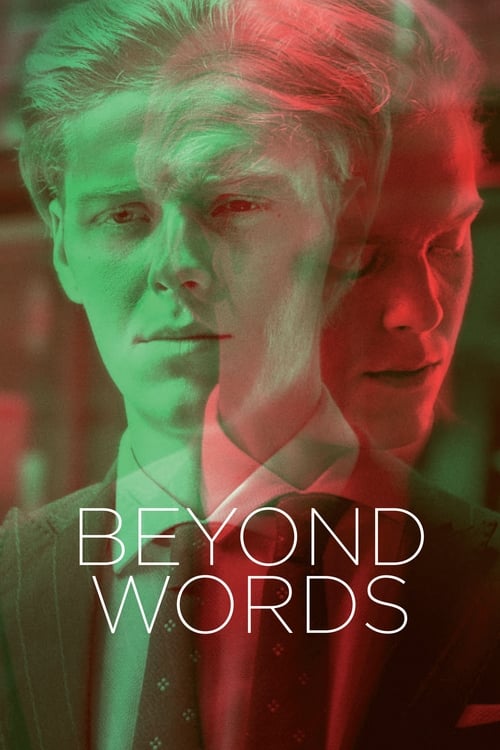
Beyond Words

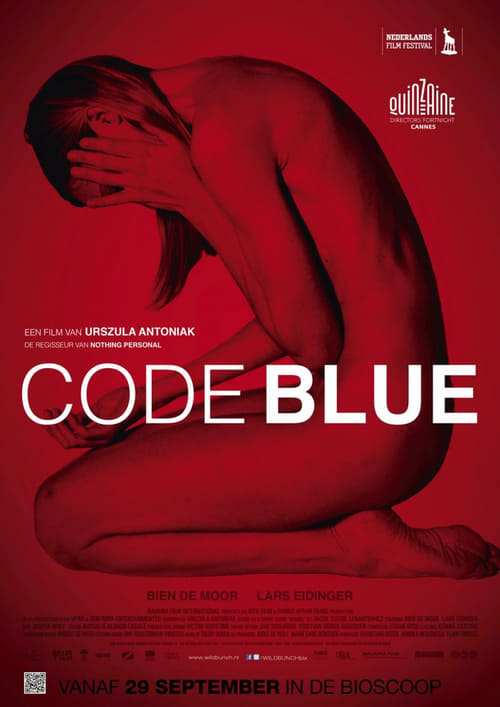
Marian, a middle aged nurse, devotes herself to her patients like a saint. Sometimes she even takes on the role of a redeemer, by helping the gravely ill to the soothing order of ultimate silence. When she gets linked to a neighbor in an act of common voyeurism, she becomes fascinated by him. Faced with the fragility of these newfound emotions, Marian surrenders to her human needs
Code Blue

Guernsey is the story of a woman who suddenly looks at her own life and wonders how she became miles apart from the people she is closest to.
Guernsey

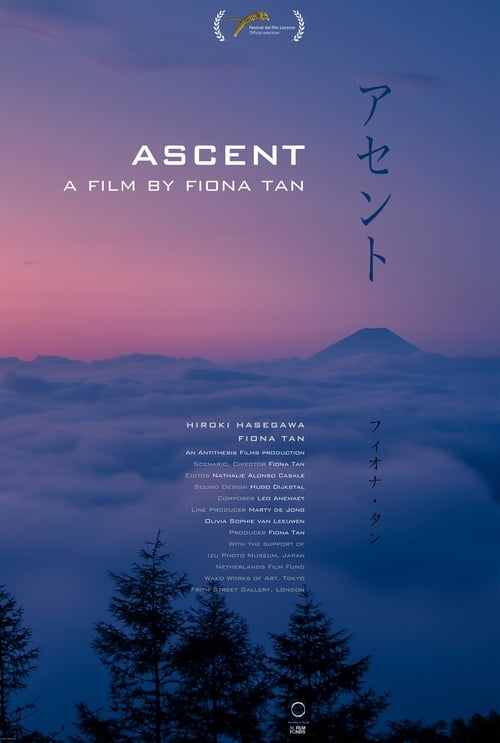
Through a grey blanket of clouds, we barely discern the contours of Mount Fuji, a volcano with many faces. 4,500 exceptional and diverse photographs from the past 150 years form the basis for Ascent. Made entirely with stills, it is a filmic experiment balancing between documentary and fiction, photography and film, where an English woman and her deceased Japanese partner, Hiroshi, lead the way. As Mount Fuji is climbed across geographical, temporal and cultural divides, the narrative unfolds, exploring unexpected paths.
Ascent

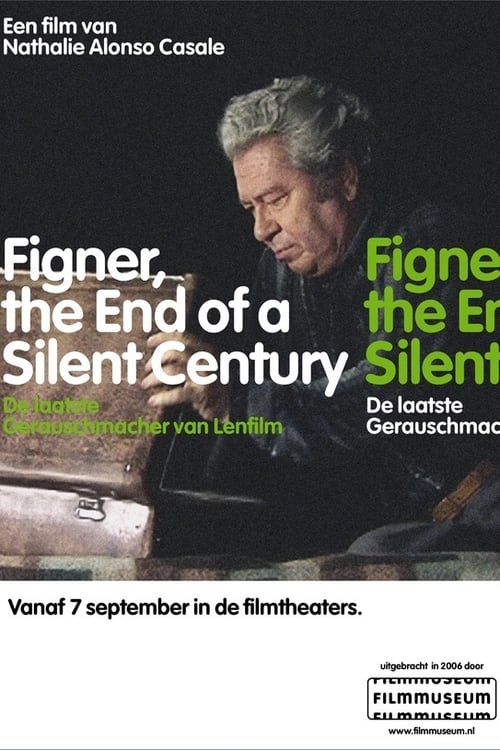
Through her very real subject Edgar Figner, director Nathalie Alonso Casale offers us an intimate sense of the 21st-century Russian zeitgeist. A true alchemist, Mr. Figner has spent his life in Leningrad (St. Petersburg) as a sound-effects artist at Lenfilm Studios, where from the silent era to the present he has used commonplace objects (cabbages, old shoes) to create complex sound effects for films. Under the pressures of contemporary Russian life, Figner begins to retreat into a past comprising his own personal history and the history of Russian cinema. As reality and memory blend with stunning scenes from Soviet films, Figner’s art becomes a soundtrack for the muffled culture created by the repression of the Soviet era. This delicate mix of documentary, reality and cinematic imagination creates a deeply sensitive account of the silences at the heart of the Russian social, political and cinematic experience.
Figner: The End of a Silent Century
Losing his memory after a mugging, a man known only as 'MP' (Missing Person) leaves his home and sets out on a journey - in search not only for his memory but perhaps also for a new identity. MP finds himself confronted by a world in which there are no longer any certainties; an era of crisis on many levels. On his travels from country to country, portrayed via an associative image montage and through a series of strange, illuminating, sometimes comic encounters, MP attempts to gain insight into the complexity of life in the 21st-century West - into what commentators have called an age of 'rolling catastrophe'.
History's Future

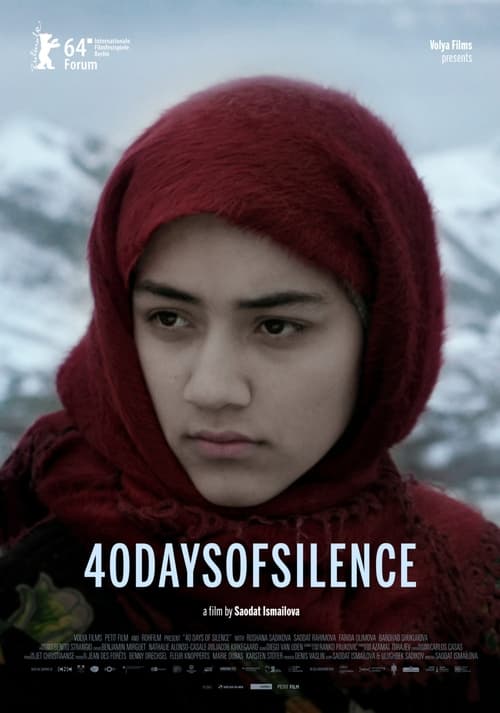
This is a passage between two faces, each the same, yet different. Bibicha’s face first appears in the dark, her eyes open and expression impassive, only her heavy breathing betraying the strain she feels. She will withstand the strain and take the vow of silence, retreating to her grandmother’s house for the 40 days to pass. The house and the landscape outside at least offer Bibicha certain sensory distractions: the taste of honey, the texture of a wall, an eye-catching bedspread, the view out over a sea of cloud, water fizzling on the stove. But it is not just her under strain, as her aunt’s frantic text messaging, her grandmother’s rueful acknowledgement of the stories of marital strife on the radio and her little cousin’s illegitimate status bear witness to. Four generations of women in the complete absence of men, yet all marked by their presence, the similarity of their fates blurring together different times and customs.
40 Days of Silence

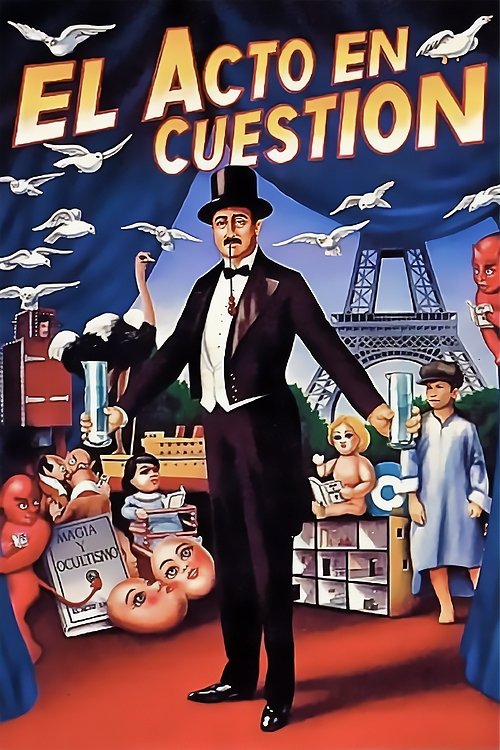
Miguel steals a trick from a magic book and becomes a world-renowned magician. However, the idea of the public discovering that this great trick is plagiarized from a book eats at his mind more and more.
The Act in Question

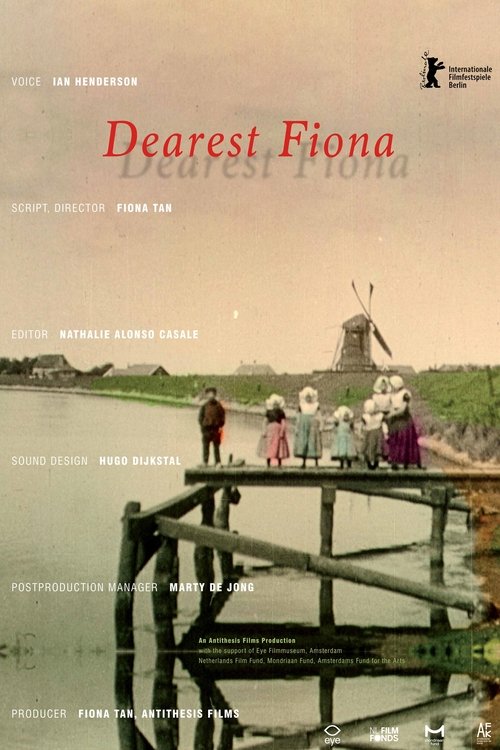
As a voice reads letters from a father to his daughter off camera, 20th century archival images from the Netherlands are shown. Fiona Tan touchingly explores what potential emerges when sound and image diverge.
Dearest Fiona

No description available.
Memory of the Unknown
short film by Nathalie Alonso Casale
3 Januari
A collaboration of Nathalie Alonso Casale and Axe-group (Max Issaev & Pavel Semtchenko).
Siesta, la tetera y la rosa
Hammada walks away from home after an argument with his father. Will a special encounter at the river show him the way back?
Hammada
Docu-drama shows the director on her demythologising quest in Aragon for the truth about the Spanish Civil War. The film is a surrealistic reconstruction of what her, in those days executed grandfather, has gone through.
Memorias sin batallas y otros muertos

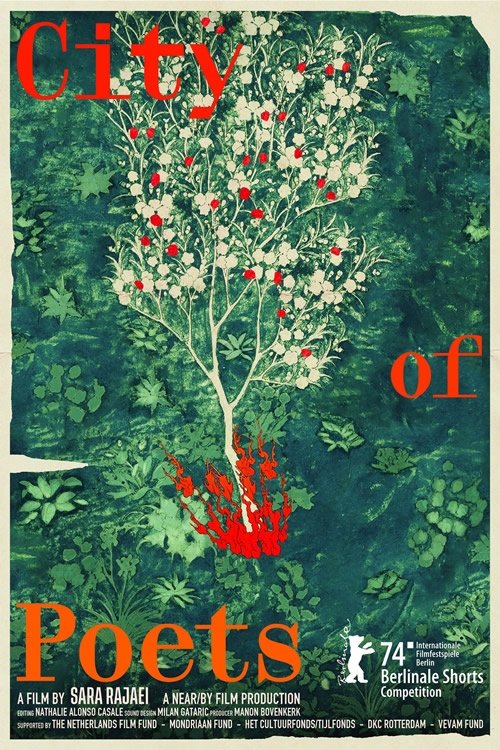
In a small, semi-utopian city, all the streets are named after poets. When war begins, new neighbourhoods emerge to accommodate the refugees. Now, the streets are named after soldiers.