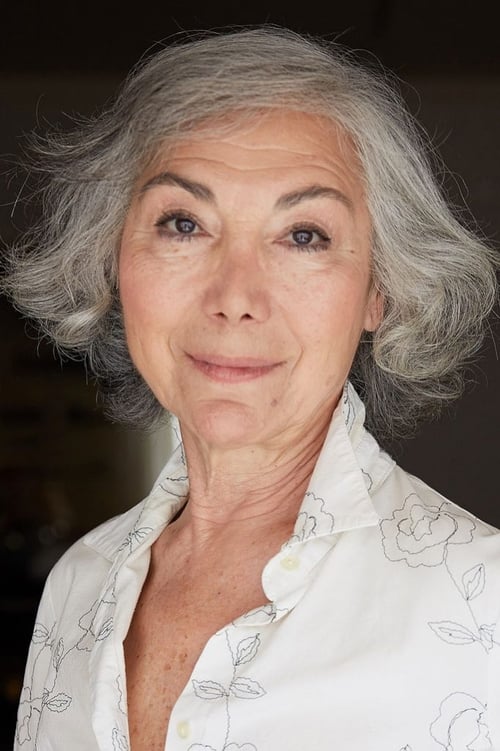
Teresa del Olmo
Acting
Known For

La que se avecina is a Spanish television comedy created by Alberto Caballero, Laura Caballero and Daniel Deorador. The TV-series focusing around the inhabitants of Mirador de Montepinar, a fictional building located on the outskirts of a big city. Both its storylines and cast are heavily based on Aquí no hay quien viva, which ended when Telecinco bought Miramón Mendi, the series production company. The episodes debuted on the Telecinco network, and were later rerun by the same network as well as cable/satellite channels FactoríaDeFicción and Paramount Comedy. The series debuted in 22 April 2007 and became popular thanks to its funny characters, witty script, use of catchphrases and capacity to integrate and poke fun at contemporary issues; the program presents a caustic satire of many of the 'types' found in Spanish society. The name of the show involves wordplay, as "vecina" is the Spanish word for neighbour.
La que se avecina

In 1920s Madrid, four women at the National Telephone Company ring in revolution as they deal with romance, envy and the modern workplace.
Cable Girls
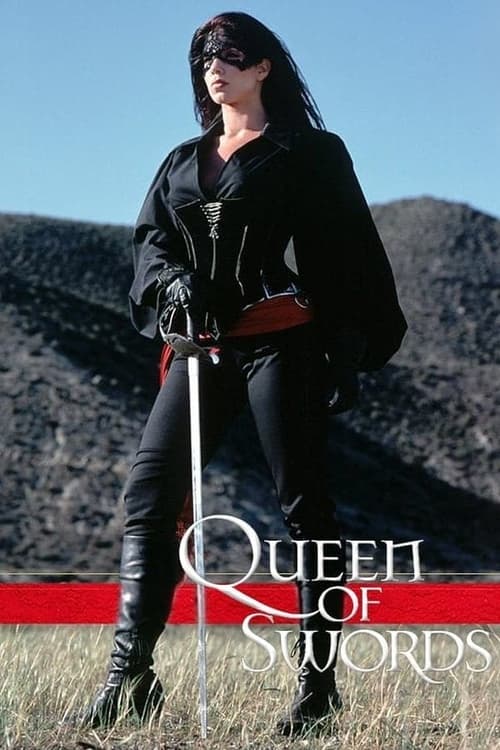
Queen of Swords is an action–adventure television series set in California during the early 19th century that ran for one season, from 2000 to 2001. The series premiered October 7, 2000. After filming had been completed on 22 episodes and the first eight episodes were broadcast, the series was canceled.
Queen of Swords

No description available.
Territorio Gravedad
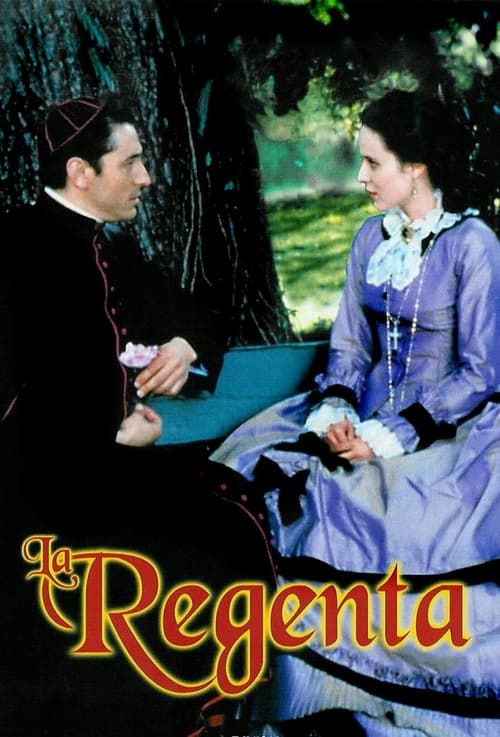
The imaginary city of Vetusta, a symbol of anachronistic and oppressive traditions, is the realm of hypocrisy and intolerance that makes Ana Ozores's life unbearable and inevitably tragic.
La Regenta
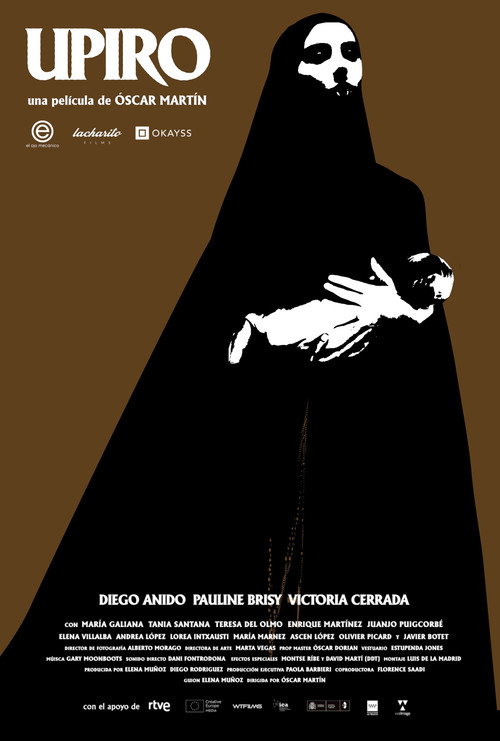
Spain, 1755. Ana is sent to a cloistered monastery where several nuns are afflicted by a mysterious disease. With the help of an unorthodox priest, the young novice uncovers an ancient legend and malevolent force: a bloodthirsty upiro.
Upiro
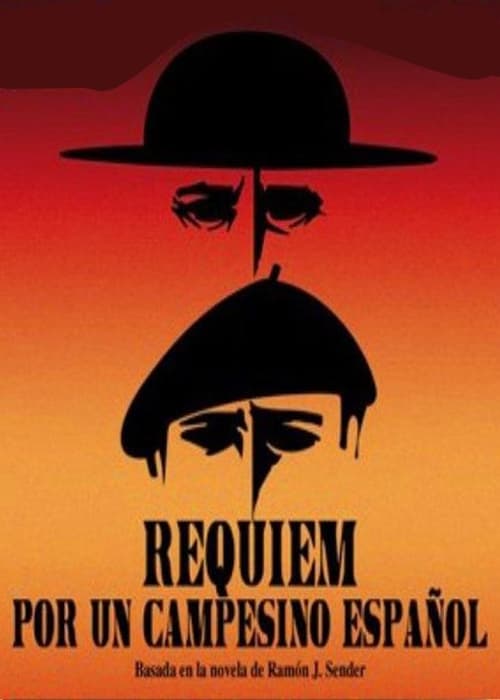
Hypocrisy and betrayal are the two dramatic pivots in this effective, emotionally gripping tragedy about the life and death of Paco (Antonio Banderas), a Spanish peasant who had been fighting against the feudal landowning system that kept farmers impoverished. Paco's life is told in flashbacks by a priest (Antonio Ferrandis) who is seen officiating at an anniversary mass attended by three wealthy landowners and no one else. The priest recalls Paco's baptism, his communion, his marriage ceremony and then his work for the peasants as he advocated and led them in a land-reform movement. The rest of the story will rest heavy on the priest's conscience, as he looks out at his empty church.
Réquiem por un campesino español
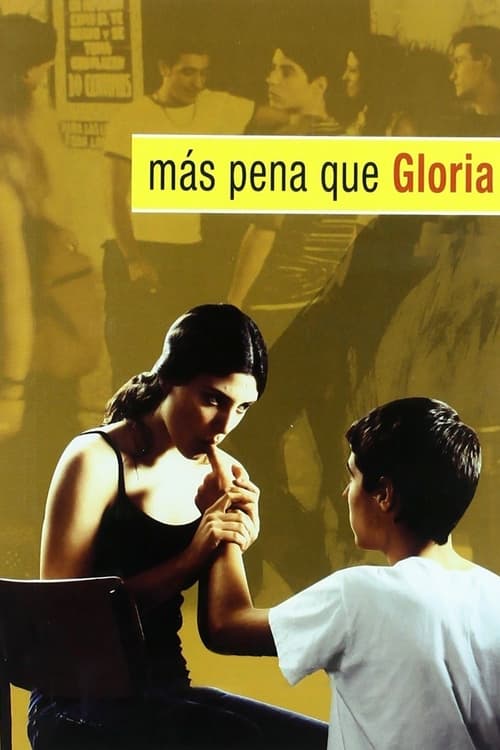
David is a teenager who feels he doesn't belong to a life where his family, friends and the girl he loves seem not to understand him.
No Pain, No Gain
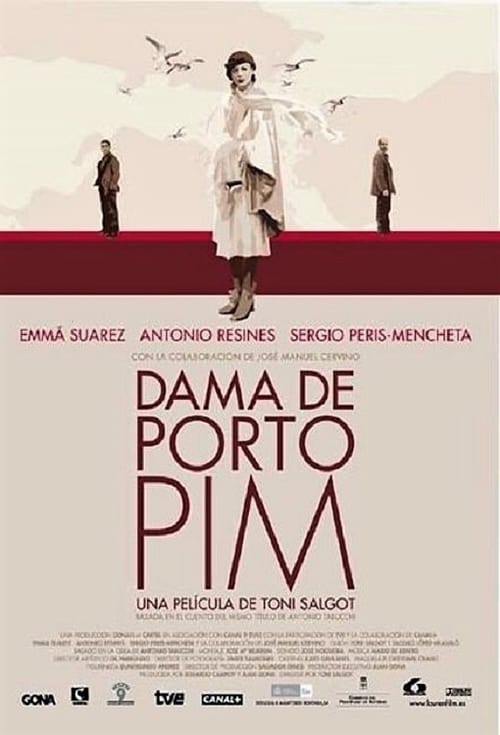
"Dama de Porto Pim" tells the story of a rich woman who arrives at a little Portuguese island while her husband is in the II World War; there, a humble fisherman, promised to marry a girl of the town, falls in love with her, and she will also fall in love with him, but his husband could come back.
Dama de Porto Pim
No description available.
Un nuevo comienzo
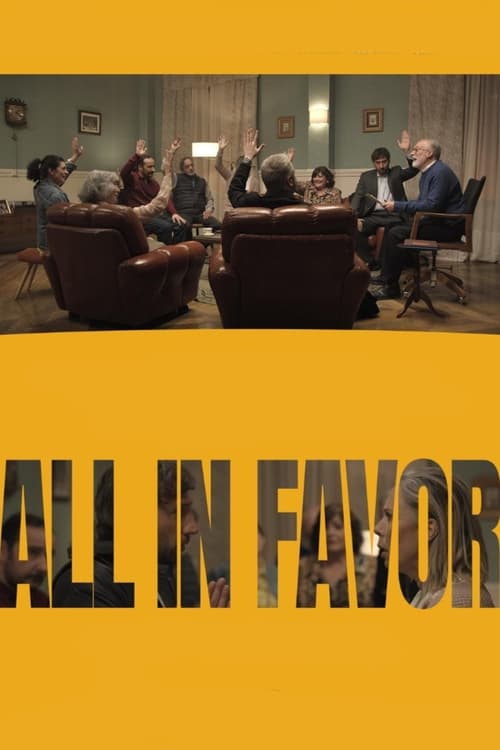
What begins as an ordinary board in a traditional apartment building to vote the renewal of the elevator, turns into an unexpected debate about the limits of pacific coexistence.
All in Favor
No description available.
Quince

A serpent, created by radioactivity, threatens a Spanish coastal town.
The Sea Serpent
No description available.
Torcidos
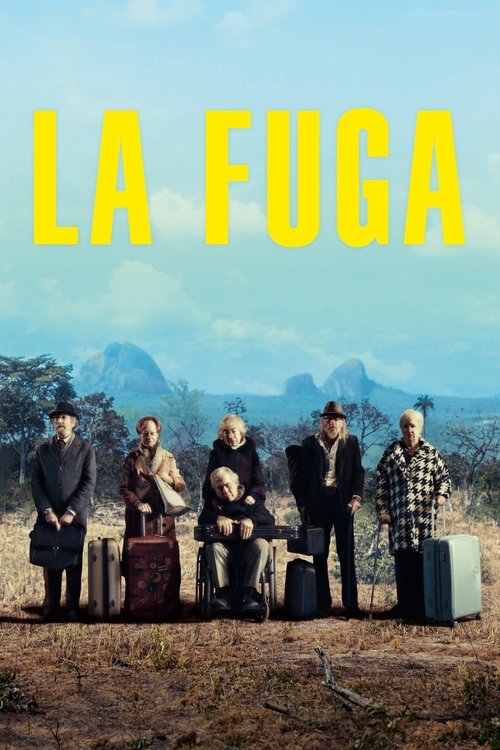
In a retirement home for former professional musicians, a newcomer convinces some of his mates to embark on an exciting adventure that will change their lives.
La fuga
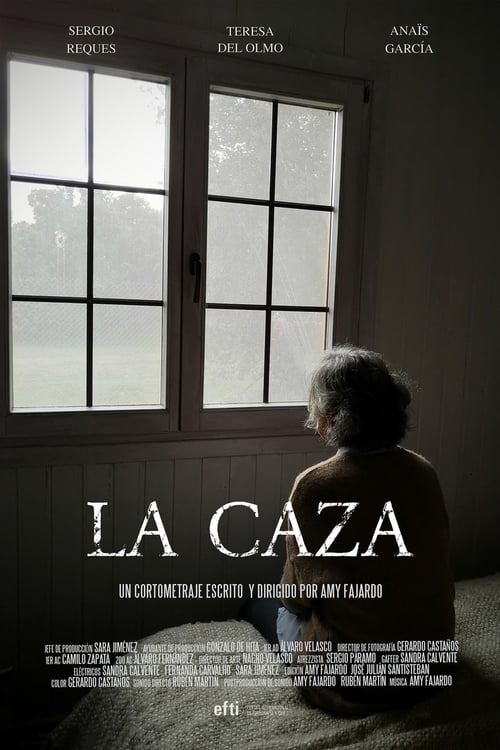
Alba, an elderly woman living with her daughter, is unhappy with the way her daughter’s partner treats her. When she finds herself alone with him, she will have to decide how far she is willing to go in order to save her most loved one from a life of suffering.
The Hunt

Carla receives a disturbing call from her mother, Anne. Her grandmother, Mamie, wants to die. With this news, they decide to travel to be together one last time and say goodbye to Mamie. The reunion, initially affectionate, becomes muddied as old grudges buried under a history of family abandonment come to light.
Mamie

In the 1990s, Rafa and Álvaro are quietly in love, forced to keep their relationship hidden from those around them. As they navigate the pressures of secrecy and societal judgment, a seemingly small mistake—Álvaro leaving behind a pair of socks—leads Rafa’s grandmother to uncover their connection. Her discovery triggers a series of events that unravel long-held family secrets and reveal unexpected truths about the past Rafa and Álvaro thought they understood.
Calcetines
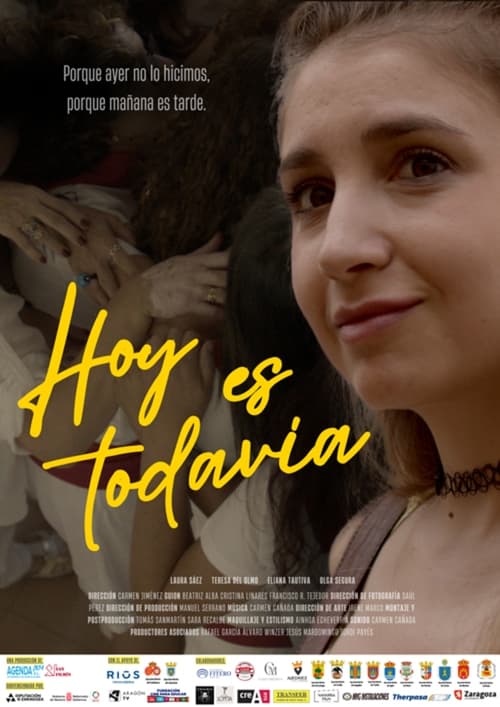
No description available.
Hoy es todavía

No description available.