Julia Yezbick
Directing
Known For
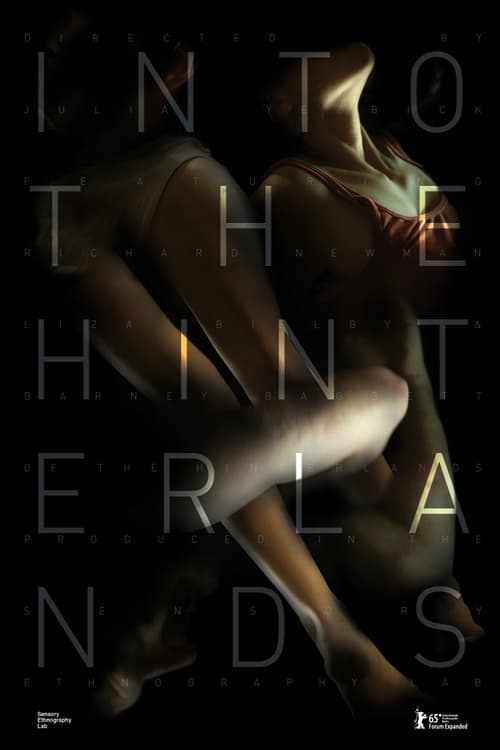
For her medium-length project Into the Hinterlands filmmaker Julia Yezbick collaborated with the Detroit-based performance group The Hinterlands, with her camera engaging in their kinetic actions. Produced during Yezbick’s time with the Harvard’s Sensory Ethnography Lab, her immersive and unadorned footage pushes bodies and the documentary form to abstraction, aided by sound artist Ernst Karel’s dynamic sound mix.
Into the Hinterlands
Created as a looping gallery piece, chronotope 1 comments on time, space, context and contingency and asks the viewer to consider a cow standing amidst the rushing traffic of a Kathmandu street.
chronotope 1

An elegy for a lost balloon. Things out of reach, just beyond our grasp, float away on currents unseen.
Roses, Pink and Blue
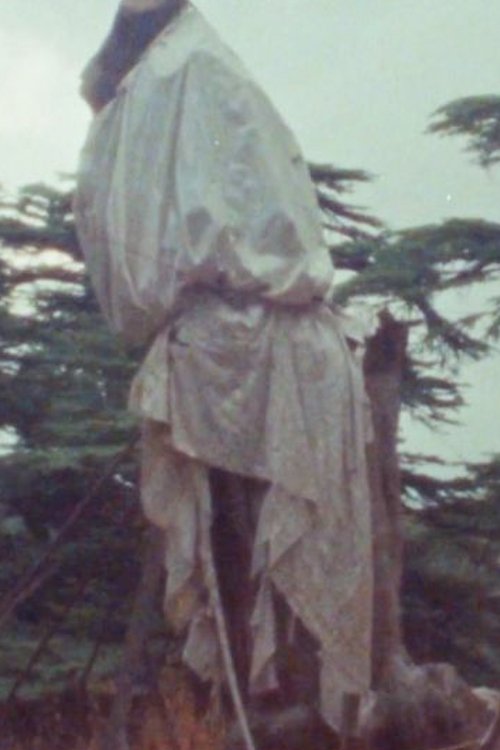
Letters to a maternal ancestor reflect on identity connected to ethnic heritage, while also embracing a broader notion of family beyond bloodlines. Weaving images and sounds from the filmmaker’s personal ties to two cities—Detroit and Beirut—the film poses the central question: How do we belong to each other?
Marratein, Marratein
A postindustrial fable told in iron, rocks, and wood.
How to Rust
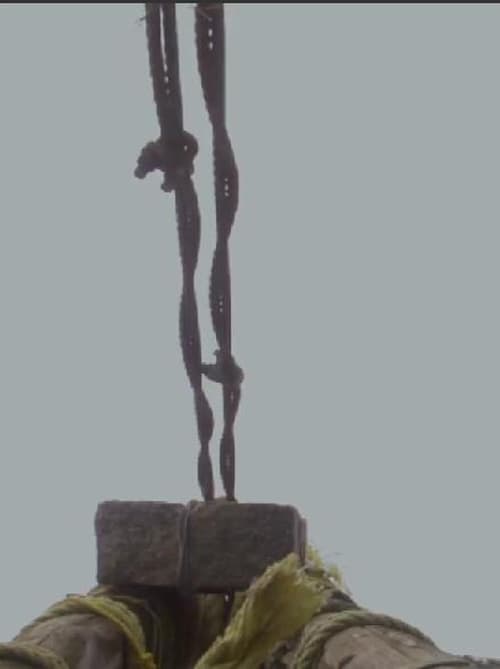
A meditation on labor and faith along the waters edge in Kerala India, this piece renders the rhythm of daily life, the cadence of work and the tempo of devotion in a concatenation of floating. This piece implicitly asks what does a filmic rendering of rhythm, and materiality and tempo do for our understanding of a place. This piece was made for the Sensory Ethnography course at Harvard University 2009.