Mariana de Melo
Directing
Biography
Mariana de Melo was born and lives in Minas Gerais, Brazil. She studied Cinema at the Fluminense Federal University and works in the Brazilian film industry as a producer, director, assistant director, and researcher. She has worked on more than 20 projects, including shorts, feature-length films, and series, many of which have been featured in film festivals around the world, such as the Sundance Film Festival, the Academy Awards, the International Film Festival Rotterdam, among others.
Known For
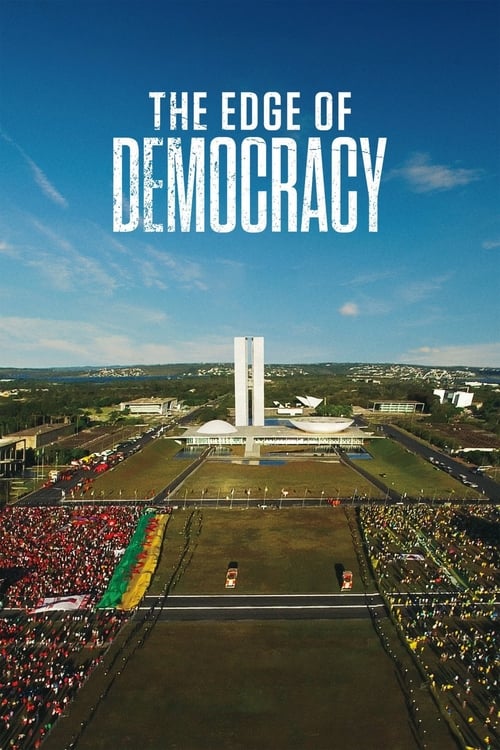
A cautionary tale for these times of democracy in crisis—the personal and political fuse to explore one of the most dramatic periods in Brazilian history. With unprecedented access to Presidents Dilma Rousseff and Lula da Silva, we witness their rise and fall and the tragically polarized nation that remains.
The Edge of Democracy
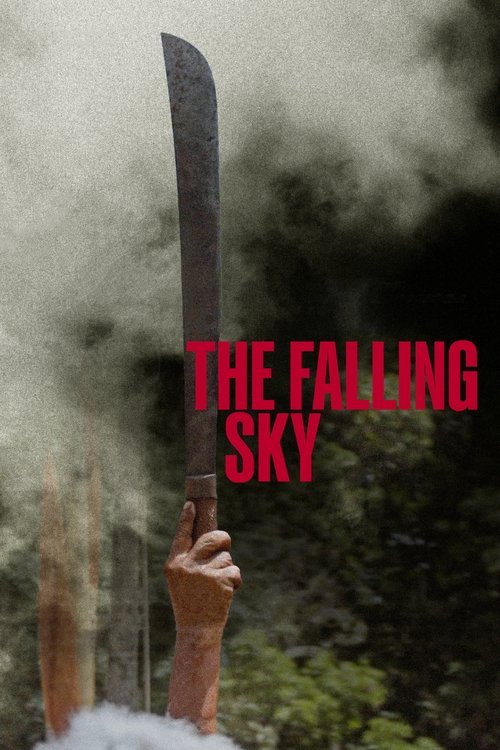
Documentary about Indigenous peoples' profound connection to nature and their struggle against deforestation, a grave threat to their way of life and the ecosystem they call home.
The Falling Sky

Suçuarana is the name of a mythical place, a lush landscape that appears in the weathered photo of her mother that Dora carries with her always. Dora has been on the road for a long time, hitching rides through Brazil’s mining region in search of her family’s homeland. But no one seems to know this place, seemingly lost to time. And the open road can be troubling for a woman traveling alone, as the generosity of strangers is suddenly eclipsed by danger. After an accident, Dora seeks refuge in an abandoned factory; there, a group of workers have formed a village and a community bond that feels akin to the home Dora searches for, if just for a moment.
Suçuarana
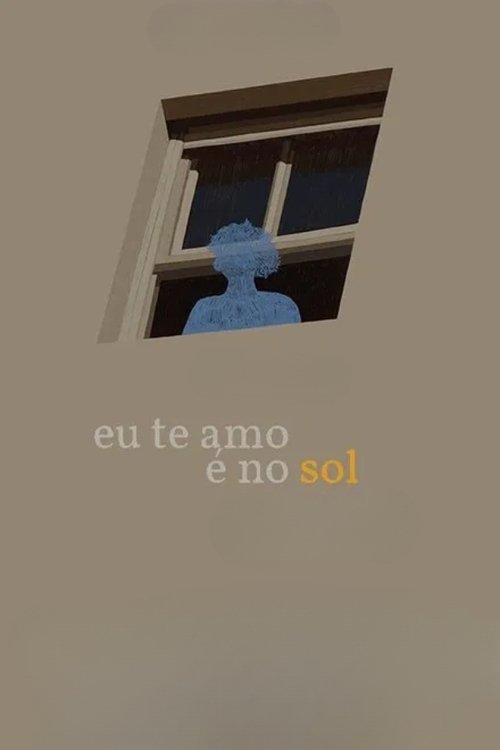
Mati meets up again with Julia, her girlfriend, who now lives in a distant and cold place. There, they are faced with the lack of identity and the impossibility of returning home.
Eu Te Amo é no Sol
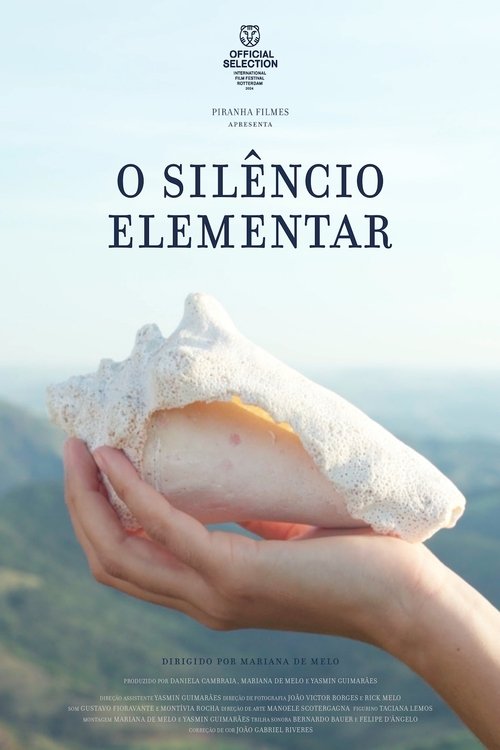
Minas Gerais in Southeastern Brazil, is a place whose identity, history and even topography has been greatly influenced by the mining industry. Taking a very personal approach, the filmmaker explores this legacy within the region she calls home. Weaving in and out of narrative, archival footage and documentation, The Silence of Iron challenges the way we look and think about landscape.