Acting
Tatort is a long-running German/Austrian/Swiss crime television series set in various parts of these countries. The show is broadcast on the channels of ARD in Germany, ORF in Austria and SF1 in Switzerland.
A police department, lead by an older, experienced detective solve crimes together.
Der Kommissar is a German television series about a group of detectives of the Munich homicide squad. All 97 episodes, which were shot in black-and-white and first broadcast between 1969 and 1976, were written by Herbert Reinecker and starred Erik Ode as Kommissar Herbert Keller. Keller's assistants were Walter Grabert, Robert Heines, and Harry Klein who, in 1974, was replaced by his younger brother Erwin Klein.
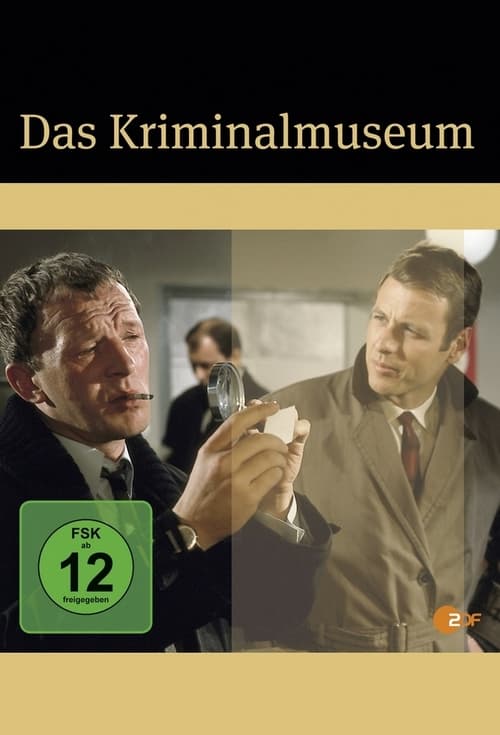
Das Kriminalmuseum was a German television series. It ran from 1963 to 1970 on ZDF and was one of its first programs. Each episode began with a tracking shot through an unspecified crime museum, stopping at one of the displays, whose story was then told. Each episode was between 60 and 75 minutes long and featured different actors as the criminal commissioner. The best known was Erik Ode, who in 1969 moved to Der Kommissar, appearing in 97 episodes. The theme music of the series was written by German composer Martin Böttcher, who also composed the complete scores for five episodes.
No description available.
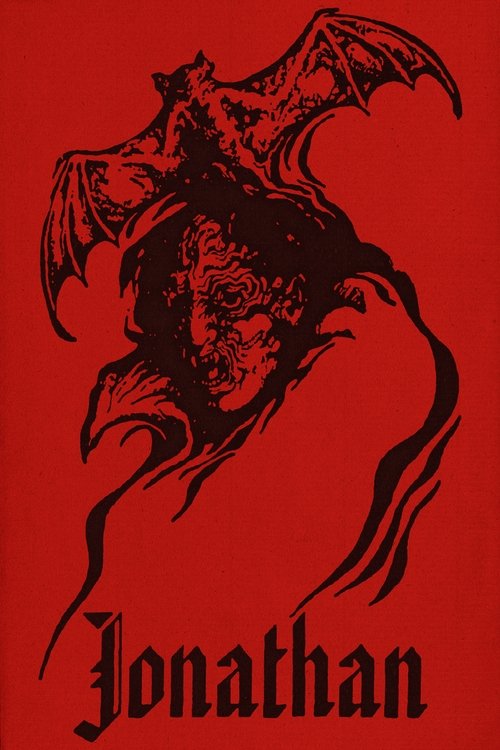
A group of vampires terrorizes a small village on the German North Sea Coast. The young Jonathan joins a group of fellow students and locals, who plan an uprising against the vampires.
Serge Morgan is a killer working for the American Mafia. After performing a contract in New York for his employers, he takes the plane back to Paris and, during the flight, he gets to know Jane, the rich daughter of an ambassador. Once in Orly Airport he gets seriously wounded by the men of French drug kingpin Henri Emery. He manages to escape them though and takes refuge at Jane's. Passion sets in between the killer and the young lady. As of then, sex will be intertwined with blood and death. For better or worse...
In wartime Berlin, a factory foreman, Otto Quangel and his wife, Anna learn that their only son, Paul, has been killed in action in France. In their grief, the couple decide to take action against the Nazi regime. They create their own form of resistance, writing postcards urging people to resist Hitler and the Nazis and quietly distributing the postcards around Berlin. Various people enter the picture, showing the fear and distrust of the times. People, such as the actor Harteisen, find the cards and race to turn them in, lest they be found with them and come under suspicion. The police and the Gestapo are baffled for over a year, but finally find the source of the cards. The Volksgerichtshof sentences the Quangels to death.
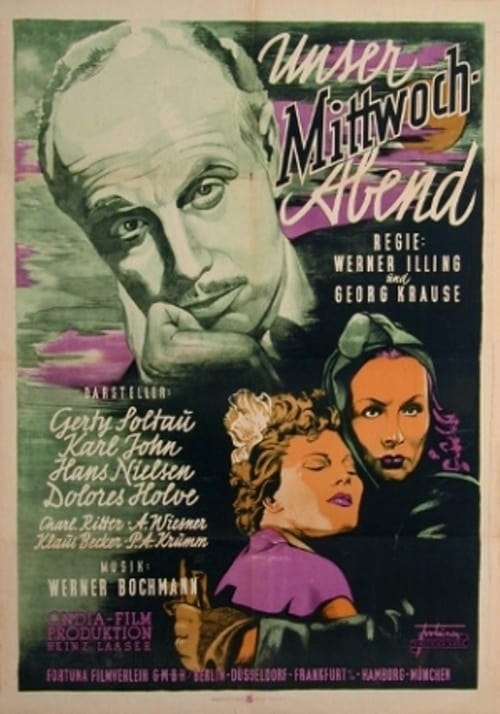
Berlin, early post-war period. Several friends meet every Wednesday evening to escape the gray monotony of the city and their lives. They are a diverse group of characters with very different destinies. There is, for example, young Grita, who is gradually beginning to separate from her husband Georg because he is becoming increasingly addicted to gambling. She finds new love with the engineer Erik. But the young refugee girl Henny has also fallen in love with the handsome engineer.
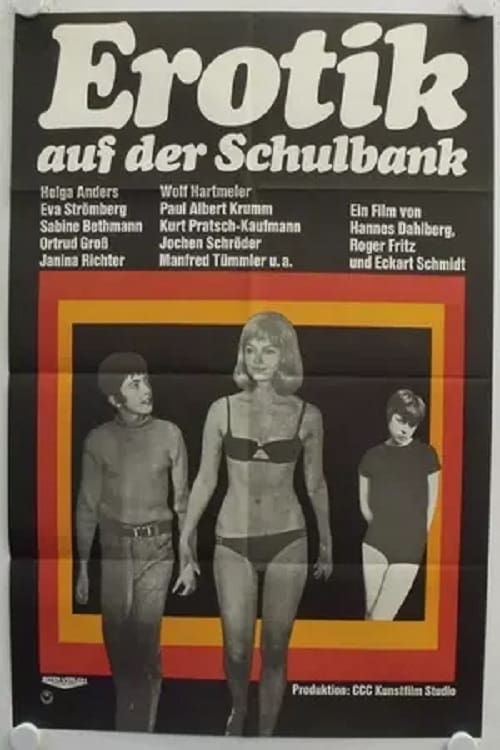
Three episodes depict events that actually took place in the years before the film was made. Three true‐life dramas explore teacher–student taboos: 1. Monika: A young teacher’s love for his pregnant 17‐year‐old student leads to his self‐incrimination amid legal peril. 2. Sybille: A 15‐year‐old fabricates a scandalous affair with her bachelor principal, ending in his suicide. 3. Fantasie: A 13‐year‐old boy’s infatuation with his teacher drives him to violence and a troubled return to reality.