Production
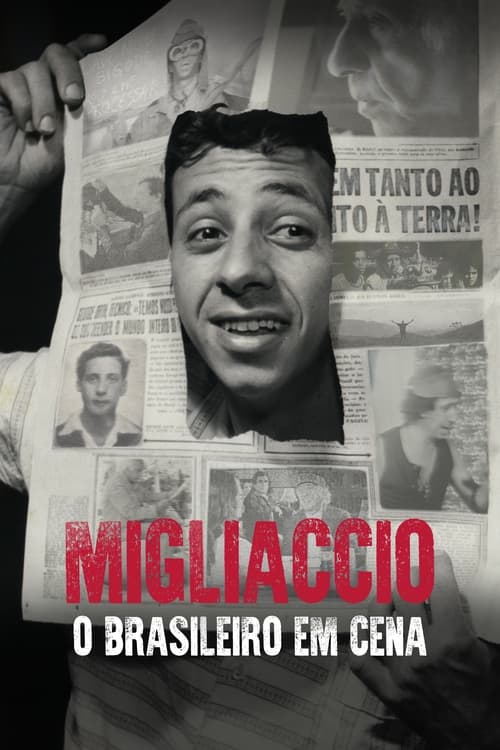
The documentary Migliaccio - O Brasileiro em Cena follows the path of those who take risks for the art, either as directors, as writers, as scenographers and even as costume designers. The Oscarito trophy received by Flávio Migliaccio in 2014 Gramado Film Festival crowns a career enmeshed by many threads. Since Migliaccio has performed in different fields of art - from cinema and theater to literature and drawing -, the documentary creates varied visual interventions to enchain the narrative, in addition to the interviews and archive pictures, such as a shadow play to represent his humble childhood, and to the cartoons the artist drew to portray his existential questions in his ranch in Rio Bonito (State of Rio de Janeiro). Images and stories that aim to show a professional and personal life pervaded by possibilities and attitudes, both artistic and political.
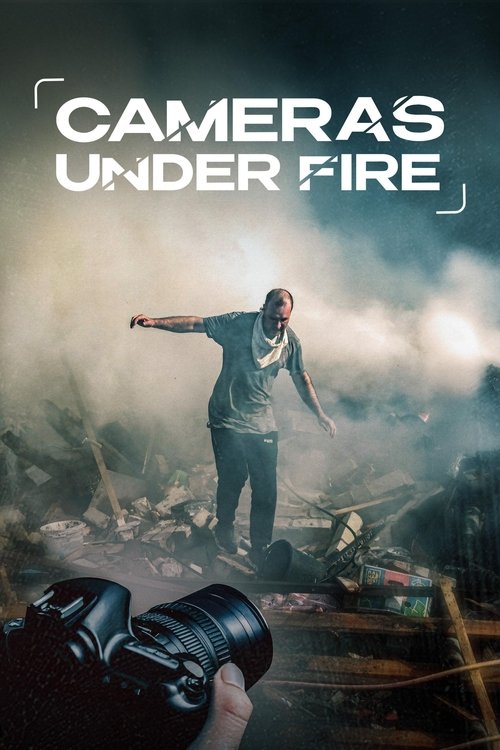
Dive into the dangers faced by photojournalists and correspondents who risk it all to cover war zones and humanitarian crises.
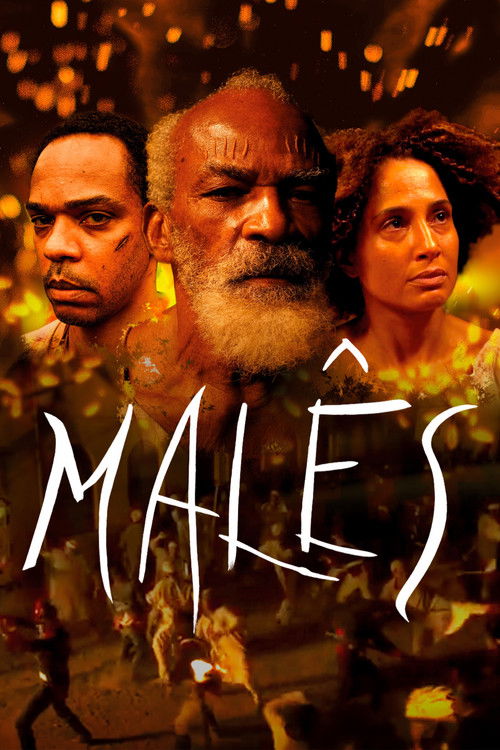
Based on historical facts, the film portrays the largest slave rebellion in Brazilian history, the Malê Revolt. The uprising mobilized the black population in the streets of Salvador against slavery in 1835. After the failure of the revolt, the protesters were harshly punished and repression against black people in Brazil increased.
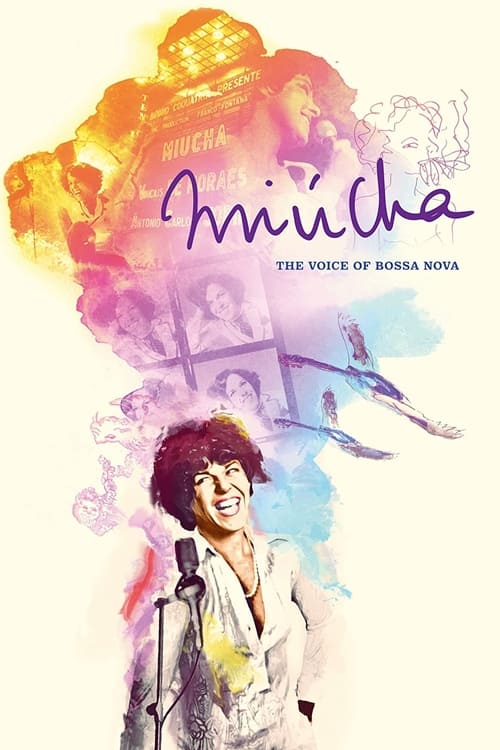
Despite her position at the epicentre of the Brazilian bossa nova scene, singer Heloísa Maria Buarque de Hollanda, known as Miúcha, has been largely underappreciated. This documentary, which dives into her career and personal life through a rich collection of archives, aims to change that.
No description available.
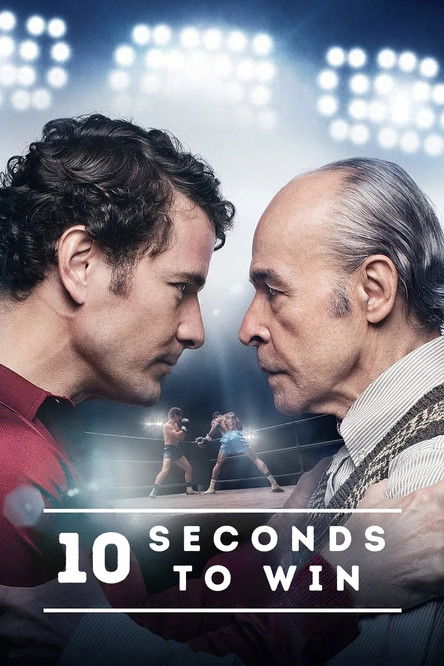
The history of the famous Brazilian bantam and featherweight world champion Eder Jofre, who tries to deal with his personal life and the obligations of a world class athlete, with the mentoring of his trainer and father Kid Jofre.
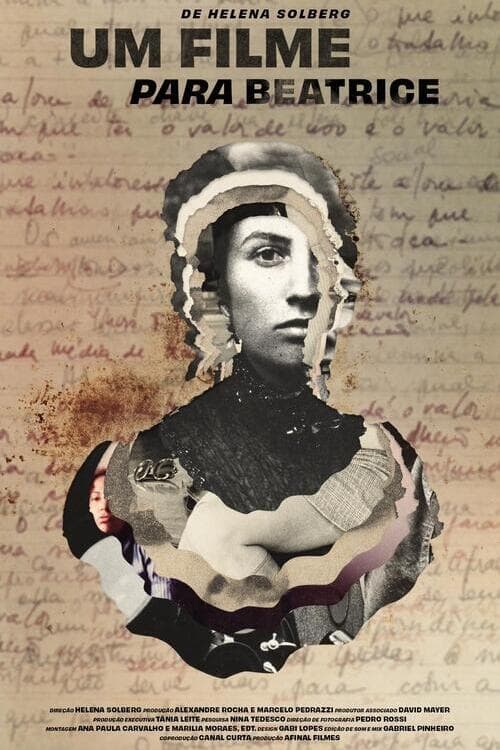
‘How are women doing in Brazil?’. It is this intriguing question, posed by an Italian journalist, that Helena Solberg tries to answer through elements of her films, from the 1960s to the present day. Along the way, encounters with figures such as Heloisa Teixeira, Rita von Hunty and Helena Vieira illuminate some of the cracks in this broad debate.
Facts of life in 1968, some remembered, some forgotten. Based on the diary Lost, by Silvia Escorel, and commented by the author in voice-over through the original letter written 54 years later, addressed to her brother a year and a half younger.