Yves Coppens
Writing
Biography
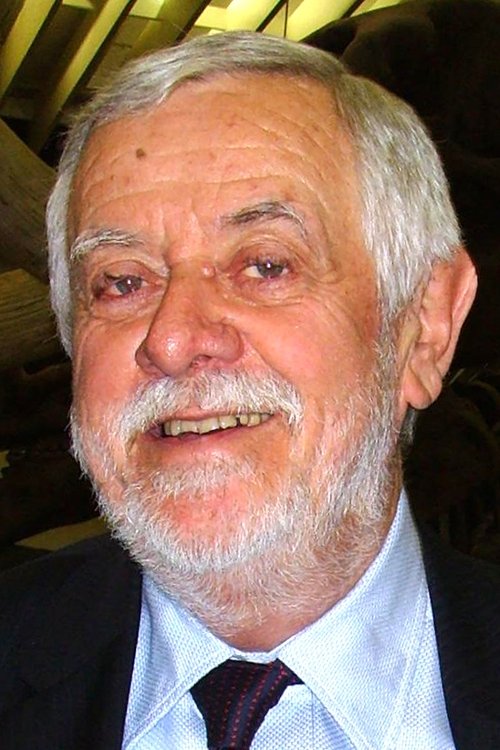
Yves Coppens (9 August 1934 – 22 June 2022) was a French anthropologist. A graduate from the University of Rennes and Sorbonne, he studied ancient hominids and had multiple published works on this topic, and also produced a film. In October 2014, Coppens was named an Ordinary Member of the Pontifical Academy of Sciences by Pope Francis. He was Professor at the College de France, which is considered to be France's most prestigious research establishment. Richard Dawkins makes the following observation in The Ancestor's Tale: "Incidentally, I don't know what to make of the fact that in his native France, Yves Coppens is widely cited as the discoverer of Lucy, even as the 'father' of Lucy. In the English-speaking world, this important discovery is universally attributed to Donald Johanson". This confusion is because Coppens was the former director of the Hadar expedition. Donald Johanson, who led the 1974 expedition, was the one who found Lucy. The "Rift Valley theory", proposed and supported by the Dutch primatologist Adriaan Kortlandt, became better known when it was later espoused and renamed by Coppens as the "East Side Story". However, this paradigm has been challenged by the discovery of Australopithecus bahrelghazali (Abel) and by the discovery of Sahelanthropus tchadensis by Michel Brunet's team in Toumaï in Chad (2,500 km to west Rift Valley). The main-belt asteroid 172850 Coppens was named in his honour. The official naming citation was published by the Minor Planet Center on 21 March 2008 (M.P.C. 62357). Coppens advised on the French film Une Femme ou Deux (English: One Woman or Two; 1985). Yves Coppens was a member of the French Academy of Sciences, the French Academy of Medicine, the Pontifical Academy of Sciences of Vatican, the French Outremer Academy of Sciences, the Academia Europaea, the Royal Academy of Sciences Hassan II of Morocco, the African Academy of Sciences, Arts, Cultures and Diasporas of Côte d'Ivoire, Honorary Member of the São Paulo Academy of Medicine, Associate Member of the Royal Academy of Sciences, Letters and Fine Arts of Belgium, correspondent of the Royal Belgian Academy of Medicine, honorary member of the Royal Anthropological Institute of Great Britain and Ireland, foreign associate of the Royal Society of South Africa. Coppens died in Paris on 22 June 2022 at the age of 87. Source: Article "Yves Coppens" from Wikipedia in English, licensed under CC-BY-SA 3.0.
Known For

No description available.
Vivement dimanche

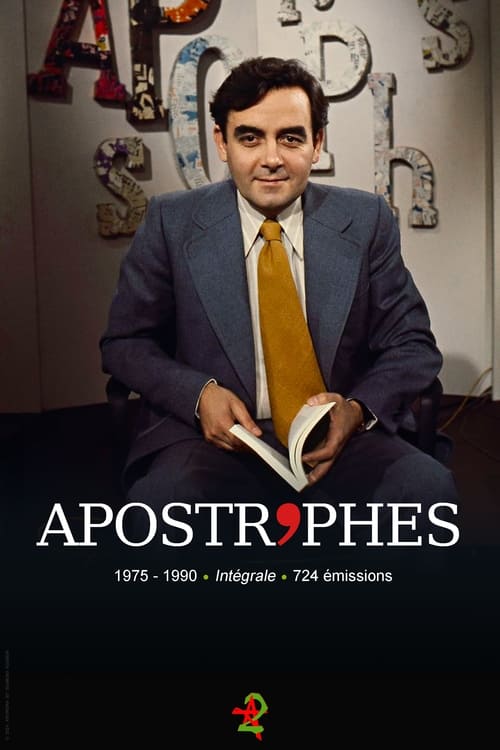
Apostrophes was a live, weekly, literary, prime-time, talk show on French television created and hosted by Bernard Pivot. It ran for fifteen years (724 episodes) from January 10, 1975, to June 22, 1990, and was one of the most watched shows on French television (around 6 million regular viewers). It was broadcast on Friday nights on the channel France 2 (which was called "Antenne 2" from 1975 to 1992). The hourlong show was devoted to books, authors and literature. The format varied between one-on-one interviews with a single author and open discussions between four or five authors.
Apostrophes

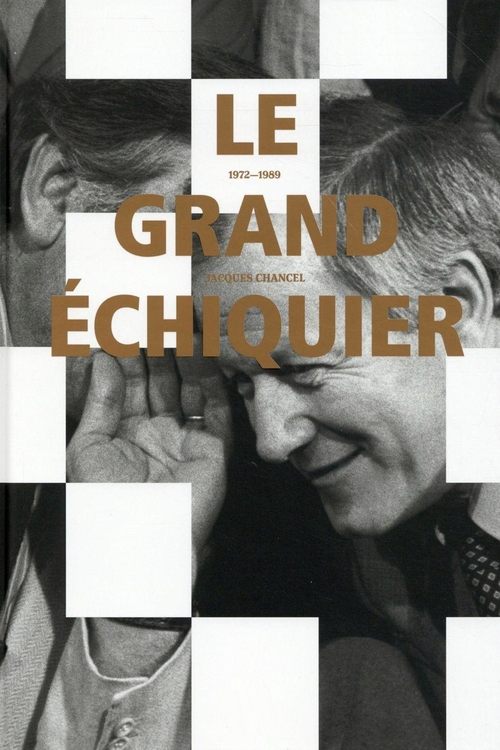
Le Grand Échiquier is a French variety television program created and presented by Jacques Chancel. It aired at 8:30 pm on the first channel of the ORTF from January 12, 1972 to July 12, 1972, then on the second color channel of the ORTF from September 1972 to December 1974, and finally on Antenne 2 from January 1975 to December 21, 1989. The program returned to France 2 on December 20, 2018 and is hosted by Anne-Sophie Lapix.
Le Grand Échiquier

No description available.
Un monde, un regard

No description available.
Una belleza nueva

No description available.
El Amanecer del Hombre

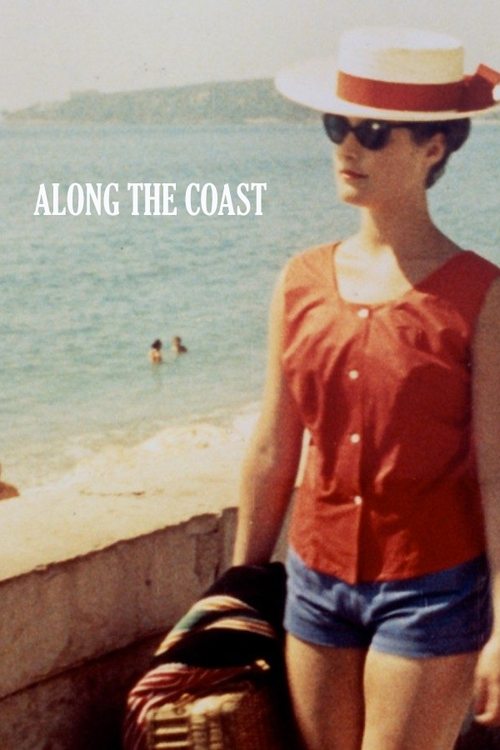
Tongue-in-cheek look at the French Riviera, especially in summer when it overflows with tourists. Reviews its history and famous visitors; displays its faux-exotic buildings, its crowded beaches, its trees and monuments; and, pokes fun at the colors women wear and the vagaries of fashion. The film celebrates the use of "Eden" as a place name, suggesting that paradise comes to the coast after all are gone, perhaps only on a remote island beach.
Along the Coast

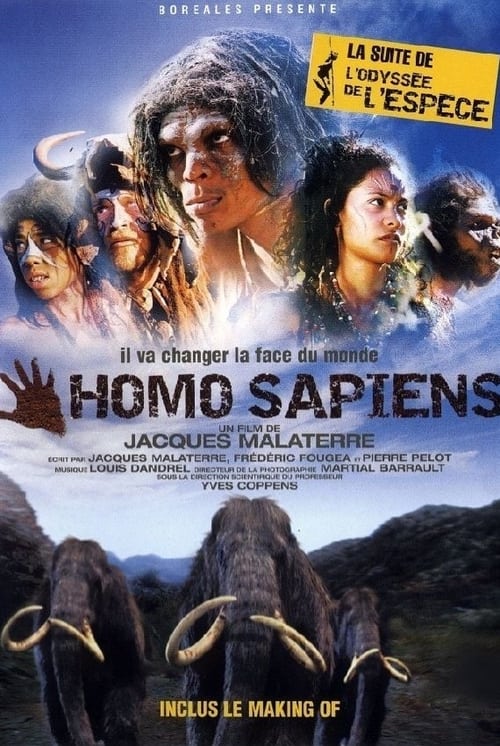
Two hundred and fifty thousand years ago, the first direct representative of our species appeared on earth: Homo Sapiens... From 400,000 to 20,000 BC, we follow the destiny of Homo Erectus, Neanderthal and Sapiens. We will thus discover the appearance of language, art, cults, agriculture, and breeding.
Homo sapiens

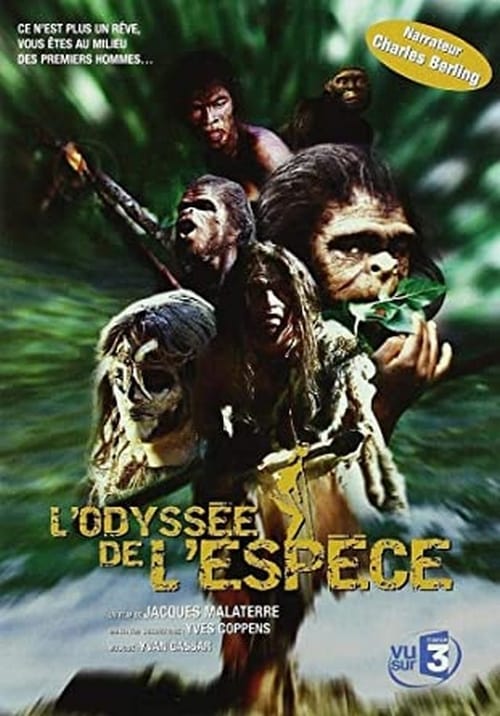
"A Species Odyssey" portrays the origins of Mankind from the moment the first primate stood up on their hind legs and set off to conquer the African Savanna, to modern Man, setting off to conquer space. 7 million years of triumph fraught with difficulties and extraordinary events that make Man what he is today.
A Species Odyssey
No description available.
Aux origines de l'humanité

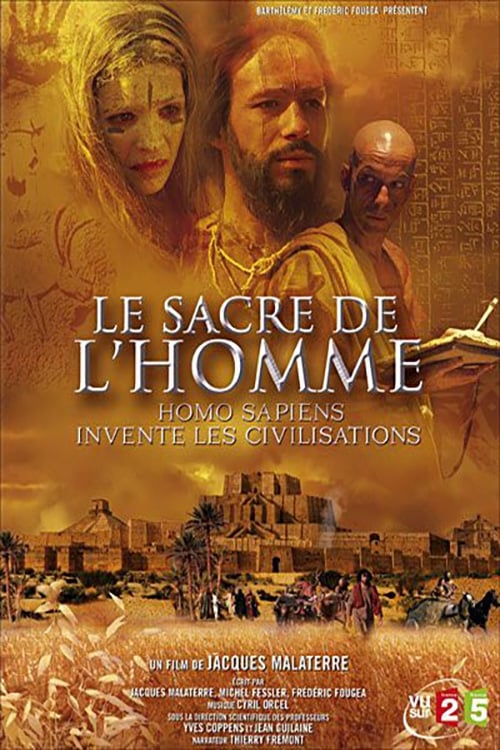
With the help of state of the art special effects, this National Geographic documentary attempts to recreate what civilization looked like during the first 8,000 years that human beings lived on Earth.
Birth of Civilization

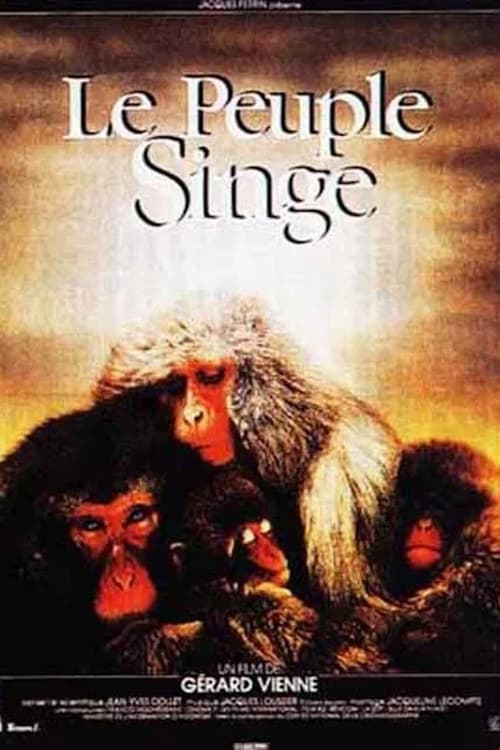
This comprehensive documentary explores the lives and behavior in the wild of over a hundred different simians species. Footage from such diverse places as Ethiopia, Japan, Sri Lanka and Brazil brings macaques, baboons, monkeys, orangutans and many other relatives of humankind to the screen. Because of its length and extensive coverage of its subject, it is of particular interest to those who are already keenly interested in its subject matter.
The Monkey Folk

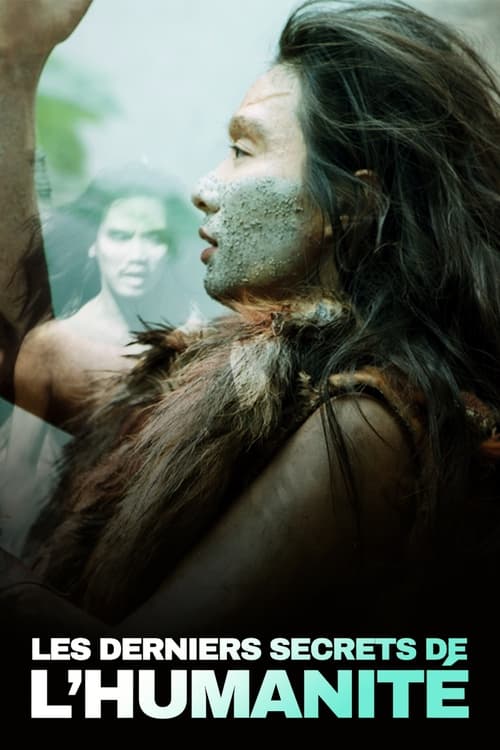
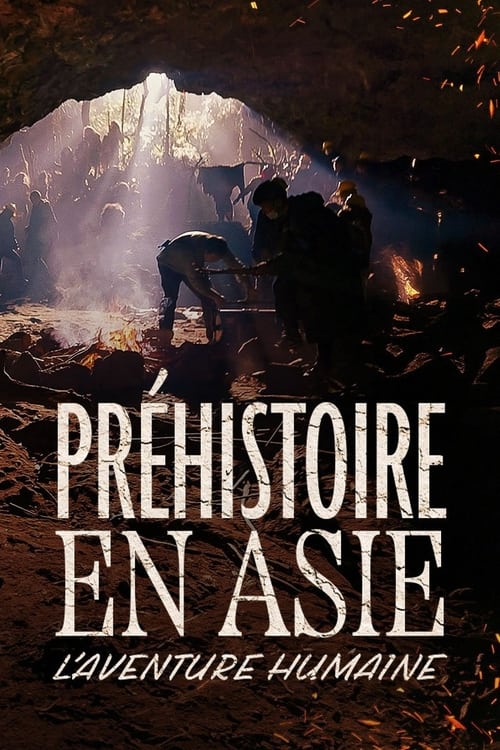
In the docudrama "Les Derniers Secrets de l'humanité" (The Last Secrets of Humanity), author and director Jacques Malaterre and paleoanthropologist and professor at the Collège de France Yves Coppens reveal the incredible adventure of Asian prehistory. How does science help to reconstruct these bygone times in images? Thanks to discoveries made at excavation sites and in analysis and genetics laboratories, researchers are now revealing this distant, vanished past.
Préhistoire en Asie : L'Aventure humaine

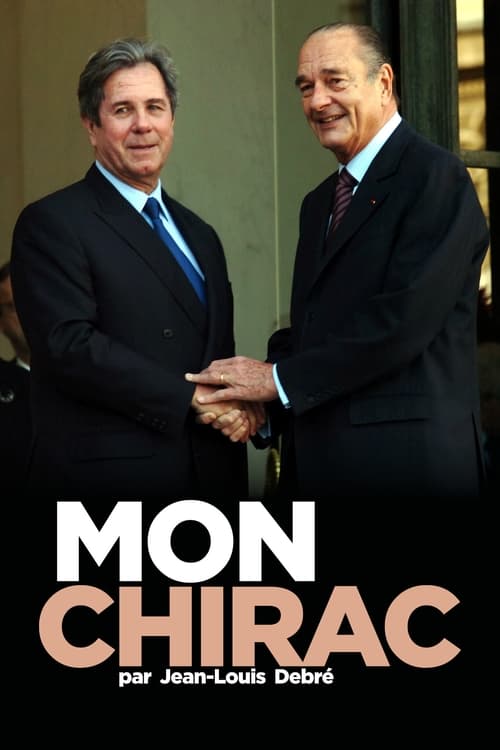
At the close of Jacques Chirac's life, politician Jean-Louis Debré has wished to make a film to celebrate his friend, to tell the story of their friendship and professional understanding, and to make an intimate portrait of the former President of France through the accounts of a few very close friends. Thanks to Jean-Louis Debré's presence, Claude Chirac and some of Jacques Chirac's closest friends, famous or unknown, agreed to talk to the camera, sometimes for the first time, to evoke their untold-before memories and tell about the moments that bonded the two men for a lifetime.
Mon Chirac

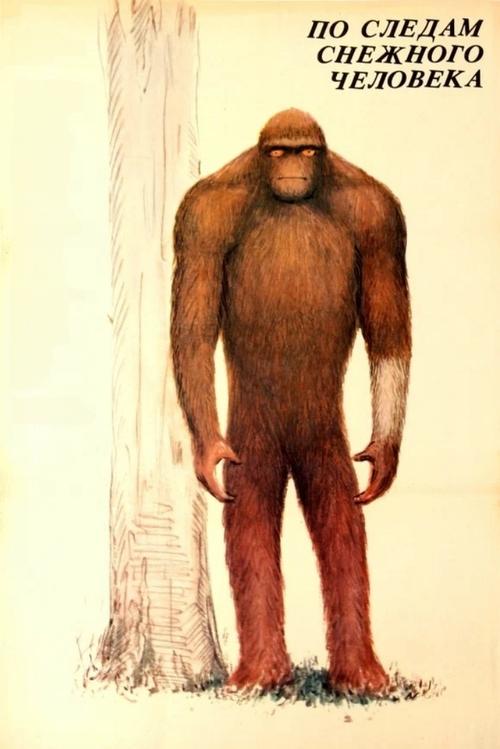
The film is dedicated to the problems of the origin of man and the existence of bigfoot. The film includes interviews with anthropologists from different countries, eyewitness accounts, photo and film materials.
In the Footsteps of Bigfoot

This series incorporates the latest animated 3D films to explore recent discoveries about human history, especially in Asia.