Acting
No description available.
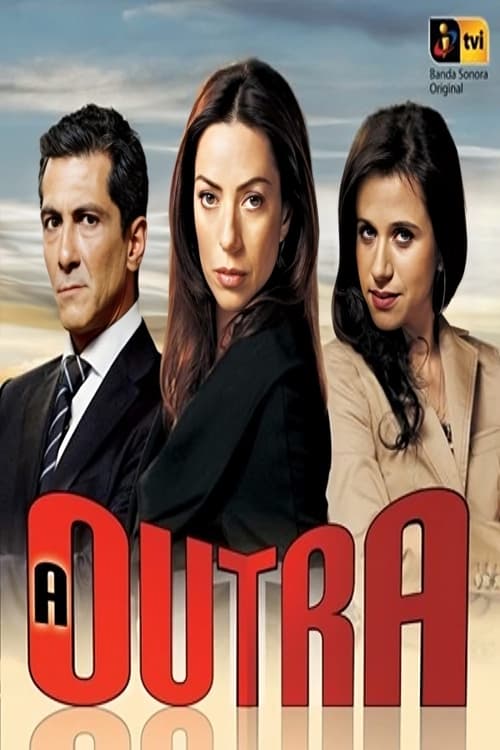
Leonor and Pedro, are young, in love and from different social classes. She is the daughter of a wealthy man. He is from a modest working class family. They experience an intense but dramatically short love affair. When Pedro discovers Leonor’s father’s secret – that he sexually abused a maid – he is the victim of a hit and run accident, leaving him in a deep coma for 5 years. He later awakens to find out that his girlfriend, who was told he had died in the accident, moved on with her life and married someone else, after several years of grieving.
Freedom is a state of mind... Carlos, José and Matias are three old friends who have known each other since childhood. José lives with his daughter, his son in law and his nine-year-old grandson Pedro. Being a grandfather is his only true source of happiness. Carlos is retired and spends most of his days tinkering. Matias, on the other hand, is a widower and lives alone and abandoned, as his son is living abroad. Each of them has a strong and contentious character of their own, but they are all joined by a deep friendship. When José is sent to a retirement home, Carlos and Matias set a plan to bust him out. They sneak into the retirement home and take him away from that depressing environment in which he was discarded. They know that they can’t come back home, so they decide to spend a while in Matias’ house up north. But, in the middle of their escape, they find José’s grandson snuck in there. Pedro doesn't want to leave his grandpa and insists on accompanying them in their journey.
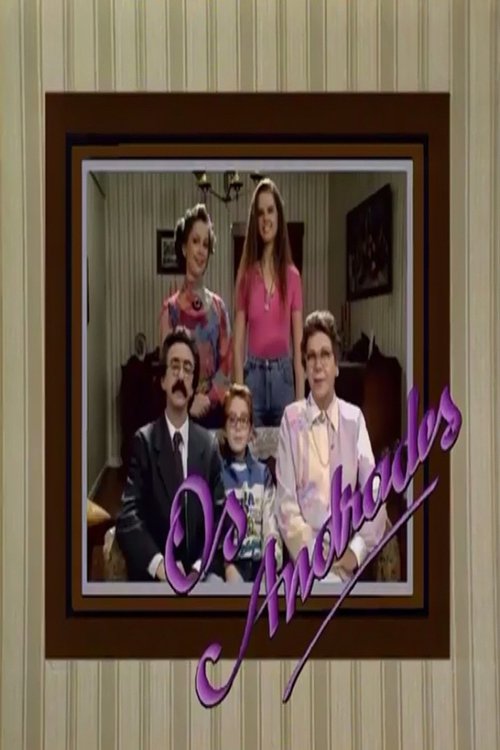
After the passing of his wife, Camilo, an elderly man, goes to his son and daughter-in-law's house and starts living with them, to their great misfortune.
Showing reality like it is... What happens when a promising and smart young woman is suddenly called upon to lead he most sophisticated police force in the country. To Ana Belmonte, this is the promotion of her lifetime, to the Criminal Police, this is a shake-up in their deep-seated hierarchy. This young inspector will be confronted with crimes that are tough to crack, where everyone is a suspect and leads can lead to the most unexpected places. But she’ll also have to face the jealousy and anger within her own department, where there are as many allies as there are enemies, and she’s a woman in a men’s world. Having been promoted by her former stepfather and national director Alberto Machado, Ana is going to permanently change the lives of those around her, whether they like it or not.
Joe Valente, a luso-american, returns home with the dream of turning molice picking into a real industry. But this will cause misery for those who use the traditional methods.
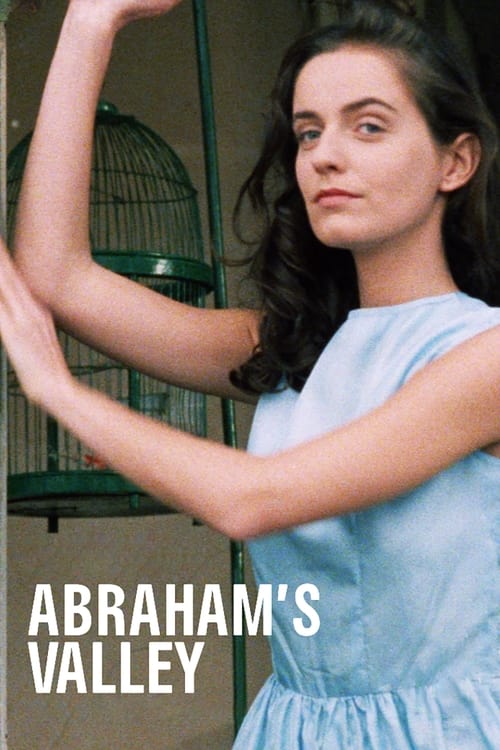
Ema is a very attractive but innocent girl, so pretty that cars crash in her presence. In her youth she marries Dr. Carlos Paiva, her father's friend, to whom she is not attracted. They move to the valley of Abraham. Carlos loves her, but decides to sleep in a separate room to avoid waking Ema when he has to return late at night. As time goes by she begins to feel unhappy about her marriage, so she finds a new lover.
Once there was a boy who was afraid of the dark. One day, while playing on an abandoned factory's roof, he let a valuable belonging fall through a gap between the tiles. Going into the factory means facing his phobia and, inside, a beast's gaze awaits.
The Life of Mirrors is one of the sections of the exhibition Luis Miguel Cintra - Small Theatre of the World. A commission by Serralves Foundation to Regina Guimarães and Saguenail, and constructed after an unpublished interview with Luis Miguel Cintra, this film is the result of a long and painstaking exercise of selecting and editing excerpts from films by Manoel de Oliveira in which Cintra participates as an actor. In this way, The Life of Mirrors is a reflective, retrospective essay film, which opens the Carte Blanche, thus establishing a gateway to Luis Miguel Cintra's cinematographic and cinephile career.
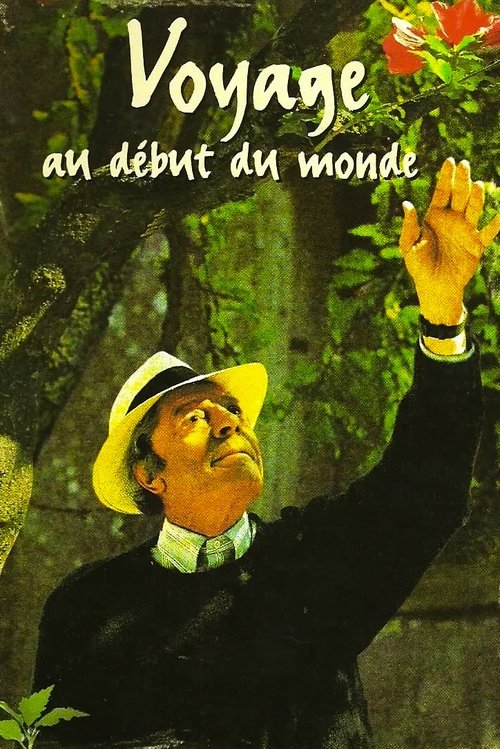
Manoel is an aging film director who travels with the film crew through Portugal in search of the origins of Afonso, a famous French actor whose father emigrated from Portugal to France and in process remembers his own youth.
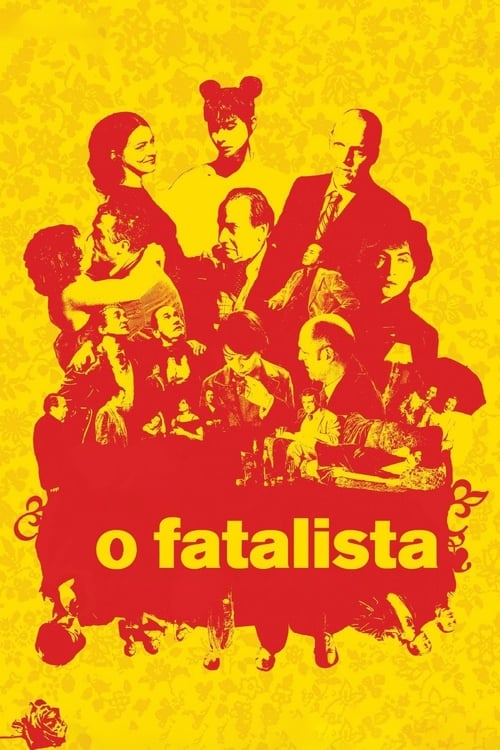
The complex relationship between master and servant is explored in director João Botelho's adaptation of Denis Diderot's popular novel Jacques le Fataliste et Son Maître. As Tiago (Rogério Samora) drives his master (André Gomes) through the Portuguese countryside to an unspecified destination, the traveling pair embark on a series of highly philosophical discussions. Flowing with tales of his life in the military and previous sexual escapades, Tiago trades a series of tales with his rapt passenger, including the story of a vengeful spurned lover who plots revenge on the nobleman who rejected her by transforming a prostitute into a society lady and convincing him to marry the tainted bride.