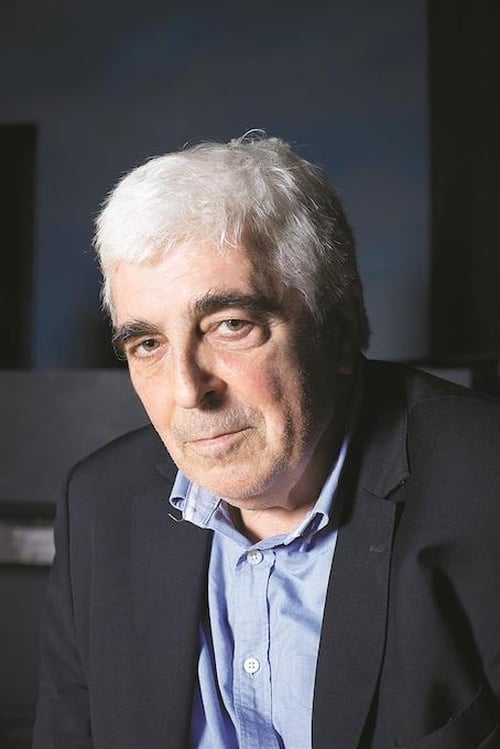
Luís Miguel Cintra
Acting
Biography
An iconic actor and stage director in Portugal, Luís Miguel Cintra was born in Madrid, in 1949. His connection to theater began in 1968, at the Faculty of Letters Theater Group, when he was studying Romance Philology at the University of Lisbon. From 1970 to 1972, he attended the Acting Technical Course, in the Bristol Old Vic Theatre School, thanks to a scholarship from the Calouste Gulbenkian Foundation. When he returned to Portugal, he founded, along with Jorge Silva Melo, the Teatro da Cornucópia Company, in 1973, where he directed plays by some of the great names in theater, including Aeschylus, Sophocles, Shakespeare, Brecht, Beckett, Strindberg, and many others, almost always participating as an actor in the plays he directed. At the same time, until the 80s, he was a theater critic for O Tempo e o Modo magazine and he managed the Seara Nova Theater Collection, from Estampa publishing house, and the Theater Collection, from Ulmeiro publishing house. As a reader, Luís Miguel Cintra recorded complete readings of Viagens na Minha Terra, by Almeida Garrett and Amor de Perdição, by Camilo Castelo Branco, as well as poems by Pessoa, Sophia de Mello Breyner, Camões, Antero de Quental and Ruy Belo. In 1987, Cintra made his debut as an opera stage director, with L'Enfant et les Sortilèges, by Ravel and Dido and Aeneas, by Purcell, at the Teatro Nacional de S. Carlos. In the following years, he directed operas by Mozart, Haydn, Cherubini, among others. He worked with the Teatro Nacional de S. Carlos Choir and the Gulbenkian Choir, as a reader, in recitals by authors such as Schubert, Liszt, Sati and Poulenc. In 1984, he entered the Venice Biennial Theater Festival with his group and in 1988 he directed the show La Mort du Prince et Autres Fragments, by Fernando Pessoa, for the Avignon Festival. Later, he kept on presenting plays in Italy, France, Spain and. Belgium In addition to the theater, Luís Miguel Cintra began his career in cinema early, making his debut in a short film by João César Monteiro. From that point until now, he worked in over 70 films, with directors like the aforementioned João César Monteiro, Paulo Rocha, Manoel de Oliveira, Joaquim Pinto, João Botelho, Teresa Villaverde, Pedro Costa and the American John Malkovich. His many awards include two Bordalo da Casa da Imprensa Awards for Best Acting in Film (1995) and Best Acting in Theater (1997), two Globos de Ouro for Theater Personality of the Year (1999) and Best Theater Actor (2003), the Coimbra University Award and the Pessoa Prize, both in 2005. The LEFFEST will pay tribute to Luís Miguel Cintra’s work as an actor, through a selection of films he starred in; and as a stage director, showing recordings of some of the plays, followed by discussions with the audience and several actors he worked with.
Known For

The journey of Michael Padovic, an American professor who arrives with his wife, Helene, at a Portuguese convent where he expects to find the documents needed to prove his theory: Shakespeare was born in Spain; not in England.
The Convent

Lisbon, 1989. A middle-aged poor man, tormented by an illness, lives in a cheap room in a family boarding house, in the old section of the city's waterfront.
Recollections of the Yellow House

A philosophy-obsessed serial rapist stalks a university campus in broad daylight.
Rending

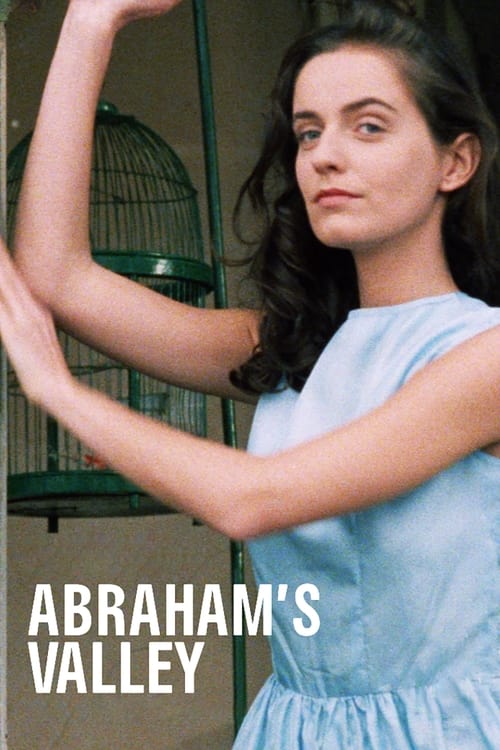
Ema is a very attractive but innocent girl, so pretty that cars crash in her presence. In her youth she marries Dr. Carlos Paiva, her father's friend, to whom she is not attracted. They move to the valley of Abraham. Carlos loves her, but decides to sleep in a separate room to avoid waking Ema when he has to return late at night. As time goes by she begins to feel unhappy about her marriage, so she finds a new lover.
Abraham's Valley

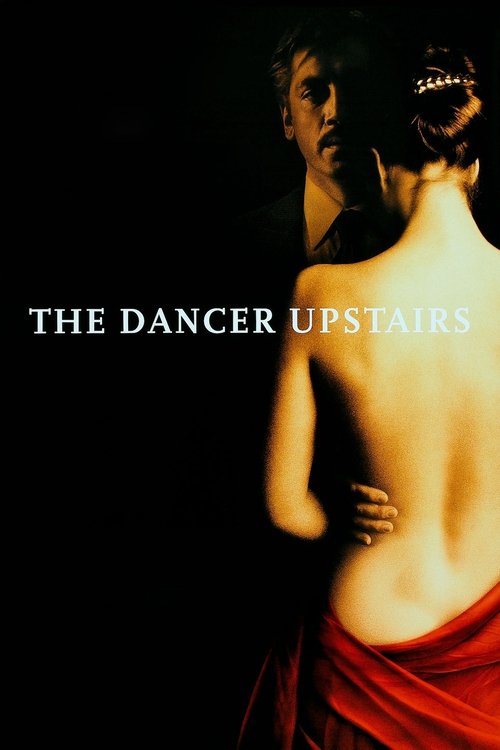
A police detective in a South American country is dedicated to hunting down a revolutionary guerilla leader.
The Dancer Upstairs

A blind beggar is robbed of his chest of money. The theft leads to a dramatic situation in the street where he begs every day.
Blind Man's Bluff

A photographer, Isaac is asked by hotel owners to take portraits of their recently deceased daughter Angélica. When he looks at her through the lens of his camera, she appears to come back to life just for him. He instantly falls in love with her. From that moment, he will be haunted by Angélica day and night.
The Strange Case of Angelica

An anthology film drama featuring a poetic mirror structure based on existential identity. In "The Immortals," adapted from a Helder Prista Monteiro play, two famous doctors, an 80-year-old father, and his 60-year-old son, contemplate senility and death. "Suzy," from an Antonio Patricio story, is set in the '30s when a young courtesan dies on the operating table. "Mother of the River" is from an Agustina Bessa-Luis fable about eternal life.
Inquietude

The story of Father Antonio Vieira, a 17th-century Portuguese priest who lived in Brazil and worked for better treatment of the Indians and to abolish slavery.
Word and Utopia

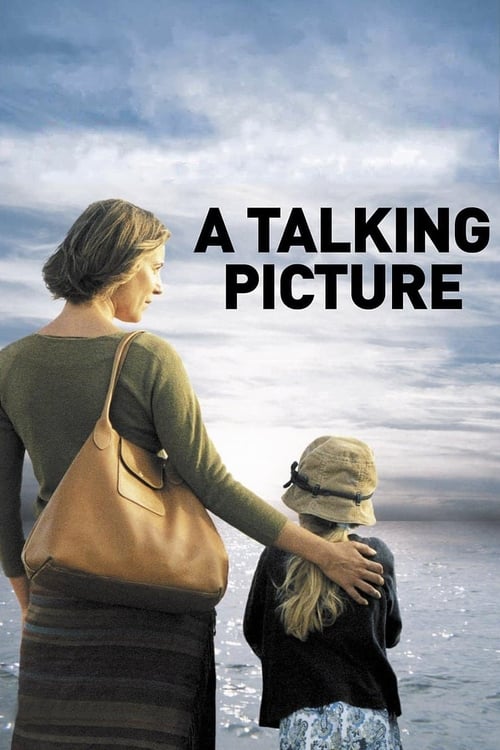
A meditation on civilization. July, 2001: friends wave as a cruise ship departs Lisbon for Mediterranean ports and the Indian Ocean. On board and on day trips in Marseilles, Pompeii, Athens, Istanbul, and Cairo, a professor tells her young daughter about myth, history, religion, and wars. Men approach her; she's cool, on her way to her husband in Bombay. After Cairo, for two evenings divided by a stop in Aden, the captain charms three successful, famous (and childless) women, who talk with wit and intellect, each understanding the others' native tongue, a European union. The captain asks mother and child to join them. He gives the girl a gift. Helena sings. Life can be sweet.
A Talking Picture

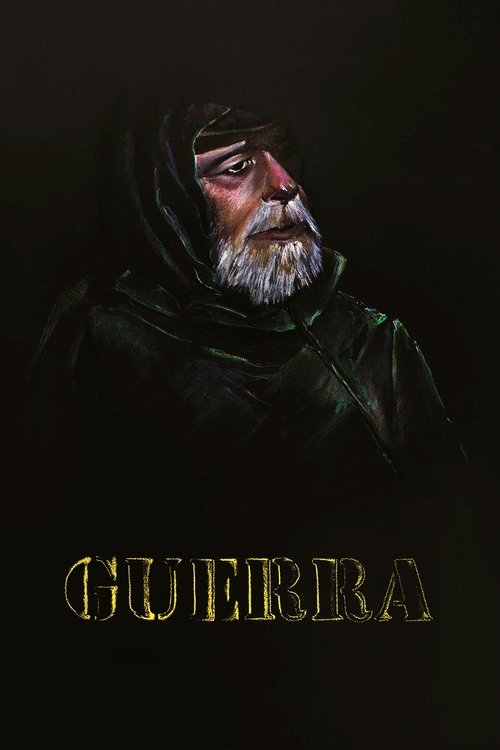
Episodes from throughout the entire military history of Portugal are told through flashbacks as a conscripted student of history recounts them to his fellow soldiers while they march through an African colony in revolt during 1973.
No, or the Vain Glory of Command

On a train to Algarve, a young man recounts to a fellow passenger his past relationship with an eccentric young woman.
Eccentricities of a Blonde-Haired Girl

Manoel de Oliveira directs José Régio's historical epic of religious and political power struggles. King Sebastião plans to make Portugal the world's Fifth Empire.
The Fifth Empire

The short life of the Uruguayan poet Delmira Agustini is colourfully portrayed, not as a conventional biopic, but as a visual poem which evokes the turbulent life and complex personality of the literary heroine as she develops her genius for writing.
Demain?

Luciano, fresh out of jail, was taken by his brother, Flórido, to serve in the home of wealthy Alfreda. He was surprised when she told him that her greatest desire was to see the Virgin Mary. Now comes this rich land owner with her sublime pretensions. Isn't it enough for her to have an Aston Martin and a Jaguar in the garage and ten different dresses per season? It was all professor Heschel's fault. Or someone else's. Anyway, to go beyond the promise is heresy. Alfreda said that she wouldn't rest until she saw the Virgin and made her some questions. Filipe Quinta, the Forger, says he has a solution. Meanwhile, Bahia, her husband, listens do music.
Magic Mirror

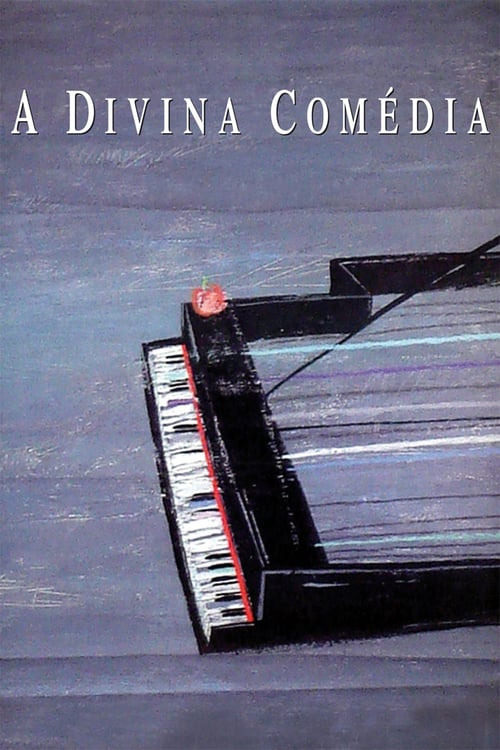
In a mental institution the patients see themselves as people like Jesus, Lazarus, Martha, Mary, Adam, Eve, Sonia, Raskolnikov, Aliosha e Ivan Karamasov, a Philosopher, a Profet, Santa Teresa d'Avila, reciting the Divine Comedy.
The Divine Comedy

Laura lives in the country with her considerably older husband. When Nuno, her brother who study in Lisbon, pays a visit, he realizes that his sister does not have a happy life. He initiates a friendship with a worker on the farm. The circumstances turn Laura and Nuno against each other...
Where the Sun Beats

A bewitching combinatory adaptation of the Bluebeard tale and a 15th century Portuguese fable of a damsel who disguises herself as a knight errant.
Silvestre

Director Jorge Silva Melo has developed a viable, though highly intellectual mystery story about the world of art and culture and murder in this somewhat theatrical presentation. When German artist Bernd Hoffmann (Michael König) arrives in Lisbon to oversee the installation of his paintings in a joint exhibition with another Berlin artist, Hanna Brauer (Charlotte Schwab), Hanna never shows up. Hoffmann is puzzled because he is certain he saw a video sequence with Hanna at the exhibition, and he begins to look for her. Another Lisbon cultural center, a theater, is also having problems that may or may not be related -- and the mystery deepens when Hanna is found dead, either by her own hand, or murdered.
No one Twice

1920s. Vitalino, a small farmer from São Vicente sees his father die of the epidemic which decimated the country. Some years later, of all the brothers, Vitalino is the strongest and takes his father’s place in the house. But the village is too small for his aspirations and he decides to head to Brazil, leaving his sisters in charge of the household. In parallel with Vitalino’s story, If I Were a Thief… I’d Steal portrays the world of Paulo Rocha rummaging through his films and ghosts over the years.