Writing
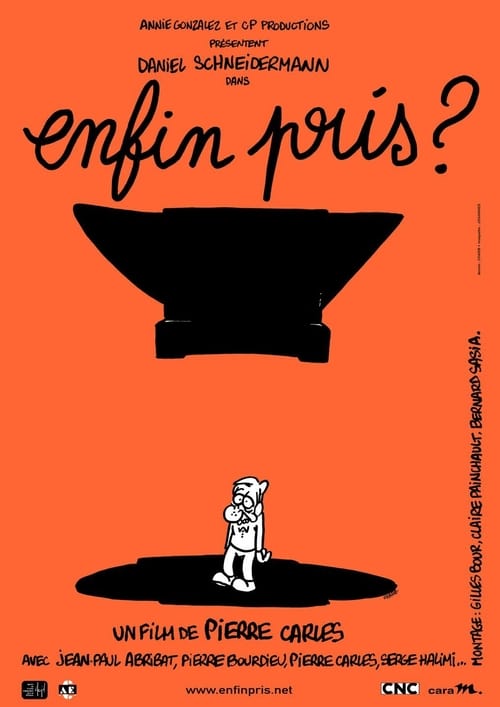
Pierre Carles, the dispenser of justice seen in “Pas vu, pas pris,” is back in the saddle. After attacking French television star reporters, his new target is television critics as represented by Daniel Schneidermann, host of the "Arrêt sur images" show. “Enfin pris ?” analyzes censure at work in television. It is also a thought-provoking look at how power changes people and the intimate forces between ambition and loyalty. A cruel, biting comedy from which no one really comes out unscathed.
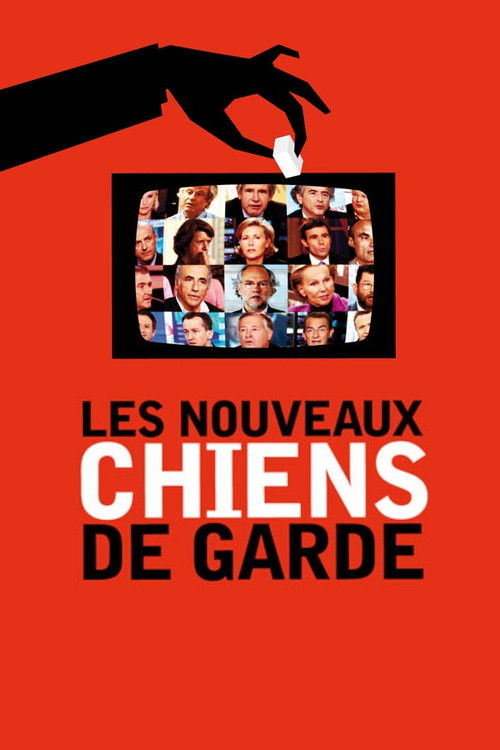
In 1932, the writer Paul Nizan published "The New Watchdogs" to denounce the philosophers and writers of his time who, sheltering behind intellectual neutrality, imposed themselves as true watchdogs of the established order. Today the watchdogs are journalists, editors, and media experts who've openly become market evangelists and guardians of the social order. In a sardonic manner, "The New Watchdogs" denounces this press that, claiming to be independent, objective and pluralist, makes out it is a democratic force of opposition. With forcefulness and precision, the film puts its finger on the increasing danger of information produced by the major industrial groups of the Paris Stock Exchange and perverted into merchandise.
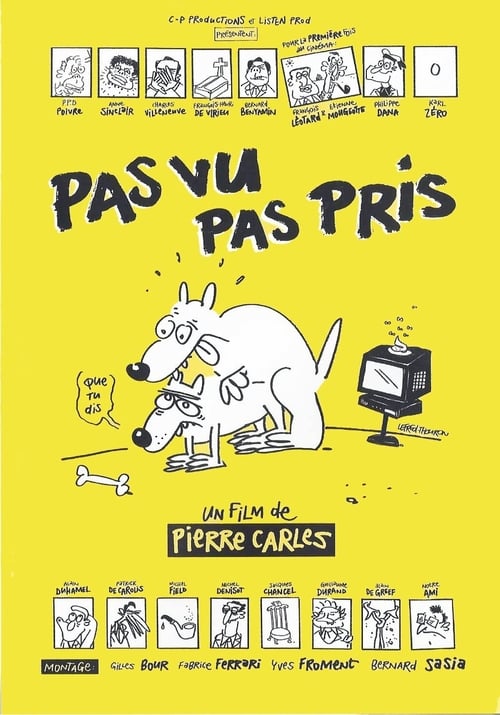
On April 2, 1995, the television channel Canal+ censored the documentary "Pas vu à la télé" (Not Seen on TV), directed by Pierre Carles, which had been commissioned a few weeks earlier by the program director, Alain de Greef. "Pas vu à la télé" was slated to be featured in Canal+'s "TV Day" segment, under the heading "Television, Power, Morality." Carles recounted this censorship in the feature film "Pas vu pas pris" (Not Seen, Not Caught), released in theaters on November 18, 1998. It drew over 160,000 viewers. Eighteen years later, "Pas vu à la télé" remains unaired on French television. As for "Pas vu, pas pris," it has still not been broadcast on French television. However, it has been shown on television in Belgium, Quebec, and Switzerland. Since then, nine billionaires now control more than 80% of the media in France, while eleven of them account for 57% of the television audience.