Directing
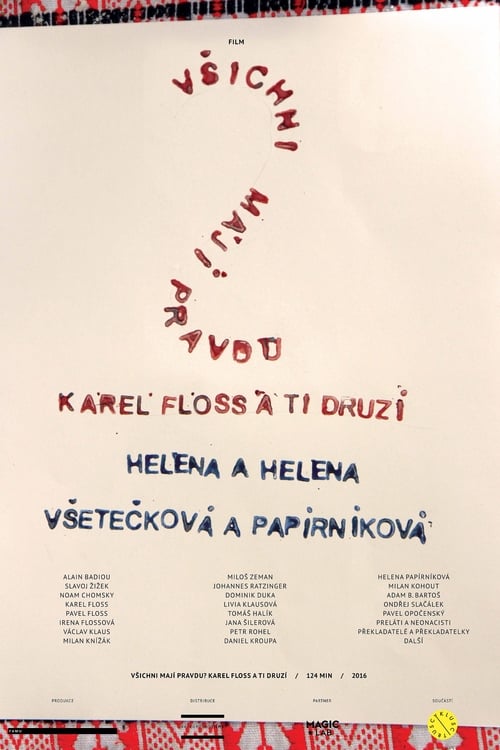
A multi-portrait of the history of post-1989 Czech ideas and sensibilities, centered around left-wing Christian philosopher Karel Floss. Circling his ideas on God, truth, and politics like satellites are statements by strongly antithetical individuals including Milan Knížák, Ondřej Slačálek, Noam Chomsky, and Czech nationalist thinkers. Working with a subtle sense of irony, the film is openly inspired by the style of Karel Vachek as it makes use of semantic counterpoints, situational humor and aloof formal elements. The result is a kind of audiovisual riverbed for channeling the fury of a nation that recalls a child that is just learning to think and does not know what to relate to first, because in a certain sense, basically “everyone is right”.
The film explores the theme of a free human life, independent both internally and externally, presenting – in this documentary ode – a series of scenes linked by personal passion and emotional experience, centred on the director’s children as well as her friends and loved ones, including Karel Schwarzenberg, Dáša Vokatá, Jim Čert, Stanislav Penc and John Bok, whom the film binds together with an invisible bond, reminding us that one cannot escape one’s own era, but that one can live within it on one’s own terms.
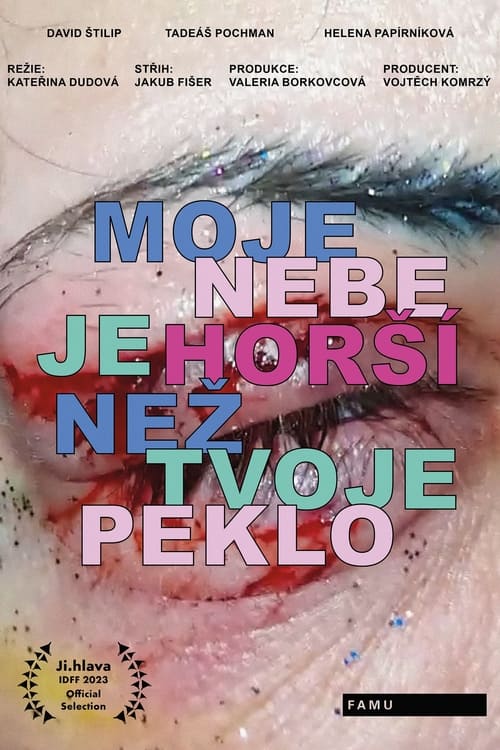
Theatre director Jan Kačena poisoned himself in 2019 by inhaling fumes and suffered irreversible brain damage. While his partner makes a film as a declaration of love, he lies unconscious. In the film, the director follows moments in the everyday lives of three people close to him: Czech rapper Tyler Durden, painter Tadeáš Pochman and film director Helena Papírníková. In a naturalistic way, it captures drug addiction, self-destructive tendencies and family problems, which are the subject of intimate, often uncomfortable conversations. The result is a diary-style probe into the fate of the artistic bohemia of late capitalism.
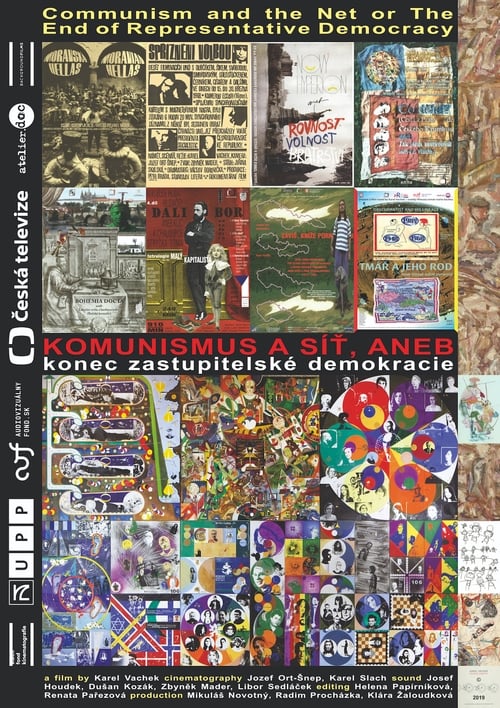
The six-hour essay in four parts examines the history of regimes and revolutions, leaders and martyrs, from a philosophical perspective. The collage of personal memories, staged scenes and archives of collective memory compares the Prague Spring to the Velvet Revolution and shows the exposure, conflict, crisis, and catharsis of the post-communist society. Democracy can be saved through creative laughter, dissolving the untouchability and hypertrophic egos of the representatives of state institutions. The Internet frees the society from representatives of the non-functional connecting link that prevents direct communication between citizens and institutions of power. “I can see you until I spot you. Once I spot you, I cannot see you anymore.” K. Vachek