Alexandros Papadiamantis
Writing
Biography
Alexandros Papadiamantis (Greek: Ἀλέξανδρος Παπαδιαμάντης; 4 March 1851 – 3 January 1911) was an influential Greek novelist, short-story writer and poet. Papadiamantis was born in Greece, on the island of Skiathos, in the western part of the Aegean Sea. The island would figure prominently in his work. His father was a priest. He moved to Athens as a young man to complete his high school studies, and enrolled at the School of Philosophy of the University of Athens, but never completed his studies. This happened because he had economic difficulties, and had to find a job to make a living. He returned to his native island in later life, where he would spend the rest of his life and eventually pass away there in 1911. He supported himself by writing throughout his adult life, anything from journalism and short stories to several serialized novels. From a certain point onwards he had become very popular, and newspapers and magazines vied for his writings, offering him substantial fees. Papadiamantis did not care for money, and would often ask for lower fees if he thought they were unfairly high; furthermore, he distributed his earnings to those who needed it more and took no care of his clothing and appearance. He never married, and was known to be a recluse, whose only true cares were observing and writing about the life of the poor and of spiritual figures, as well as chanting at church: he was referred to as "kosmokalogeros" (κοσμοκαλόγερος, "a monk in the world"). He died of pneumonia.
Known For

The story tells the story of 50-year-old Skeva. When she learns that her son, who has barricaded himself in order to raise money to propose to his beloved Rinio, is ill, Skevo disguises himself as a man and becomes a guard in the sports (ships that were in quarantine due to cholera) in order to save him.
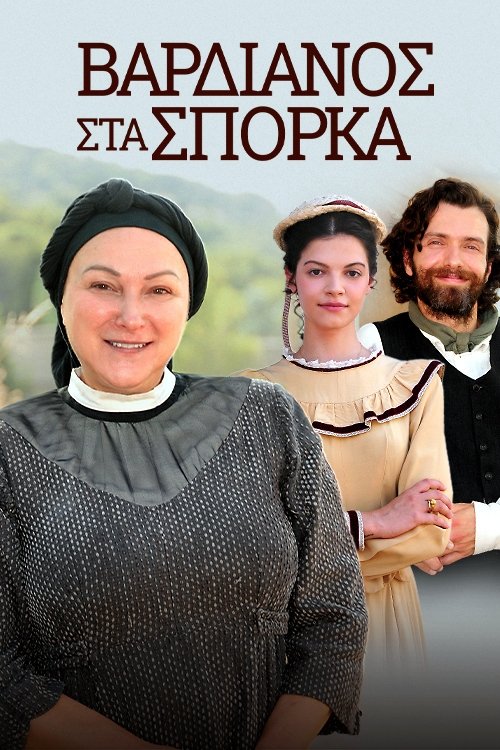
Vardianos Sta Sporka

It is the early 20th century on a dystopian Greek island. Hadoula, a widow who lost her husband, loannis Fragkos, at a young age, is a woman who has learned how to survive in a male-dominated and extremely patriarchal society. Hadoula carries a difficult burden within her. Like a baton passed on to her from her mother, and the generations before her, she is meant to accept the belittling and degradation of women. Hadoula reacts. Her personal, internal revolution soon comes forth. The victims of her outburst are the little girls of the island, whom she sets free from the social and economic burden that their existence entails by taking their lives. Her actions will bring her face to face with the law. She leaves her home and escapes to her refuge, nature. But as much as her faith and morals dictate that she did the right thing, her trans-generational trauma follows her everywhere. And the end comes as redemption.
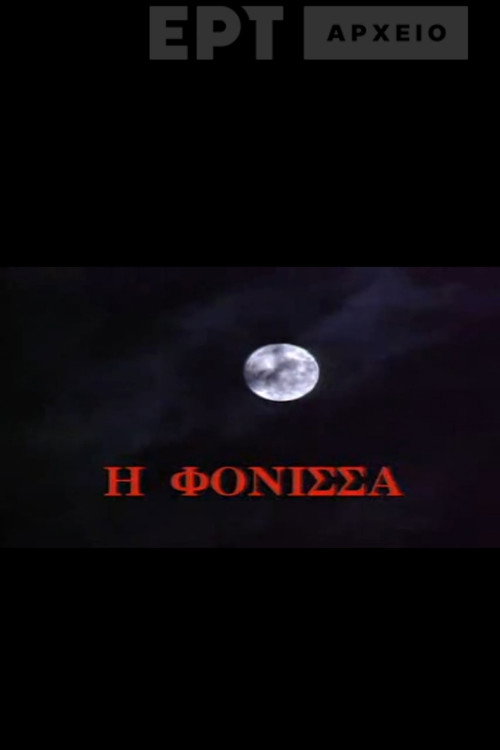
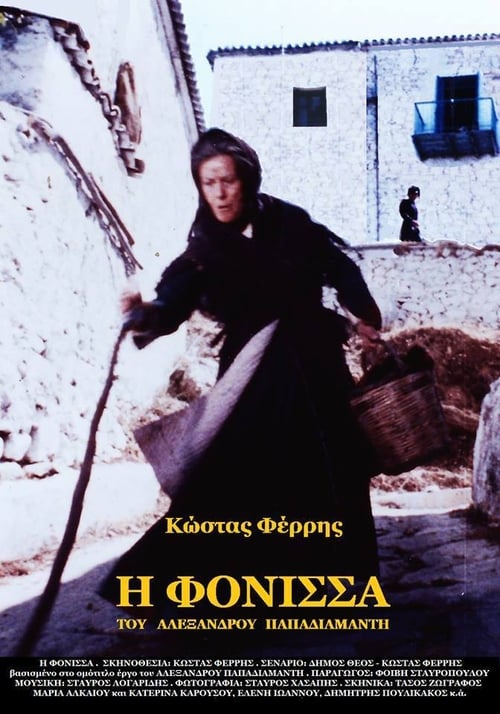
Fonissa

An adaptation of one of the greatest greek novellas ('The Murderess' by Alexandros Papadiamantis). Fragkogiannou (Maria Alkaiou), a hard-done by, deranged woman after a life full of hardship, recalls the past by her newborn girl grandchild’s crib. Her mother was a wicked woman and one of her sons was a criminal. Lost in a haze, she strangles the baby as she is concvinced that girls can cause their family only trouble. Later, she lets a little girl drown in a well, while she drowns three other little girls, one of whom is a newborn baby. This is her way of sparing children and parents of the inevitable suffering in life.
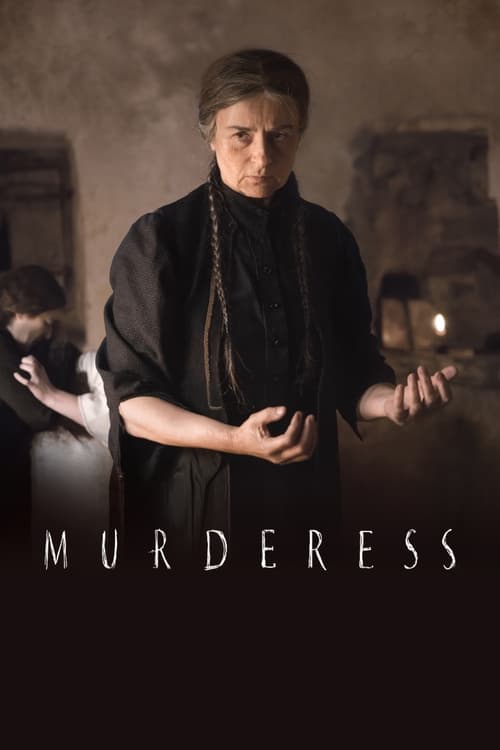
The Murderess

An adaptation of Alexandros Papadiamantis's short story. Passion for a woman and some desperate thoughts push a young man to secretly take a stranger's boat and set sail. The wind carries him away and he is shipwrecked. He comes to in a cave, near the deserted shores, among three eccentric people who, each for their own reasons, live on the margins of society. He listens to them recount their personal stories with humour and self-deprecation. But behind their seemingly ill-fated romances, he discerns true love.
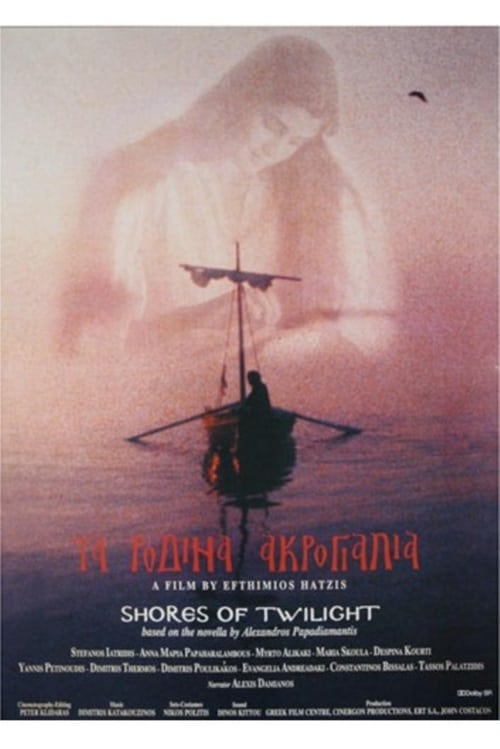
Shores of Twilight

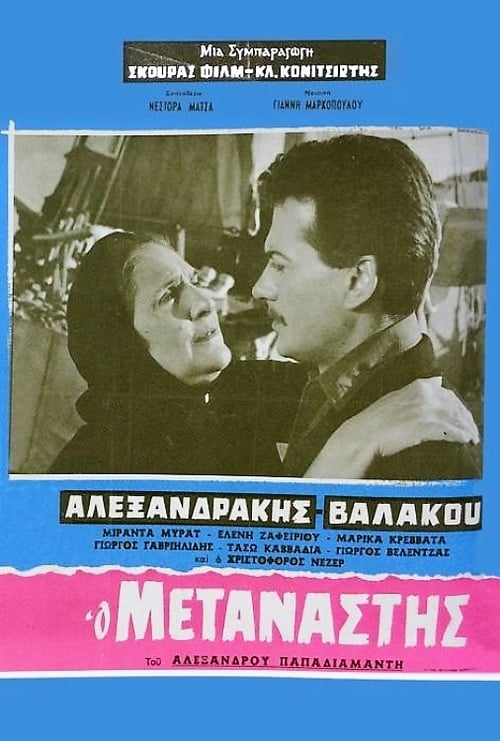
A young man returns to his home after years abroad, despite not becoming wealthy, he has managed to save money for his last years.
The Immigrant

Fragogiannou, an elderly woman born and raised in a male-dominated society, believes that the birth of a girl brings misery to both the child and its family. Starting with her own newborn granddaughter, she commits crimes against young girls.