Bernard Tapie
Acting
Biography
Bernard Roger Tapie (26 January 1943 – 3 October 2021) was a French businessman, politician and occasional actor, singer, and TV host. He was Minister of City Affairs in the government of Pierre Bérégovoy. He was the manager of a group of companies, notably owner of Adidas and Olympique de Marseille, manager of the Bernard Tapie Group and owner of the La Provence Group, which publishes the newspaper of the same name, as well as Corse-Matin. At the beginning of 1984, he presented his cycling team La Vie claire, then bought OM a few years later. In the 1990s, engaged in politics as a left-wing radical, he was twice Minister of the City in the Bérégovoy government, deputy for Bouches-du-Rhône twice, European deputy (his list obtained 12% in the 1994 elections) as well as general councilor for Bouches-du-Rhône. His political career ended due to his legal troubles. Involved in several financial scandals, he was convicted in the VA-OM affair (for which he was imprisoned in 1997 for nearly six months), in the Phocéa affair and in the Testut affair. In the 2010s, following an arbitration condemning the State to pay him 403 million euros in compensation in the context of the Crédit Lyonnais affair, he was prosecuted again, his death putting an end to the criminal proceedings. Tapie was born in Paris. He was a businessman who specialized in recovering bankrupt companies, among which Adidas is the most famous (he owned Adidas from 1990 to 1993); and owner of sports teams: his cycling team La Vie Claire won the Tour de France twice – in 1985 and 1986 – and his football club Marseille won the French championship four times in a row, and the Champions League in 1993. La Vie Claire, one of Tapie's former businesses, is a chain of health product stores. It sponsored one of the strongest cycling teams of all time, La Vie Claire, which was founded after the 1983 European cycling season, when multiple Tour de France winner Bernard Hinault had acrimoniously broken away from the Renault–Elf–Gitane team. Hinault and Greg LeMond won successive Tours with the La Vie Claire team in 1985 and 1986. From 1986 to 1994, Tapie was the president of the Marseille football club, which became champions of France five times in a row (from 1989 to 1993) and won the 1992–93 UEFA Champions League. In 1985, Tapie bought the sailing ship Club Méditerrannée from the wife of disappeared French navigator Alain Colas. The boat was transported to Marseille, where Tapie had his football team, and restored for two years. It was renamed Phocea and was at that time the longest sailing ship in the world (70 m or 225 ft). Tapie took command of it with a new crew in 1988 and broke the world record for crossing the Atlantic Ocean. In 2021, Tapie and his wife were severely beaten in a home invasion robbery. ... Source: Article "Bernard Tapie" from Wikipedia in English, licensed under CC-BY-SA.
Known For

No description available.
Champs-Elysées

No description available.
Sacrée Soirée

No description available.
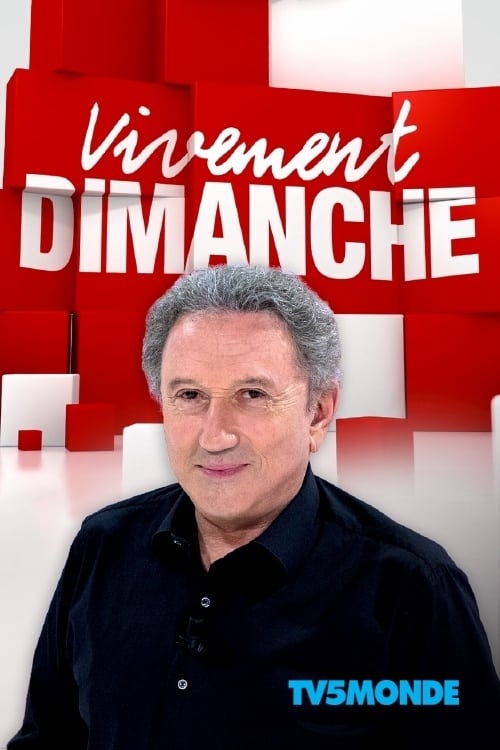
Vivement dimanche

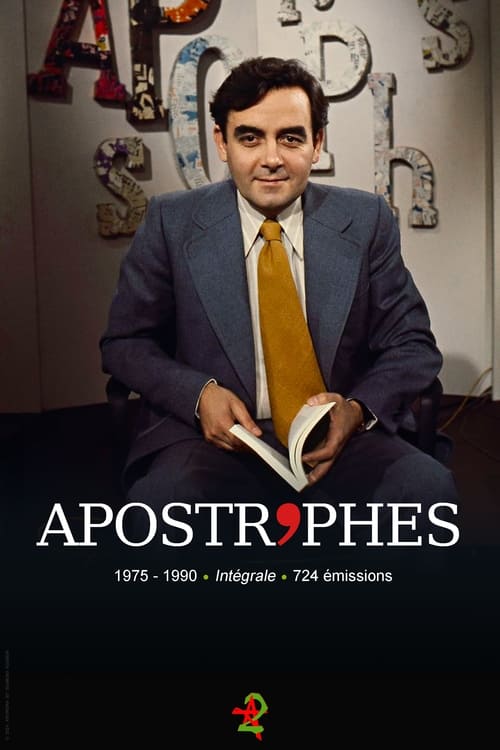
Apostrophes was a live, weekly, literary, prime-time, talk show on French television created and hosted by Bernard Pivot. It ran for fifteen years (724 episodes) from January 10, 1975, to June 22, 1990, and was one of the most watched shows on French television (around 6 million regular viewers). It was broadcast on Friday nights on the channel France 2 (which was called "Antenne 2" from 1975 to 1992). The hourlong show was devoted to books, authors and literature. The format varied between one-on-one interviews with a single author and open discussions between four or five authors.
Apostrophes

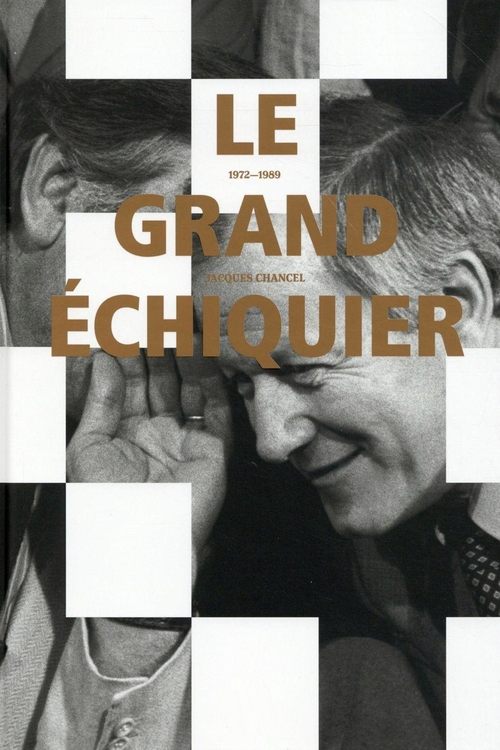
Le Grand Échiquier is a French variety television program created and presented by Jacques Chancel. It aired at 8:30 pm on the first channel of the ORTF from January 12, 1972 to July 12, 1972, then on the second color channel of the ORTF from September 1972 to December 1974, and finally on Antenne 2 from January 1975 to December 21, 1989. The program returned to France 2 on December 20, 2018 and is hosted by Anne-Sophie Lapix.
Le Grand Échiquier

No description available.
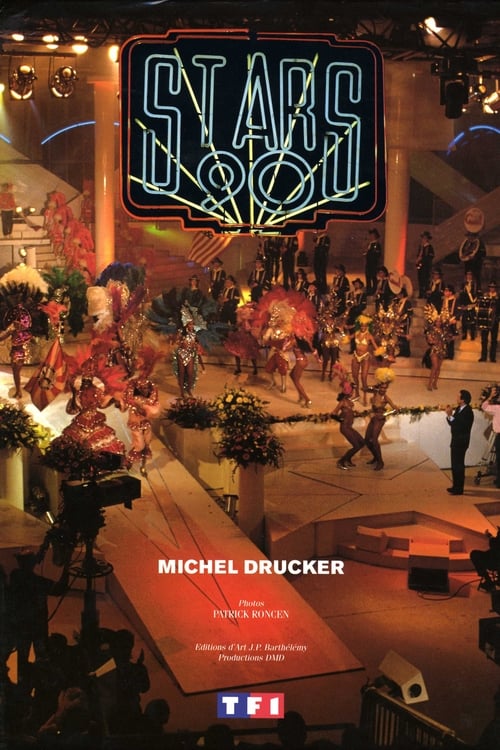
Stars 90

No description available.
Il était une fois Champs-Élysées

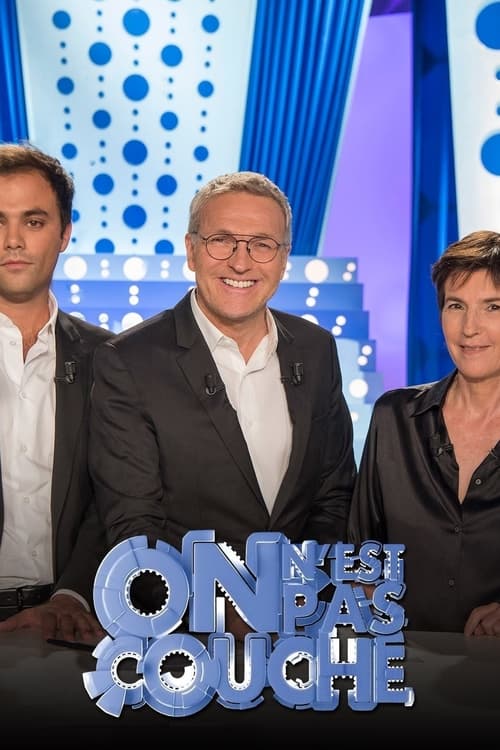
On n'est pas couché was a French talk show broadcast on France 2 on Saturdays at 11 p.m., hosted by Laurent Ruquier assisted by various columnists.
On n'est pas couché

No description available.
Vivement dimanche prochain

25 youngsters, aged 10 to 12 years, probe political party leaders on a range of topics.
Face the Classroom

No description available.
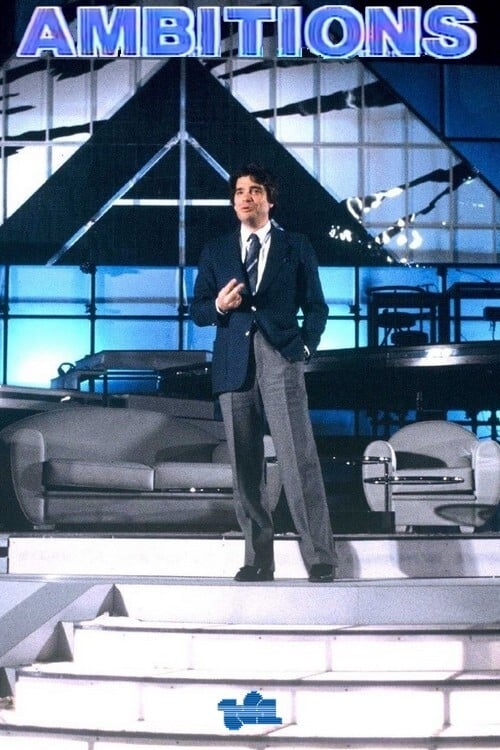
Ambitions

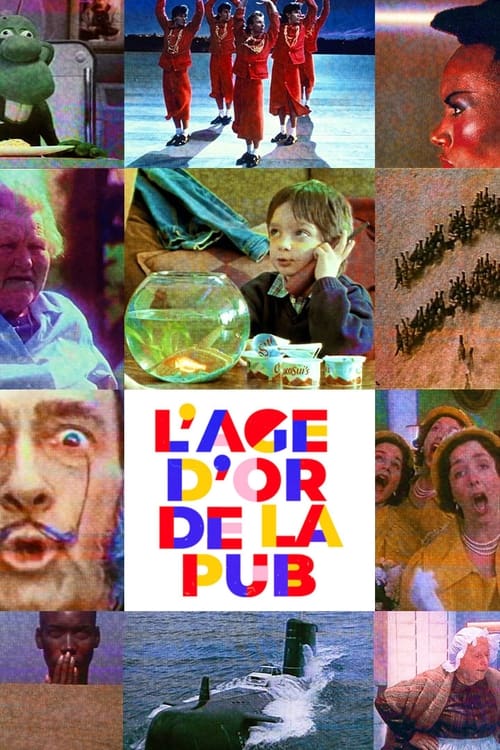
55 years ago, on October 1 1968, the first brand advertising spot appeared on the French television screen. Over the next three decades, thousands of creative little films would seduce and build our collective memory. Kitschy or cult spots, humor, slogans, music, stars, gimmicks, grand spectacle or sex appeal: during its golden age, how did advertising convince? Thierry Ardisson has brought together almost 400 advertising clips to relive the era of the conquest of minds and wallets.
L'Âge d'or de la pub

A four-hour journey through the first ten years of Les Guignols. Cult sequences, historic sketches, reference expressions... offer sixty or so “Guignolized” personalities the opportunity to analyze the phenomenon or react to their puppets. Their impressions, shared with Gilles Verlant, punctuate the Night. All those who have made Les Guignols what they are today - Alain De Greef, the historical authors, puppet creator Alain Duverne, etc. - take the opportunity to reveal a few of their secrets.
Les Guignols, les 10 premières années

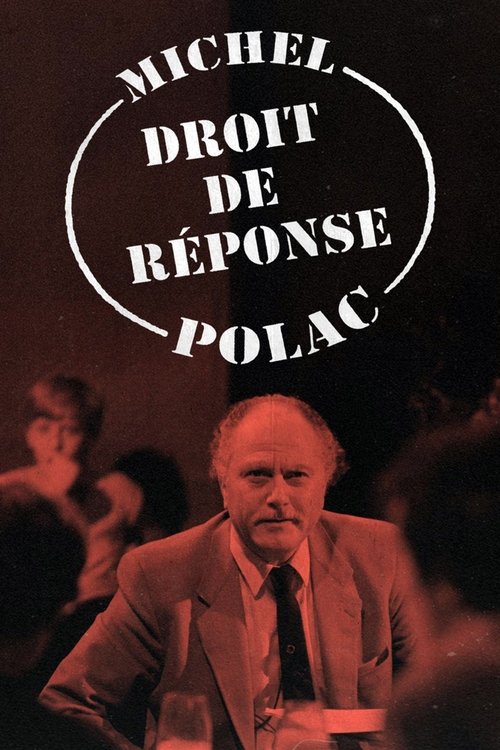
"Droit de Réponse" (Right of Reply) is a French debate program broadcast between December 12, 1981 and September 19, 1987 on the TF1 channel, presented by Michel Polac and produced by Maurice Dugowson. Broadcast live on a weekly basis, on Saturdays from 8.30 p.m., the right of reply has been the source of many controversies, due to the various speakers who have come to present their point of view on the show (which leads to famous scandals , remained in the memory of viewers), but also for the variety and relevance of the topics covered, which ensured the success of the program on the air for several years. On French television, this program is considered by some observers as a “pioneer program in terms of controversy-show or clash, in modern language”.
Droit de Réponse

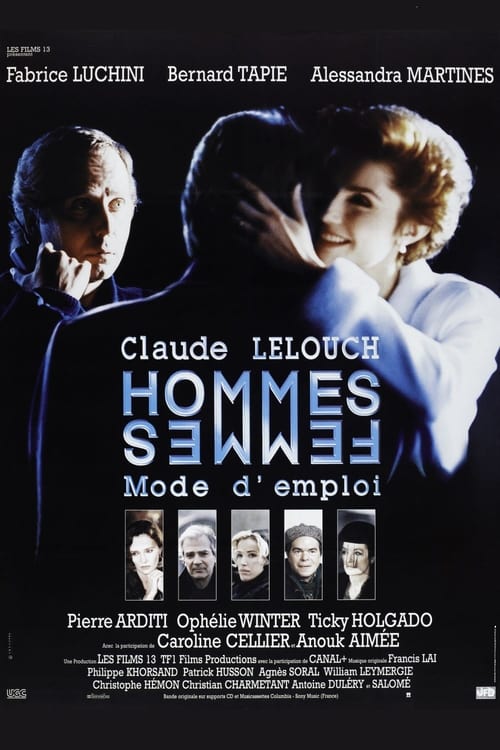
Benoit Blanc loves living, he loves women, he loves daring. He is a famous businessman who suffers from stomach-ache. Fabiolini, a would-be actor, is a policeman and he too suffers from the same sickness. The two man face suffering in opposite ways: Benoit Blanc is optimistic while Fabiolini, always unsure of himself, is persuaded he is seriously ill. The two men meet by chance while doing a gastroscopy and become friends. After having known their real different conditions, they will change and will understand better their lives. Around them, other people, women and men, will see their lives changed, by chance, by love or solely by the life stream.
Men, Women: A User's Manual

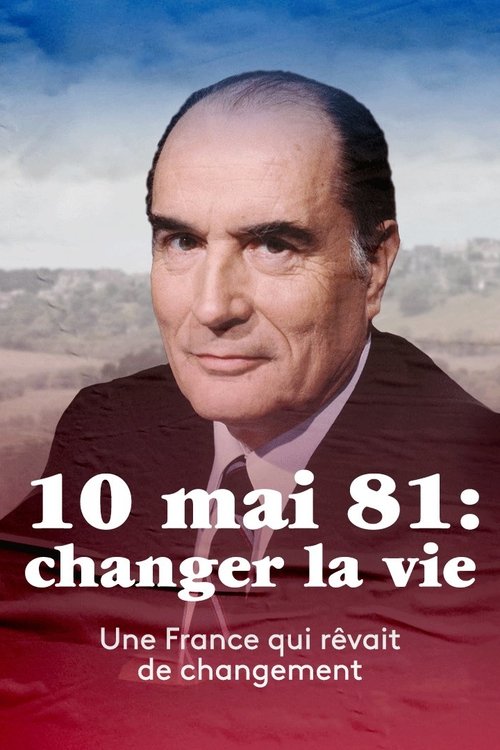
Fourty years ago, in May 1981, with François Mitterrand's election, some people were letting themselves dream about a better life while others were predicting the coming of soviet tanks upon the Champs-Élysées. If we gladly remember the turning point of austerity in 83, there were also the wage rises, the fifth week of paid leave, the abolition of death penalty, the decriminalisation of homosexuality, or the advent of independent radio stations. Rare archives and accounts by those who were at the heart of this story give an overview of it and shed light on lesser-known aspects.
10 mai 1981 : Changer la vie ?

In the 1960s, the suburbs were meant to be modern havens for newcomers from rural France, Portugal, Spain, North Africa, and Africa, helping rebuild post-war France. Large housing complexes symbolized this ideal, offering comfort, heating, and electricity. But by the 1980s, disillusionment set in as economic crisis, unemployment, poverty, crime, racism, and police violence took hold. Mohamed Bouhafsi tells the story of a dream that didn’t last.
La banlieue, c’est le paradis

No description available.
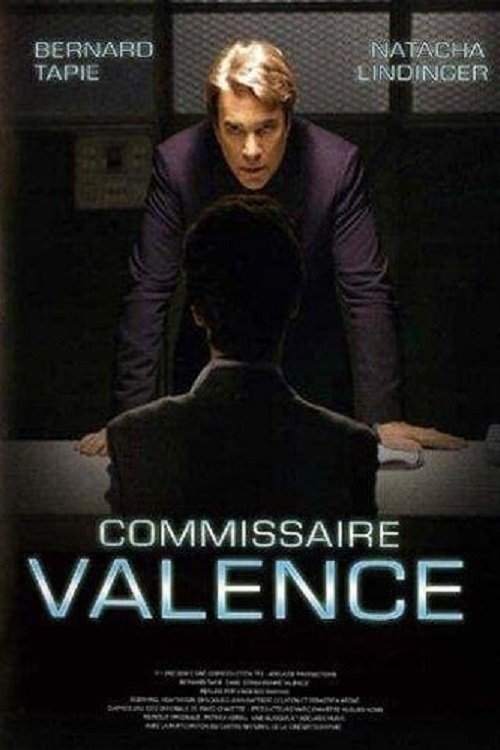
Commissaire Valence

This documentary tells two stories simultaneously: it's a profile of Bernard Tapie, a wealthy man who rises and falls spectacularly in French society and may be on the rise again; and, it's a look at Marina Zenovich's fascination with Tapie, behaving oddly in spite of her awareness that she's being irrational. Politicians, athletes, friends, companions, and journalists comment on Bernard's charm, his rise to prominence in sports and politics, and his subsequent trouble with the law. Zenovich becomes fixated on her need to interview Tapie, becoming virtually a stalker in her quest.
Who Is Bernard Tapie?

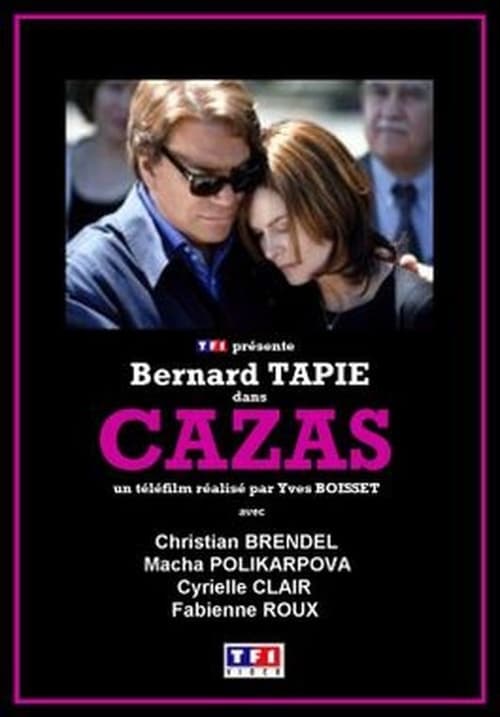
Unjustly incriminated in a dark case of drug trafficking, Philippe Cazas, a military doctor, had to go into exile in a dispensary in Africa. Five years later, he returns to Paris under military supervision to bury his son who died of an overdose.