Acting
Host Guy A. Lepage brings together six to eight personalities from different milieus—sports, politics, stage productions and more—that are the subject of everyone’s conversations and/or are important figures in recent events. Participants are invited to speak freely, voicing their opinions on headline news or on a subject that is near and dear to them.
This daily quiz show puts strategy front and centre, as five celebrities answer general-knowledge questions to win money for their favourite charity. But here’s the catch: one of the five participants is cheating, because they’re secretly being fed the answers. The cheater’s mission is to play it smart so they can fool the other players and win the game without getting caught.
No description available.
Viens voir les comédiens is a television show on the Canadian French-language arts and culture television network ARTV.
Hosts Bianca Gervais and Sébastien Diaz offer inspiring encounters with colorful families, sound advice, and winning recipes to make family life easier.
3 x rien shows the lives of Alex, Louis and Jean-François who, as they enter their thirties, do everything they can to step up and be counted…and sometimes fall flat on their faces in the attempt. A well-dosed mixture of reality and fiction in which these three comedians known as Les Mecs comiques describe the little inconsequential events of everyday life with biting wit. A living comedy of life that is funny and surprising and that describes the everyday existence of young adults through their real concerns, whether futile or existential!
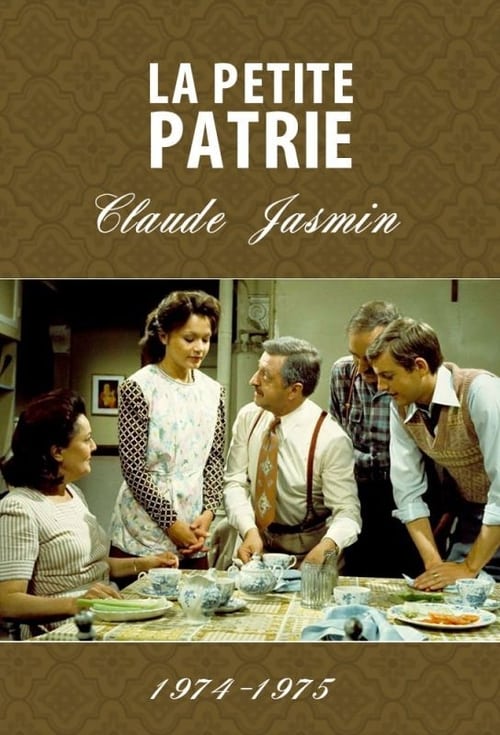
La Petite patrie was a French Canadian television programme from Quebec. It was broadcast between 1974 and 1976. This television serial of Claude Jasmin told the life of a district of Montreal formed by the quadrilateral of the streets Saint-Denis, Beaubien, St-Hubert and Bélanger the shortly after the war. The main character and narrator of this television serial was Clément Germain, adolescent of 17 years who lived in this district with his family. Through the memories of Clément, viewers discovered this neighborhood during the years of Duplessis; with its trams, its ice deliverymen, its guénillou and its anglophone Chinese launderer among others. At that time, bread cost 5 cents, Maurice Richard was at the peak of his glory and the Rivoli theatre had not yet been replaced by a Jean-Coutu.
François Morency and three guests take a closer look at some words and expressions that have caught their attention for the right or wrong reasons. Comedy acts, funny interviews, hilarious sketches, juicy clips . . . whether they're playing with famous quotations, digging up treasures from social media or revisiting favourite lines from movies or Quebec TV, everything's fair game when it comes to celebrating the best and the worst in the spoken and written word.
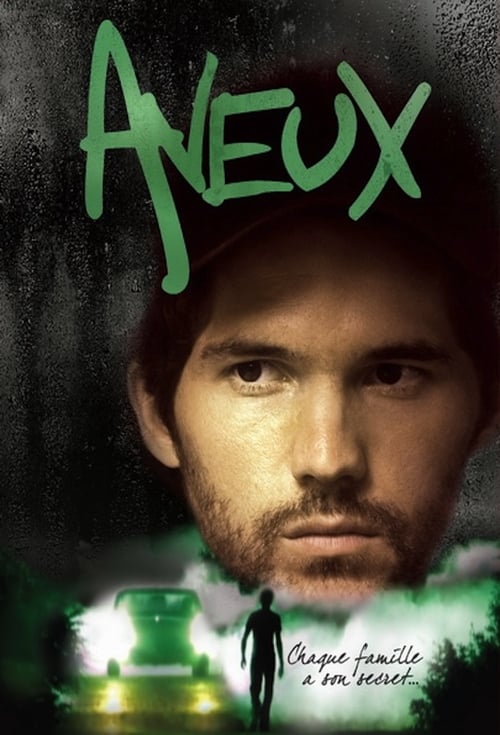
Simon Laplante ran away from his past and built a new life for himself in Montreal (Canada). However, his relatives from the past catch up with him.
What’s in a name? Each week, Stephane is joined on a large studio set by comedians Ève Côté and Kevin Raphaël as well as an energetic house band, and welcomes celebs who share the same first name. They pull out all the stops to showcase the featured names’ many facets with originality and authenticity.
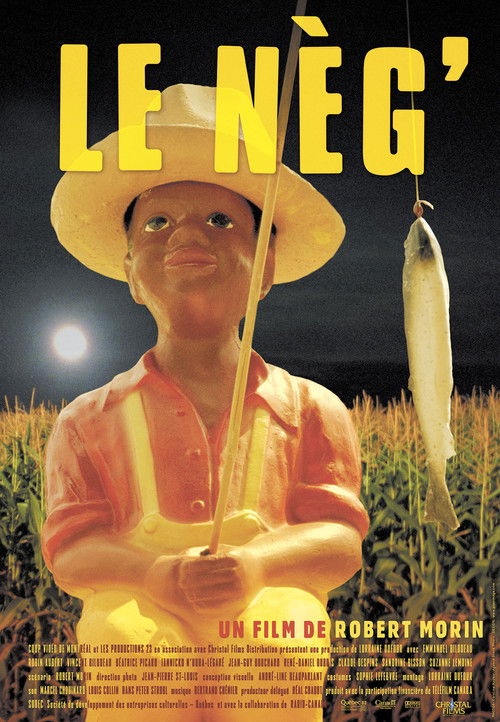
In the middle of the night, in the Québec countryside, all hell breaks loose as a black teenager is caught smashing a racially denigrating lawn ornament. Together the neighbours attend to justice against the vandal. Thorough the night there is mounting racism, fueled by alcohol, and violence. Le Nèg' opens the morning after when the police investigators arrive at the scene to take depositions.
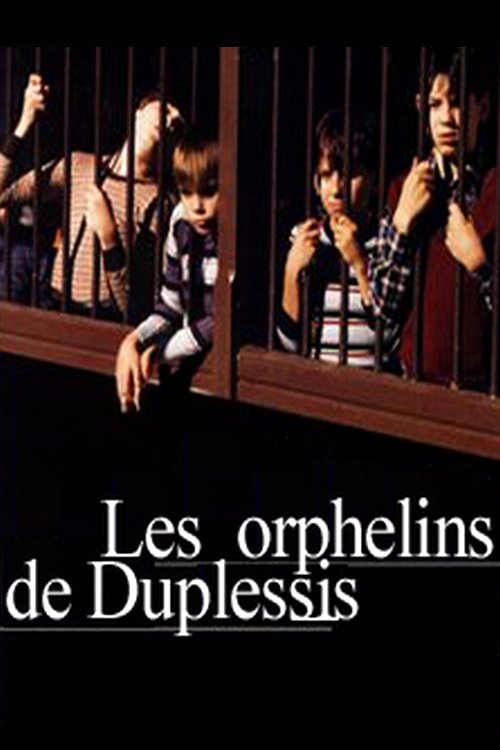
In the 1950s, young boys were placed in orphanages and endure harsh and austere living conditions. As a united group, they supported each other and survived despite bullying, hardship and little hope for better days. While these children were doing their best to survive, they had no way to suspect the secret dealings between the clergy, the medical profession and the government that will inevitably seal their fates. The institution faced with a precarious financial situation, the solution is to transform the orphanage into a psychiatric institute in order to obtain additional subsidies. To demonstrate the need for this change in status, the orphans are labeled as insane by the very people who took them in to help them. While their future as orphans was already precarious, they become prisoners of an asylum system from which they have little hope of being able to free themselves even as they grow older.
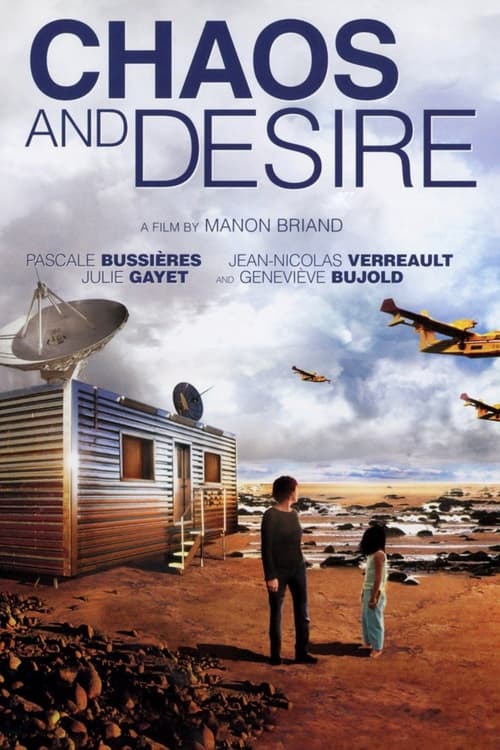
Suspecting that the cecassion of the tides may indicate an impending earthquake, Seismologist Alice arrives in her hometown of Baie-Comeau, Quebec to commence her investigation. Soon confronted by numerous figures from her past, the unusual weather and inexplicable behavior of the citizens lead Alice to believe that something beyond her comprehension is occurring to her old hometown...
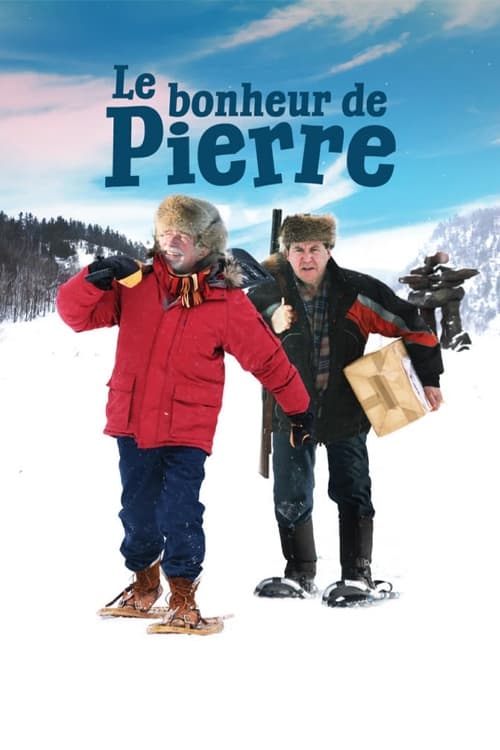
Pierre, a French professor of quantum physics, inherits an inn from his aunt Jeanne in the Lac St-Jean region. He arrives with his daughter and settles in the small village of Sainte-Simone-du-Nord, home to just 400 residents. The locals, however, greet these “strangers” with suspicion—especially the village mayor, who once had a falling-out with Jeanne, the Frenchwoman. He manages to rally the townspeople to make life difficult for these newcomers from across the Atlantic. Yet Pierre’s good humor is unshakable, and he refuses to be discouraged—even without electricity, heat, water, or a car.
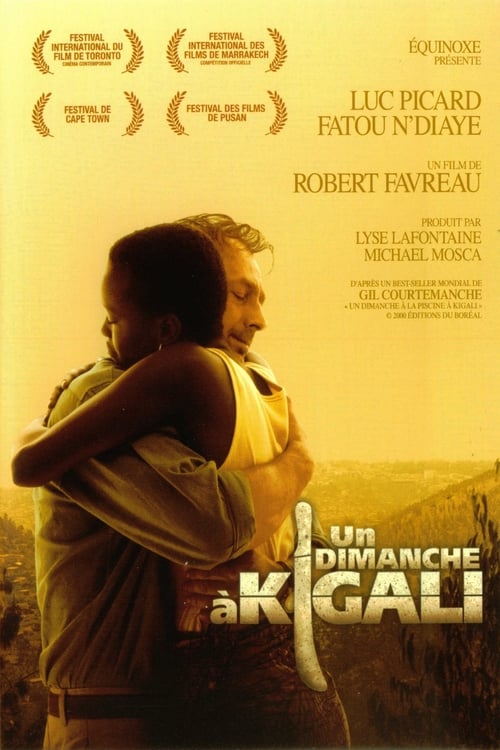
In April 1994, the middle-aged Canadian journalist Bernard Valcourt is making a documentary in Kigali about AIDS. He secretly falls in love for the Tutsi waitress of his hotel Gentille, who is younger than him, in a period of violent racial conflicts. When the genocide of the Tutsis by the Hutus in Rwanda begins, Bernard does not succeed in escaping with Gentille to Canada. When the genocide finishes in July 1994, Bernard returns to the chaotic Kigali seeking out Gentille in the middle of destruction and dead bodies.
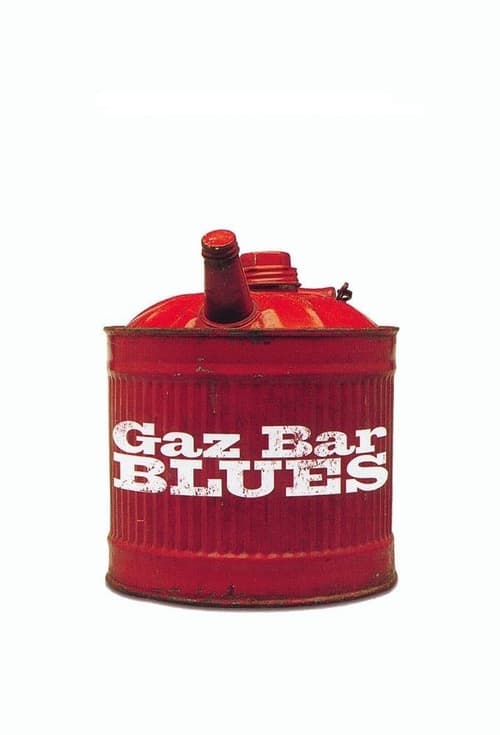
This is the story of Mr. Brochu, whose friends like to call "the Boss". He runs his gas station the best he can and tries to stay happy no matter what happens. This movie relates all the small tragedies surrounding the gaz bar, such as hold-ups, competition from the big companies invading the neighbourhood, and the fact that is sons don't seem to be interested in the gas station.